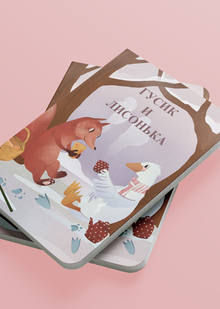
Sakha fairy tales are incredibly rich. The tales of authentic Yakut origin reflect the character of nature, the diversity of life and labor, and the spiritual world of Yakutia. For this project, I selected several stories—both popular and little-known. My primary criterion for selection was my personal reaction while reading them. Furthermore, minor changes were made to some of the fairy tale texts, changes that did not affect the narrative.


Traditional Yakut national attire was crafted using materials of diverse textures and colors—fur, fabric, leather, and silk. The costume is adorned with ornamental inserts, patterns, and embellishments.
Charapchy — goggles designed to prevent snow blindness. They were round and featured small cruciform cutouts.
The table displays traditional Yakutian tableware: the choroon (a vessel for drinking kumys), the kytiya (used for serving various dishes), and the tuoyas (a cylindrical birch bark vessel).
The Sardana (lilium daursicum) is considered a symbol of the beauty of nature, summer, happiness, and prosperity. In Yakutia, the Sardana flower day is celebrated on June 30th. It is listed in the Red Book of Yakutia.
The territory of the Republic of Sakha (Yakutia) is bordered by two seas—the Laptev Sea and the East Siberian Sea.
Yucka is home to a variety of berries, including strawberry, blueberry, red and black currant, lingonberry, cloudberry, and others.
Abaahy (abaasy) — malevolent spirits in Yakut mythology that cause harm and illness to people.
Alaa Mogus — a mythological character from Yakut folklore, a perpetually hungry cannibal giant.
Pysha (Pysha) — bark tableware woven with horsehair cords. It was used for gathering berries, snow, and water.
Bastyna is a traditional Yakut headdress, an ornament shaped like a circlet with tassels hanging down the sides. Ilin Kebiser (Kebiser) is the front portion of the breast ornament.
Chompoi—a conical, tall Yakut hat
Balahagan (бала5ан) — the winter dwelling of the Yakuts