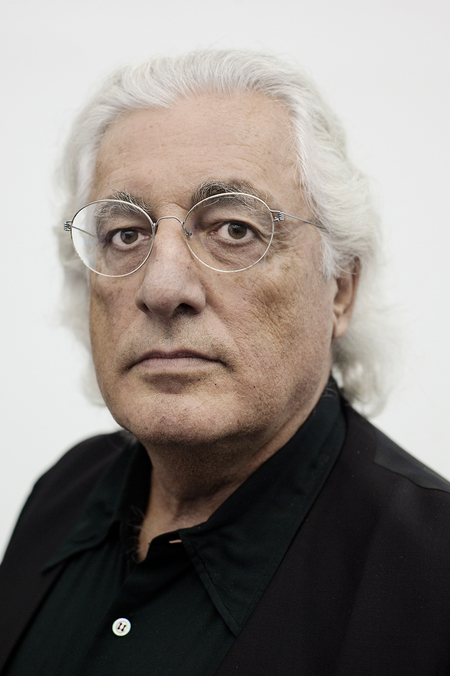
Celant brought the museum curator out of the shadows, making him a full creative collaborator with the artist, and transformed the exhibition itself into a political statement. In the late 1960s, he united young Italian nonconformists under the banner of Arte Povera («poor art»), challenged the dominance of the American art market, and subsequently transitioned from a radical rebel to a leading curator at the Guggenheim Museum and director of Fondazione Prada.
From Genoa to New York and Milan
Germano Celant was born in Genoa in 1940 and died in Milan in April 2020 from COVID-19 complications. He studied art history at the University of Genoa under the modernist scholar Eugenio Battisti.In 1963, 23-year-old Celant joined the editorial board of the interdisciplinary magazine Marcatrè. In the magazine, visual art, industrial design, architecture, music, and semiotics were discussed side-by-side (Umberto Eco was a regular contributor). This experience taught Celant a crucial lesson: art never exists in isolation from politics, environment, and media.
Three key institutions in Chellant’s career:
- **The Solomon R. Guggenheim Museum in New York (1988–2008): ** For twenty years, Chellant served as Senior Curator of Modern Art, introducing post-war European avant-garde to conservative American audiences. - **The 47th Venice Biennale (1997): ** He served as the Director of the Exhibition, assembling a large-scale project in just a few months. - **Fondazione Prada in Milan and Venice (1995–2020): ** For a quarter-century, he shaped the scholarly and exhibition program of the private Prada Foundation, transforming it into a venue for world-class archival research exhibitions.
Art as Guerrilla Warfare: The 1967 Manifesto
In late 1967, the text «Arte Povera. Appunti per una guerriglia» («Poor Art. Notes for a Guerrilla War») by 27-year-old Chelant was published in issue five of Flash Art magazine.
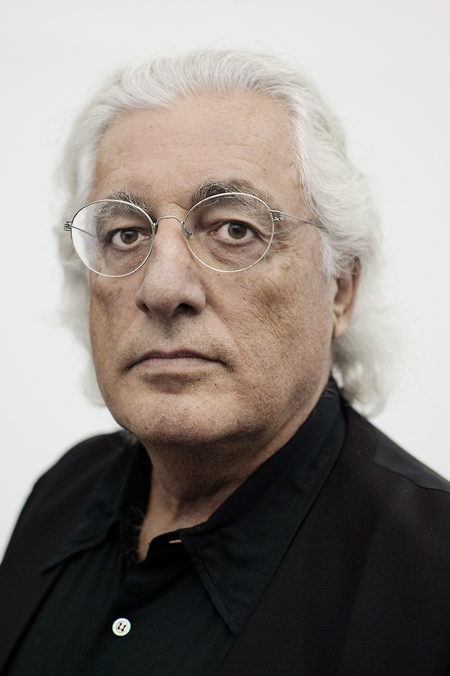
photo
The text opened with the declaration: «First comes the human, then the system—that was in antiquity. Today, society produces, and the human consumes… To step outside the system is to stage a revolution.» The term Chelant was borrowed from the concept of «poor theatre» by Polish director Jerzy Grotowski, who renounced lavish sets in favor of direct contact between actor and audience.