Concept
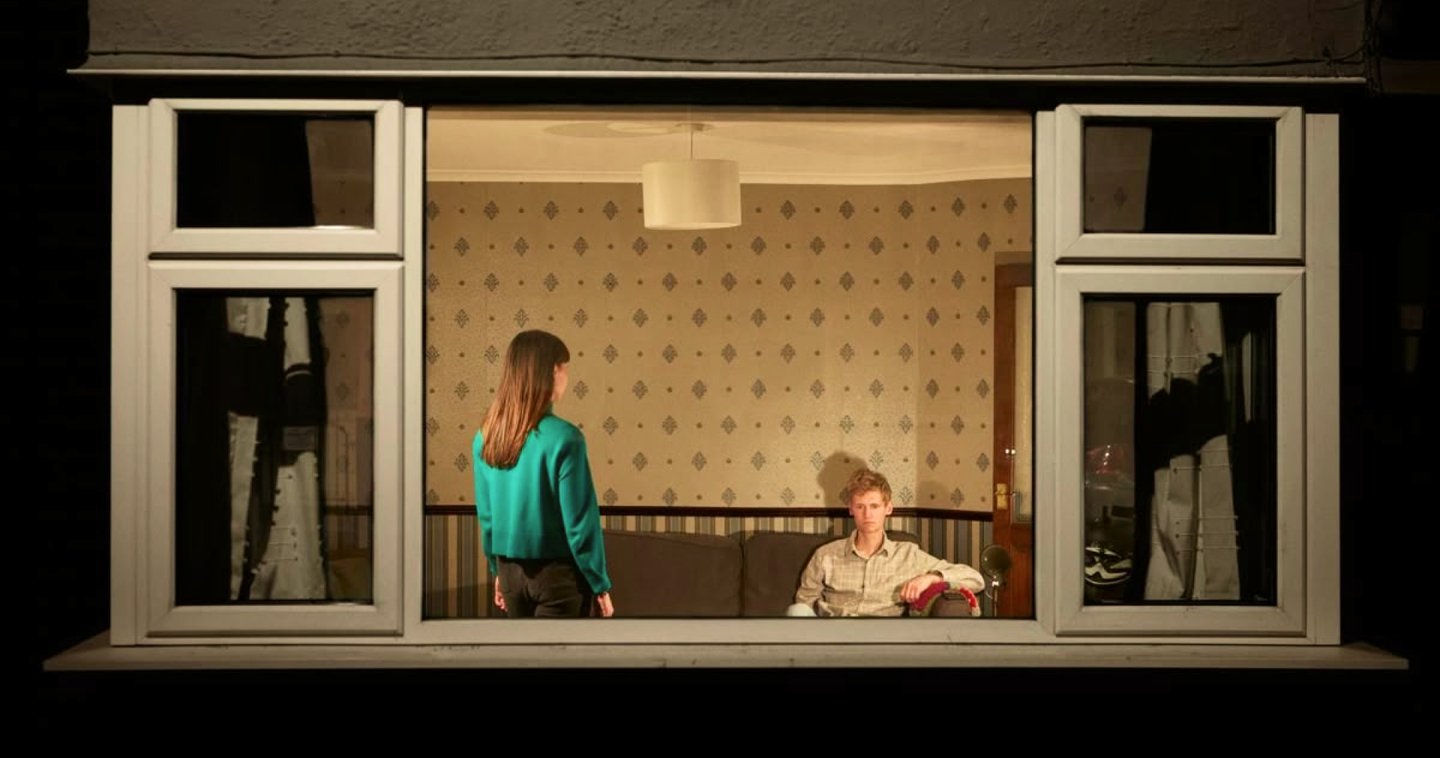
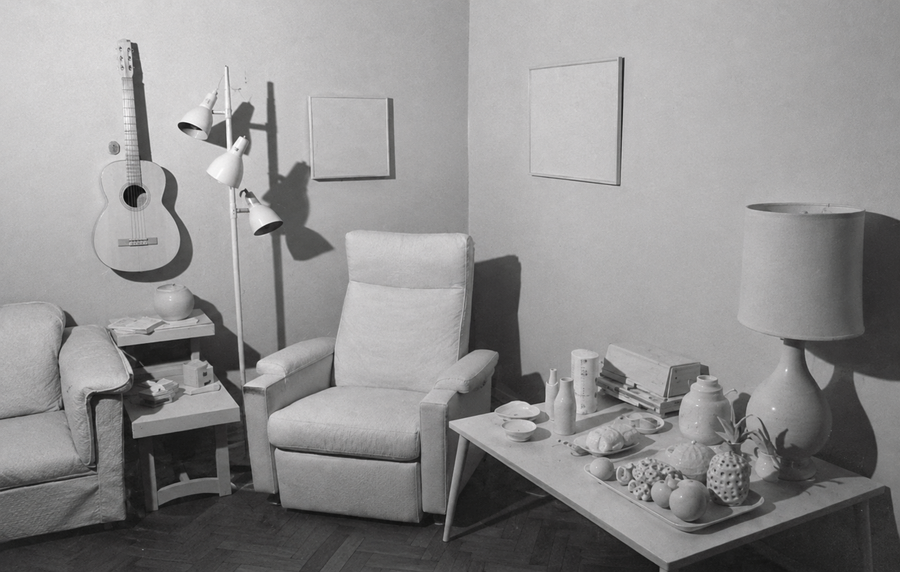
«The Room Speaks» — An AI-driven media project that reveals the human through their personal space. We are accustomed to learning about people through interviews, but they don’t always speak about themselves directly. Meanwhile, their environment is constantly producing information: objects on the table, books on the shelf, the contents of the refrigerator, the level of order or disorder, items by the bed. «The Room Speaks» invites viewers to see space as a form of self-portrait.
Content Sources
Sources in «The Room Speaks» are divided into two types. Machine-generated sources provide a broad pool of data for AI: social media, room-tour videos, forums, Reddit communities, photo archives, magazines, photo projects, and user-curated collections. The service’s goal is to gather the maximum amount of living details about the space and prepare a draft—here, breadth is more important than ultimate accuracy. Human sources involve validation: an editor verifies the context, the subject’s consent, privacy, and authenticity, deciding which of the «speaking objects» can genuinely be published. The rationale for this division is straightforward: the AI expands the textural coverage, while humans are responsible for ethics and interpretation. Therefore, every source in the scheme is assigned a role—specifying who processes it and according to what criteria.
Primary Sources
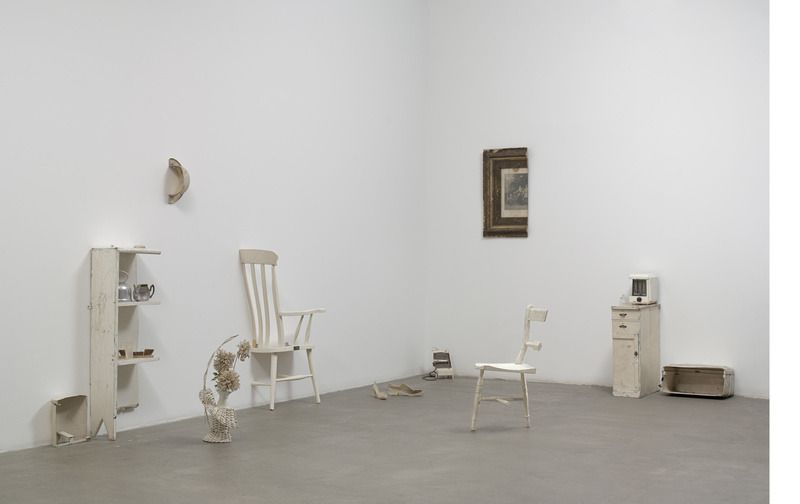
Social Media and Room Tour Videos: TikTok, Instagram, YouTube—videos where people show their rooms, refrigerators, tables, and shelves themselves, explaining the logic behind their belongings.Forums and Communities: Reddit (r/CozyPlaces, r/AmateurRoomPorn, r/ICleanedMyRoom), themed threads on daily life and furnishing—“raw» narratives of space without editorial curation.Magazines and Photo Projects: Apartamento, The Design Files, Casa Brutus, Never Too Small, Barbora Iveins' projects—objects as self-portraits and a reflection of «honest daily life.»Shows and Video Series: Interior Motives, Personal Space (NOVEMBRE GLOBAL), Please Take Care of My Refrigerator, Sort Your Life Out—ready-made formats for «guess the person by their space.»Original Shoots and Interviews: visits to actual rooms, audio recordings of the subjects' stories, photographic documentation and inventory of items—primary material for editorial columns.Archives and Museum Collections: exhibition catalogs on daily life, interior archives, collections of everyday objects—for historical and cultural context.User Selections and Inventories: lists such as «what’s on my desk, ” „what’s in the drawer, ” or „what I would save in a fire”—direct material for analyzing personal order.
Secondary Sources
Nanda Melo, «Chez moi, mon miroir» — Conceptual Framework: the home as a materialized «Self» and a space through which identity can be reconstructed. Suitable for a section on the room as a self-portrait.Academic Research on Spatial Personalization — Theoretical Foundation: exploring why objects «speak, ” how items express identity, belonging, and memory. Useful for analytical sections and interpreting materiality.Podcast „Ideas of Order“ (California Closets / SURROUND) — Tone and Format for a „slow“ conversation about objects: memory, rituals, treasured everyday items, and how stored objects reveal who we are. Useful as a reference for interviews and quotes.
Social and UGC
r/CozyPlaces (Reddit) — original content only, 7.4 million members: people share their lived-in spaces without pretense. An honest «self-portrait» expressed through objects and habits.r/AmateurRoomPorn (Reddit) — 1.3 million subscribers, spaces decorated by the residents themselves. The visible logic of decisions is valued over a perfect aesthetic.RestockTok / «Fridge Restock» (TikTok) — the aesthetic of order within a refrigerator as a visualization of control, discipline, or anxiety. A ready-made language for the «fridge as biography» trope.Clustering / @girlswhocluster (TikTok / Instagram) — «intentional messiness» consisting of meaningful small items on a nightstand, desk, or shelf. Objects as memory and self-care, governed by a strict criterion of «authenticity.»Bedtime stacking (TikTok) — the bed as a multifunctional ecosystem of habits: books, snacks, cosmetics, laptop. A marker of the generation and new boundaries of rest/productivity.Real home / Normal house tours (TikTok / Instagram) — «normal» homes featuring unwashed dishes and toys instead of glossy perfection.
Data schema segmented for human and machine processing
Separation Principle: AI gathers a broad array of photographs, prepares drafts, and filters data; the human is responsible for selection, style, user privacy, and permission to use the photos.
Phase 1. Data Sources
(magazines, video interviews with stars in their homes, archives, social media, API, prompt database)
Phase 2. AI Processing
- Information Gathering (Crawlers, APIs)
- Draft Generation (Text, Ideas, Shot Descriptions)
- Summarization and Topic Clustering
Phase 3. Human Processing
- Material selection based on criteria
- Fact-checking against original sources
- Media style and voice tone editing
- Ethical review
- Final approval and publication
Guidelines for Automated Services in the Scheme
General Principles
- AI does not publish. All material passes through an editor.
- Transparency: every generated segment is labeled (who generated it, what prompt was used, which model).
- Traceability: every fact in the draft has a link to its source from the pool.
- Scope Limitation: the service does not make decisions regarding facts, authorship, or ethics.
What the service must do
It collects data exclusively from authorized sources—open APIs, RSS feeds, public pages without robots.txt restrictions, official catalogs, and press kits. It does not access private profiles, personal correspondence, or data without consent.
All generated text is tagged as AI-generated—so that the editorial team and the audience know where the draft material ends and the verified material begins.
For every assertion about a space, object, or person, it provides a link to the source or a «unverified» flag. This is especially true if the conclusion is drawn from a photo, video, or User-Generated Content (UGC).
It filters out noise and irrelevant content—repetitive room tours, random shots, promotional compilations, and context-less material. It only delivers to the human editor what has cleared the threshold for relevance and suitability for editorial columns.
It maintains an operation log—prompt, model, version, date, and result. This allows for a clear explanation of where the output originated and what the editor specifically reviewed.
It does not interpret on behalf of the editor—the AI offers a draft and connections, but it does not decide what the room «says.» Final selection, style, and ethics belong to the human.
What the service is prohibited from doing
- Publishing without human approval.
- Presenting generated facts as verified information.
- Using sources with restricted access or copyright infringement.
- Generating images or quotes of real people without the «illustration/reconstruction» tag.
- Making decisions regarding the deletion or alteration of others' materials.
Criteria for handing over to a human—the AI must flag material as information needing verification if:
- The service must flag content as «requires close attention» if:
- The text contains an unsubstantiated claim.
- Real people, studios, or copyrights are mentioned.
- The topic pertains to history, dates, or names.
- The material includes a quote—requiring verification against the original source.