Introduction
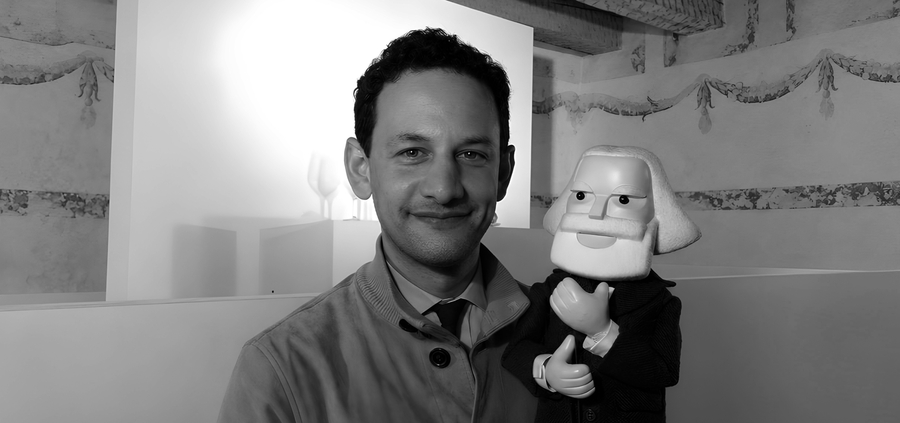
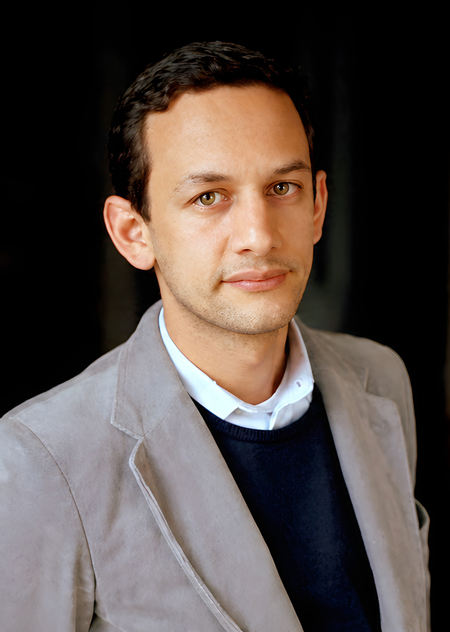
Jens Hoffmann is an curator of contemporary art, writer, and editor, known for his research-driven approach to curating exhibitions. He directed the CCA Wattis Institute for Contemporary Arts in San Francisco and served as the Assistant Director of Exhibitions and Public Programs at the Jewish Museum in New York.Hoffmann was born in San Jose, Costa Rica, in 1974. He initially studied theatrical direction and dramaturgy at the Ernst Busch Academy of Dramatic Arts in Berlin, then pursued further studies in the DasArts program in Amsterdam.
In his practice, Hoffmann merges theatrical thinking with art historical research. He views the exhibition as a standalone statement—one capable of reinterpreting established artistic canons and proposing new connections between works.
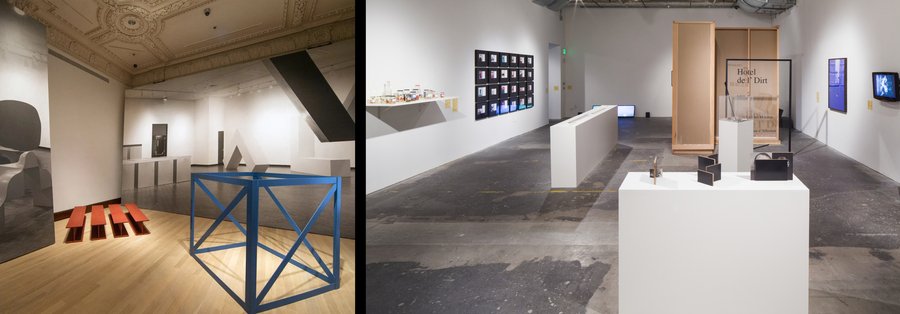
Key Professional Roles of Jens Hoffmann
Work in Theater and First Exhibition Projects
Theater am Turm — Frankfurt am Main, 1992–1994
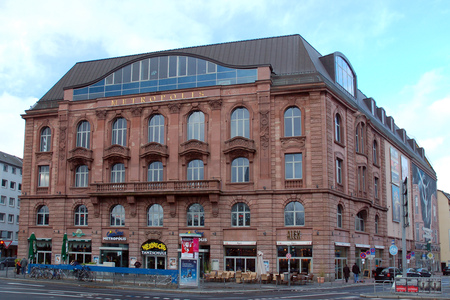
At Theater am Turm in Frankfurt am Main, Jens Hoffmann worked as a dramaturgy assistant under Tom Stromberg. At Theater am Turm, he participated in productions directed by and featuring groups such as René Pollesch, Stefan Pucher, Reza Abdol, Needcompany, Michael Laub, Jan Fabre, Baktruppen, Gob Squad, and Heiner Göbbels.
Performance Space 122 — New York, 1994–1995
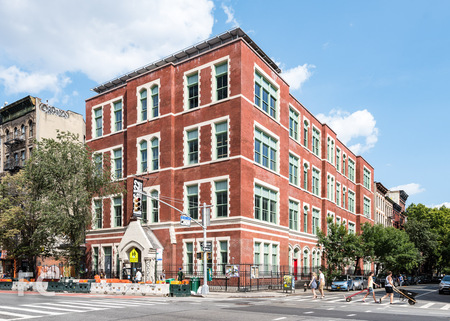
After Frankfurt, Hoffmann worked at Performance Space 122, an independent center for experimental performing arts in the East Village. Here, he served as an assistant producer, immersing himself in the environment of New York’s experimental theater and performance art. During this period, Hoffmann established professional contacts with members of The Wooster Group, including Spolding Gray and Ron Wouter, as well as with director Richard Foreman, the founder of Ontological-Hysteric Theater. He became acquainted with the work of John Malpie and the Los Angeles Poverty Department; the productions of Reza Abdollah significantly influenced him. This experience broadened his understanding of the political and emotional potential of performance and became an important stage in shaping his future curatorial approach.
Portikus — Frankfurt am Main, 1995
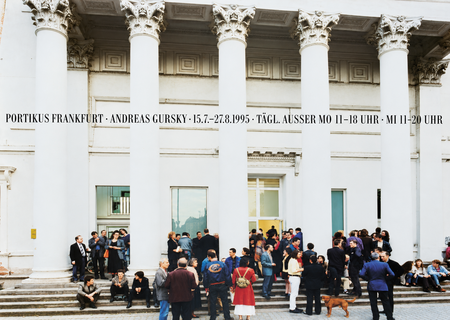
The next stage was an internship at Portikus, a contemporary art exhibition institution affiliated with the Städelschule art academy. Portikus was founded in 1987; during Hofmann’s internship, it was led by Casper König.This space focused on temporary exhibitions and direct engagement with artists.
Following his internship, in 1996, he began working as an assistant for exhibition projects at Dia Art Foundation in New York under the guidance of Lynn Cook.
Dia Art Foundation / Dia Center for the Arts — New York, 1996–1998
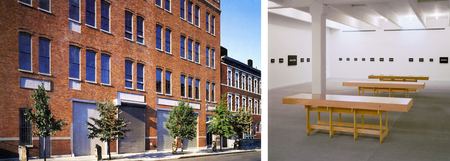
Work at Dia followed an internship at Portikus and preceded his move to the Solomon R. Guggenheim Museum in 1998. This phase marks the beginning of his professional work with contemporary art exhibitions.
Museum Work
Solomon R. Guggenheim Museum — New York, 1998–2000
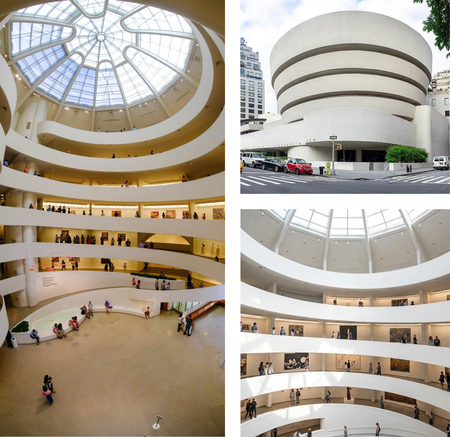
In 1998, Jens Hoffmann began working at the Solomon R. Guggenheim Museum in New York, where he held the position of Assistant Curator. This period continued his transition from theater work and involvement in independent art spaces to exhibiting practice within major museum institutions.
Kunstpalast Museum — Düsseldorf,
2001–2002
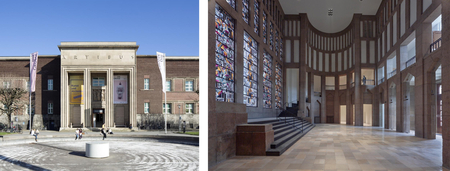
In 2001–2002, Hoffmann worked as a curator at Museum Kunst Palast in Düsseldorf under the direction of Jean-Juber Martens. Following his role as Assistant Curator in New York, this became the next phase of his professional career within the European museum environment.
This period was associated with the SPECTACULAR: The Art of Action project. It continued the trajectory close to Hofmann’s, owing to his theatrical background—an engagement with action and performative art forms.
Institute of Contemporary Arts — London, 2003–2007
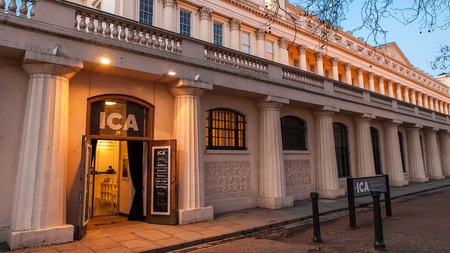
From 2003 to 2007, Hoffmann served as the Director of Exhibitions at the Institute of Contemporary Arts (ICA) in London. At the ICA, Hoffmann explored methods for selecting and curating works. For instance, in the project Artists’ Favourites: An Exhibition in Two Acts, artists were asked to select pieces by other creators that were significant to them. The exhibition showcased a system of personal preferences, professional connections, and artistic influences. In the project London in Six Easy Steps, invited curators sequentially presented their own perspectives on London’s artistic and cultural life.
CCA Wattis Institute for Contemporary Arts — San Francisco, 2007–2012
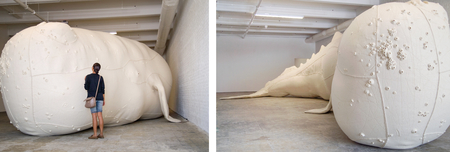
In 2007, Hoffmann led the Wattis Institute for Contemporary Arts, which is affiliated with the California College of the Arts. He remained the director until 2012 and simultaneously oversaw the Capp Street artist residency program. This period merged the leadership of an exhibition institution with the engagement of artists through the residencies.
At Wattis, his understanding of an exhibition as a dramatic construct became particularly clear. Hoffmann developed a trilogy of projects based on classic works of American literature: The Wizard of Oz (2008), Moby-Dick (2009), and Huckleberry Finn (2010).
Curatorial Projects
Institute of Contemporary Arts — ICA, London (2003–2007)
Around the World in Eighty Days (2006)
Position: Director of Exhibitions Programs