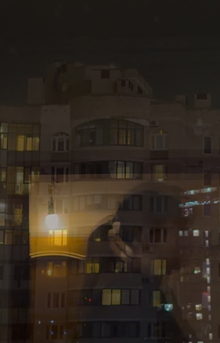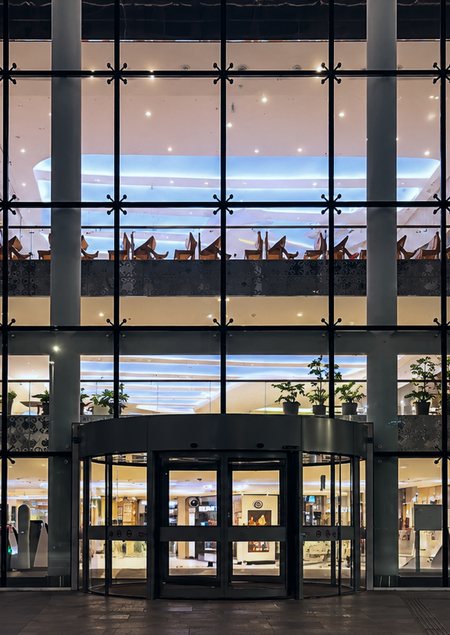
At night, the stores remain fully illuminated. Merchandise is displayed, windows are arranged, and the space recedes inward, inviting you to step inside. But the doors are closed, and no one is inside.The camera is positioned outside, looking in. The shot lingers longer than necessary to identify the location: the viewer has time to examine the interior, to wish they could be there—and then to press against the glass.This isn’t abandonment. Everything is perfectly functional and ready to receive people—it’s just unclear for whom.
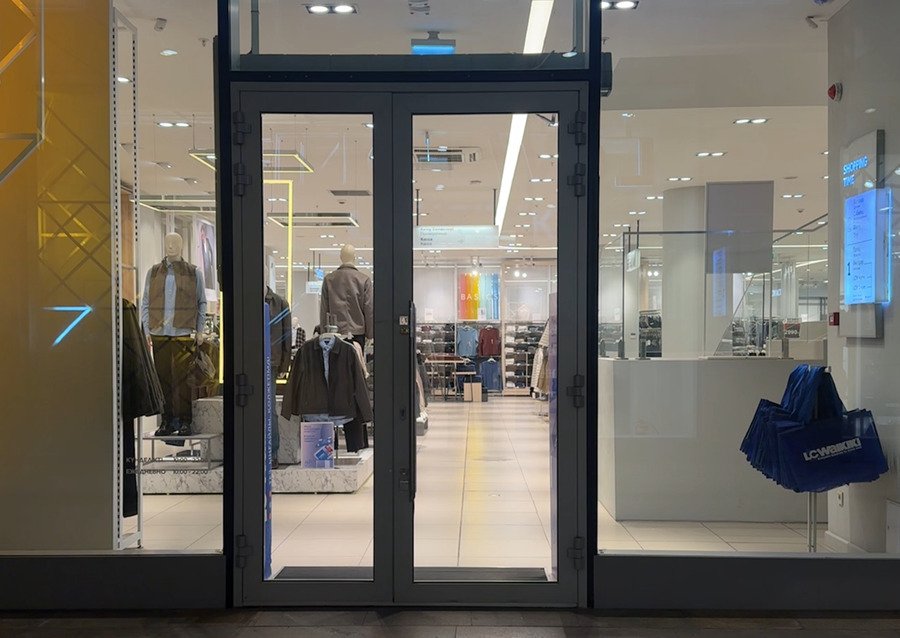
The space is not static—it is active. Information changes on the display, a light blinks, and a glowing ribbon runs along the window. The camera remains still; only the mechanism moves, which has no recipient.
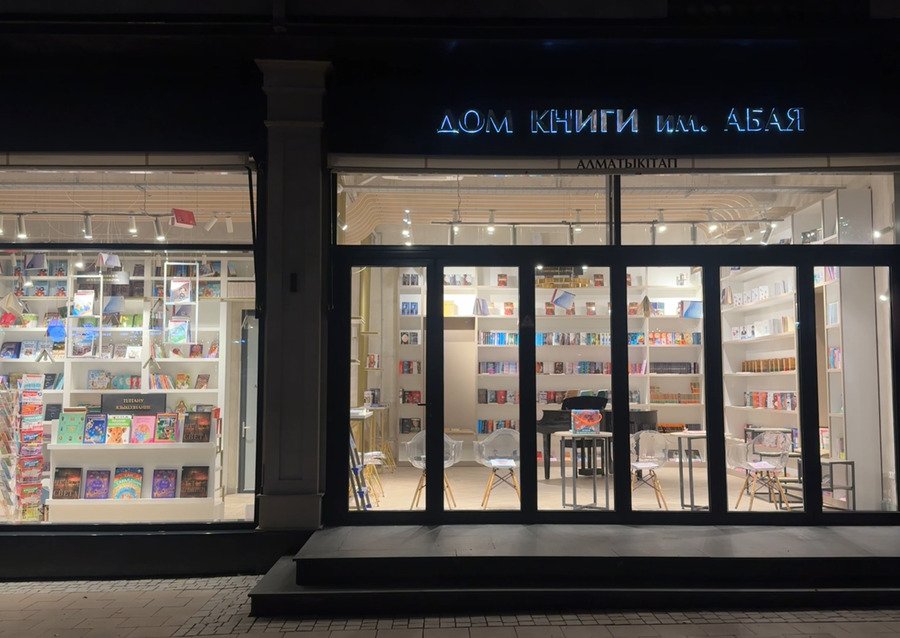
Every shot was captured according to one rule. The camera is strictly frontal, the glass is parallel to the plane of the frame—there are no angles or diagonals. The camera height is consistent across all shots, which is what transforms different locations into a single world.
There are no people or reflections of the author in the glass within the frame. The glints from passing car headlights were intentionally left in—this is the only indication that life is happening outside.
The editing only incorporates space with depth—a space where the viewer’s eye can wander.