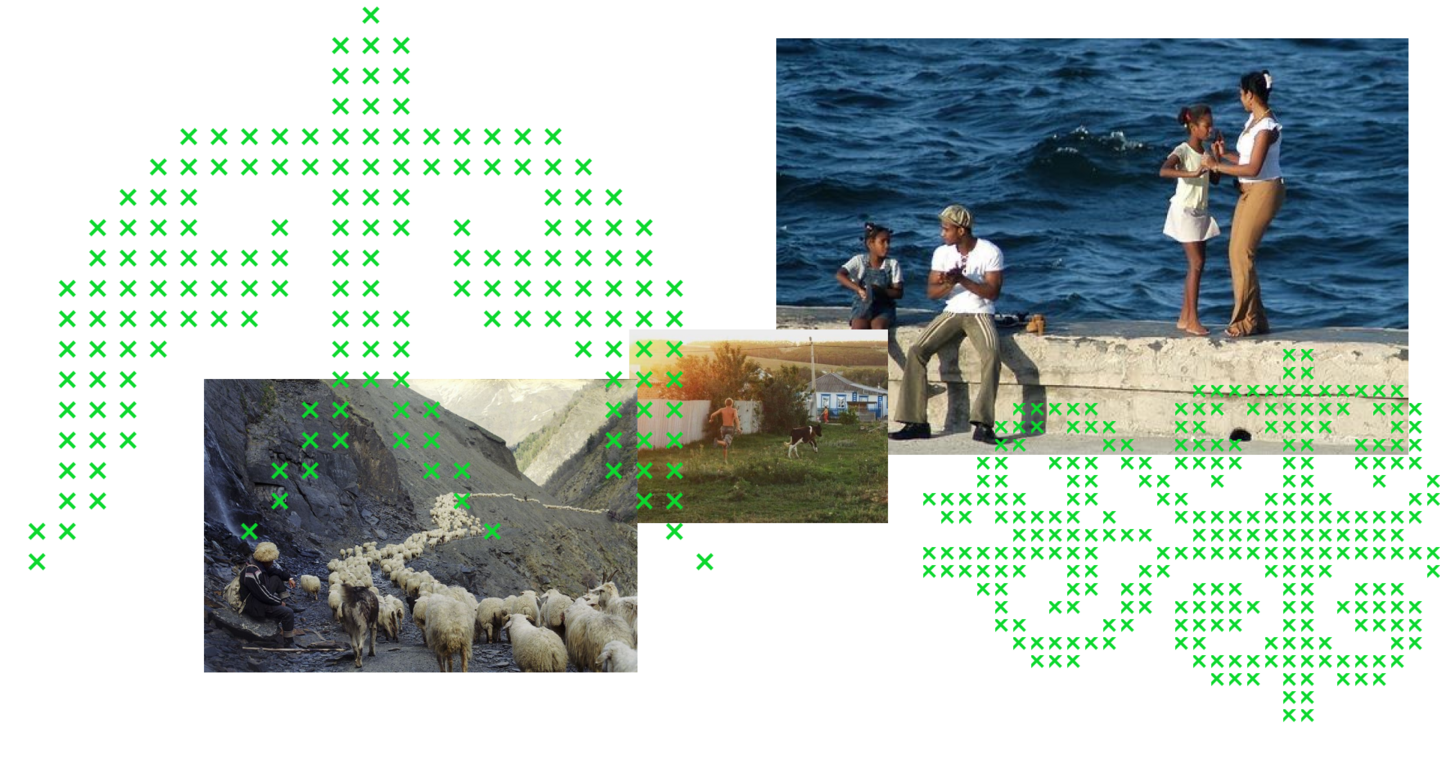
Media about the hidden meanings in everyday objects. Every day we encounter objects, symbols, words, and images, but we rarely stop to consider why they look the way they do, where they originated, or how they acquired their contemporary meaning.
Media Objective Description
Media Goal: To help the audience notice cultural meanings in everyday life and understand how history, society, art, and mass culture shape our perception of the world.Core Idea: Behind every familiar object lies a story we have stopped noticing.
Future Media Themes
Segment: culture, everyday history, visual culture, art, and design.Narrow Focus: the origin and transformation of meaning in familiar objects, images, symbols, and traditions.The media explores not just the history of how an object or phenomenon emerged, but how and why its meaning changed within society.
Core DisciplinesDiscipline Symbols and Meanings Fashion and Cultural Codes Color and Perception Everyday Objects Etymology Traditions and Rituals
Distribution Channels
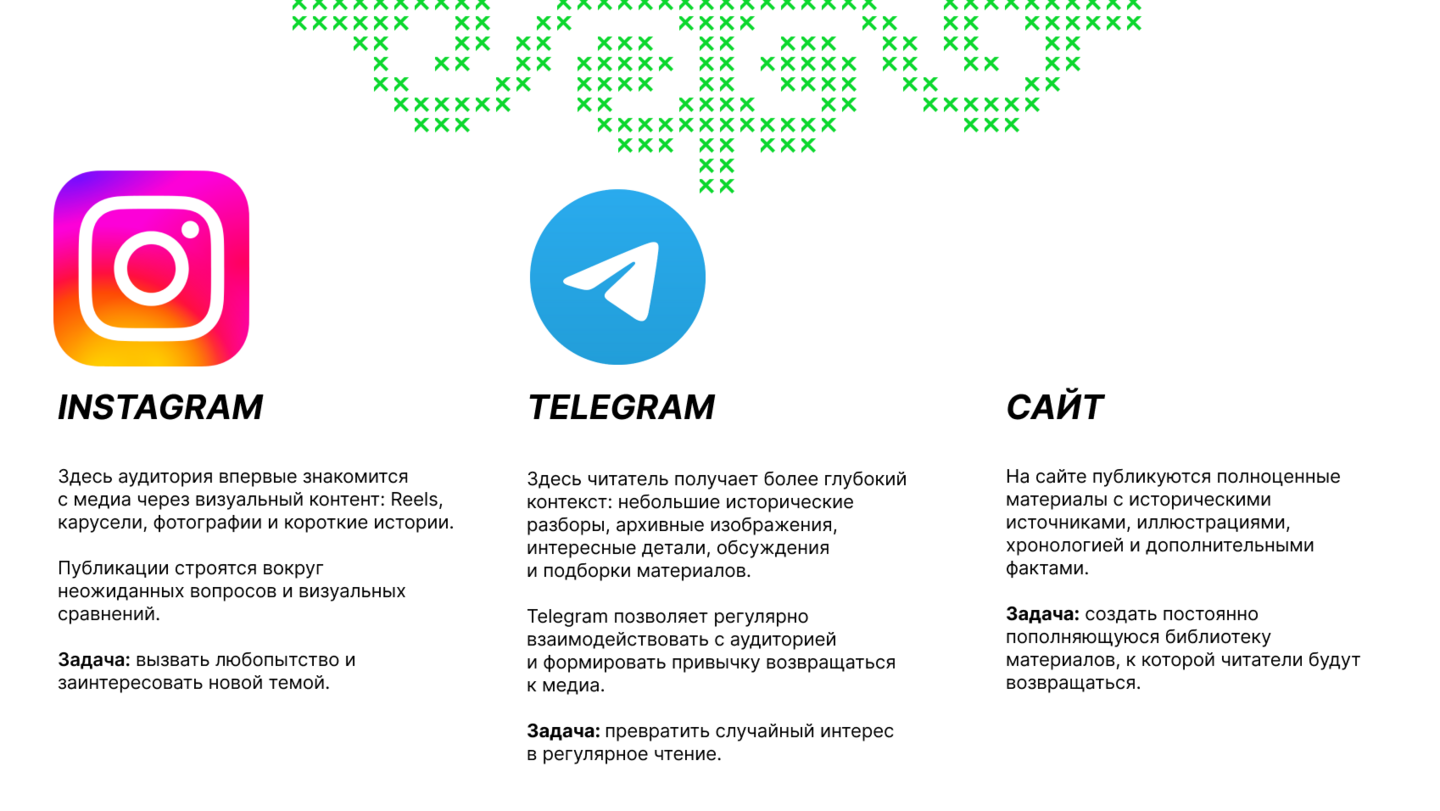
(recognized as an extremist organization and banned in the Russian Federation)
User Journey Instagram → interest in the topic → Telegram → detailed material on the website → return for new stories.
Target Audience Description
B2C Audience. Individuals interested in culture, history, art, and the surrounding world, but who may not have specialized education.The audience is segmented not by age, but by their motivation for engaging with media.
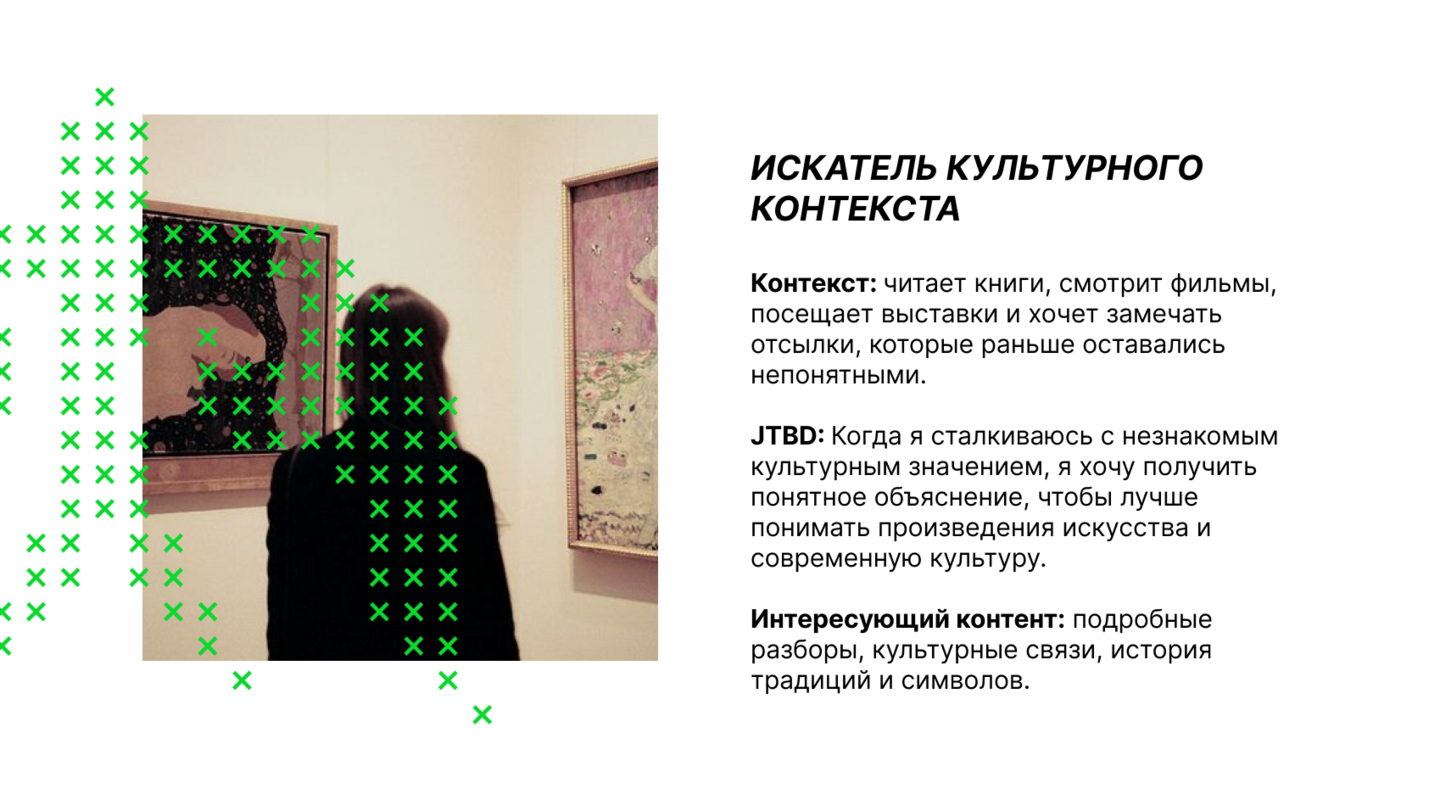
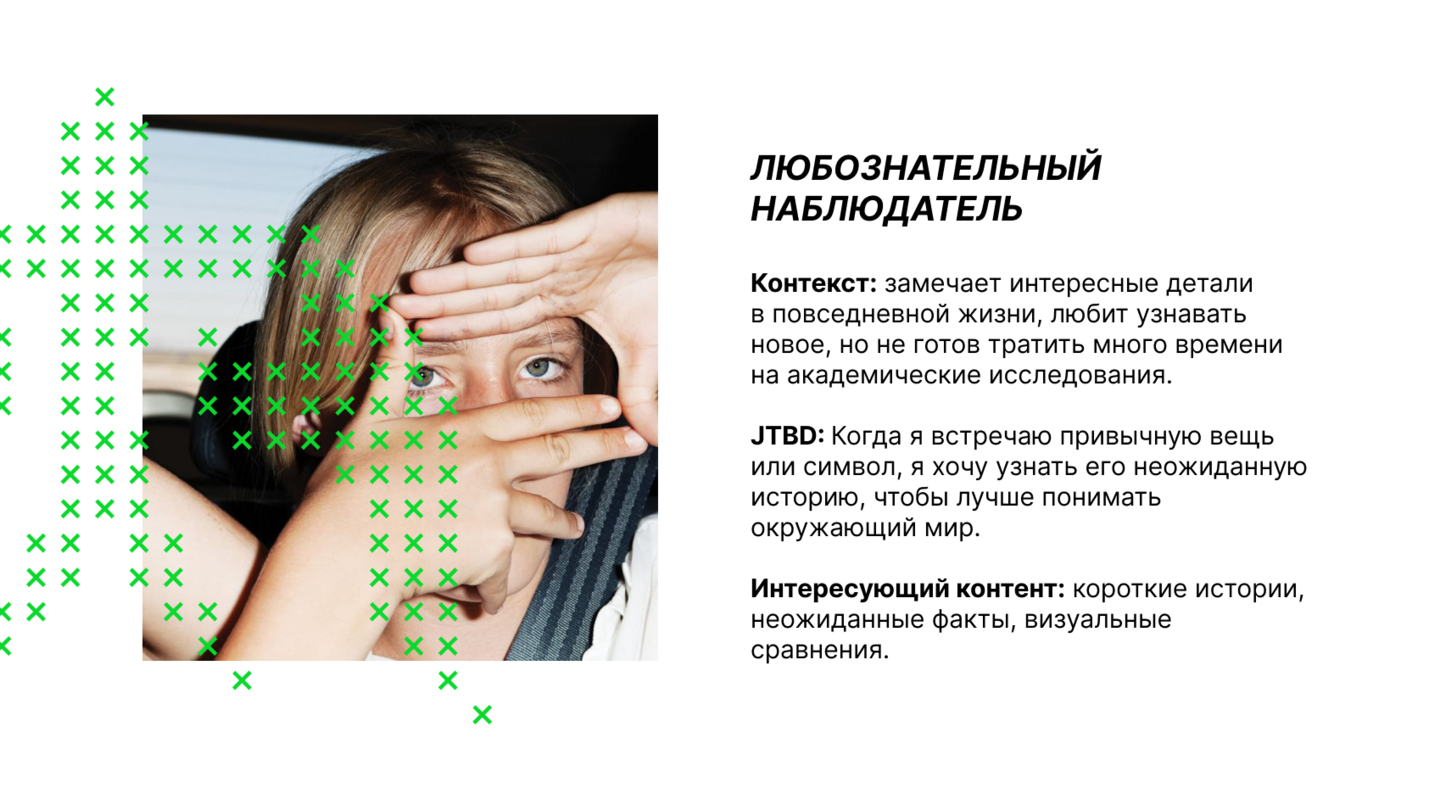
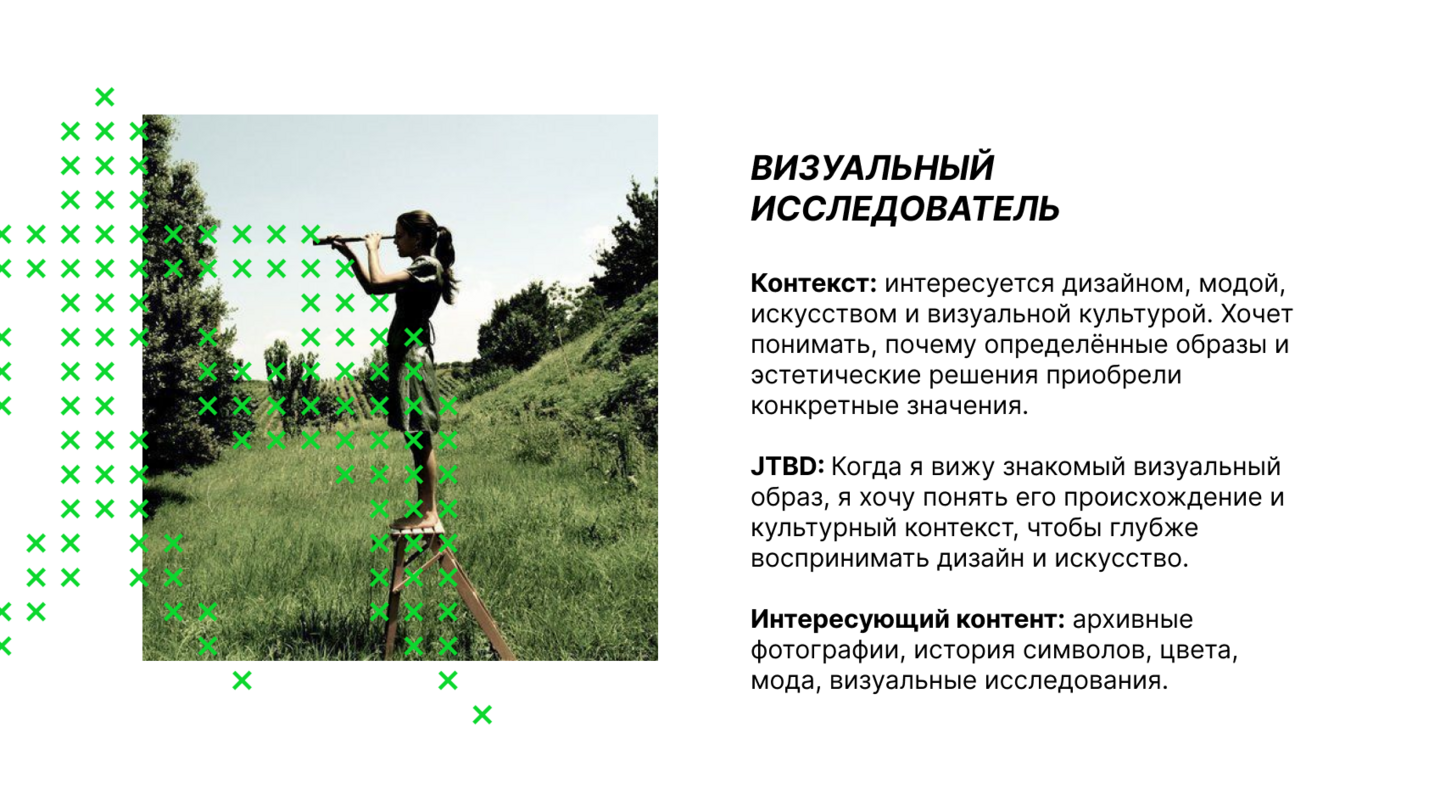
USP
Media explains why familiar objects mean what they do today.1. From the Familiar to the Unexpected Each piece begins with a familiar object, symbol, or tradition and reveals a history the reader hadn’t considered before.2. Not Just a Fact, But a Shift in Meaning The media illustrates how cultural meanings were formed, changed, and cemented within society.3. History Through Visual Evidence Archival photographs, works of art, advertisements, and objects from different eras help viewers see change, rather than just read about it.
Media Concept
UNSEEN is an automated media project that explores the origins and transformations of the meanings behind familiar objects, symbols, images, and traditions.
The project integrates history, design, art, and contemporary culture to illustrate how the past continues to shape our perception of everyday life. Each publication addresses four questions: what the phenomenon means today, where it originated, how its meaning has evolved, and why it persists in modern culture.
Half-Yearmatic Curriculum Plan
Content Plan Principle Each month is dedicated to one major theme, which is explored through several independent stories.
One researched topic is transformed into three formats: a visual post for Instagram, a short breakdown for Telegram, and a full article for the website.
Ten Content Samples
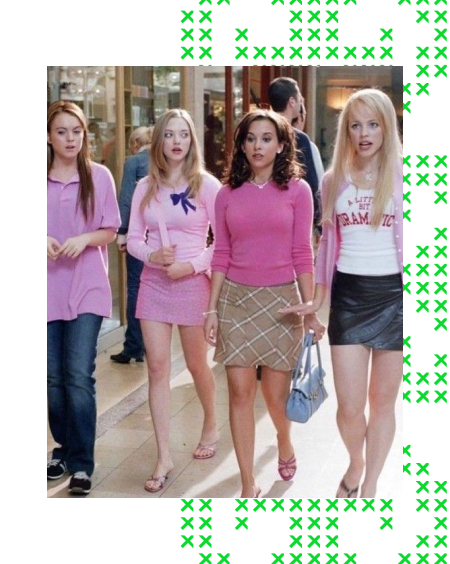
[1. Why did pink become the color of girls?] Platform: Instagram Format: carousel, 5 slides.Slide 1 — cover «Pink has not always been a girl’s color.»Slide 2 Today, pink is often associated with femininity. However, this association did not always exist.Slide 3 At the beginning of the 20th century, the notions of «boy colors» and «girl colors» were not yet established. In some recommendations, pink was suggested for boys, while blue was suggested for girls.Slide 4 In the mid-20th century, marketing, children’s clothing, and mass culture helped solidify the division that is familiar to us today.Slide 5 It turns out that even a color that seems like a natural symbol to us can be the result of cultural shifts.
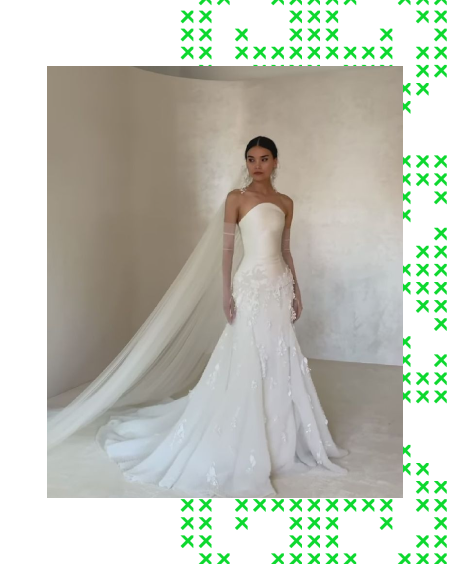
[2. Why is the wedding dress white?] Platform: Telegram Format: text + archival photograph. The white wedding dress is a tradition that was not always followed.Today, white color seems like an obligatory part of the bridal look. However, in the past, brides often married in dresses of various colors, choosing beautiful attire that they could afford.In 1840, Queen Victoria married in a white gown. Her look gained widespread recognition and influenced wedding fashion.Gradually, the white color became associated with the ideal bridal look, and later—with purity and innocence.It is interesting that the tradition we perceive as an age-old rule was largely shaped by fashion, public emulation, and mass culture.
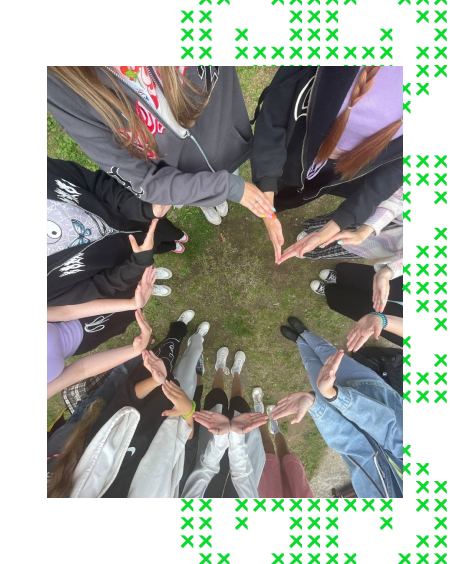
[3. How did the heart become a symbol of love?] Platform: Instagram Format: Reels, 30 seconds. Script0–5 seconds Shot: A modern heart symbol ❤️ Text: «Why does love look exactly like this?»5–12 seconds Shot: A medieval illustration depicting a heart. Voiceover: «The heart was associated with feelings long before modern emojis appeared.»12–20 seconds Shot: Vintage postcards, images of hearts in art. Voiceover: «The recognizable heart shape gradually became established in European visual culture as a symbol of romantic love.»20–27 seconds Shot: Modern messages, postcards, and emojis. Voiceover: «Today, we use this sign every day, without really thinking about its history.»27–30 seconds Text: «Every symbol has its story.»
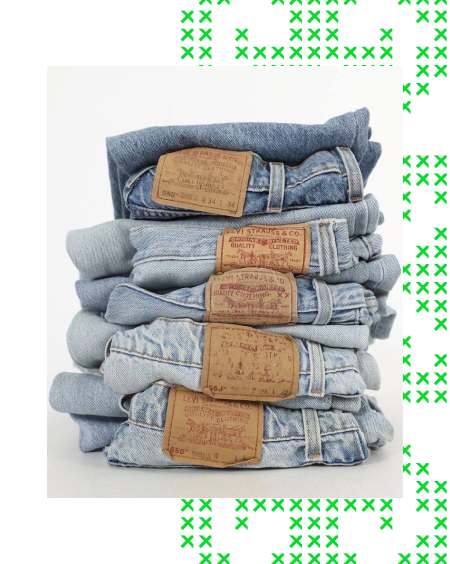
[4. How did jeans transform from workwear to a symbol of freedom?] Platform: Website Format: article + archival images.How did jeans become a symbol of freedom? Today, jeans are one of the most ubiquitous items in the wardrobe. They are worn regardless of age, profession, or social status. However, denim clothing was originally associated primarily with manual labor.In the 19th century, durable denim trousers became popular among American workers. The material was valued for its longevity and practicality…
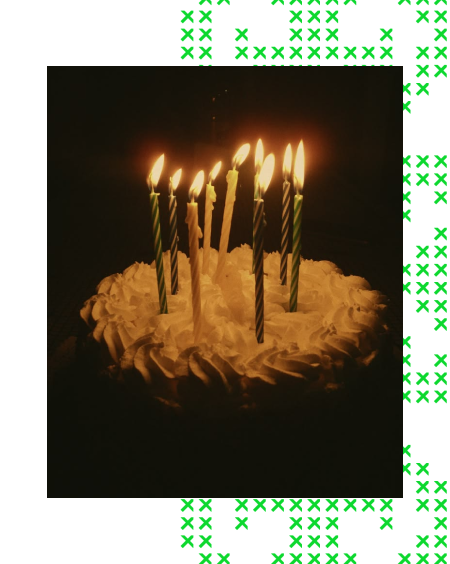
5. Why do we blow out candles on a cake? Platform: Telegram Format: text + image.Every year, we blow out the candles on a cake. But why? Today, this ritual seems like a natural part of a birthday. We make a wish, blow out the candles, and hope it comes true. The custom has a complex history. One of the important stages in its development was German birthday celebrations—Kinderfeste—where candles were used. Over time, candles on birthday cakes became popular in other countries as well. However, the origin of the tradition of making a wish is explained in various ways—there is no single, reliably established version. It turns out that even such a simple celebratory gesture combines history, tradition, and ideas about happiness.
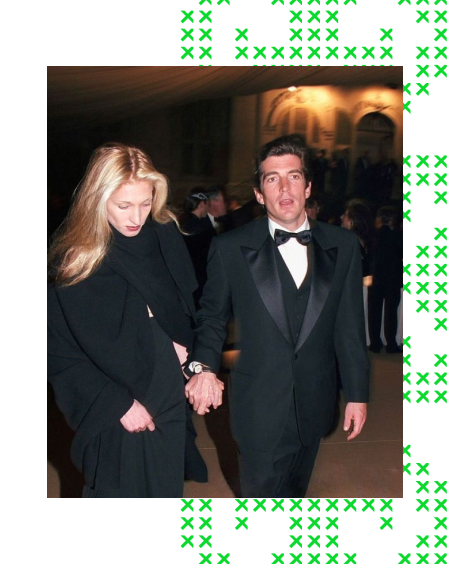
[6. Why did black become the color of elegance? Platform: Instagram Format: 5-card carousel.Card 1: «How did the color black become a symbol of luxury?»Card 2: Throughout different historical periods, the color black has been associated with mourning, power, religious austerity, and high status.Card 3: In European fashion, high-quality black clothing could be expensive and prestigious because achieving a rich, stable color required complex dyeing processes.Card 4: In the 20th century, the black dress became a symbol of modern elegance. Coco Chanel played a significant role in popularizing this image.Card 5: Today, black can signify formality, minimalism, protest, or luxury. Its meaning depends on the cultural context.
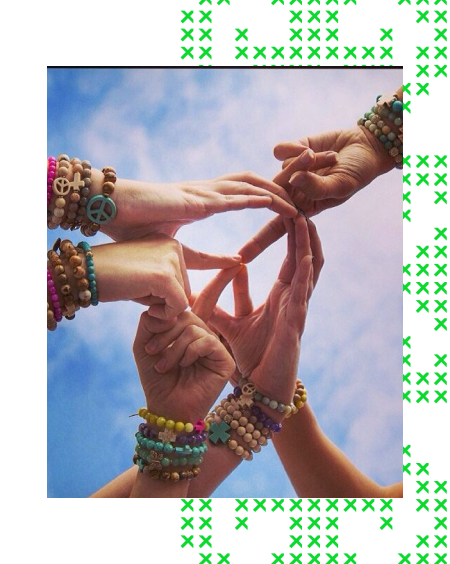
[7. Where did the peace symbol ☮ come from?] Platform: Instagram Format: Reels, 30 seconds. Script0–5 seconds Shot: close-up of the ☮ symbol. Text: «The hippies didn’t invent this symbol.»5–12 seconds Shot: archival photos of British anti-nuclear protests. Voiceover: «In 1958, British designer Gerald Holtom created this sign for the nuclear disarmament movement.»12–20 seconds Shot: graphic demonstration of N and D semaphore signals. Voiceover: «The symbol is based on a combination of signals representing the letters N and D—Nuclear Disarmament.»20–27 seconds Shot: anti-war movement posters from the 1960s. Voiceover: «Later, the sign became an international symbol of peace and anti-war movements.»27–30 seconds Text: «One symbol—a whole story.»