Navigator
1. Concept
2. Chapter 1. How the comic grid works and why you should break it?
3. Chapter 2. Capturing the reader’s attention
4. Chapter 3. Controlling time
5. Chapter 4. Eliciting emotion
6. Conclusion
7. Bibliography
Concept
In graphic narrative, the comic panel grid can be perceived as a technical layout framework—a way to organize characters’ images and dialogue on the page. However, in psychological drama, the modular structure of the page becomes a full-fledged directorial and psychological tool. The size, proportions, relative placement of frames, and the negative space between them directly influence the reader’s perception, allowing the author to convey a character’s internal crisis, depressive numbness, fear, or moments of long-awaited peace without a word. My goal with this visual study is to investigate and systematize the techniques by which the comic grid and its deliberate disruption construct dramatic narrative. This work is applied, as I intend to use these observations to create an original graphic novel for my senior project, focusing on the young adult and psychological drama genres. Three seminal works from the 21st century were chosen as research material, united by themes of growing up, experiencing loss, internal crisis, and the salvific power of human connection. I believe that the potential for manipulating the comic grid is most vividly revealed in such narratives. Therefore, for this study, I selected the following works: Craig Thompson’s «Blankets» (2003), Joe Kelly and Ken Niemaru’s «I Kill Giants» (2008), and Tatsuki Fujimoto’s «Look Back» (2021). Such a comparison allows one to trace the evolution of visual techniques from one author to another, because in each of these stories, the breakdown or transformation of the familiar grid acts as a direct metaphor for the character’s state. My methodology is based on a sequential visual analysis of key pages and spreads. By observing the composition of the page, I examine the grid across three main dimensions: as a method for capturing the reader’s attention and establishing the viewing path; as a tool for managing the internal time of a scene; and as a means of evoking strong emotions through frame distortion, scale contrast, and the use of negative space.
Chapter 1. How is a comic panel structured, and why break the rules?
The comic page is a space, and the artist’s job is to utilize that space effectively. Comic theory classics Will Eisner and Scott McCloud broke down this mechanic into specific building blocks and the rules governing their interaction. In his foundational book, Comics and Sequential Art (1985), Eisner views the page not as a collection of discrete images, but as a metacard. The panel becomes the basic unit of time measurement, and the panel border functions as a container for action and emotion. McCloud expanded on Eisner’s ideas by shifting the focus to the psychology of perception and how the reader actively constructs the narrative.
«Creating a Comic, ” Scott McCloud
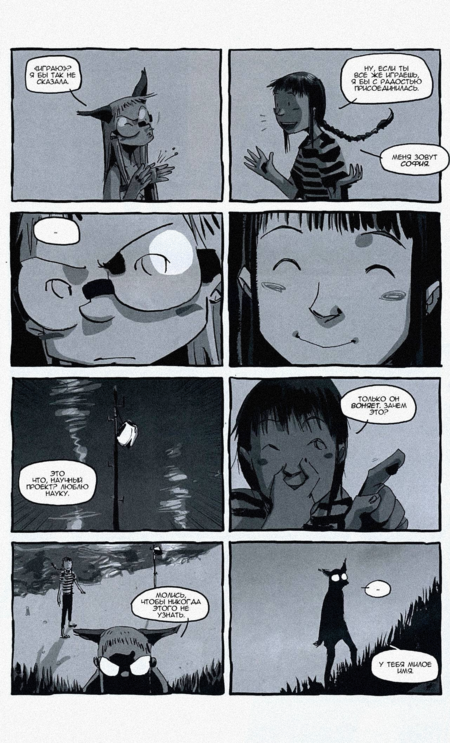
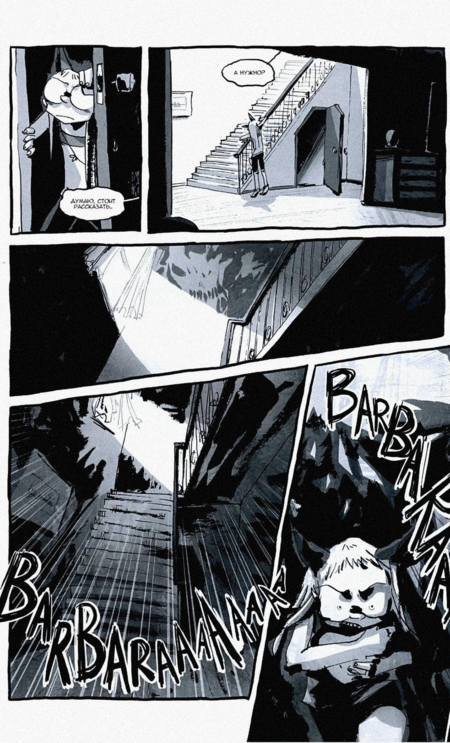
Strictly speaking, the comic panel grid is a tool for distributing frames and the negative space between them, managing the reader’s attention. The following example—two consecutive pages—clearly illustrates the difference between even dialogue and a page where the rhythm is increasingly cut with every frame until it breaks out in a yell.
«I Kill Giants, ” Joe Kelly and Ken Niemura
«Blankets, ” Craig Thompson
The absence of a frame creates a sense of limitless space, while a serrated or wavy shape conveys tension, memory, or dream. Aisner linked the size and number of panels on a page to the pacing of the narrative. Numerous narrow, tightly packed panels accelerate the action, whereas a single full-page panel (splash page) slows down time and captures a climax.


«Look Around, ” Tatsuki Fujimoto
In the regular grid, all elements adhere to a strict order. As seen on the first page of «I Kill Giants, ” the uniform frames with consistent margins create a sense of stability and the familiar passage of time. The reader’s gaze moves smoothly across the page.
But then, why break the grid?
In psychological drama, this norm inevitably breaks down. When a character encounters grief, a panic attack, depression, or the intrusion of frightening fantasies into reality, the neat grid fails its purpose: the calm form begins to contradict the anxious content. The deliberate breaking of the grid becomes the artist’s primary method for disorienting the reader, disrupting the familiar rhythm of reading, and transferring the character’s internal chaos directly onto the page.
Chapter 2. Capturing the Reader’s Attention
«Comic Creation,» Scott McCloud
In a typical comic book, we read along a Z-path—from left to right, top to bottom. However, in psychological drama, the author needs to make the reader latch onto a vital detail, experience a jolt of surprise, or feel the hero’s disorientation.
Application 1. Scale Contrast
«Look Around, ” Tatsuki Fujimoto
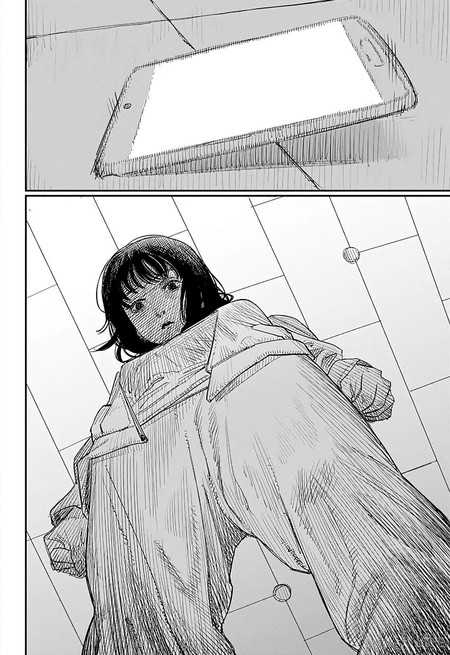
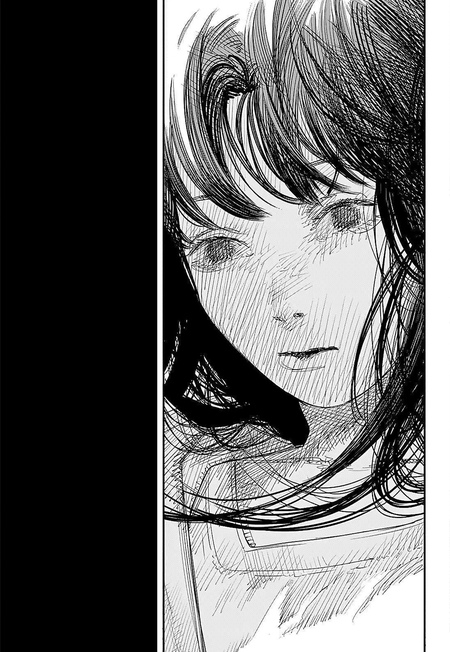
«Look Around, ” Tatsuki Fujimoto
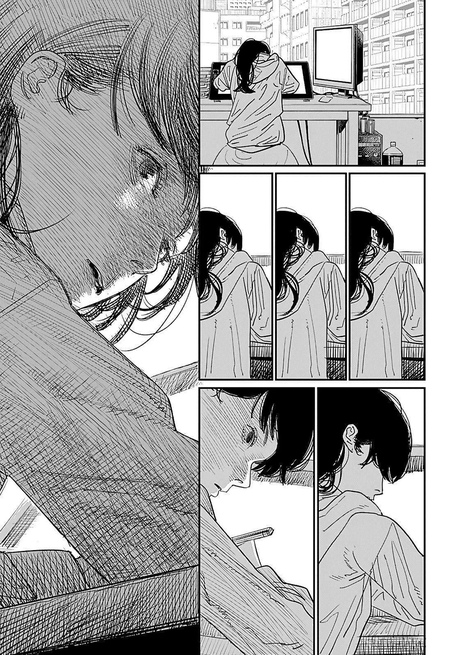
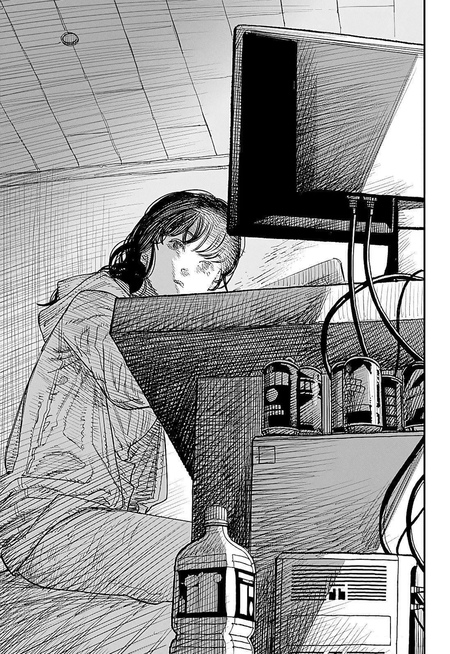
The page features several small frames showing reactions or a sequence of events, and then the gaze focuses more and more intensely. Fujimoto even employs solid black fill to narrow the page, build tension, and create a claustrophobic feeling. All attention is naturally drawn to one huge, dominant frame. It functions as a visual anchor because, as soon as the reader opens the page, their eye lands on the main image first, and only then returns to the smaller details to read the rest. The author intentionally breaks the linear reading order to first focus attention and set the tone, and only later explain the context.
Admission 2. Violation of Reading Order
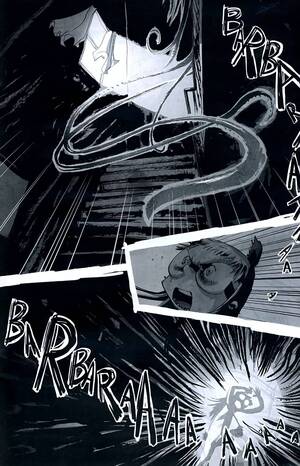
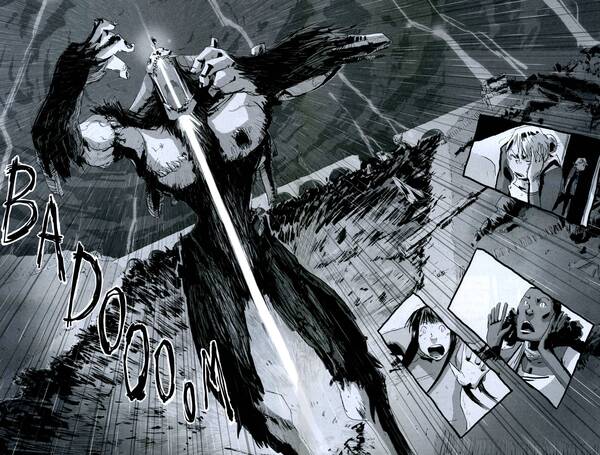
«I Am Killing Giants, ” Joe Kelly and Ken Niemura
When frames lose their crisp horizontal lines and begin to overlap, the reader’s eye loses its familiar path. The reader is forced to search for the next frame visually, scanning the page diagonally or in circles. This visual disorientation directly conveys the character’s state: chaos, panic, loss of control over reality—the moment thoughts become tangled and the world around them begins to crumble.
Admission Round 3. Guidelines
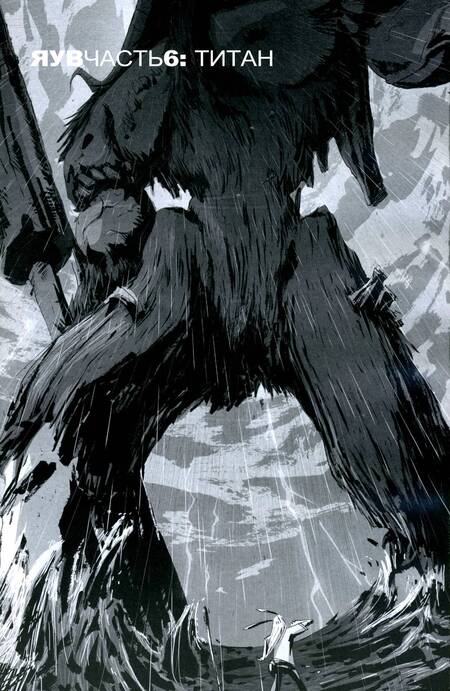
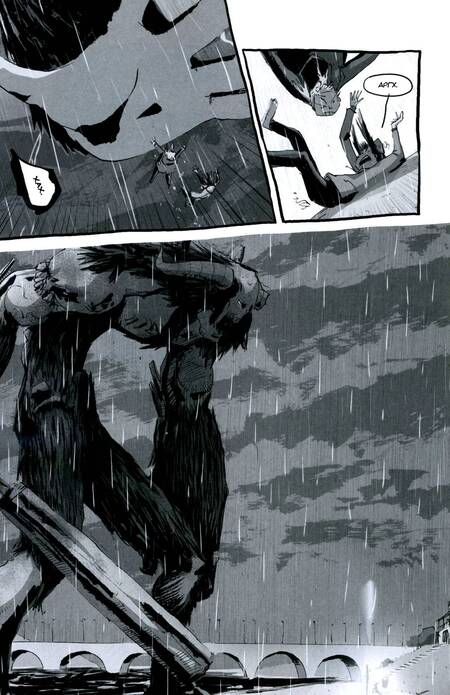
«I Kill Giants, ” Joe Kelly and Ken Niemura
Scale inevitably draws attention; this is emphasized through contrast. The reading direction is supported by leading lines—such as on the second page—where the monster’s gaze and club are directed diagonally, maintaining the previously established dynamism.
Chapter 3. Time Management
«Comic Creation, ” Scott McCloud