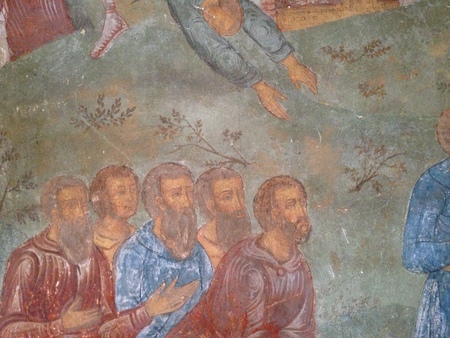

MOKKO. AISH. HALI.
CONTENTS
[1] Communication theory in the field of design
[2] Presentation for a general audience
[3] Presentation for a professional audience
[4] Communication theory as basis for presentations
Communication theory in the field of design
Communication theory structures how brands convey meaning through design elements, where the sender encodes messages via visual and material signs, and receivers interpret them through cultural lenses. In product design for food serving, this manifests as a semiotic system: rounded forms evoke protection and warmth, ceramic textures signal tradition and tactile comfort, while multi-tiered structures suggest family rituals and shared gatherings.

MODOVOY in the interior.
MODOVOY is a brand of ceramic tiered stands inspired by the «Domovoy» — a character from Slavic mythology representing the guardian of the hearth. By integrating this mythological narrative into a functional object, the product serves as a mediator in family communication, fostering interactions between generations (adults and children) during the ritual of a meal, particularly within the context of Maslenitsa.
From a semiotic perspective (referencing Craig’s traditions), the MODOVOI stand functions as a system of signs where the physical form carries deep cultural meanings.
Materiality: The use of ceramics acts as a symbol of «earth,» tradition, and warmth, contrasting with the coldness of modern industrial materials.
Form and Modularity: The «constructor» nature of the stand acts as a signifier of adaptability and co-creation. The ability to assemble and move elements allows the user to physically manipulate the «spirit» of the home, symbolizing that family comfort is something actively built, not just passively received.
The Characters: The specific models—MOKKO (Water), AISH (Fire), and HALI (Earth)—serve as symbols of the elemental balance required for harmony in a home. They are non-verbal texts that communicate specific moods (energy, stability, or flow) to the participants of the feast.
MOKKO. HALI. AISH.
The phenomenological approach is equally essential to understanding MODOVOI. This perspective suggests that communication is an experience of self and others through dialogue. MODOVOI creates a specific context for this dialogue. The object does not exist separately from the user; its meaning is realized through the tactile experience of assembling the «Modovenok» (the little spirit) and the social experience of the family meal. The stand invites family members to engage in a shared activity—turning the setting of a table into a playful, bonding process. It shifts the focus from the consumption of food to the atmosphere of the gathering.
Construction.
Furthermore, the project aligns with Walter Fisher’s Narrative Paradigm. Humans are storytelling animals, and MODOVOI provides the props for a coherent cultural narrative. The brand does not offer dry facts about tableware; it offers a story about the «Domovoy» protecting the family. Narrative Fidelity: The values embedded in the object (kindness, family, tradition) resonate with the audience’s existing beliefs about what a happy home should feel like.
Colors and patterns.
Logic of Good Reasons: Users choose MODOVOI not just for its function, but because the story it tells aligns with their desire for «semeinyi uyut» (family comfort). The main communication role of MODOVOI is to act as a symbolic anchor in the fast-paced modern world, grounding the user in the «timeless time» of mythology and family connection. By interacting with the object, users reproduce the social order of the traditional family feast, creating a shared reality where the values of the past are actively integrated into the present.
Presentation for a general audience
Who is MODOVOY?
MODOVOY is the materialized soul of the kitchen table, a modern reincarnation of the Slavic «Domovoy» (household spirit) adapted for contemporary life. It serves as a physical anchor for family values, bridging the gap between ancient folklore traditions and the modern need for domestic comfort.
Key visual: A heartwarming, atmospheric video set during a Maslenitsa feast. It focuses on the tactile experience: hands (both adult and child) assembling the ceramic tiers like a constructor, steam rising from fresh pancakes, and the «Modovenok» stand sitting centrally as the guardian of the meal. The emphasis is on warmth, texture, and the bond between generations.
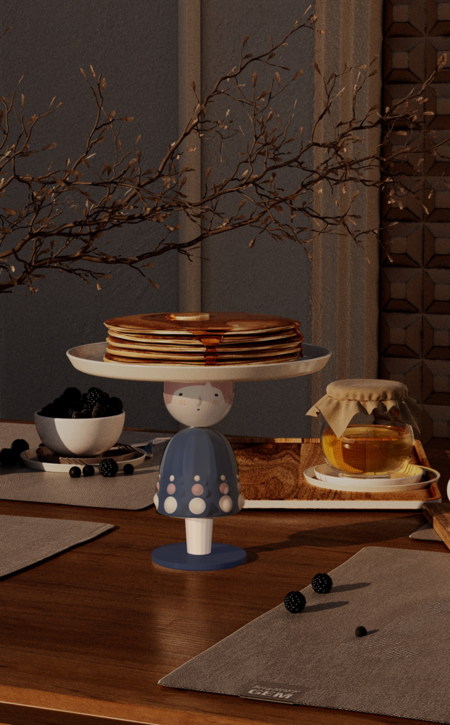

MODOVOY in the interior.
Target audience and key message
Target audience: Families seeking to strengthen their domestic rituals, hosts who value aesthetics and hospitality, and individuals interested in cultural heritage and modern craft. This includes parents wanting to engage children in table setting and adults looking to create a «safe haven» at home.
Key message: «Assemble warmth. Serve tradition. Keep the spirit.»
Communication goal: Transform MODOVOI from a piece of tableware into an active participant in family gatherings—a «member of the family» that facilitates the ritual of togetherness
Theoretical Framework: How We Deliver the Message (ELM)
Since household decor appeals to emotions and aesthetics, we utilize the peripheral route of the Elaboration Likelihood Model (ELM). We do not focus on the chemical composition of the ceramics (central route argument), but rather on peripheral cues that trigger positive associations:
Liking and Warmth: Using high-quality visual rhetoric (lighting, colors) to evoke feelings of safety and comfort associated with the «Domovoy.»
Consistency: Tapping into the audience’s existing values regarding family traditions (Maslenitsa) and the desire for a harmonious home.
Authority of Heritage: Positioning the product not just as a design object, but as a continuation of Slavic cultural wisdom.
Brand Values and Community Building
MODOVOY promotes three key values that foster a community based on Symbolic Convergence Theory:
Heritage: The brand revives the «fantasy theme» of the Domovoy (Mokko, Aish, Hali), allowing users to bring a mythical protector into their reality.
Co-creation: The modular «constructor» design invites users to be playful. By changing the elements, the user actively constructs their own version of the «spirit,» making the experience personal.
Harmony: The product creates a «shared rhetorical vision» of a happy, well-fed, and protected family. Owning a MODOVOY signals belonging to a community that values slow living and family bonds.
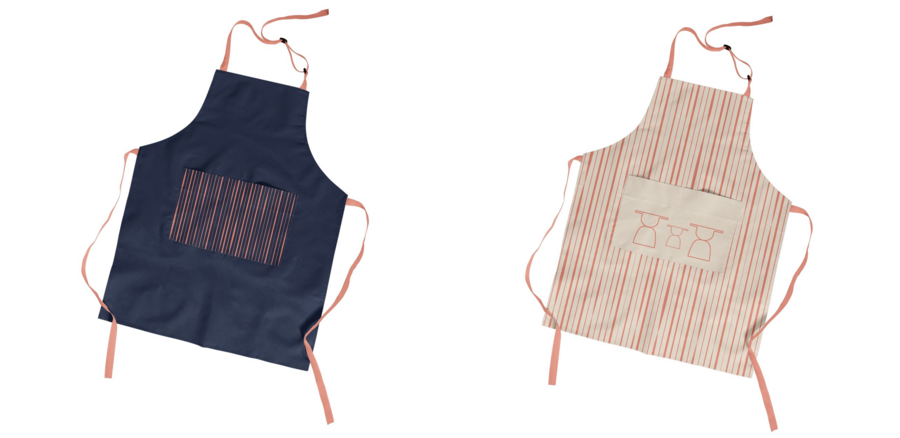
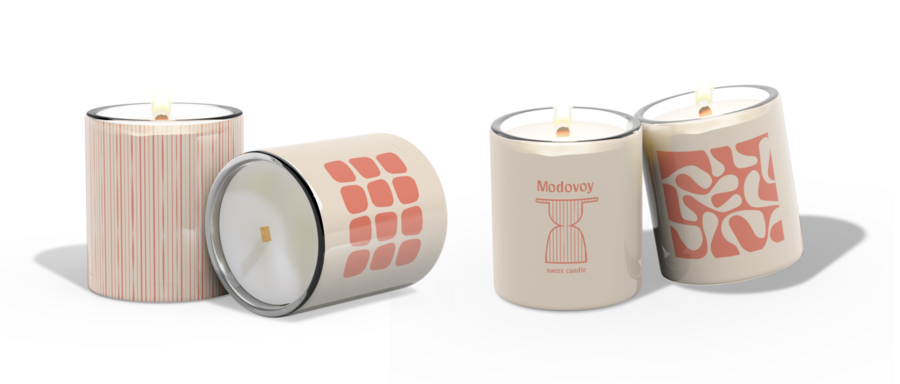

Products.
Promotion strategy and engagement mechanics
Communication channels: VK, YouTube, Telegram, TikTok: Aesthetic visuals focusing on the «mood» of different spirits (e.g., MOKKO for calm breakfasts, AISH for festive dinners).
Family Influencers: Collaborations showing the «assembly» process as a game for children. Seasonal Campaigns: Targeted content around Maslenitsa and family holidays.
Key engagement mechanic: The #MyModovoySpirit Challenge. Users are invited to assemble their stand in unique configurations and share photos of their family feasts.
This mechanic relies on the Narrative Paradigm. Users are not just posting food photos; they are telling the story of their family’s «hearth.» By sharing how they use the stand (the constructor), they actively participate in the brand’s storytelling, proving that tradition is alive and adaptable.
Social media.
Presentation for a professional audience