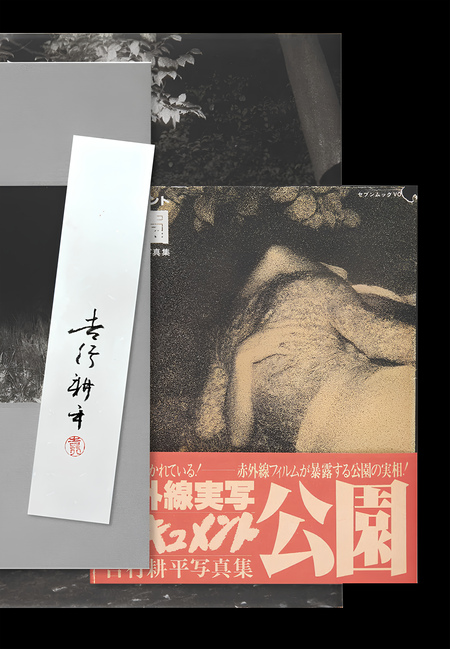
(01) CONCEPT
Rationale for Topic Selection
The choice of research topic is dictated by the unique standing of Japanese book design within global visual culture. Japanese covers form a distinct layer of graphic language that unites artisanal tradition, high typographic culture, and technological innovation. Unlike Western book design, where market strategies and marketing models dominate perception, Japanese covers are often structured around an author’s concept, materiality, and a specific manipulation of rhythm, emptiness, and page structure. These characteristics make Japanese books visual objects that demand study in and of themselves.
Material Selection Principle
The material selection principle is built upon a combination of representativeness and chronological sequence. For this study, visual objects were chosen that demonstrate the characteristic features of the period, allow for tracing the evolution of formal solutions, and reflect the diversity of existing practices. The selection is not limited to a single genre or direction; on the contrary, including heterogeneous material provides the opportunity to identify general patterns, compare various aesthetic strategies, and understand how they coexisted within a single cultural field. The chronological principle enables the analysis of changes, the emergence of new visual models, and the transformation of former ones. This approach allows the material to be viewed as a dynamic system, subject to internal and external influences.
The Principle of Rubrication
The principle of research categorization is based on chronological analysis as the most precise method to trace the evolution of visual language. With this approach, visual characteristics are determined based on real objects. This allows us to avoid oversimplified schemas and instead examine the diversity of aesthetic strategies that existed concurrently. Such a structuring provides a comprehensive picture of the development of Japanese book design, based on observing actual visual solutions.
Principle of Selecting and Analyzing Textual Sources
The principle for selecting textual sources is based on the need to combine theoretical and contextual foundations. The basis for analysis consists of academic and critical texts dedicated to visual culture, design, media analysis, semiotics, and art history. These materials allow for the construction of a methodological framework for the research—defining how visual objects can function as sign systems, what categories can be applied to their study, and which theoretical approaches offer the most productive tools. Supplementary sources—articles, catalogs, interviews, and historical period studies—help situate the visual material within a broader cultural context and clarify the conditions of its creation.
The key research question
How do Japanese book covers reflect the cultural, aesthetic, and technological specificity of Japanese visual thought, and how are their form and function changing?
Hypothesis
The hypothesis is that Japanese book design has evolved as a system of parallel practices, where traditional aesthetics, technological progress, and authorial concepts mutually influence one another. This very multi-layered nature shapes a unique visual language, which makes Japanese books distinctive in the global context.
(01) HISTORICAL CONTEXT
Post-war Japan was a period of intense modernization, where a new visual culture emerged amid economic growth and cultural transformation. In this environment, graphic design began to establish itself as an independent profession and a vital component of visual communication. As early as the 1960s and 1970s, designers strove to synthesize traditional Japanese aesthetic principles with Western printing technologies, crafting unique visuals characterized by minimalism, structural clarity, and experimental typography.
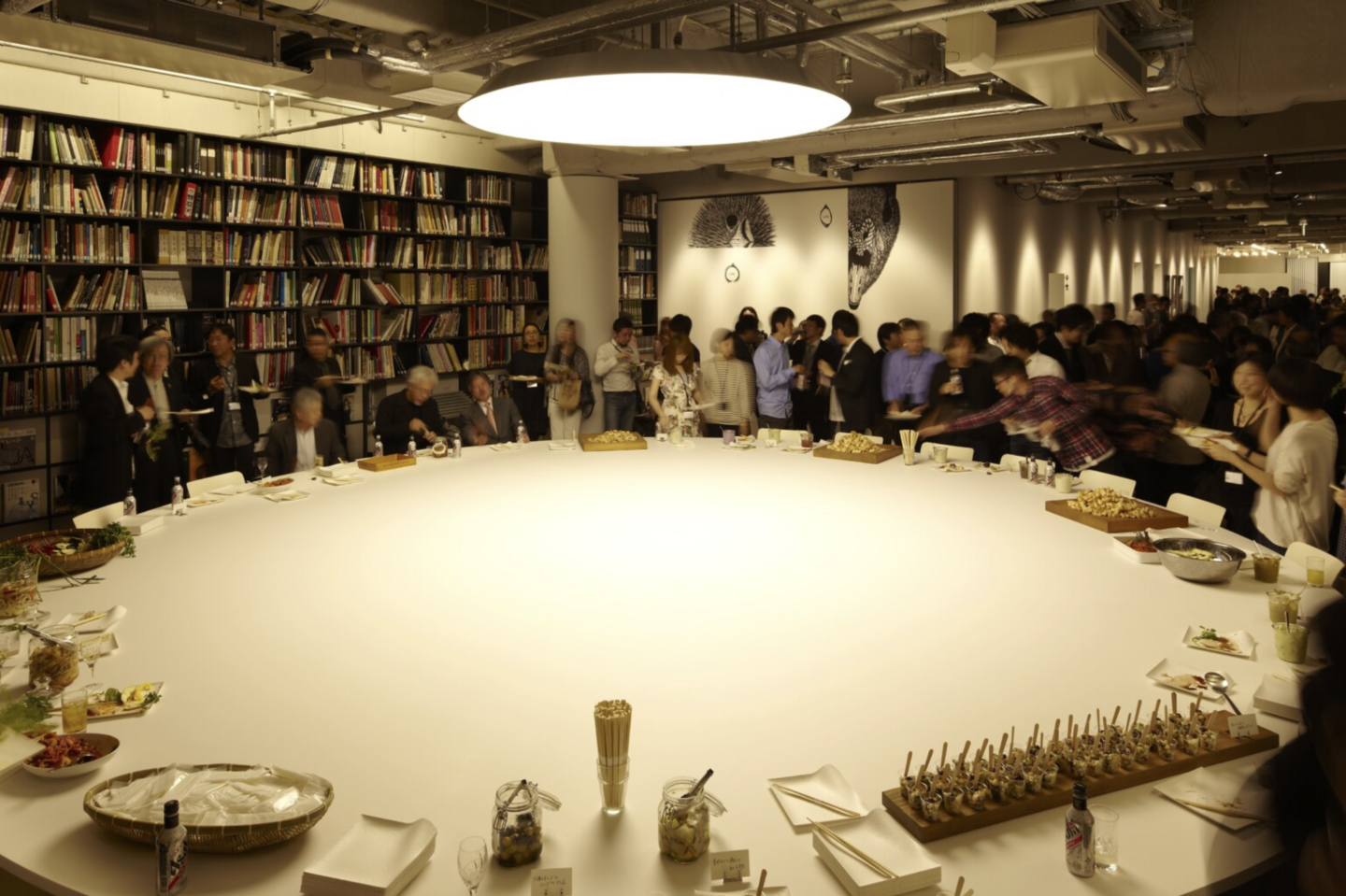
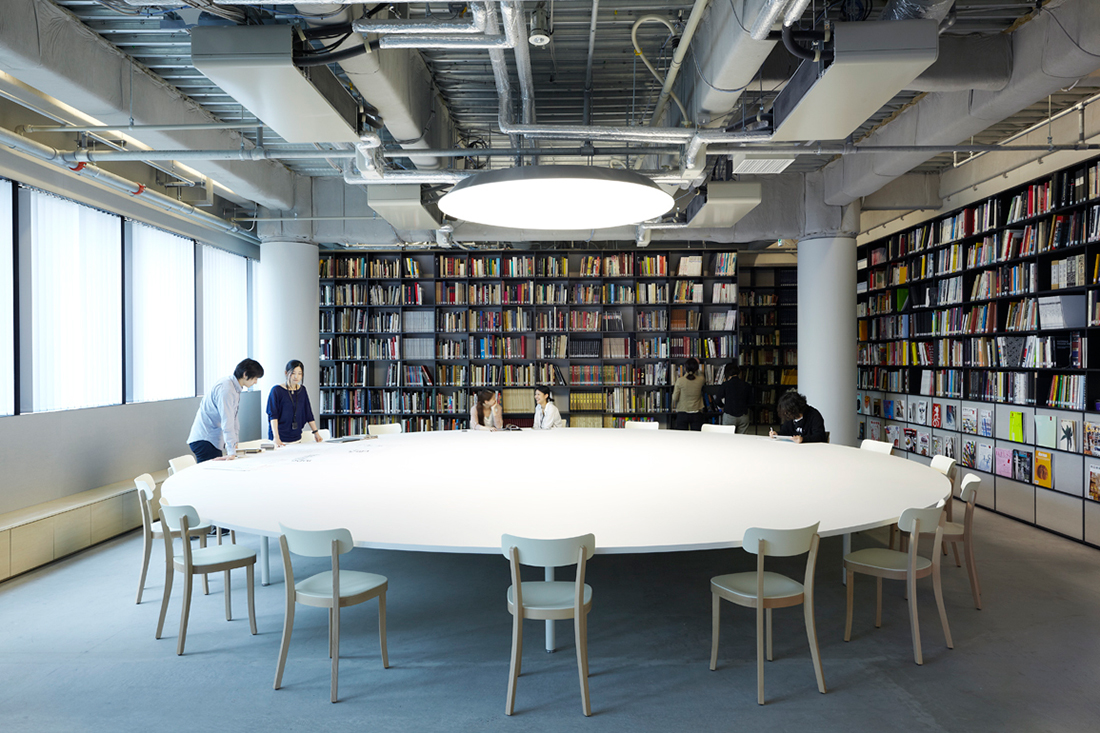


Nippon Design Center (NDC), Tokyo, was founded in 1959.
Institutions and professional associations played a key role in the development of graphic design. The Nippon Design Center (NDC) became a hub for professional consulting and art direction, where the visual identities of major brands and publishers were developed. JAGDA created a platform for exchanging ideas and promoting design standards. The journal Idea documented the evolution of Japanese graphic design, typography, and visual culture, publishing works by both established masters and emerging artists, allowing readers to trace the evolution of the book’s visual language.
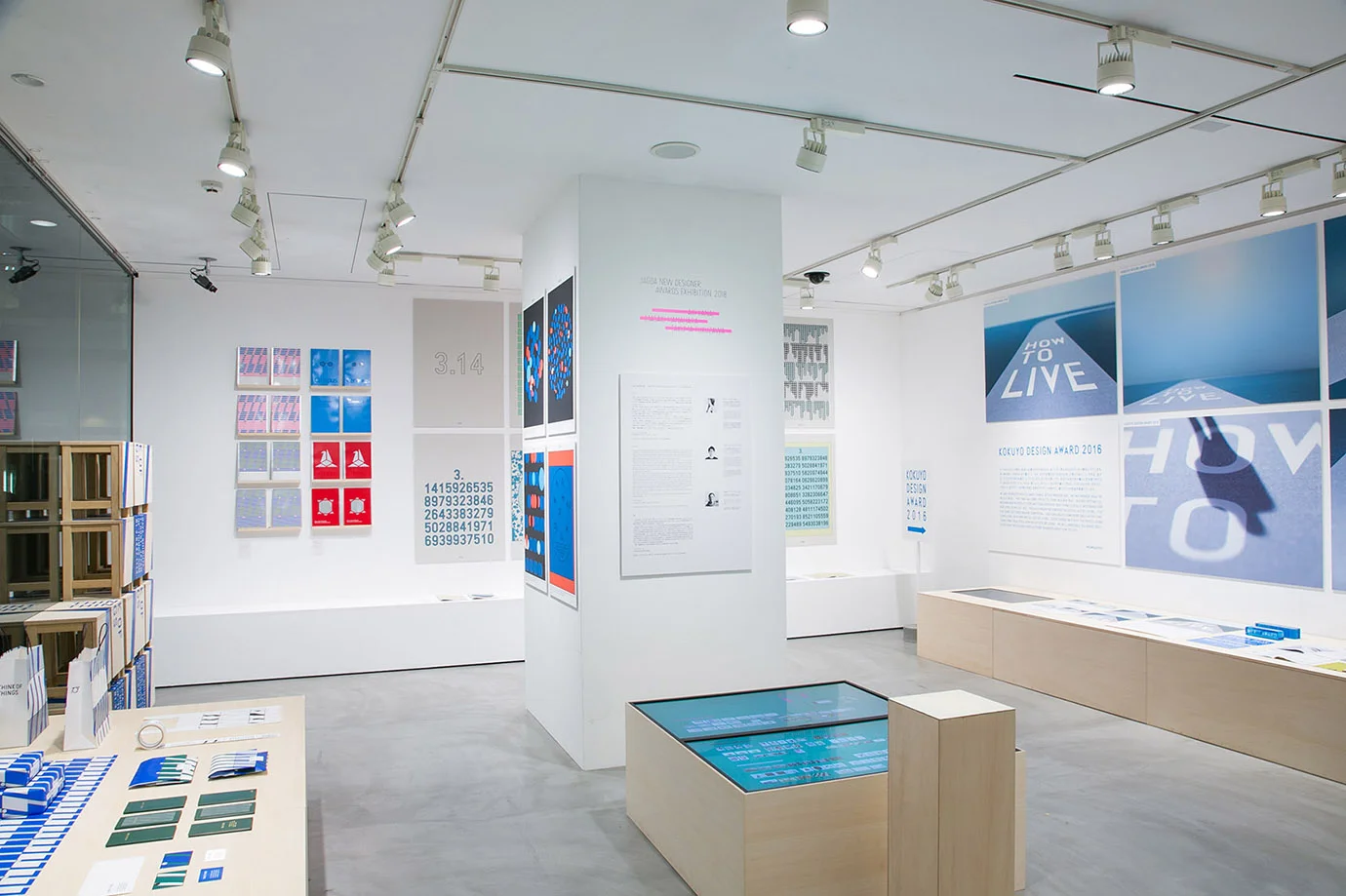
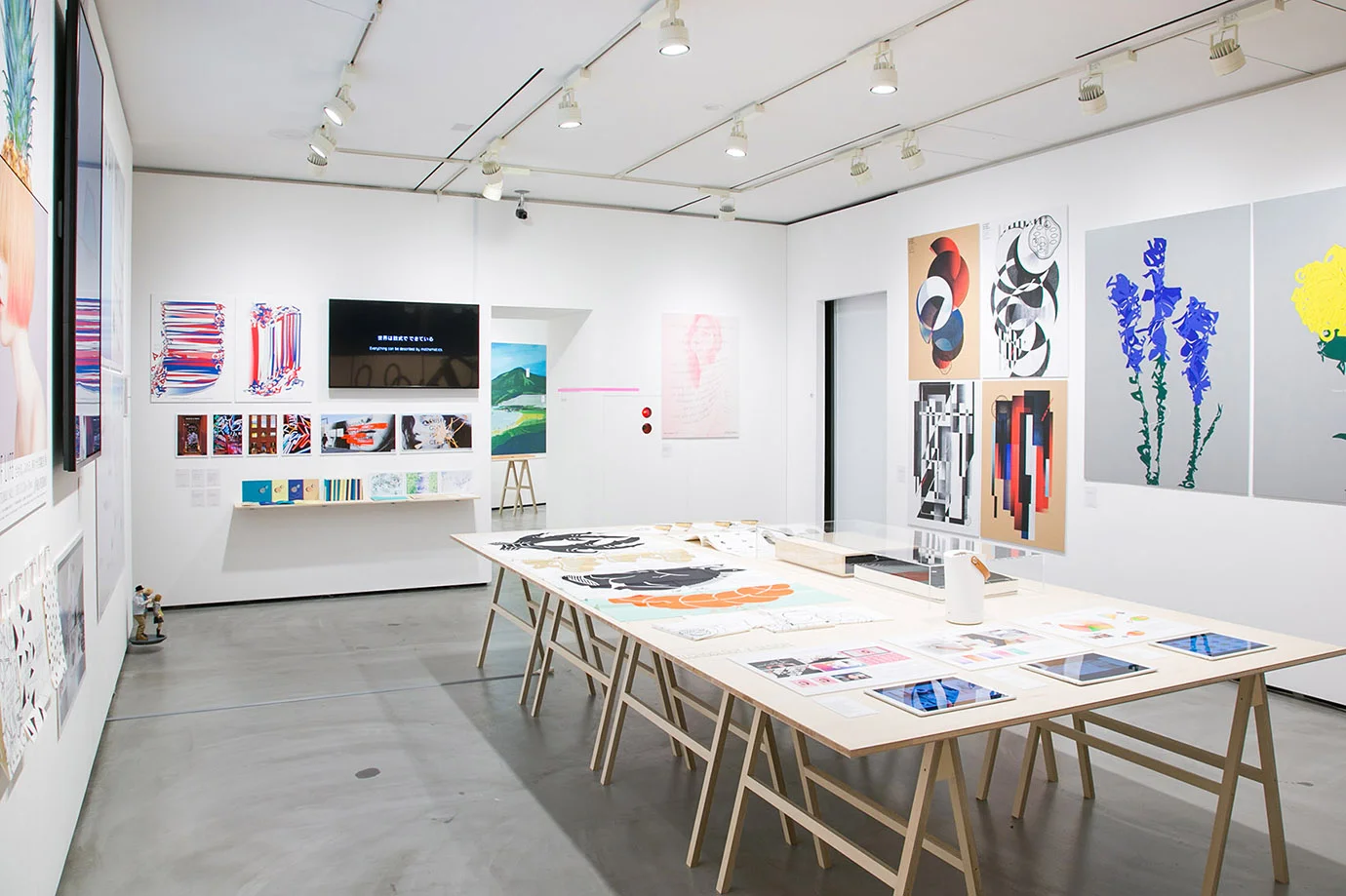
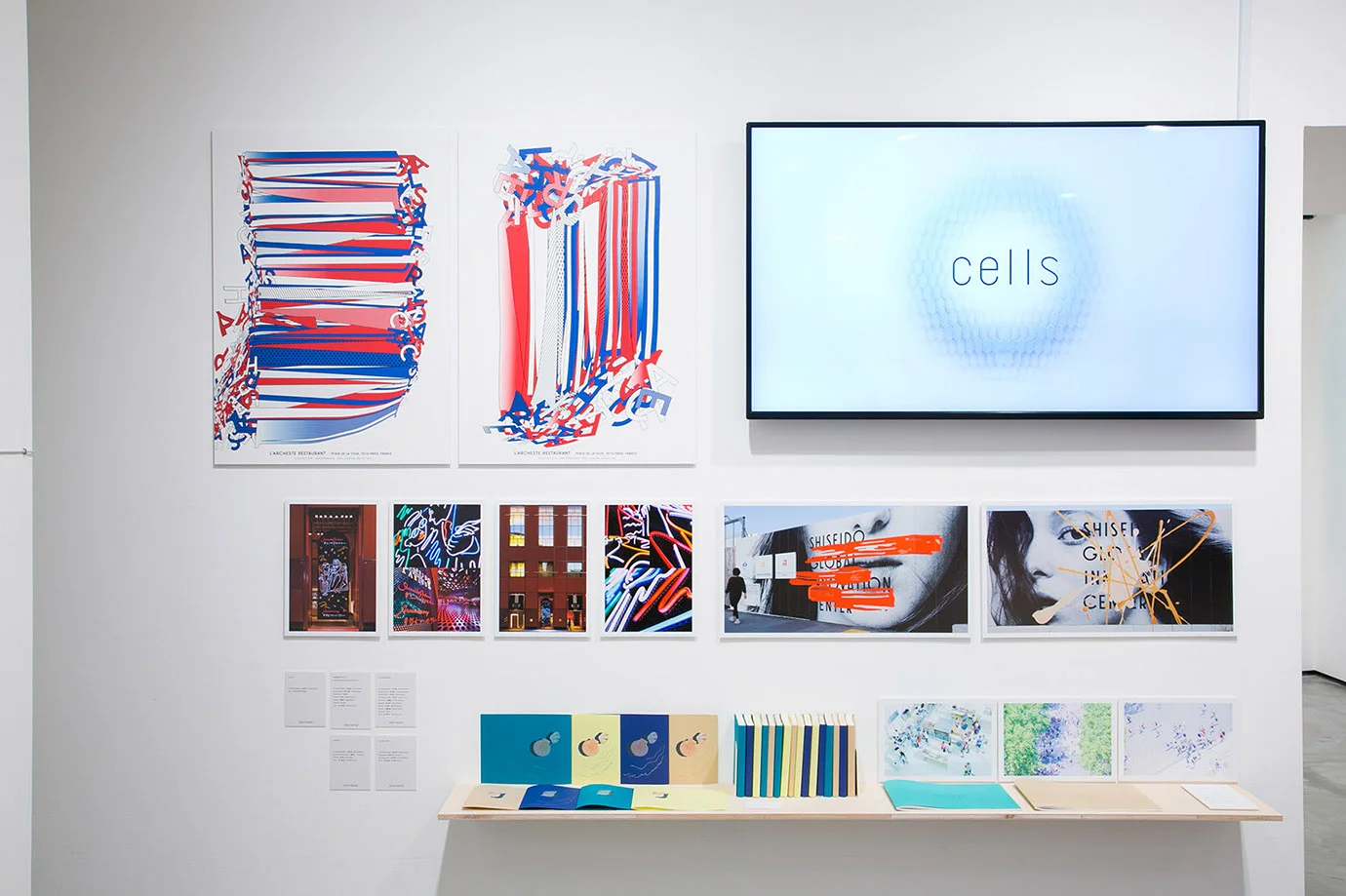

Jagda New Designer Awards Exhibition, Tokyo, 2018
JAGDA Exhibition Posters, Tokyo, 2025
JAGDA Books, Graphic Design in Japan, 2003–2025
Idea Journal, Issues 1–48, 1953–1962
Idea Magazine, Issues No. 49–347, 1962–2011
Idea Journal, Issues 348–411, 2011–2025
One of the primary catalysts for the visual revolution was the Provoke movement, which brought together photographers and theorists who explored unfocused consciousness through grainy, high-contrast images. The Provoke aesthetic rapidly permeated book design and influenced dozens of photobook covers. Simultaneously, publishing houses began experimenting with paper quality, density, texture, and formats.
The PROVOKE Journal was founded in 1968.
(02) 1960–1970—THE PERIOD OF VISUAL EXPERIMENTS
The 1960s and 1970s marked a pivotal moment in the formation of Japanese book design as an independent artistic discipline. Parallel to postwar modernization and the growth of the publishing industry, designers began actively experimenting with composition, typography, visual disruption, and a new logic of book perception. This period is characterized by a shift away from purely functional covers toward conceptual visual solutions.
Design (Japan), 58, 59, 61, Kohei Sugimura, 1964
Graphic Design 06, Kohei Sugimura, 1962
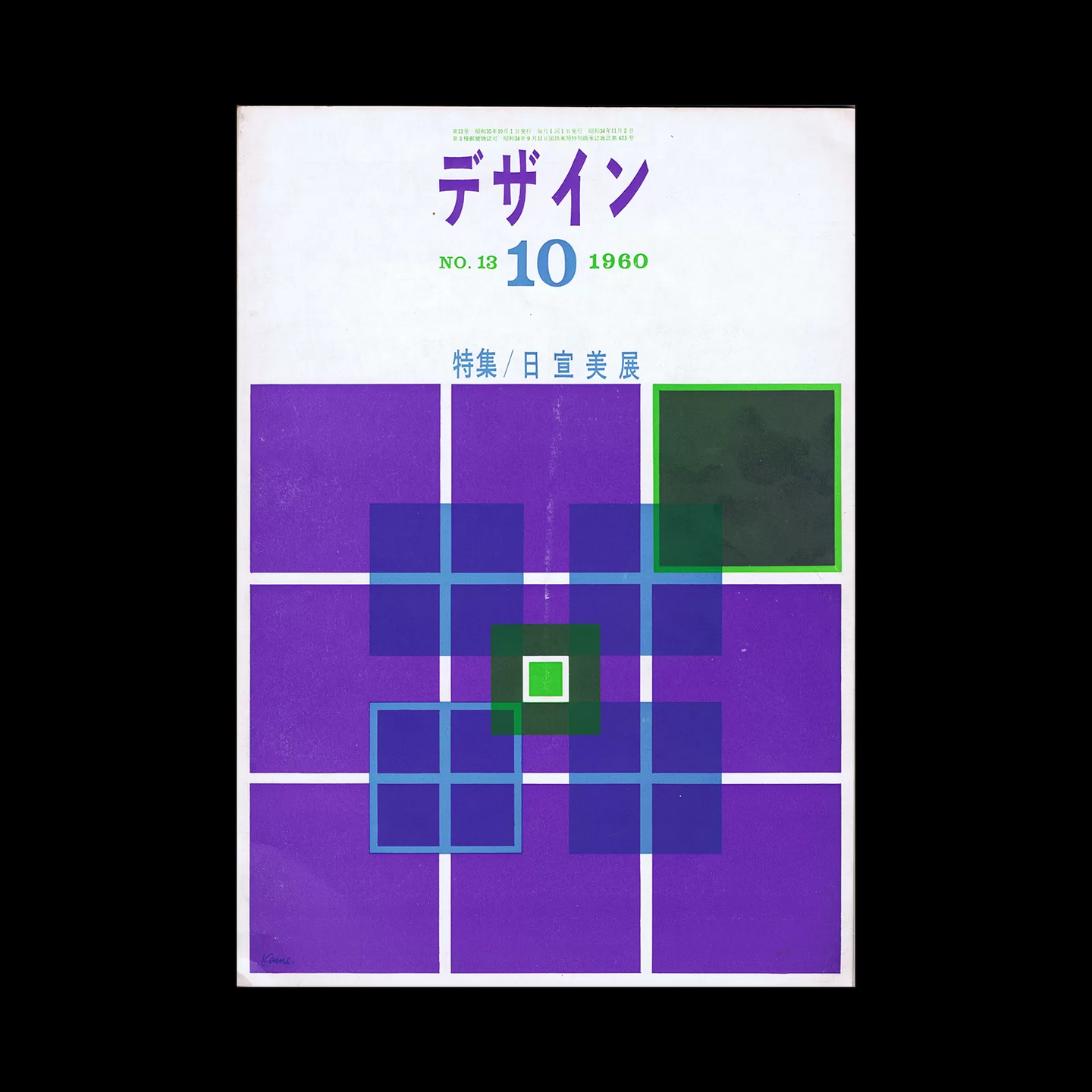
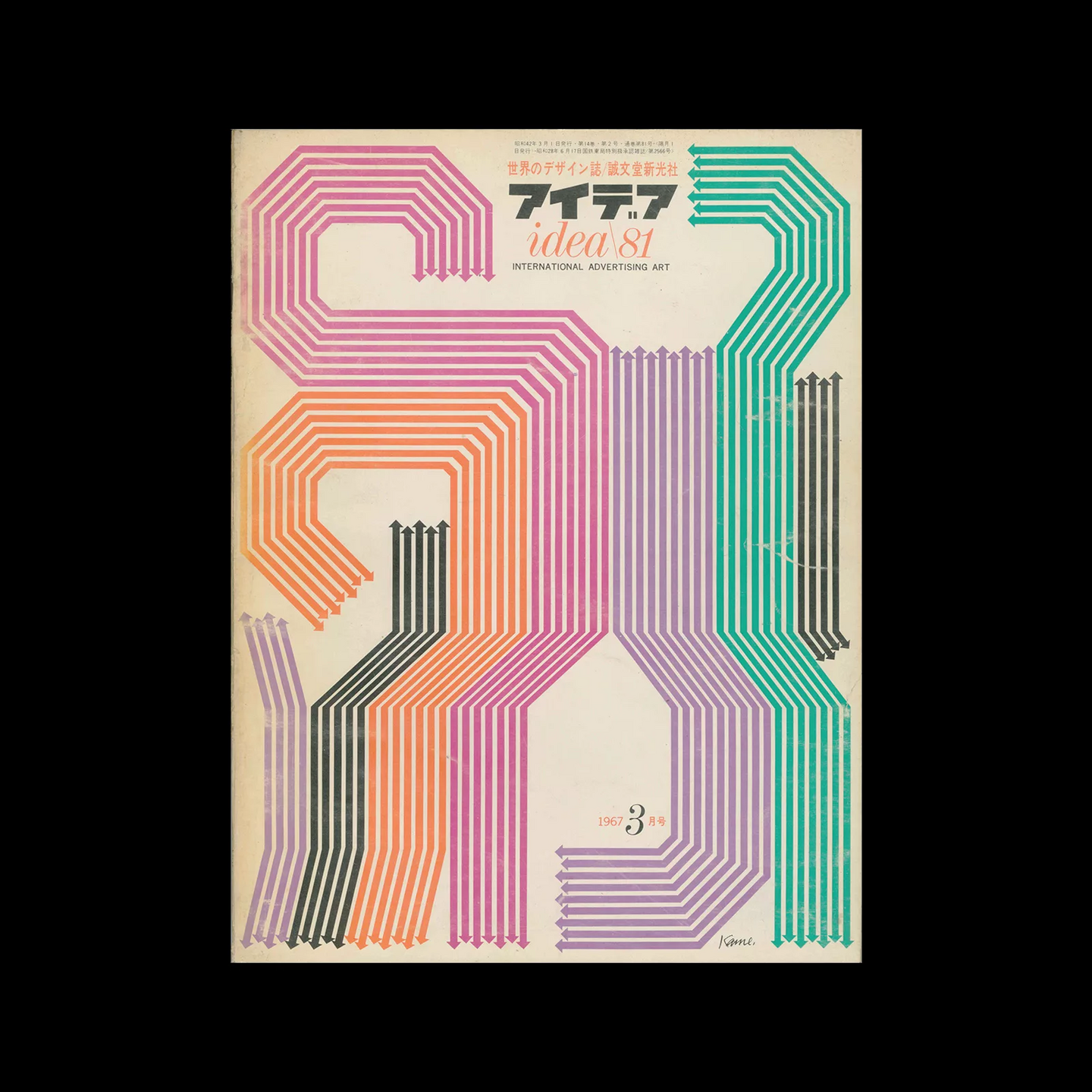
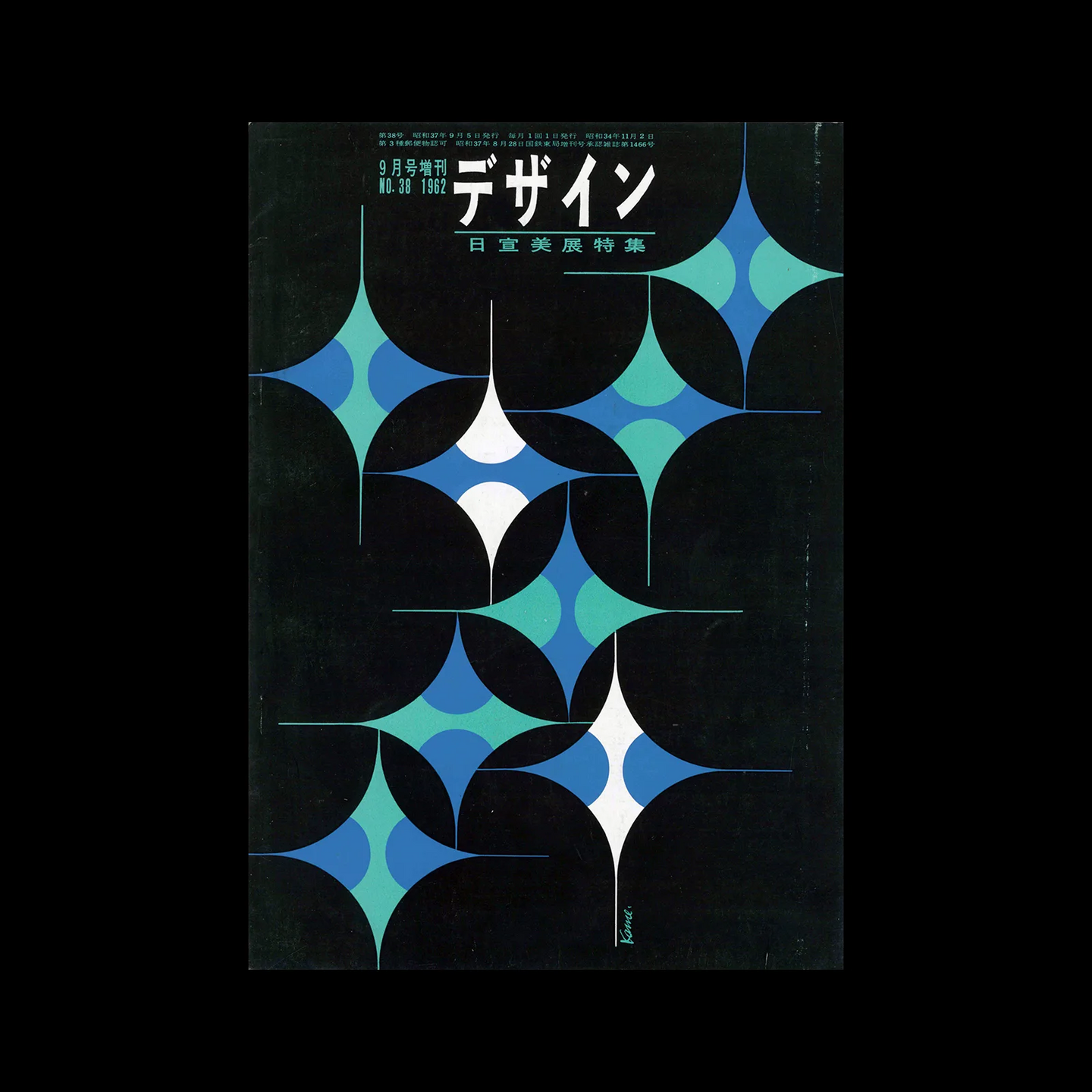
Idea 81, Yusaku Kamekura, 1967; Design (Japan), 38; Yusaku Kamekura, 1962; Design (Japan), 13; Yusaku Kamekura, 1960