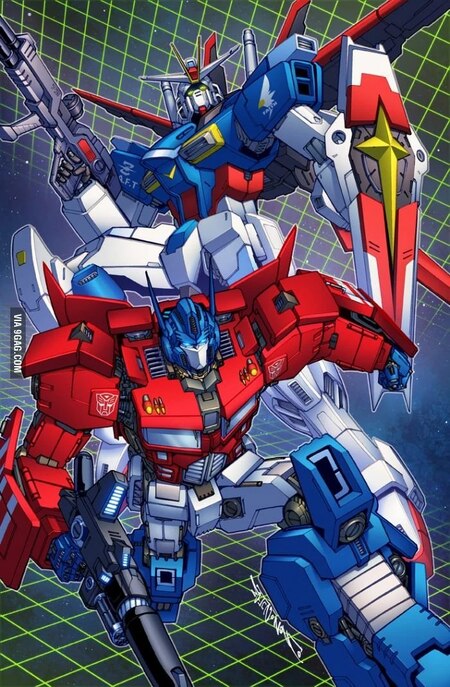
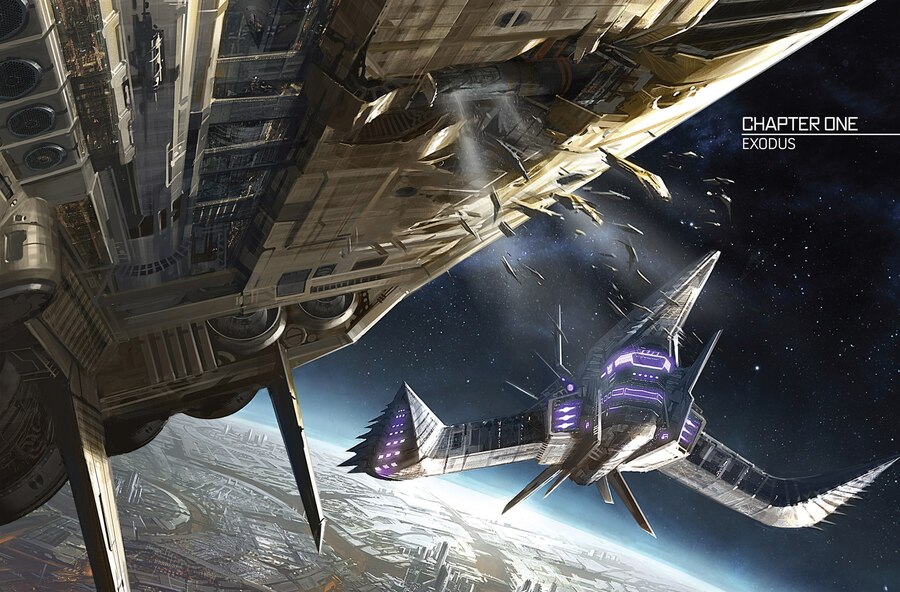
Fall of Cybertron, concept art by Nemesis and Ark, 2013.
Research Index
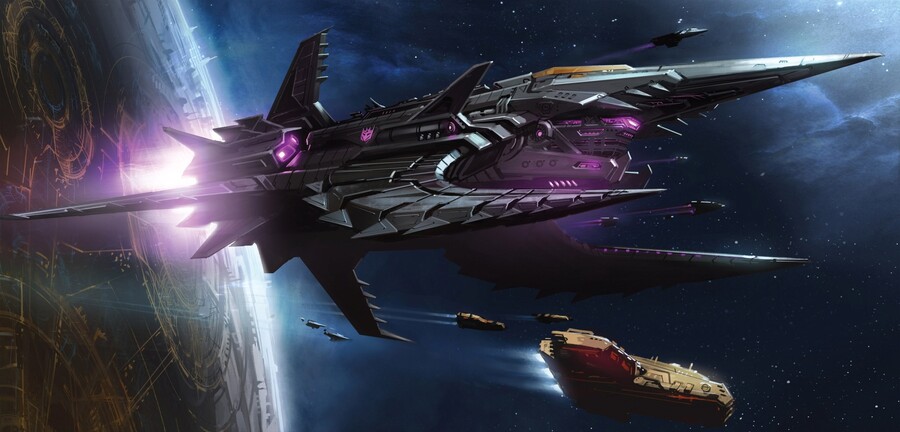
Fall of Cybertron, concept art of Nemesis (Decepticon warship), 2013.
- Introduction
- Concept
- Transformers
- Comparison
- Futurology
- Conclusion
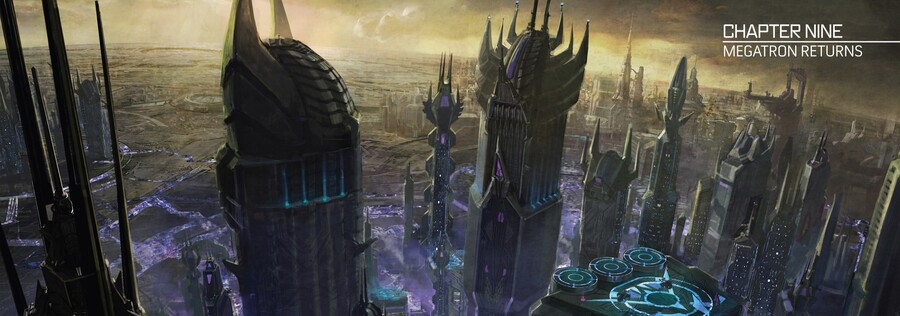
Fall of Cybertron, concept art fragment by Kaon, 2013.
Introduction
Mecha-aesthetics is a visual language forged by Japanese anime culture from the 1970s to the 1990s, depicting robots not as magical beings but as engineered objects: complete with visible joints, hydraulics, service panels, signs of wear, and military logic. The key shift occurred with the release of «Mobile Suit Gundam» (1979), which introduced the paradigm of the «realistic robot"—a machine constrained by energy, ammunition, and repair capabilities.
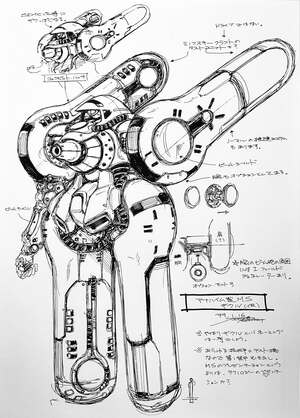
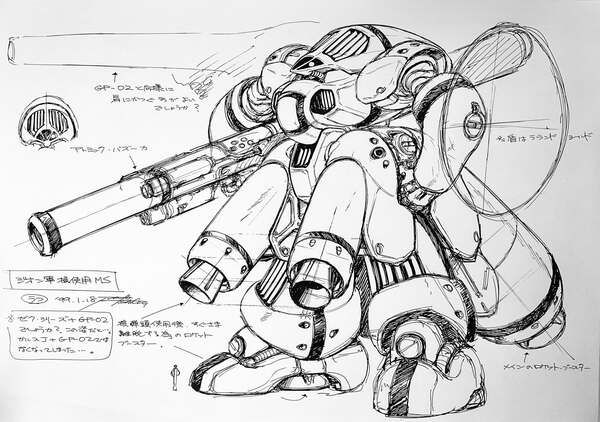
SD Gundam G Generation Zero, concept art by Junya Ishigaki, 1999.
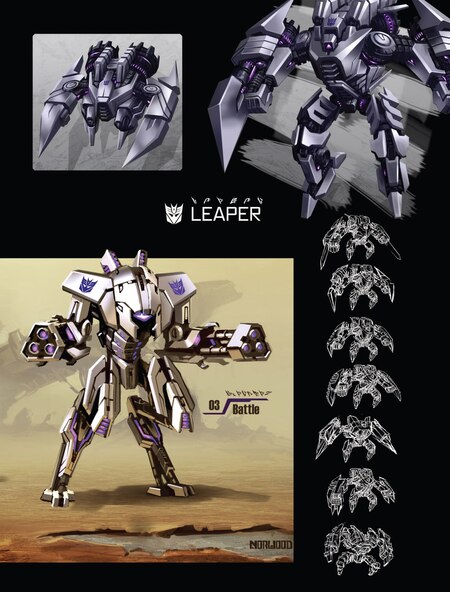
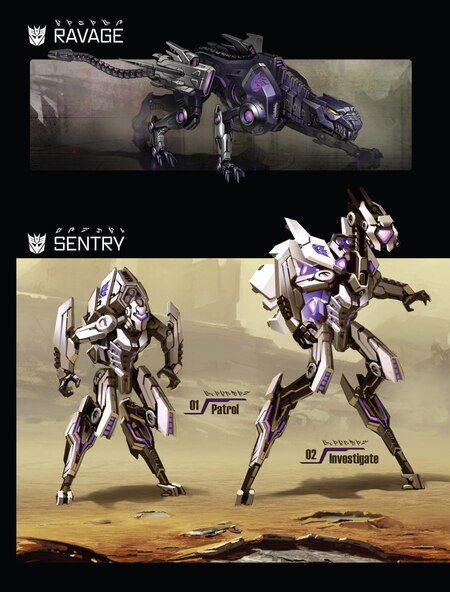
Fall of Cybertron, Decepticon Guard Concept Art, 2013.
Concept art is a stage of visual development where the character, environment, or object takes shape before its final 3D model. In Transformer works, concept art serves a dual function: it must be recognizable and functional.
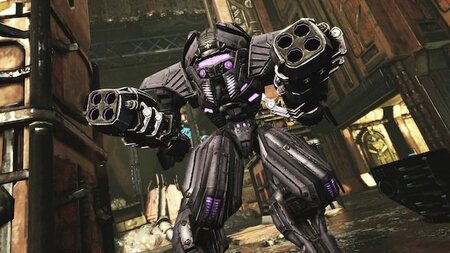
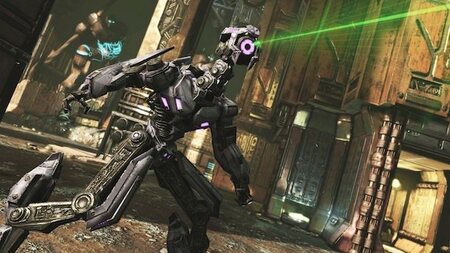
Fall of Cybertron, final design for Decepticon guards in the game, 2012.
Why are Transformers science fiction? The franchise depicts a race of autonomous, intelligent machines possessing subjectivity, culture, and history. This is a classic sci-fi theme: the boundary between a tool and a subject, the posthuman future, and technological evolution. Visually, however, Transformers are rooted in a blend of Japanese mecha tradition and Western robotics.
Concept
Why Transformers? This franchise occupies a unique place in the global history of science fiction: it emerged at the intersection of Japanese toy engineering (Takara) and American narrative tradition (Marvel/Hasbro), with its first designer—Shōji Kawamori, creator of the VF-1 Valkyrie from Macross—contributing to the design of Optimus Prime and Jetfire. This elevates Transformers beyond being merely «another mecha franchise»; it represents a prime example of Japanese mecha influence within Western sci-fi culture. Furthermore, Transformers is one of the few major mecha franchises to depict a self-governing, intelligent mechanical civilization, around which the entire plot revolves. This makes it especially compelling for exploring futurological questions concerning the post-human future and the subjectivity of artificial intelligence. Finally, the availability of documented concept art from various media—games, animated series, comics, etc.—allows for analysis at the level of specific visual iconography, rather than broad observations.
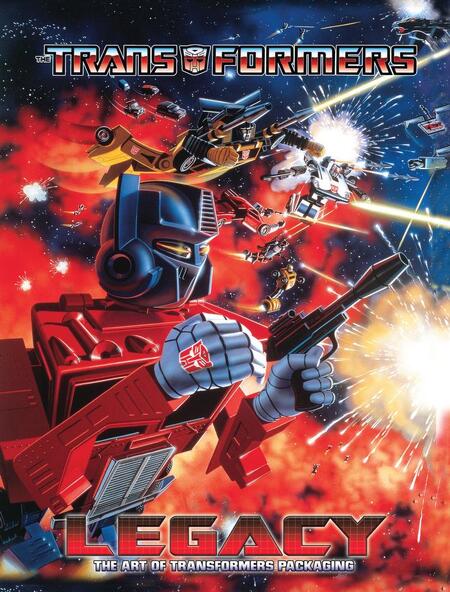
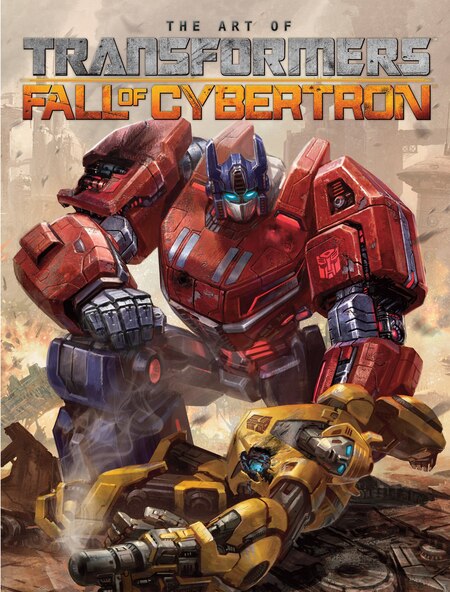
Artbook covers (from the English word artbook) for Transformers Legacy: The Art of Transformers Packaging and Transformers The Art of Fall of Cybertron.
Transformers are traditionally perceived as an American franchise; however, their visual DNA, from the moment of their inception, has been inextricably linked to Japanese mecha culture. The Diaclone and Micro Change toys from Takara, which formed the foundation of the first Transformers, were designed by Japanese designers. A key figure is Shōji Kawamori, the creator of the transforming VF-1 Valkyrie for «Macross» and one of the Diaclone designers who worked on «Battle Convoy"—the prototype of Optimus Prime.
This implies that the franchise’s visual foundation was established within the Japanese «Real Robot» genre, rather than Western traditions of giant machines. Real Robot, solidified after «Gundam,» implied that mecha were mass-produced weaponry that adhered to physics, required logistics, and were susceptible to destruction, as opposed to an invulnerable «superhero robot.»
The objective of this research is to trace how Japanese mecha aesthetics shaped the concept art and visual style of Transformers across various stages—from the Diaclone toys through the G1, Armada, and IDW animations to the games by High Moon Studios—and how this synthesis fits into the global history of science fiction and futuristic visions of the future.
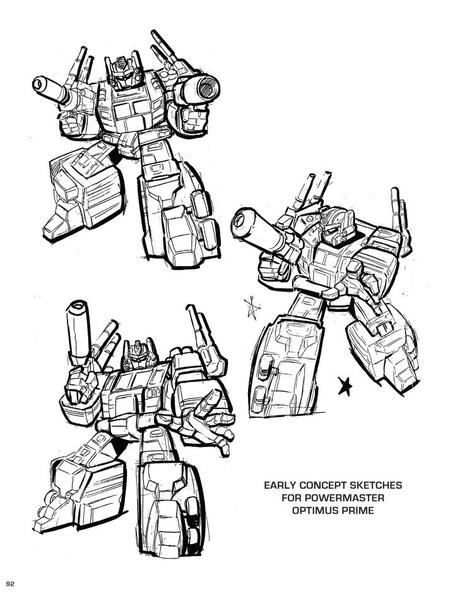
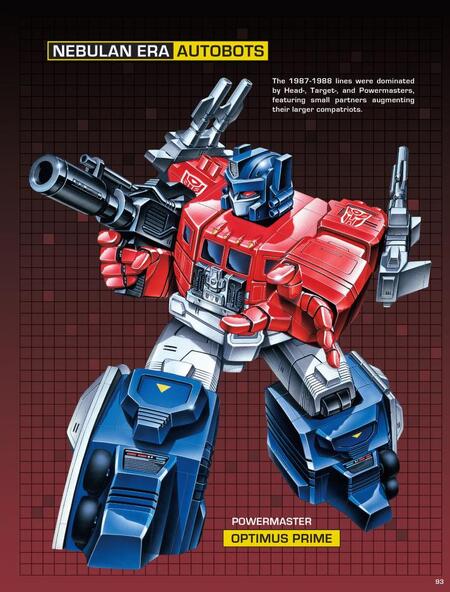
Transformers Legacy: The Art of Transformers Packaging, one of Optimus Prime’s early concept artworks, 1987.
Transformers Legacy: The Art of Transformers Packaging, illustration for the back of the package, 1986.
Transformers
Japanese Roots: From Diaclone to G1
The history of Transformers doesn’t begin with the 1984 American cartoon series, but with Japanese toy lines. Designers at Takara, while creating Diaclone, drew inspiration from contemporary mecha anime, including «Mobile Suit Gundam» (1979), «Super Dimension Fortress Macross» (1982), and others. Shoji Kawamori worked at Studio Nue on Diaclone, where he contributed to the design of «Battle Convoy» (the future Optimus Prime) and several «robot-machines,» including the transforming VF-1 Valkyrie for «Macross.» The toy version of the Valkyrie was later repurposed as Jetfire, which led to legal complications and the character’s name and alternate mode being changed.Later, in 2006, Kawamori returned to the Transformers, overseeing the design of Optimus for the Hybrid Style line and the detailed Starscream for the Masterpiece line.
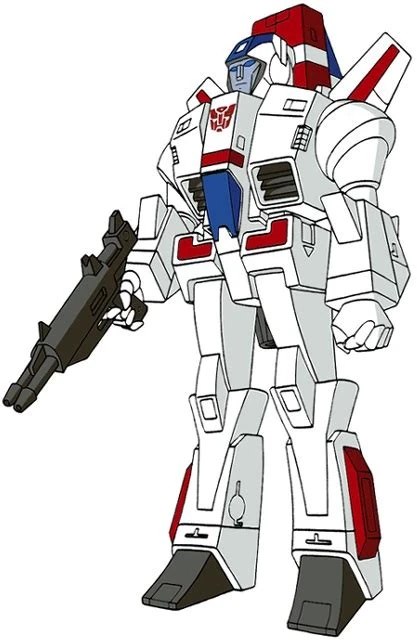
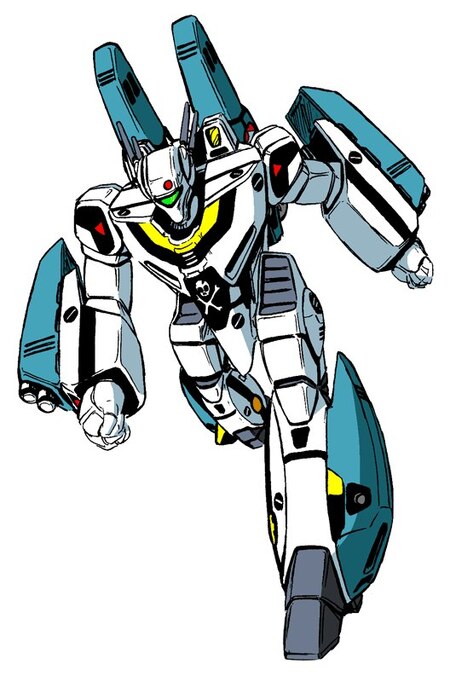
Jetfighter concept art, 1982, and VF-1S Super Valkyrie, 1982.
Generation 1 (1984–1987)
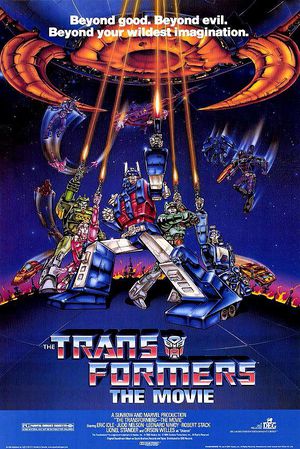
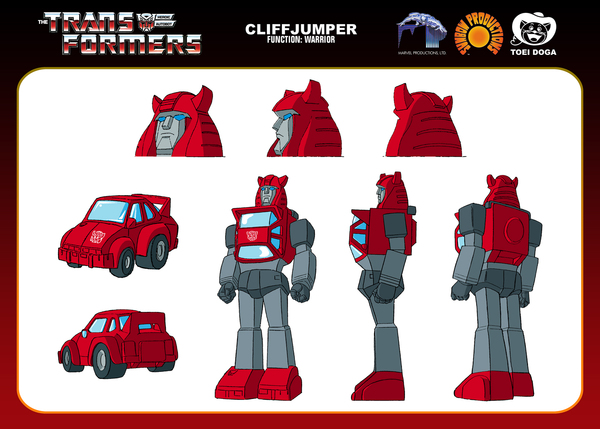
The cover art for The Transformers: The Movie and a reference list for the animatic of Cliffjumper, 1986.
Classic G1 design maintained a «toy-like» simplicity: smooth surfaces, vibrant colors, blocky shapes, and a minimal amount of mechanical detail. This was because the animation needed to align with the physical toys and manufacturing limitations of the time. However, G1 establishes the duality that would become the franchise’s hallmark: the robots resemble everyday objects (trucks, pistols, cassettes) yet possess agency and character.
Transformers: Armada (2002–2003)
Armada is one of the Transformers animated series, co-created by the U.S. and Japan. It was produced in Japan, with animation provided by Actas Inc., and initially aired in America before being shown in Japan. Unlike G1, «Armada» was created in an era when Japanese mecha aesthetics had already moved beyond Evangelion and begun the «psychologizing» of robots.
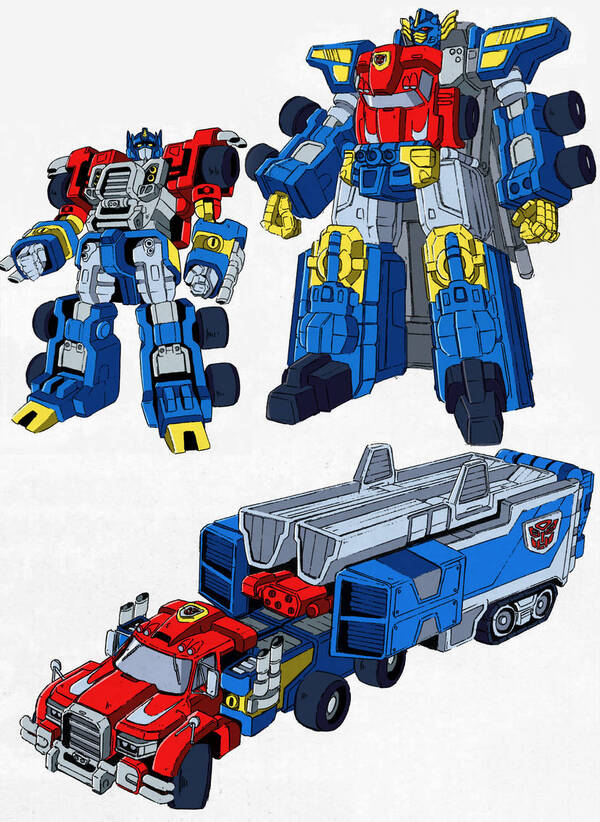
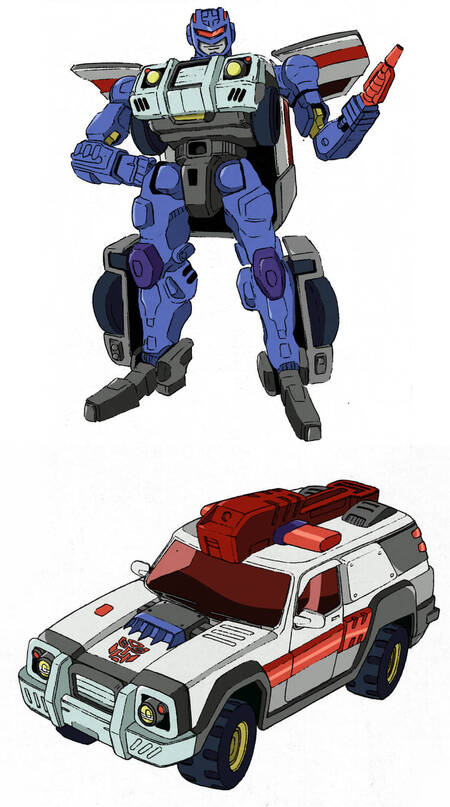
Transformers: Armada, concept art of Optimus Prime and Red Alert, 2002.
The character design for «Armada» has become more streamlined, featuring increased proportions, greater detail, and an emphasis on core mechanics within the designs.