Categories
- Concept
- The Portrait as a Reflection of Personality
- The Portrait as an Identification Tool
- The Portrait as a Data Unit
- Conclusion
Bibliography
Image Sources
Concept
Mugshot (English: mug shot; sometimes transliterated in Russian as «magshot.» An older term is «Bertillon photo») — a photographic portrait of a criminal taken after arrest. The purpose of this photograph is to allow law enforcement agencies to have a photographic record of the detainee to ensure their identification by victims and investigators» [1].
Today, when thinking about mugshots and forensic photography in general, we most often recall not actual archival documentation, but frames from popular media—the shots where a potential offender stands before the camera with a placard displaying their name, shown frontally and in profile, against a white background, which often also includes a height chart. This image has become a familiar visual cliché in our society. We perceive this image through a screen as a signal that the character is a probable lawbreaker, and we usually do not consider the actual purpose of such a photo—the identification of a specific person.
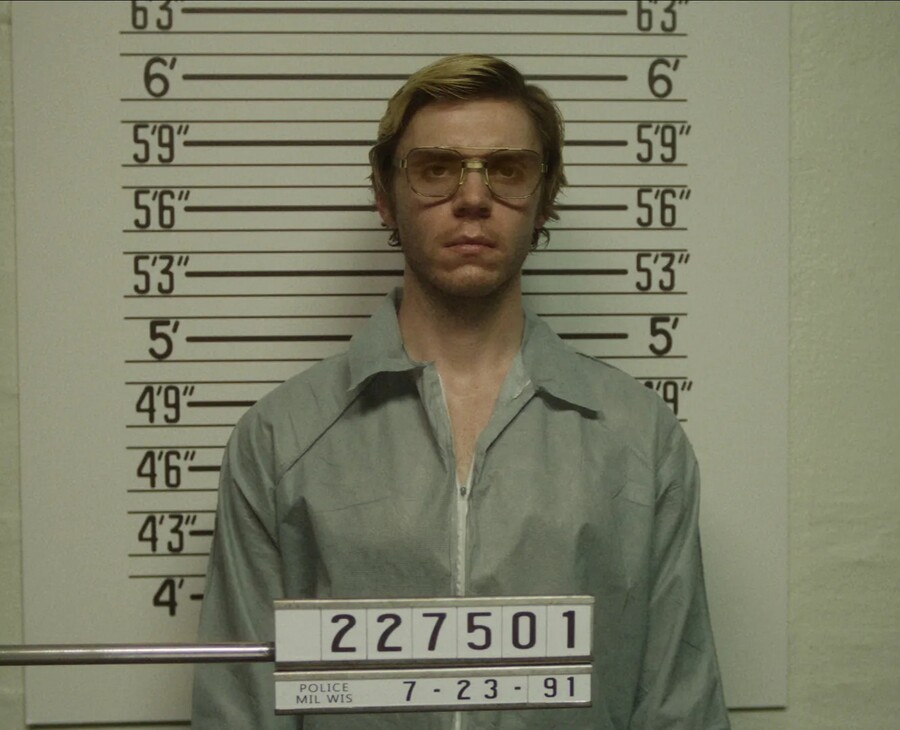
Netflix. «Monster: The Jeffrey Dahmer Story» (scene still), 2022
Alphonse Bertillon was a French criminalist who established the standard for forensic photography: frontal and profile views, using a uniform pose, lighting, and shooting distance for all photographs. This photographic style came to be known as «physiognomic photography.» Physiognomic photography was no longer a means of reflecting an individual’s personality or uniqueness; it became part of a comparison system. Upon a subsequent arrest, a set of anthropometric cards containing the suspect’s data and photograph would be selected to confirm their identity. While Bertillon’s card catalogs are long obsolete, the photographic format endured and remains in use today.
Kurt Borgwardt. «Jeffrey Dahmer’s Police Photographs,» July 23, 1991
I chose this topic because I am personally interested in criminalistics, and because signaletic photography is familiar to everyone, as it is a recognizable element of pop culture. However, I believe few people have considered how a photograph is structured or what its true purpose is.My main question is: how has the standardization of photography changed the perception of portraiture, transforming the depiction of individuality into a means of identification? My hypothesis is that visual techniques—such as uniform angles, scale, serialization, captions, and data recording—have influenced photography to the extent that the portrait ceased being merely a portrait and became a means of recognition, acquiring the status of evidentiary documentation.I selected photographs based on the structure of my research to allow for a comparison between a standard portrait photo and a photo taken for identification purposes. Regarding signaletic photography, anthropometric cards, and composite photos, I chose examples that allowed me to trace the evolution of this photographic type and compare how the photo is perceived with or without specific details characteristic of a forensic portrait. My goal was to construct a visual sequence that demonstrates the shift in the perception of photography: from fixing individuality to documenting external features and characteristics for identification.As for selecting textual sources for analysis, I prioritized academic articles and publications from authoritative electronic journals.
Portrait as a Reflection of Personality
The portrait photograph, from the moment of its creation, became not only a means of capturing physical reality but also a way of reflecting individuality.
Nadar, when characterizing his portrait practice, speaks of «the moral understanding of the subject—that instant comprehension that allows for contact with the model, helping you to capture (summarize) her, revealing her habits, ideas, character, and helping to create not an indifferent reproduction of a routine object or a mere incident… but a convincing and sympathetic likeness, an intimate portrait» [2].
Whether in a painting or a photograph, the perception of a person is shaped by a collection of visual techniques and their influence on the subject’s external presentation. Our attention first focuses on the human face—specifically the gaze, facial expression, and head position—all of which are indicators of the subject’s emotional state and character. Posture and gestures enhance expressiveness, allowing for the depiction of unique behavioral traits. The body’s positioning and the nature of its movements can create diverse emotional moods within the portrait. Yet, each viewer may perceive it differently. I believe that lighting and composition play a crucial role in creating this image of individuality, because altering the lighting or spatial placement can radically change the portrait’s character. Furthermore, the choice of clothing and the surrounding objects are equally important, as they play a significant role in shaping the impression of who the person in the photograph is.
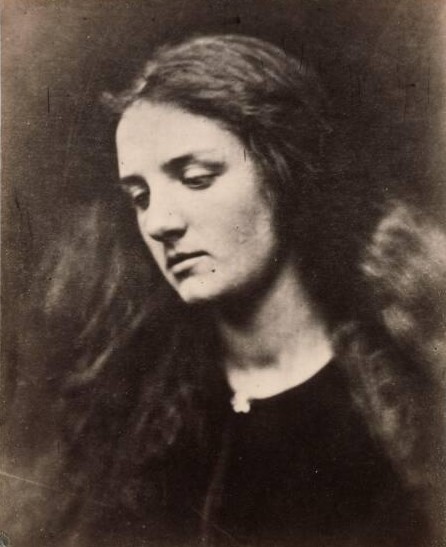
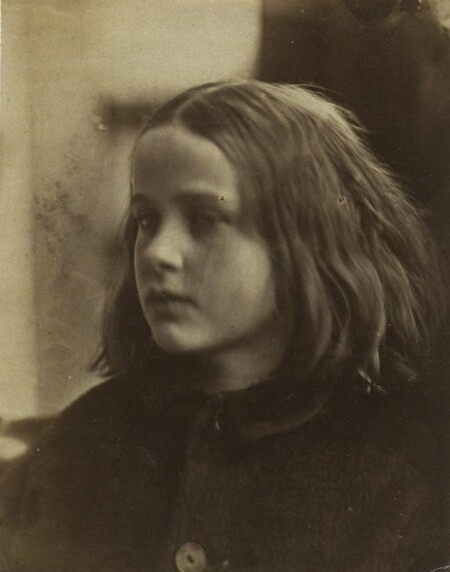
Julia Margaret Cameron. «Wild Flower, ” 1867; „Anne, My First Success, ” 1864
Julia Margaret Cameron. «Mountain Nymph, Sweet Freedom, ” 1866; „Julia Jackson, ” 1867; „Mountain Nymph, Sweet Freedom, ” 1866; „Annie Cheney Cameron, ” 1870–1872
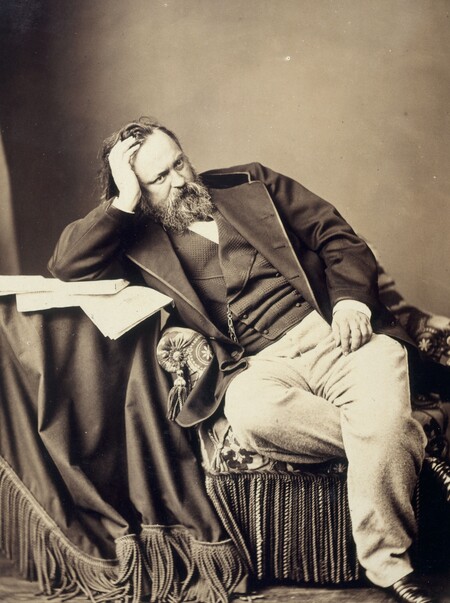
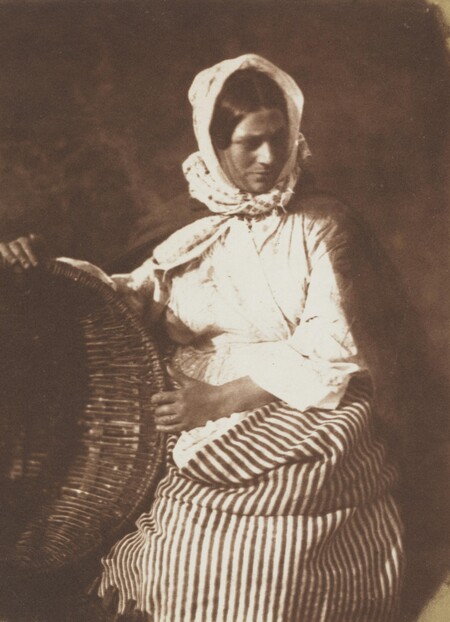
Sergey Levitsky. «Portrait of Alexander Herzen,» between 1843 and 1870; David Octavius Hill and Robert Adamson. «Mrs. Elizabeth Johnston Hall, a Fishmonger from Newhaven,» 1843–1846
Unknown author. «Sojourner Truth. I sell shadow to support the essence, ” 1864
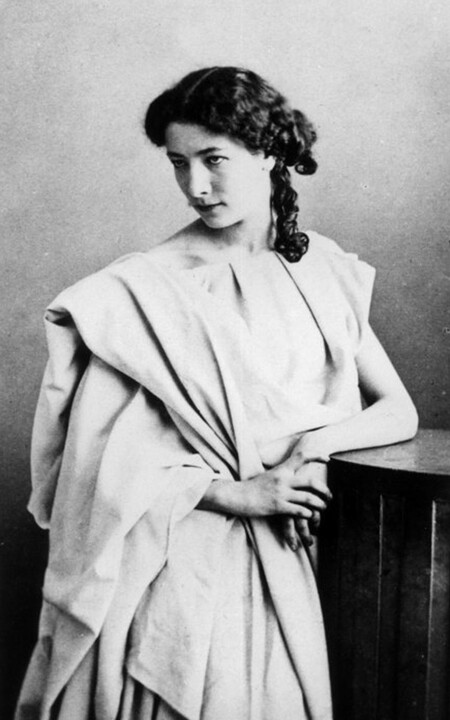
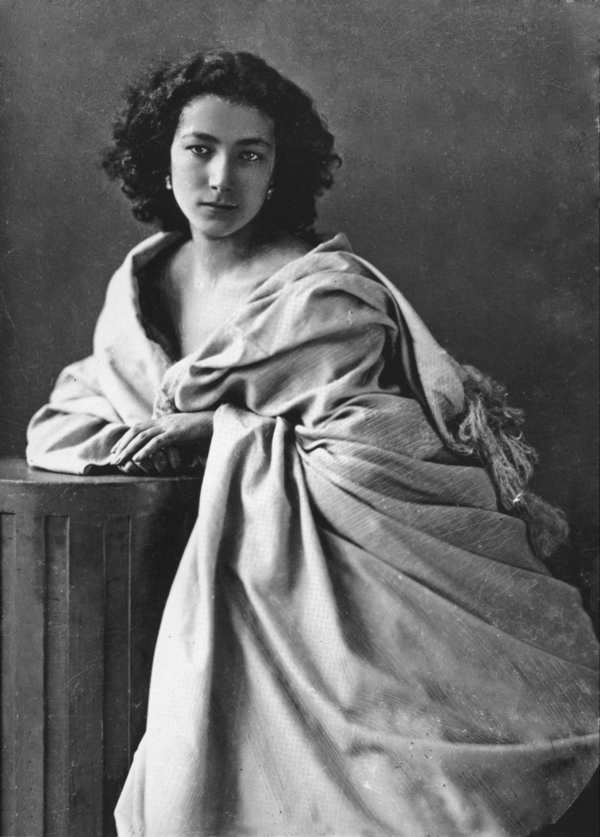
Nadar. «Sarah Bernhardt as Junie in Jean Racine’s tragedy Britannicus, ” 1860; „Sarah Bernhardt, ” 1864
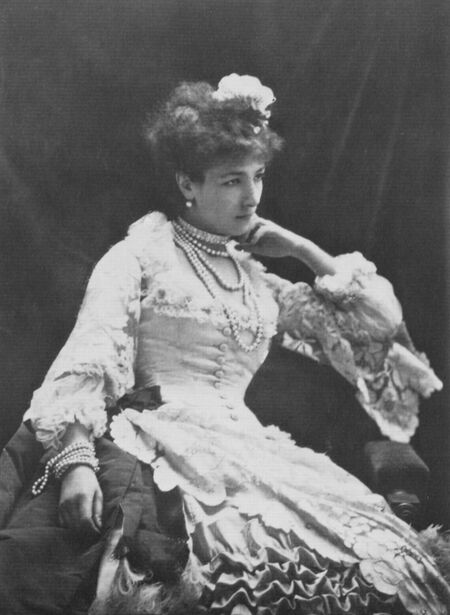
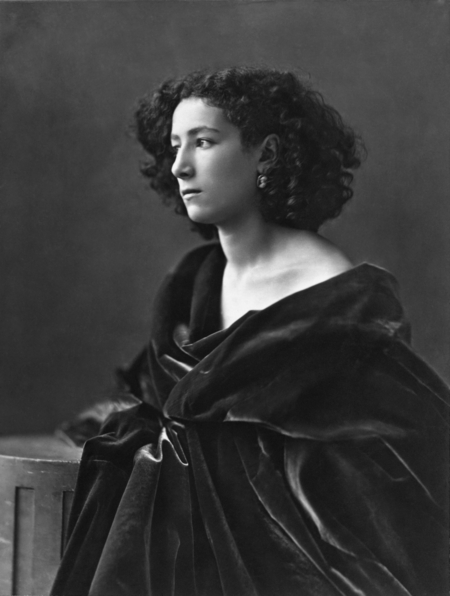
Nadar. «Sarah Bernhardt, ” 1864
Portraiture as a means of identification
I curated and arranged the classical portraits and signetic images to allow for a clear examination of the differences in photographic techniques. In the standard individual portraits, the head turn, lighting, and attire—all of these elements create a certain emotional atmosphere that is immediately palpable, even if difficult to articulate, but it is undeniably present. Conversely, the signetic shots feature a standardized pose—front view and profile—and the lighting for all photos of this type was achieved using a similar method, utilizing a consistent neutral background and scale that draws focus to the facial features and the head as a whole. This comparison clearly illustrates a shift from emotionalism toward a cool, pragmatic capture of external features. The key difference lies in the freedom versus the constraints of the shooting style, characteristic of the first and second examples, respectively.
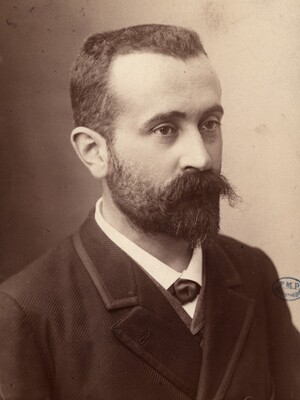
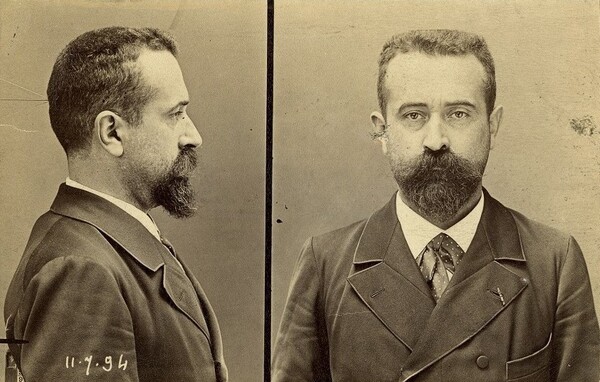
Nadar. «Alphonse Bertin, ” unknown date; Alphonse Bertin. „Anthropometric Card of Alphonse Bertin, July 11, 1894, ” 1894
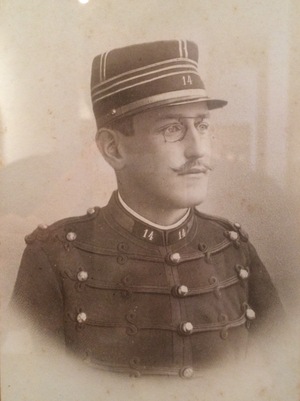
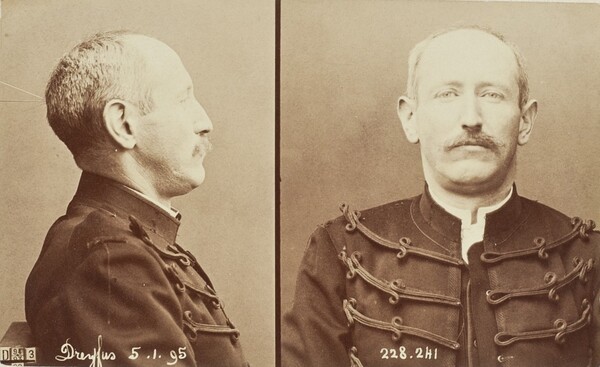
Aaron Gershel. «Alfred Dreyfus, ” 2008; Alphonse Bertillon. „Anthropometric Card of Alfred Dreyfus, ” 1895
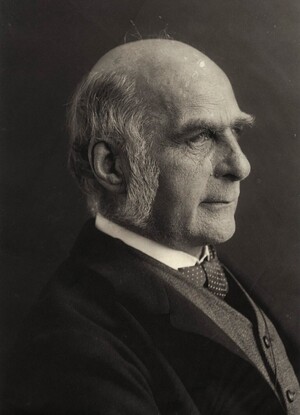
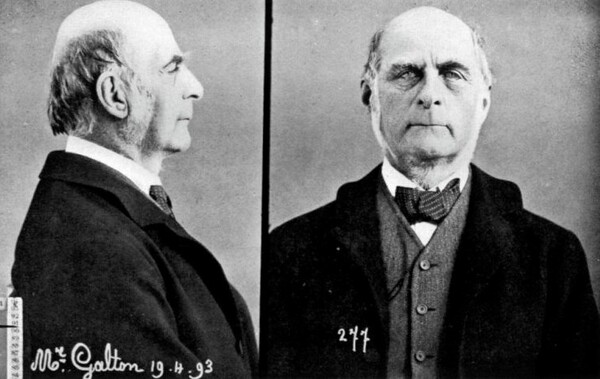
Evelyn Myers. «Portrait of Francis Galton, ” 1888; Alphonse Bertillon. „Photograph from the Anthropometric Card of Francis Galton, ” 1893
When discussing the impact of serial signetic photographs—when a photo is presented in isolation from others—we will closely examine the individual’s features, hairstyle, and clothing. However, when additional photographs begin to complement the main image, this seriality creates the feeling of a data set, suggesting that something similar unites all the people in the portraits, despite their individual differences.
Alphonse Bertillon. «Alicante. Filiber. 33 years old. Heel cutter. Anarchist, ” 1894
Placing several portraits side-by-side with a uniform format immediately compels the viewer to compare the faces depicted. The consistent shooting angle allows for the comparison of the same physical traits across different individuals, shifting the viewer’s focus from meticulously examining one specific person to comparative analysis and classification.
Alphonse Bertillon. «Jeanne Adne. 22 years old. Seamstress. Anarchist, ” 1894; „Beaufort Gilber. 32 years old. Lumberjack. Anarchist, ” 1894; „Zanini Mari. 28 years old. Cook. Accused of theft, ” 1894
Alphonse Bertillon. «An Anthropometric Archive of Anarchists, ” 1894
Alphonse Bertillon. «Summary Table of Nose Shapes, ” 1893