Rubric
- Concept
- Motion in Frames: Initial attempts to convey movement through a sequence of photographs.
- The Frozen Moment: Capturing movement in a single, brief instant.
- The Trace of Motion: Conveying movement through blurring, light trails, and long exposure.
- Motion as Experiment: Unconventional methods of depicting movement using photographic experimentation.
- Movement in Contemporary Photography: Modern approaches to illustrating motion and manipulating time.
- Conclusion
- Bibliography
- Image Sources
Concept
In the first half of the 19th century, photography was constrained by the technical limitations of the era. Because of long exposure times, capturing moving subjects was difficult; consequently, early photographs mostly depicted static scenes. As technology advanced, photographers gradually learned to freeze individual phases of motion.In the latter half of the 19th century, Edward Muybridge and Étienne-Jules Marey made major contributions to the study of movement. Muybridge created series of photographs that allowed viewers to trace the movements of people and animals. Mare worked in chronophotography and developed methods to capture multiple phases of motion in a single image. Their experiments helped to examine movements in detail—movements that the human eye typically misses.Over time, photographers began using movement to create more expressive images. By employing various techniques, they conveyed a sense of speed, rhythm, and time, gradually expanding the artistic possibilities of photography.
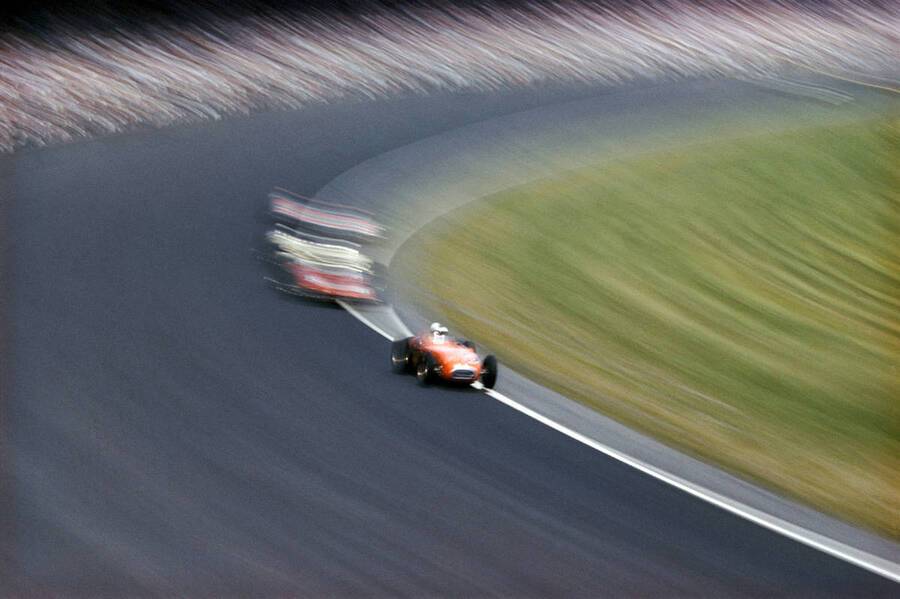
Ernst Haas. «Race Cars, Indianapolis 500, ” 1957.
«Conveying dynamic movement through a single static moment became too restrictive and unsatisfactory for me.»
— Ernst Haas (translation from English).
In photography, movement can appear in drastically different ways. In some shots, it is frozen at a specific moment, while in others, you can perceive its duration and direction. I became curious about how photographers manage to create such diverse impressions of motion and how the perception of the same action shifts depending on its photographic representation.In my research, I aim to examine how different photographers convey movement and what artistic possibilities their chosen techniques unveil. Using the work of artists from various periods as examples, I will trace how the methods of depicting motion have evolved—from sequential shooting and capturing discrete moments to experimenting with shutter speed, image layering, and contemporary technologies. I will pay special attention to how these techniques influence the composition, mood, and overall perception of the photograph.
I surmise that the artistic expressiveness of movement in photography is largely determined by the method of its representation. Different photographic techniques are capable of evoking various sensations of speed, rhythm, and the passage of time, even when depicting the same motion.
The principle of this research is built on dividing the material according to the primary methods of conveying motion in photography. First, I will examine the early experiments with sequential photography and chronophotography, and then move on to the capture of the fleeting moment, conveying motion through blurring and long exposure. Individual chapters will be dedicated to experimental techniques and contemporary approaches to depicting movement.Throughout this study, I aim to answer several questions: How can the sensation of movement be conveyed in a still image? How do different shooting methods influence the perception of speed, rhythm, and time? How have photographers' approaches to depicting motion evolved, and what artistic possibilities have new techniques opened up?
It is worth noting that the methods of conveying motion in photography cannot always be clearly segregated. In a single work, a photographer may utilize several techniques simultaneously, meaning some images may belong to more than one chapter of the research. Furthermore, many techniques initially developed to study motion have subsequently been adopted in fine art photography.
For this study, I will select works from photographers across various periods to demonstrate the diversity of approaches to depicting motion. Crucially, I will focus on how the artists employ different techniques, what kind of impression they create, and how these elements influence the viewer’s perception of the photograph. For textual sources, I will draw upon materials concerning the history of photography, articles on photographic techniques, and publications dedicated to individual artists and their oeuvres.
Frame-by-Frame Motion
Sequential photography allows us to view motion as a series of discrete moments. The object’s position changes slightly with each shot, and by viewing the entire series, one can trace how the action unfolds. This method of imaging helps reveal details that are difficult to notice in real time.Furthermore, the sequence of frames creates a distinct visual rhythm. Repeating forms and the gradual shift in their position allow the viewer to mentally connect the individual images into continuous movement.
Edward Mybridge. «Horse in Motion, ” 1878
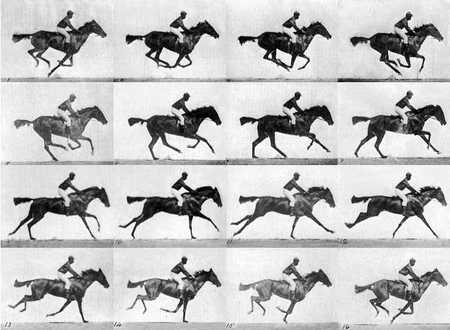
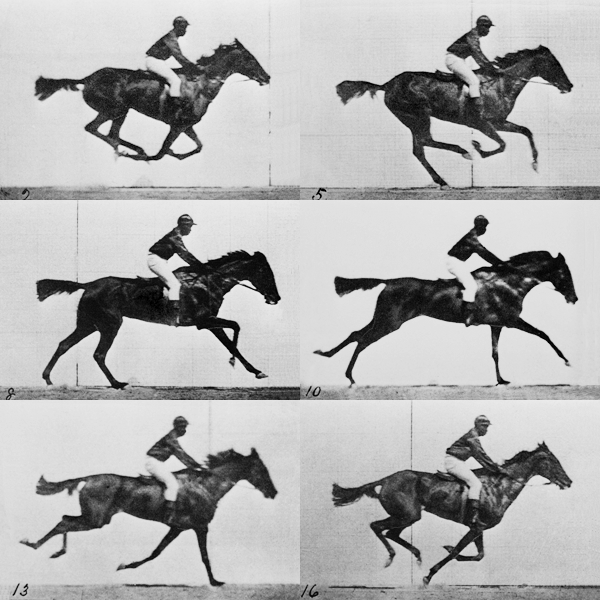
Edward Mearsbridge. «Horse in Motion,» 1878. Edward Mearsbridge. «Horse in Motion,» 1878 (GIF animation based on a series of photographs).
Edward Meibridge. «Jump Over Boy’s Back (Chekharda), ” 1887.
Étienne-Jules Marey. «Flight of a Dove, ” 1886.
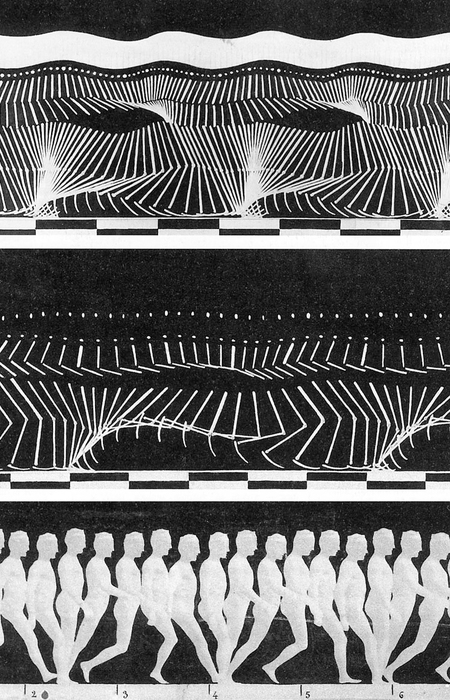
Étienne-Jules Marey. «Geometric Chronophotography of Gait,» 1883.
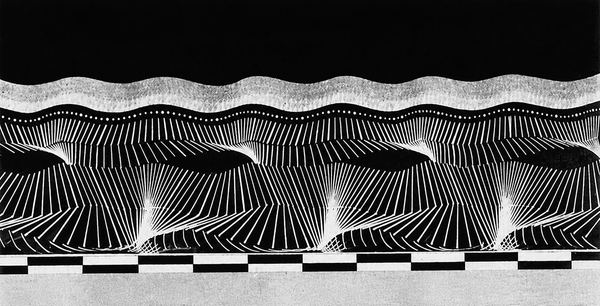
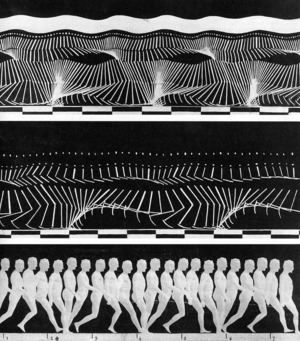
Étienne-Jules Marey. «Geometrical Chronophotography of Gait,» 1883.
Étienne-Jules Marey. «Falling Cat, ” 1894.
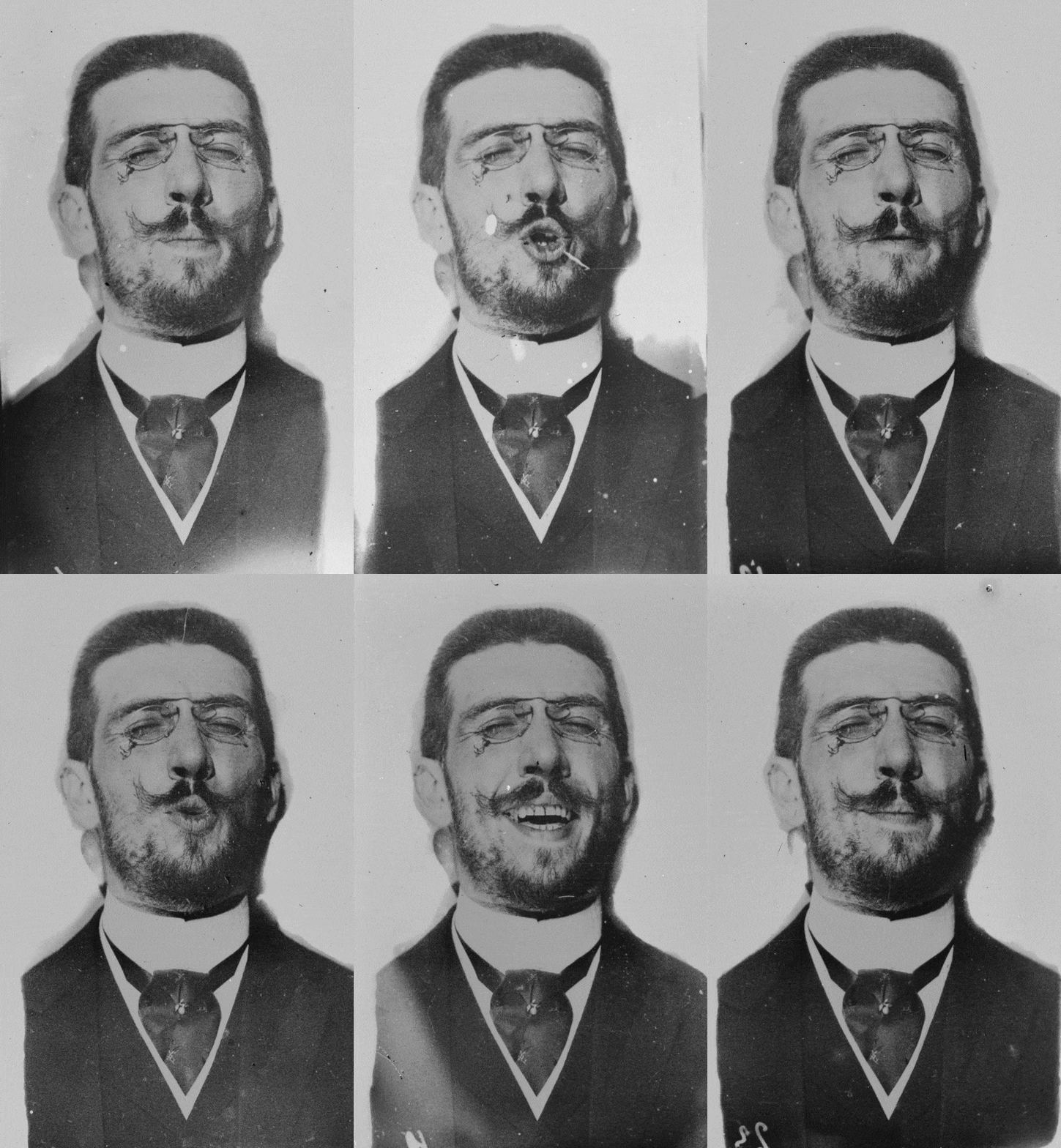
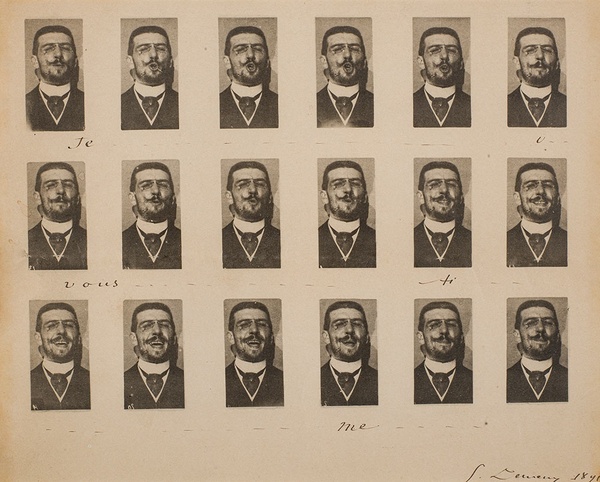
George Demeni. «I Love You, ” 1891.
In the works of Edward Muybridge and Étienne-Jules Marey, two distinct approaches to depicting motion are evident. Muybridge captured consecutive phases of action in separate photographs, while Marey combined them into a single image. This allowed his photographs to illustrate the trajectory of movement, and the repeating silhouettes and lines created unusual graphic compositions. Georges Demeny also studied movement, though he also incorporated human facial expressions. In his series «I Love You, ” he captured the successive changes in facial expression while words were being spoken. Here, movement manifests through subtle shifts in lip and facial muscle positioning, which become noticeable when comparing the frames.
A frozen moment
Photography allows you to freeze motion at a moment that can be difficult to perceive with the naked eye. Thanks to a fast shutter speed, you can capture the body in mid-air during a jump, the shape of splashing droplets, or the instant objects collide.Such images are compelling because ordinary actions appear entirely different when stopped in time. Freezing movement reveals unexpected forms, and the placement of objects in the frame helps convey the tension and dynamism of the event.
Jacques-Henri Lartigue. «Grand Prix of the French Automobile Club. Race in Dieppe, ” 1912.
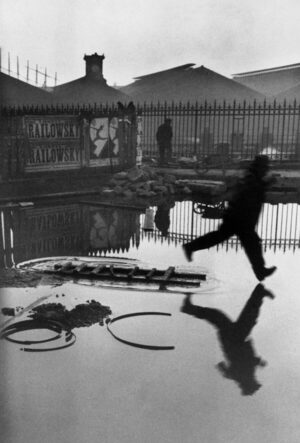
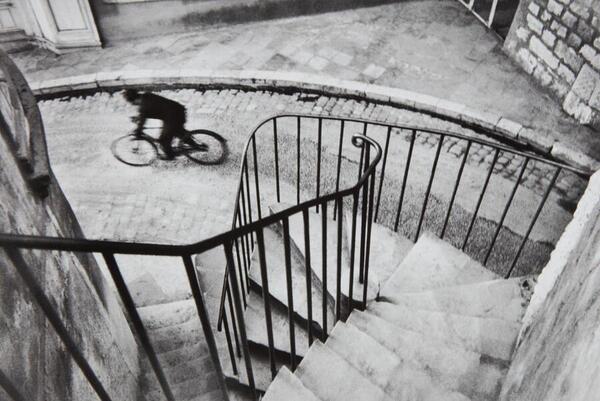
Henri Cartier-Bresson. «Near Gare Saint-Lazare, Paris,» 1932. Henri Cartier-Bresson. «Yer, France,» 1932.
Philip Halsman. «Dalí Atomicus, ” 1948
Philip Halsman. «Marilyn Monroe Jumping, ” 1959. Philip Halsman. „Beach Jump, ” date unknown. Philip Halsman. „Two Men Jumping, ” date unknown.
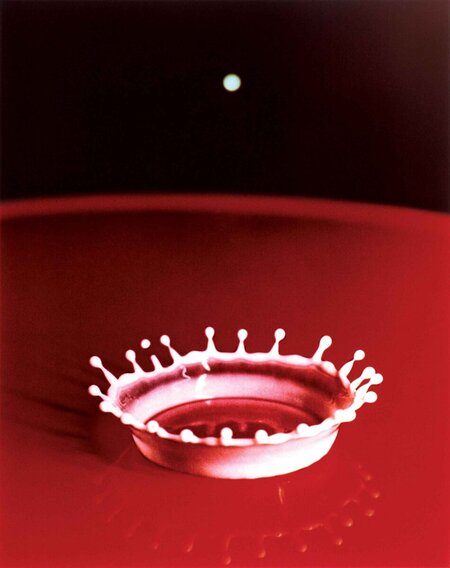
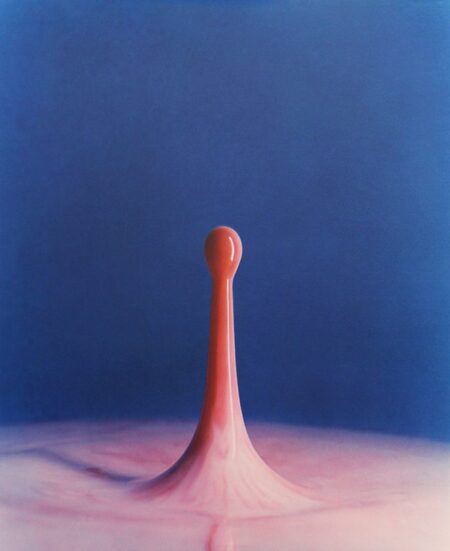
Harold Edgerton. «Crown of Milk Drop, ” 1957. Harold Edgerton. „Cranberry Juice in Milk, ” 1960.
Harold Edgerton. «Bullet Through an Apple, ” 1964.
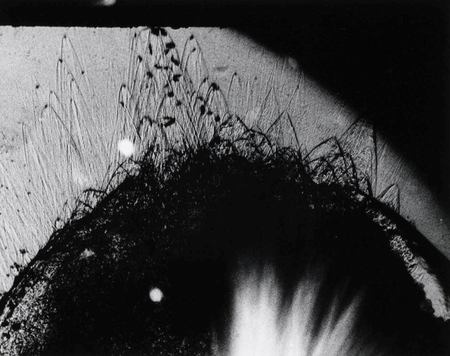
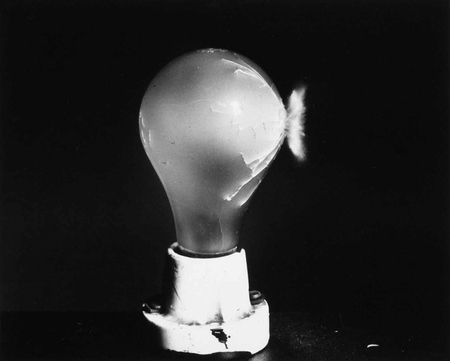
Harold Edgerton. «Bullet Splash,» 1940s. Harold Edgerton. «Bullet Through an Electric Bulb,» 1936.