Land art is an artistic movement in which the natural environment becomes the space and material for creating works of art. Artists interact with the landscape, altering it, constructing temporary installations, and making large-scale interventions in the surrounding environment. However, such works do not always elicit a singular aesthetic response. Some may appear excessively simple, meaningless, or unwarranted given the effort and resources invested. This raises the question: what exactly allows such actions and objects to be considered works of art?For this study, the philosophical approach of Immanuel Kant, outlined in the «Critique of Judgment, ” was selected. Kant distinguishes between mechanical and aesthetic art. Aesthetic art, in turn, is divided into the agreeable and the sublime (or graceful). Agreeable art aims to provide sensory pleasure, whereas the sublime is linked to aesthetic perception and the activity of human cognitive faculties.This research focuses primarily on the concept of sublime art. This is motivated by the nature of the land art pieces being examined: the artists do not aim to create functional objects or satisfy practical needs. Instead, they use the natural environment, modify the landscape, construct temporary structures, and perform artistic acts, the result of which is a piece intended for aesthetic appreciation.
Research Question
To what extent does land art correspond to Kant’s definition of the beautiful, and what contradictions arise when applying 18th-century aesthetic theory to contemporary artistic practices?
Hypothesis
Even though land art utilizes natural materials, temporary structures, and actions that may appear devoid of practical meaning, its works can align with Kant’s understanding of the sublime in art. However, not every artistic gesture automatically achieves the status of sublime art—the originality of the concept alone does not guarantee the work’s aesthetic value.
Principles of Visual Material Selection
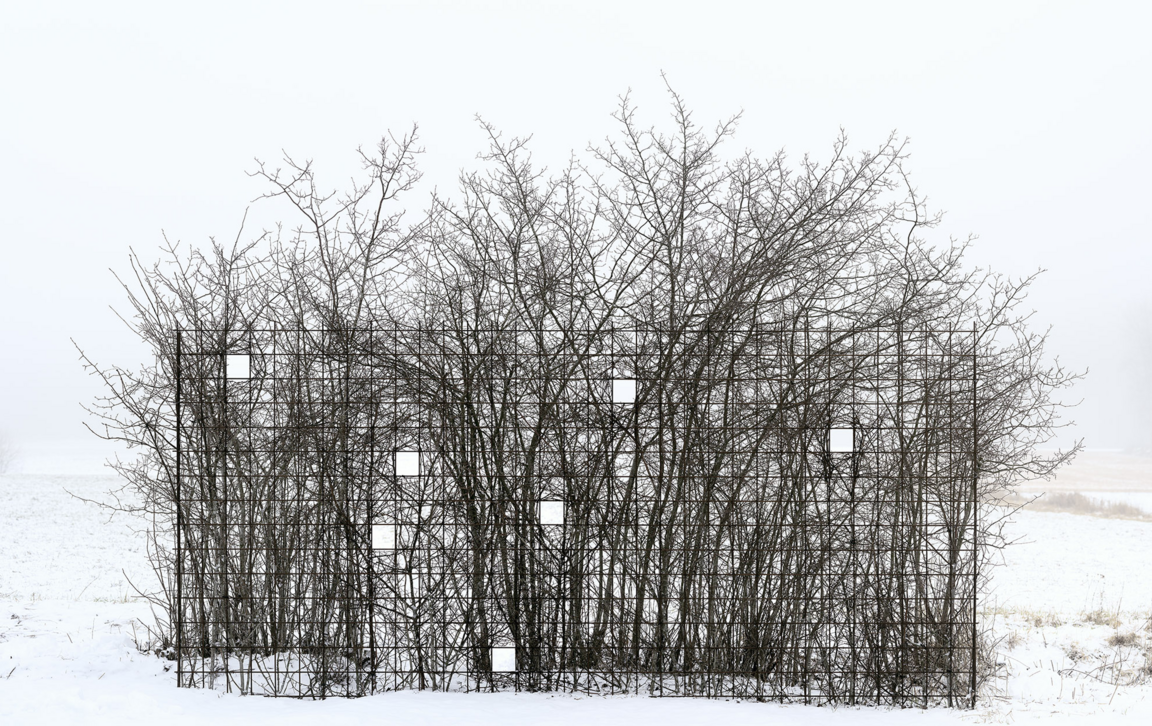
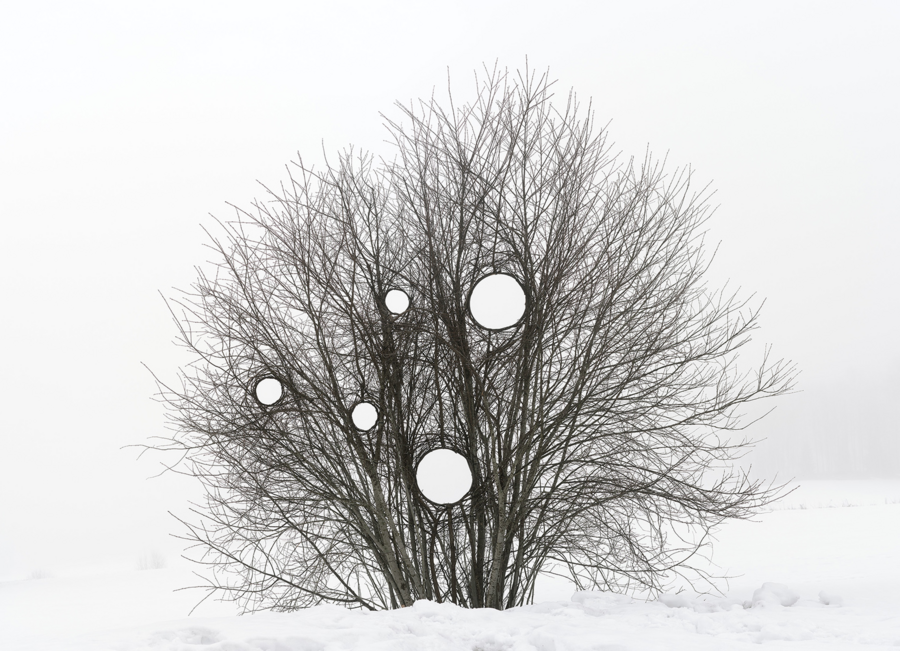
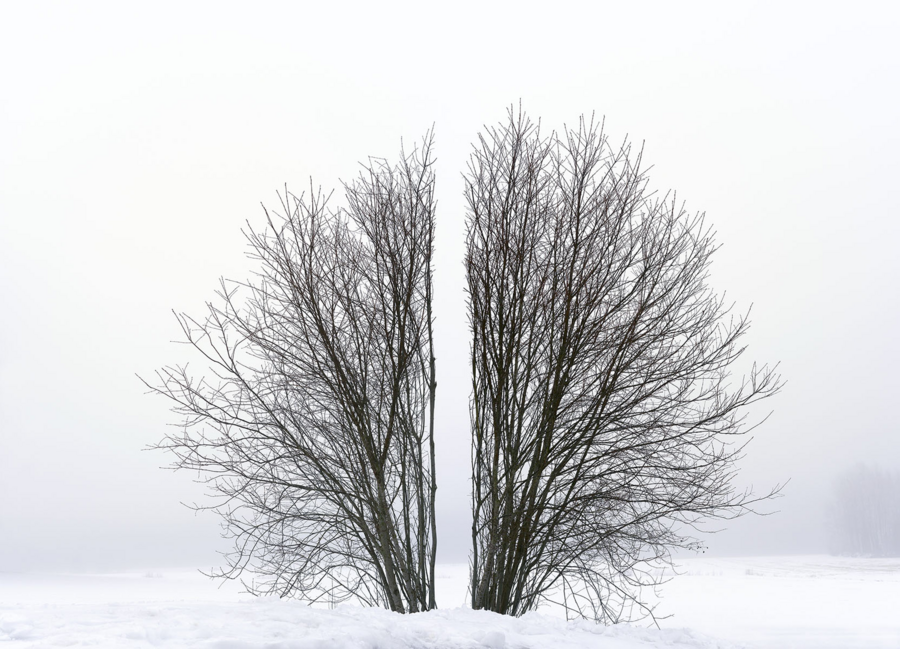
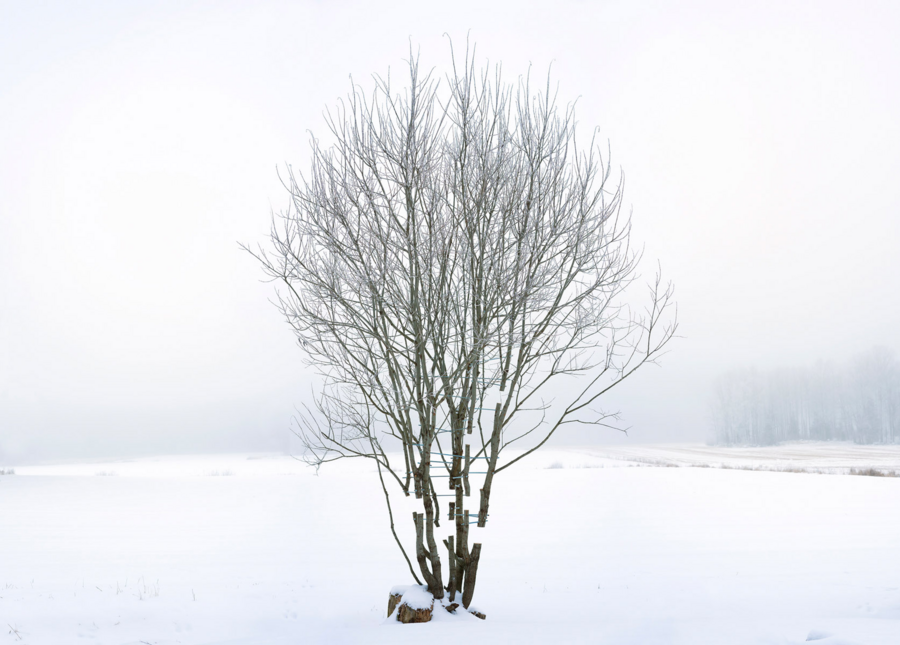
The works selected for this study feature artists who engage with the natural and architectural environment: Antti Lahtinen, Richard Long, Michael Heizer, Walter De Maria, Christo, and Jeanne-Claude. The primary selection criterion was the diversity of artistic intervention into the surrounding environment—ranging from simple actions and natural traces to the creation of monumental structures and the temporary transformation of existing objects. The chosen pieces allow us to examine various forms of interaction between the artist, nature, the material environment, and the viewer. Comparing these works provides an opportunity to test the extent to which different artistic practices align with Kant’s understanding of sublime art.
Categories
- Artistic Gesture and the Transformation of Nature.
- Artificial Form in Natural Space.
- Temporary Transformation of Natural and Architectural Environments.
- Land Art and Kant’s Criteria for Beautiful Art: Research Findings.
Research Objective
To determine the applicability of Kant’s concept of beautiful art to Land Art, and to identify the congruencies and contradictions between the philosophical definition of art and contemporary artistic practices.
Research Results
The comparison of the selected works indicates that land art cannot be assessed as a single, monolithic phenomenon. In some works, the artistic content is built around a simple action and its trace; in others, it revolves around creating a large-scale form within a natural space; and in a third category, it centers on the temporary modification of an existing object. Therefore, alignment with Kant’s concept of «sublime» art must be tested not for the movement as a whole, but in relation to each individual work. The primary contradiction lies in the fact that the artistic significance of many works is linked to the idea, the process, the scale of effort, or the uniqueness of the gesture, whereas Kant’s understanding of sublime art presupposes something beyond mere originality or technical mastery. The mere fact that an artist performed an unusual action or created a temporary structure does not automatically guarantee aesthetic quality. Conversely, the lack of practical utility, ephemerality, or unconventional appearance are not sufficient grounds for denying artistic status. Thus, the hypothesis receives preliminary confirmation in a refined form: land art works can be considered within the context of Kant’s concept of sublime art; however, this alignment cannot be established solely based on the originality of the concept, the labor involved, or the work’s recognition as art. It is necessary to analyze how the work organizes aesthetic perception and whether its form possesses independent expressiveness. Applying Kantian theory allows us not so much to render a universal verdict on land art as it does to identify the distinctions between specific works and the limits of 18th-century aesthetics when applied to contemporary art.