Navigation
Rubricator Concept Artistic Style Palette Eclecticism Architecture Panel Design Conclusion Bibliography Image Sources
Concept
The purpose of this study is to identify the influence of the Art Nouveau style, popular in the early 20th century and known in the United States as the «Tiffany style,» on the visual language of Winzor Mackey’s comic, «Little Nemo in Slumberland.»American Modernism had its own characteristics and differed from European Art Nouveau movements. Modernism possesses several distinctive traits that will be examined in detail and compared with Winzor Mackey’s artistic techniques. The style of «Little Nemo» largely resonates with the aesthetics of Modernism. In the United States, this movement was primarily manifested in decorative and applied arts and in the design of the everyday environment: it was associated with luxury, elegance, and the aspiration to transform mundane objects into works of art.
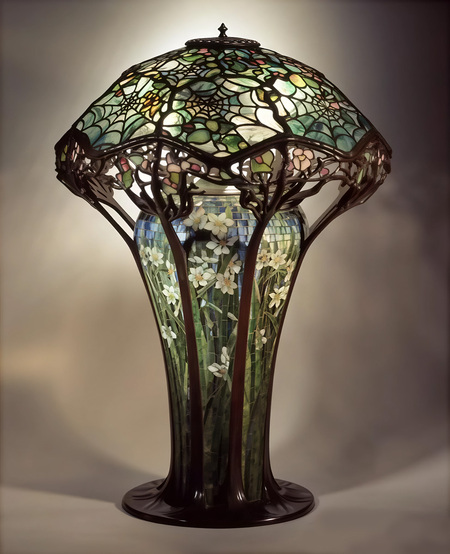
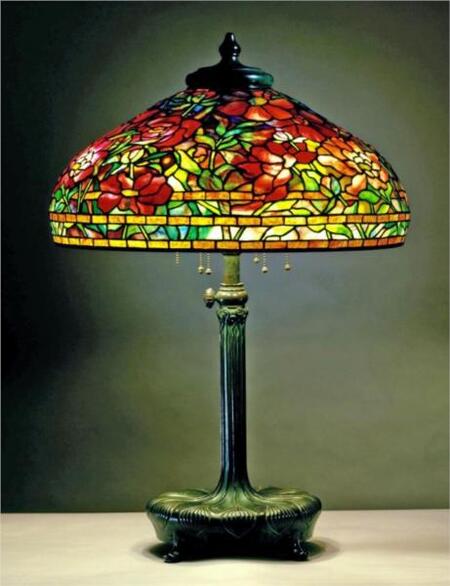
Library Lamp. Peonies, L. K. Tiffany, 1902. Library Lamp. Web, L. K. Tiffany, 1900.
The American name for this specialization is connected to Louis Comfort Tiffany, who gained fame for his work with colored glass and the creation of stained glass windows and decorative lamps. Interestingly, Mackey’s first teacher, John Goodison, was also a stained glass artist. This suggests that the artist’s early exposure to decorative arts may have influenced the formation of his visual taste.
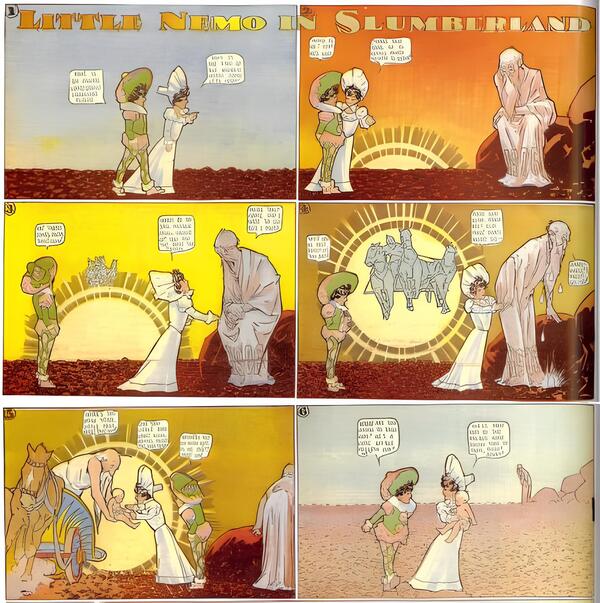
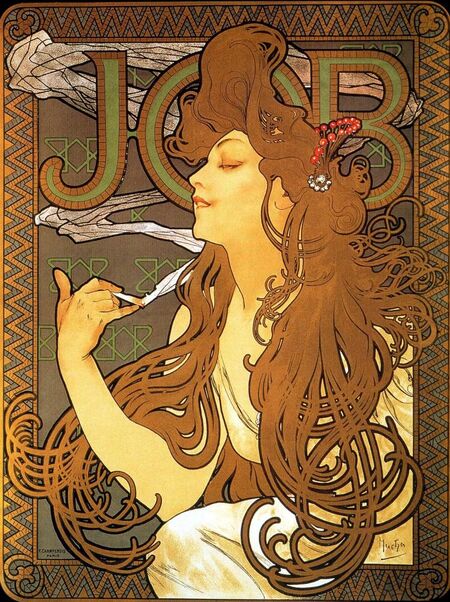
Excerpt from the comic «Baby Nemo in the Land of Slumber,» pg. 64, U. McKee, 1905–1914. Advertising poster for «Job» cigarette paper, A. Mucha, 1896.
The study will examine the core characteristics of American Modernism: organic lines, botanical motifs, ornamentation, attention to detail, and the decorative organization of space. Special attention will be paid to how these techniques manifest in the architecture, interiors, costumes, and world-building of The Little Mermaid.
Mackey does not merely transfer the aesthetics of Modernism into the comic format; rather, he uses it to create an independent artistic space. The whimsical architecture, complex page compositions, richly detailed settings, and fantastical transformations of the surrounding world make each illustration part of a cohesive visual narrative.
Artistic Style
Comic strip excerpt from «Little Nemo in Slumberland,» page 39, by U. McKay, 1905–1914.
The posters from the Art Nouveau era and «Baby Nemo in the Land of Dreams» are united by the graphic nature of their imagery. The outlined forms and the alternation of localized fills with volumes can be seen in the works of Alphonse Mucha.His advertising posters look like refined stained glass and combine not only an image but also typography, which also somewhat connects them to the comic book format.
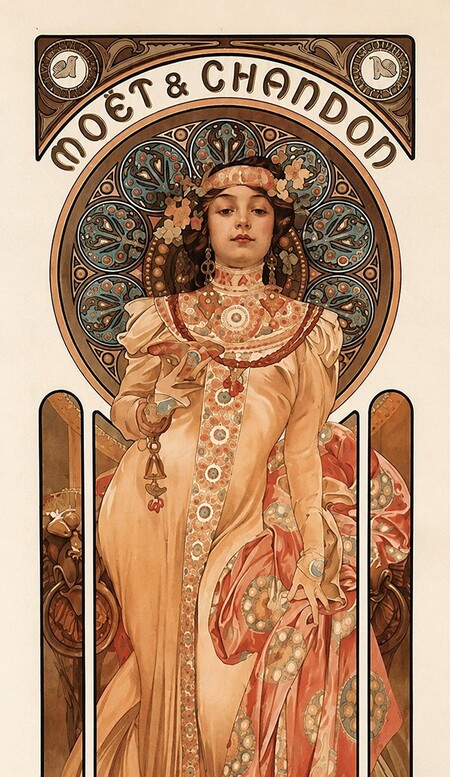
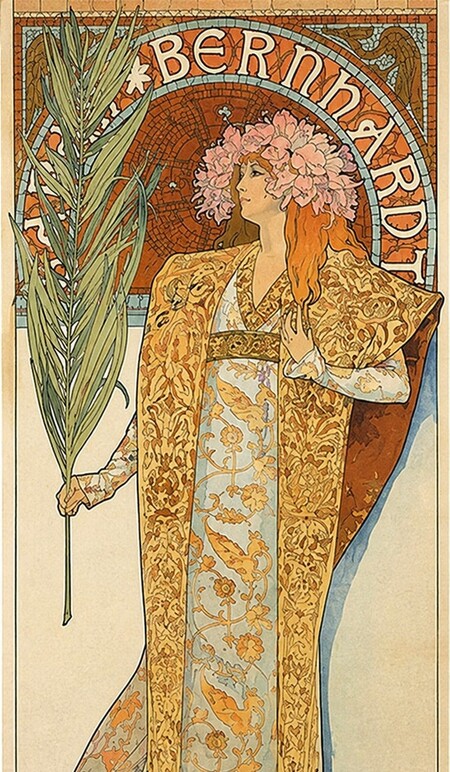
«Moët & Chandon Crémant Impérial, ” A. Mucha, 1899. Illustration: Poster for Victor Sardou’s play „Gismonda, ” featuring Sarah Bernhardt in the leading role at the „Renaissance“ Theatre in Paris, A. Mucha, 1894.
McCay also utilizes similar techniques, but it is important to note that this approach only brings «Little Nemo» closer to Modernism; it is not specifically borrowed from that style. Print graphics at the beginning of the 20th century had their own limitations, and artists needed to adapt to them.
Panel from «Little Nemo in Slumberland,» page 7, by U. McKay, 1905–1914.
The modern take on «Little Nemo» also ties into the plastic solutions in the comic: curved, «alive» lines, the conveyance of realistic, smooth contours of the human body, and
Comic, «Little Nemo in Slumberland, ” p. 22, W. MacKay, 1905–1914.
Palette
Eclecticism
«Monaco — Monte Carlo, ” Alphonse Mucha, 1897.
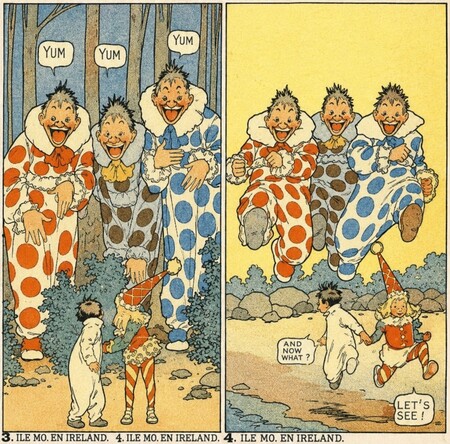
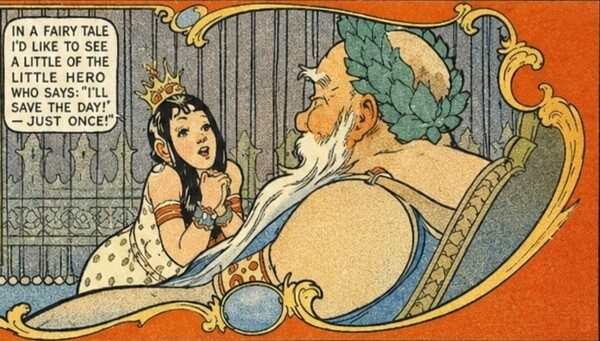
Comic excerpts from «Little Nemo in Slumberland,» p. 19, U. McKay, 1905–1914.
Architecture
It is difficult to claim that the architecture in the comic directly references modernism. In Sleepy Land, you can encounter a wide variety of architectural styles—from antiquity and classicism to Eastern motifs and contemporary architecture.
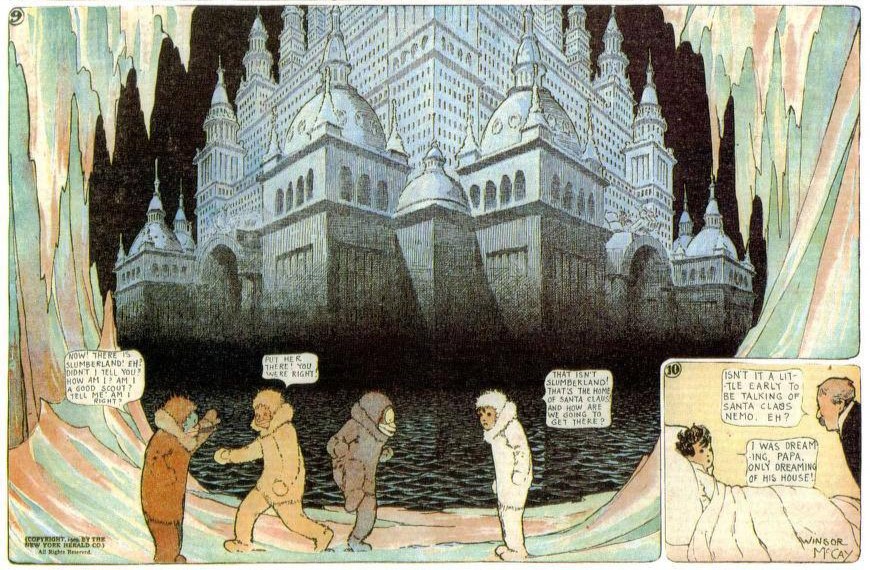
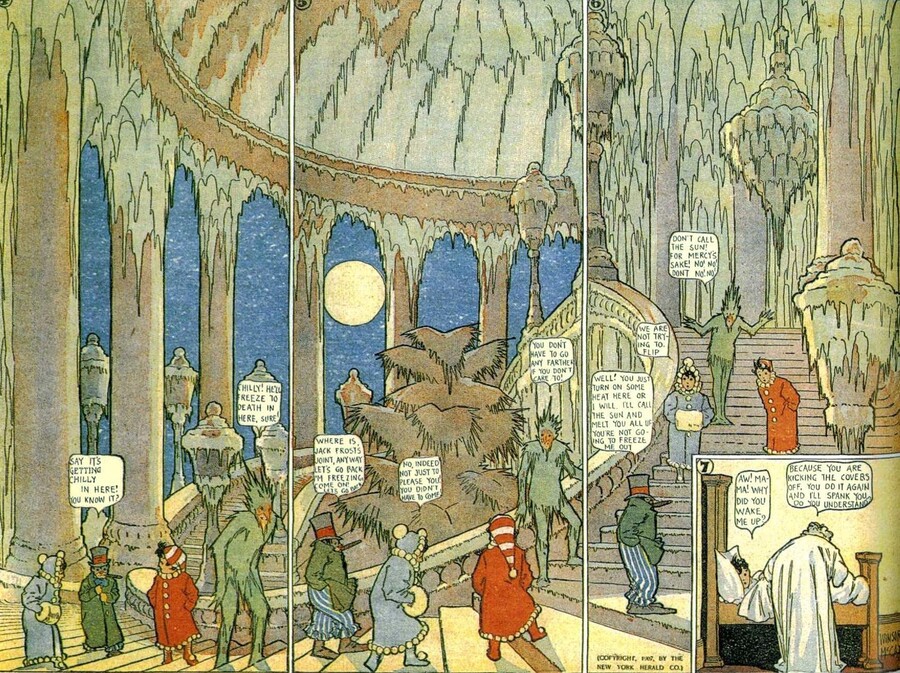
Comic excerpt: Little Nemo in Slumberland, pages 68, 214, by U. McKay, 1905–1914.
At first glance, they seem to contradict Modern aesthetic, yet in MacKay’s fantasy world, all these styles are subordinated to a single artistic language. It is in moments of magical transformation that it is especially noticeable how conventional architectural forms acquire the whimsy and decorative quality characteristic of the Modern aesthetic.
The buildings in the comic appear in a more conventional form, but this only underscores the surrealism of the plot.
Comic strip excerpt: Little Nemo in Slumberland, page 100, by U. McKee, 1905–1914.
Conclusion
The comic «Little Nemo in Slumberland» can be considered modern in every sense, because at the end of the 19th and beginning of the 20th century, there was a mass emergence of new artistic styles, and artists began to exist in an entirely new reality where the industrial meets the artisanal, and the everyday meets art.