Navigation Menu
01 Concept
02 Image Glossary
03 The Current Russian Market
04 Comparative Analysis
05 Film Versus Cover Art
06 Conclusions
07 Sources
Concept
The choice of theme stems from the fact that «The Master and Margarita» remains one of the most published and visually reinterpreted novels in Russian literature. Interest in the book has surged following Mikhail Lokshin’s 2024 film adaptation; during the first week of release, sales of the book on the «Chitai-Gorod — Bukvoed» online platform increased almost fivefold. Today, dozens of editions of the same text sit side-by-side on shelves and marketplace product pages, differentiated primarily by their cover art. The cover becomes the buyer’s first—and often only—introduction to the novel. Since the work contains several equally weighted narratives—the Moscow satire, the Jerusalem chapters, the love story, and Woland’s entourage adventures—the cover is inevitably forced to choose what to display, and this selection speaks volumes about how the novel is perceived and marketed today. The research material will be selected with a focus on the contemporary market: the sample will include editions currently available for purchase in major bookstores and on online marketplaces, spanning various price segments—from mass-market series to collector’s editions. For comparison, we will incorporate foreign editions of the novel, posters, and footage from the 2005 and 2024 film adaptations, as well as book illustrations, theatrical productions, and merchandise. Historical editions will not be considered; the study is concentrated on what currently exists within the reader’s visual landscape.
The research structure will be divided into several sections. First, a glossary of key images from the novel—from which the covers are sourced—will be compiled. Next, covers from the Russian market will be examined: a typology will be proposed, and each will be analyzed using a uniform scheme—what is depicted, which novel motifs are recognizable, and what the cover promises the buyer. The following section is dedicated to a comparative analysis of the sample using infographics: the frequency of motifs, the coverage of plotlines, the color palette, and the emotional register. Subsequently, the covers will be compared with the visual language of the film adaptations, and the influence of the film on the book market, foreign editions, and imagery beyond the cover will be discussed. The work will conclude with conclusions that test the hypothesis. To compare the covers, a saturation index is introduced—the sum of three metrics: the number of motifs directly derived from the novel’s text; the number of plotlines addressed out of six (Moscow satire, Jerusalem, The Master, Margarita, Woland’s retinue, the ball); and the degree of image complexity—from simple illustration to a system of mutual references. Since this scale is proprietary, what matters is not the absolute figures, but the relationship between the covers. The selection of textual sources will be based on their authority and relevance. Primarily, this will be the novel’s text itself, against which all motifs are cross-referenced; followed by materials about the film adaptations—reviews, analyses of the film’s visual codes, and interviews with costume designers; sales data from book networks and business publishers; and cover catalogs and selections, including foreign ones. These sources will be compared against each other to distinguish motifs genuinely rooted in Bulgakov from decorative and marketing choices.
Key research question: «What images and meanings from the novel The Master and Margarita do contemporary market covers convey, and how do they relate to the visual language of the film adaptations?» Based on this question, the following hypothesis is formulated: «Modern covers market the novel through Margarita and Woland’s entourage—chiefly the cat—presenting it as a mystical-romantic story, while the Jerusalem storyline and the Master himself almost disappear from the visual narrative; the 2024 adaptation places emphasis differently, centering on the writer and the totalitarian city.»
Image Glossary
These characters form almost any novel cover. The dictionary is necessary to distinguish a direct quotation from a decorative element.
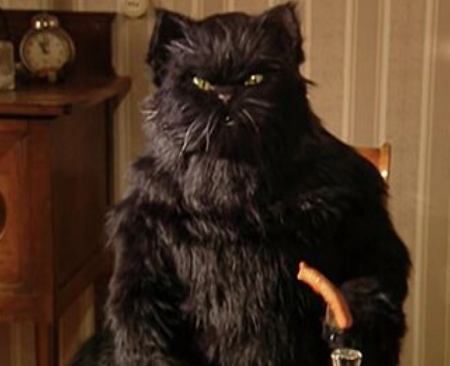
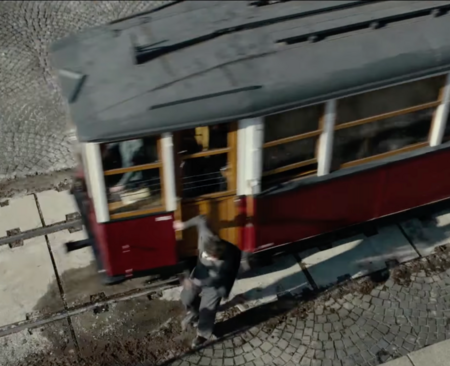
Stills from the film «The Master and Margarita» (2024). Director Mikhail Lokshin. Stills from the series «The Master and Margarita» (2005). Director Vladimir Bortko.
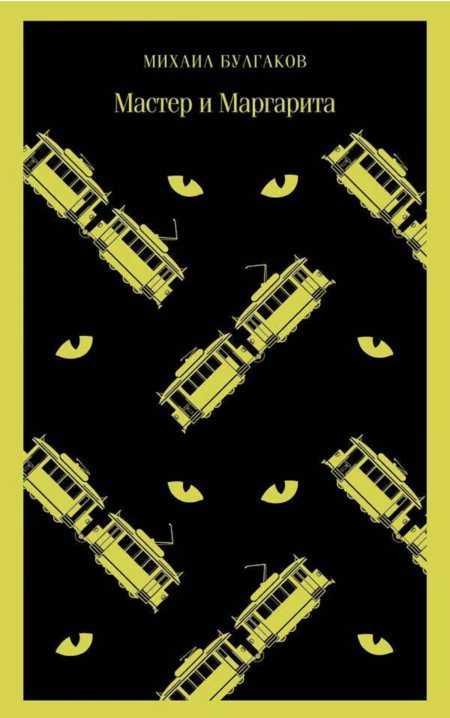
Behemoth the Cat — a massive black shapeshifting cat from Voland’s entourage; a jester and a bully; he walks on his hind legs, shoots, and drinks vodka. It symbolizes mystery with humor—the most recognizable and «marketable» image in the novel.The Tram — where Berlioz dies under the tram on Patriarshiye; «Annushka has spilled the oil.» On the cover, it signifies rock, chance, and a fulfilled prophecy—a symbol of the Moscow Metro line.
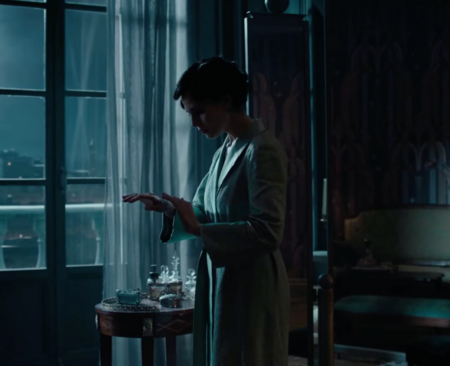
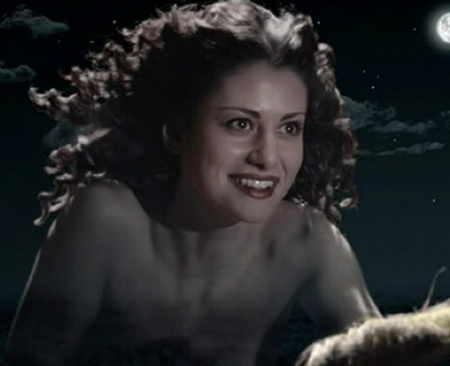
Stills from the film «The Master and Margarita» 2024. Director Mikhail Lokshin. Stills from the series «The Master and Margarita» 2005. Director Vladimir Bortko.
Luna — moonlight and the moonlit road in the Jerusalem chapters and in the finale. On the cover, it signifies: Night, peace, forgiveness.Flight — Margarita, having applied Azazello’s cream, flies over Moscow (in the novel—on a scrubbing brush, not a broomstick). On the cover—freedom, transformation into a witch
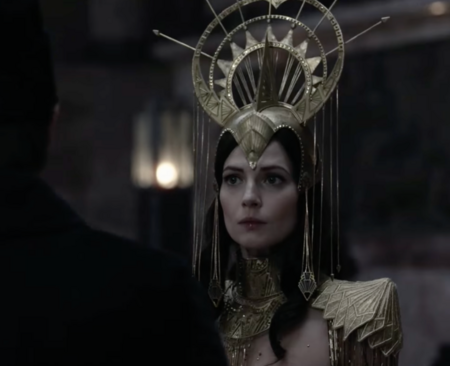
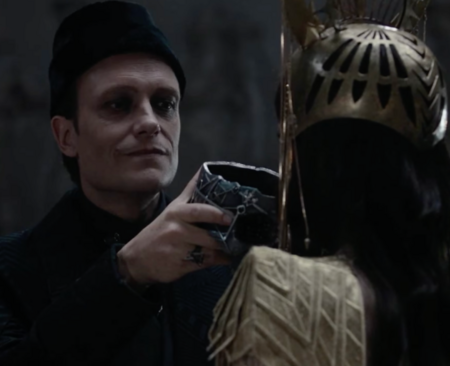
Stills from the film «The Master and Margarita» 2024. Director Mikhail Lokshin
Crown and Ball — Margarita — the queen of Satan’s full moon spring ball. The cover depicts power, sacrifice, and seduction. Blood — Before the ball, Margarita is washed in blood. A dedication and sacrifice; the cover can be read as a crown of thorns.
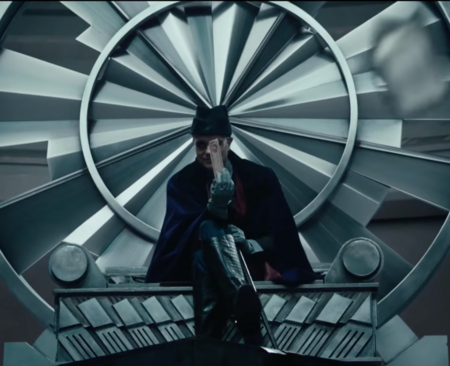
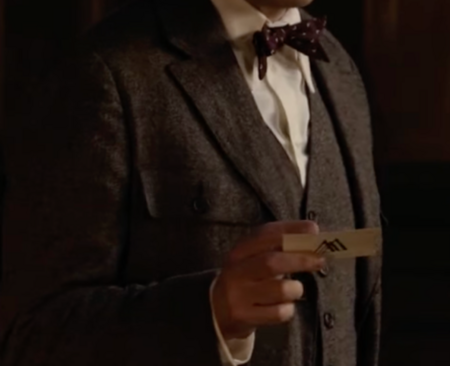
Stills from the film «The Master and Margarita» 2024. Director Mikhail Lokshin
Card Suits — A session of black magic at the Variety Show, tricks by Koroviev and Begemot. The cover features deception, theater, and satire of Muscovites.Letters W and M — W appears on the «professor’s» business card; M is on the cap that Margarita embroidered for the Master. The cover displays the devil’s signature and the author’s signature.
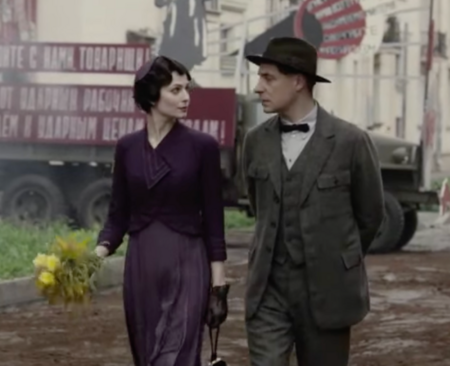
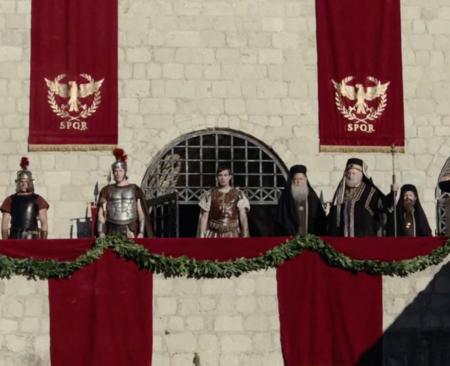
Stills from the film «The Master and Margarita» 2024. Director Mikhail Lokshin
Yellow Flowers — Margarita, with her «anxious yellow flowers, ” walks down the street when she meets the Master. The cover features love at first sight, a secret sign.Pilate and Jerusalem — „A novel within a novel“: the prosecutor in a white cloak with a bloody trim. The cover embodies guilt, cowardice, and a philosophical thread.
The Russian market now
Six covers fall into five types. The difference between them lies not just in style, but in the kind of romance they promise.
Painting instead of a novel
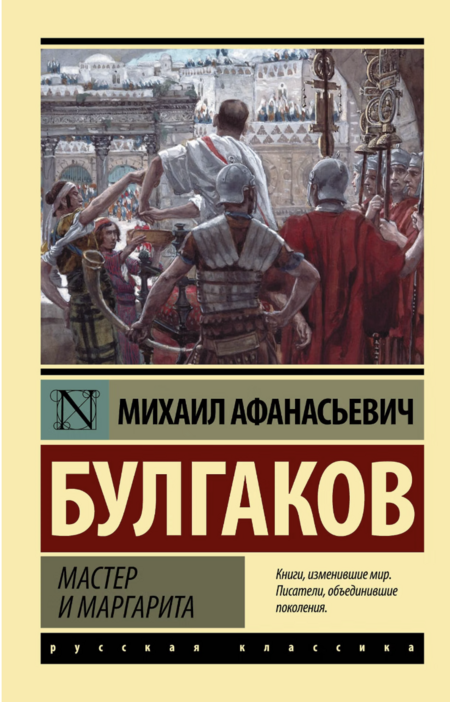
COVER #1
WHAT IS DEPICTED — Roman legionaries in helmets, a figure in a white toga on a raised platform, a trumpeter, a crowd, and a city in the background. The style resembles James Tissot’s watercolors from his series on the life of Christ (attribution should be verified against the book’s supplementary data). Below are large plaques featuring the author’s name and the title, along with the series line «Russian Classics.» IMAGES — Pilate, Jerusalem, Roman authority. WHAT IT PROMISES — A classic from the school curriculum. The painting faithfully references the Jerusalem chapters but is not designed for the novel; it is derived from art history and constrained by the series template. The author’s name on the cover is more significant than the image itself. SATURATION INDEX 2 + 1 + 0 = 3M. Bulgakov. «The Master and Margarita.» Book cover. AST Publishing House, 2010.Cat, moon, and suits
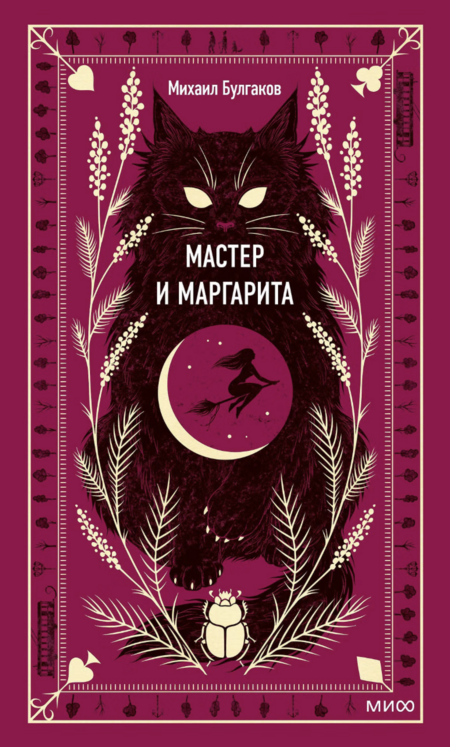
COVER #2
WHAT IS DEPICTED — A massive black cat with white eyes dominates almost the entire cover; within its body are a crescent moon and the silhouette of Margarita on a broomstick, with a scarab beetle at the bottom. Surrounding it are light wheat stalks, playing card suits within a frame, a tram in the corners, and trees with tiny figures along the perimeter. Published by MIF. MOTIFS — Hippopotamus; the moon and Margarita’s flight; the suits represent tricks in a Variety show; the tram symbolizes Berlioz’s demise. The scarab is not mentioned in the text: it is an Egyptian symbol of rebirth and immortality that rhymes with the theme «manuscripts do not burn, ” and unexpectedly, with Egyptian symbols in Voldemort’s costume in the 2024 film. WHAT IT PROMISES — A mystical cipher-tale that one wants to decipher. The cover functions as both a tarot map and a gift. SATURATION INDEX 5 + 3 + 2 = 10M. Bulgakov. „The Master and Margarita.“ Edition cover. MIF Publishing, 2023.One Tram
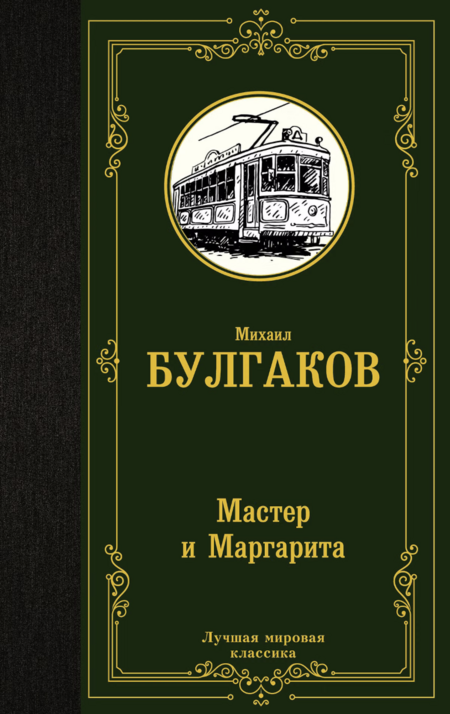
COVER NO. 3
IMAGE DESCRIPTION — A dark green cover with a gold ornamental frame; a graphic tram is featured in the circular medallion. Part of the «Best World Classics» series. MOTIFS— The tram — the death of Berlioz, rock. WHAT IT PROMISES — Solid, «gift-worthy» classics. There is only one, yet key, symbol: the romance begins with a prophecy of death, and the tram becomes a symbol of fate. Choosing the tram over the cat is a restrained, «intellectual» move. SATURATION INDEX 1 + 1 + 1 = 3M. Bulgakov. «The Master and Margarita.» Edition cover. AST Publishing, 2018.Ball like a movie poster
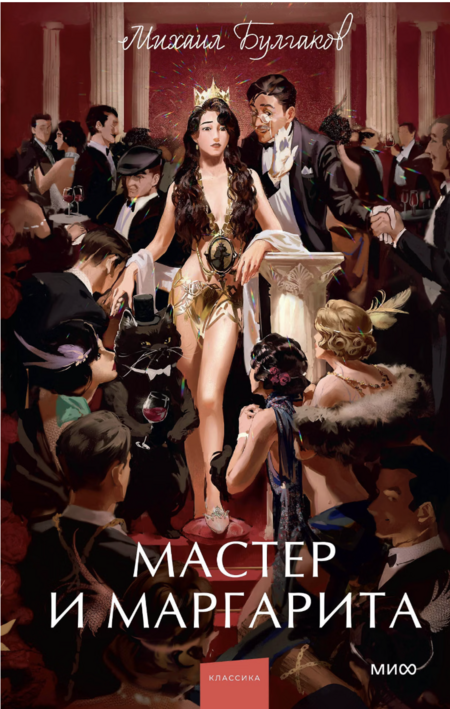
COVER #4
DESCRIPTION — Margarita in a crown and an opulent golden gown by a column; next to her is a black cat in a top hat and bow tie holding a glass of wine, a man wearing spectacles (likely Koroviev), guests in frocks and dresses from the 1920s–1930s fashion, and a red hall with columns. Margarita has an oval medallion on her chest. Published by MIF, in the «Classics» series.MOTIFS — Margarita—queen of the ball; crown; Behemoth; Koroviev; medallion—an image of a poodle from the ball scene.
THE PROMISE — A lavish, sensual celebration in the spirit of «The Great Gatsby.» This is the only cover in the selection where the novel is presented through a mass scene and physicality; linguistically, it leans closer to a fantasy film poster than to a book.
SATURATION INDEX 5 + 2 + 1 = 8
M. Bulgakov. «The Master and Margarita.» Book cover. Published by «ROSMEN», 2026.
Roman as a Pattern