Please provide the Russian text you would like me to translate.
Introduction
In this study, I propose examining the characters from the iconic animated film «Toy Story» from an unexpected angle, fundamentally shifting the audience’s perspective. What if Andy, the beloved «good boy» who loves toys, is actually a passive imitator whose imagination is entirely dictated by advertising imagery and marketing scripts? What if Sid, the neighborhood delinquent presented as the main antagonist, is actually a failed, marginal artist capable of seeing vibrant creative material beneath commercial veneers? From the perspective of advertising theory, this conflict reveals a deep schism between two consumer psychotypes: the conformist, who purchases ready-made meanings, and the radical individualist, who deconstructs the commodity form in pursuit of authentic creation.

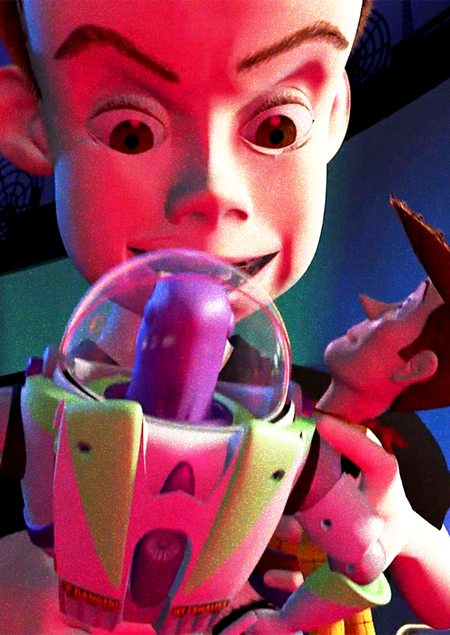
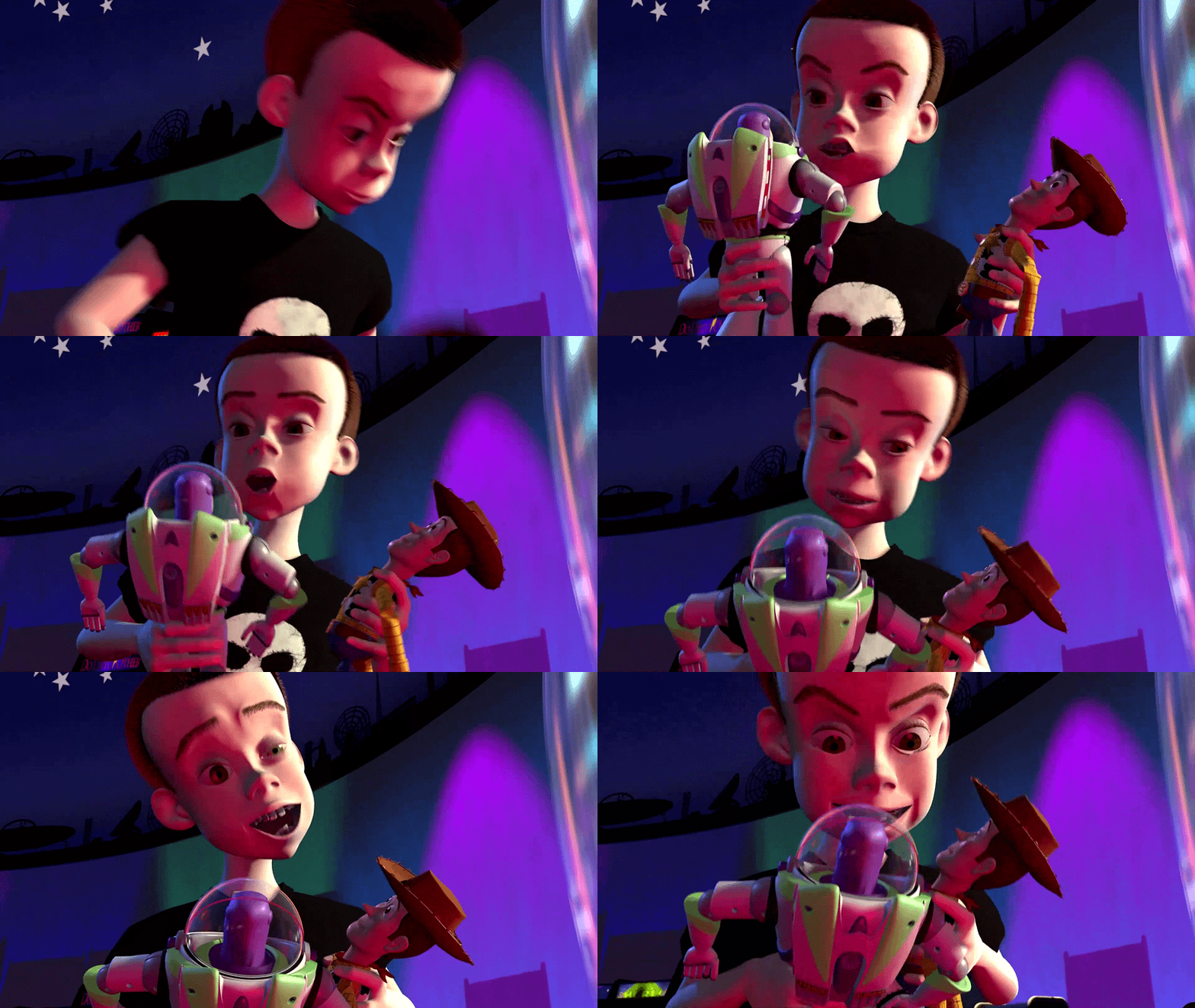
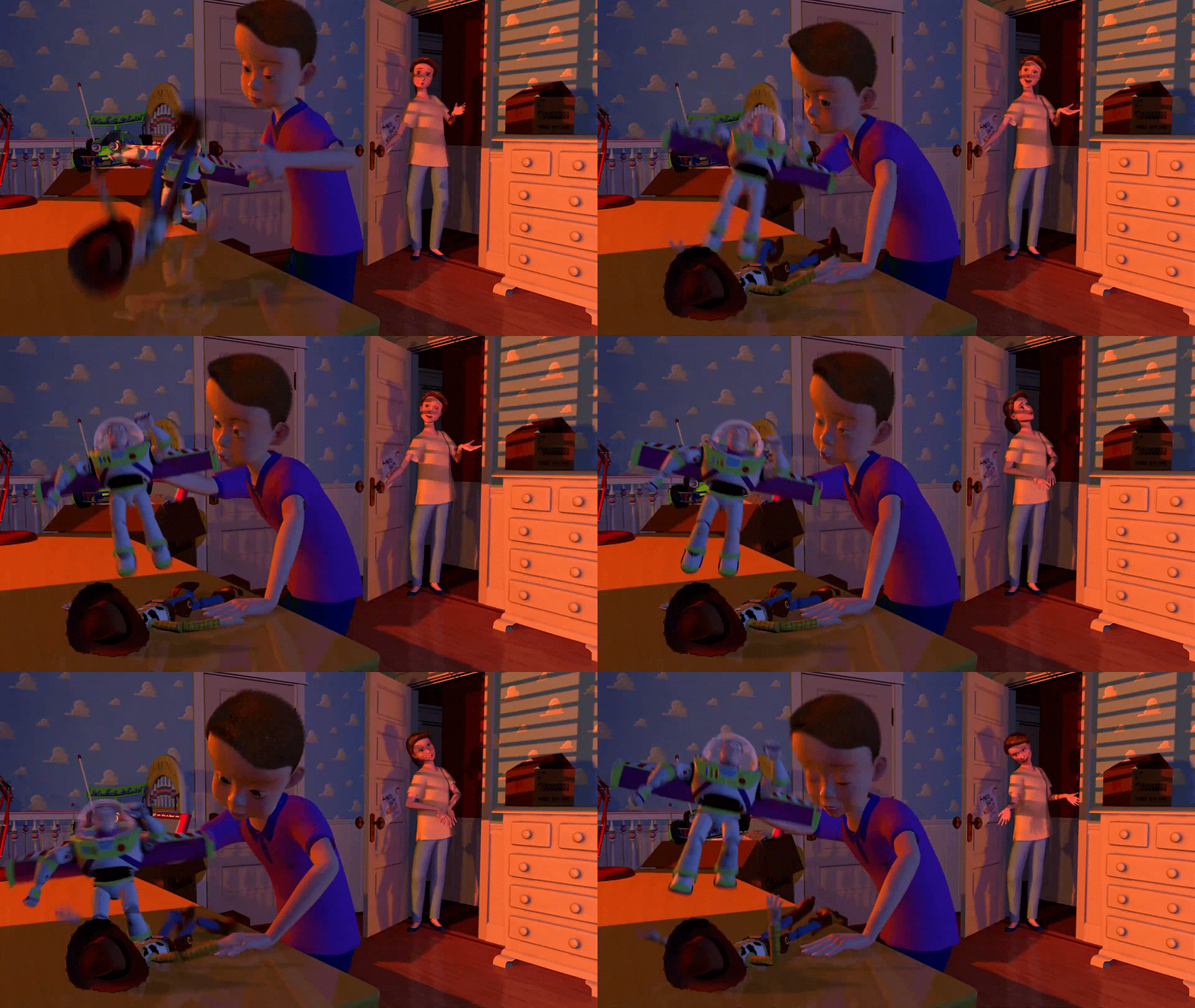
Stills from the animated film «Toy Story 2» (1999), directed by John Lasseter, Pixar / Walt Disney Pictures
Please provide the Russian text you would like me to translate.
Two Perspectives on Play and Two Consumer Psychotypes
In «Toy Story, ” we are presented with two boys: Andy, who plays „correctly, ” and Sid, who plays „incorrectly.“ From a marketing and consumer psychology perspective, these are two polar psychological types—the „imitator“ and the „independent.“ In advertising theory, such a classification is built on differences in values, motivations, emotions, and decision-making models. It helps brands tailor precise messaging, visuals, and offers for different audience segments.
Andy (left) and Sid (right)
Please provide the Russian text you would like me to translate.
Andy as an Imitator: Fanfiction Based on Advertising
Andy is the classic «imitator» (or conformist). This psychotype’s core values are group belonging, social approval, and adherence to norms. His motivations in play are directly dictated by popular culture and advertising promises: he wants to own what is fashionable and enact scenarios already deemed «correct.» When making decisions, the imitator relies on external authorities—television commercials, friends, or trends.
Stills from the cartoon «Toy Story» (1995), directed by John Lasseter, Pixar / Walt Disney Pictures
Therefore, Andy’s game can be called exemplary: PG plots, expected and encouraged tropes, and a marketable, spectacular aesthetic. I call his gameplay sessions «fanfiction for advertising.» This is commercial fetishism, seamlessly ingrained since childhood: Andy doesn’t create meaning; he reproduces it, and all his fantasies pass through the filter of brands. For such a consumer, bright offers promising status and participation in a grand adventure—like when buying Buzz Lightyear—are perfectly effective.
[No Russian text was provided for translation.]
Sid as «Independent»: Deconstruction Instead of a Script
This approach is countered by the Seed persona—the typical «independent» consumer (individualist). The core values of this psychotype are freedom, authenticity, self-expression, and a rejection of imposed rules. They are driven by internal curiosity rather than a desire to meet societal expectations. The decision-making model for independents relies exclusively on personal experience and a critical attitude toward authority: advertising visuals and loud slogans only provoke skepticism or a desire to do the exact opposite.
Therefore, Sidd is drawn not to images, but to the objects themselves. He doesn’t care how popular the toy is—whether it’s a best-selling Buzz Lightyear, a wind-up frog, or a doll stolen from his sister—they are all equal in the face of his obsession. For him, a toy is not a commodity, but a field for experimentation. He dismantles the ready-made form to create something of his own.
When Sid detaches the nipple and attaches it to the spider’s legs, he is as if saying, «Look, this cute image is just plastic. I can turn it into a monster.» Through this act, he explores the boundaries of objects and engages in their deconstruction.
(No text provided for translation.)
Love for the image versus interest in matter
One might assume Andy has more empathy for the toys because he handles them more carefully. However, Andy cherishes the images, not the objects themselves. As a typical imitator, he is attached to the symbolic value of the thing. He doesn’t love the material item—the plastic, the thread, or the stuffing—but the idea of Woody that was sold to him. As soon as a doll’s arm tears, the magic dissipates. Woody ceases to be a hero and becomes a defective product. The thought of fixing the toy himself doesn’t even cross the boy’s mind. Andy waits for his mother or a restorer to restore the item to its marketable condition so that it can once again become «his Woody.»