About the city…
Shuya is one of the oldest cities in the Ivanovo region, first mentioned in the 1629 chronicle as a center for soap-making craftsmanship. In the 19th century, the city flourished, becoming an important industrial and trade hub of the Russian Empire. Merchant traditions, patronage, and artisanal production—from textiles to the famous Shuya soap—developed vigorously here. The city’s folklore holds particular significance in its image. The people of Shuya have long been known for their wit and resourcefulness, which is reflected in proverbs and rhymes, such as: «A Shuya rogue can rope anyone into a harness, ” and „If only I had strong soap.“ Today, Shuya maintains its distinct character—a city with spirit, where history, labor, and folk culture continue to live on in objects created by hand.
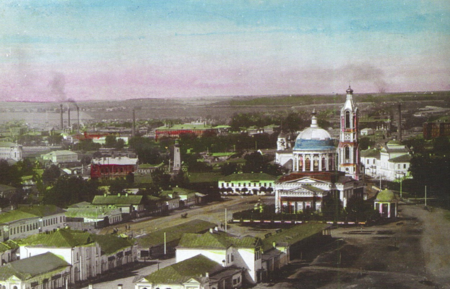

At the turn of the 19th and 20th centuries, Shuya experienced a period of flourishing and became one of the notable centers of the Russian Empire. Merchants and industrialists built factories, churches, almshouses, and schools, funding urban improvement. Soapmaking, first mentioned in the 1629 chronicles, transformed into a stable local tradition passed down through generations.
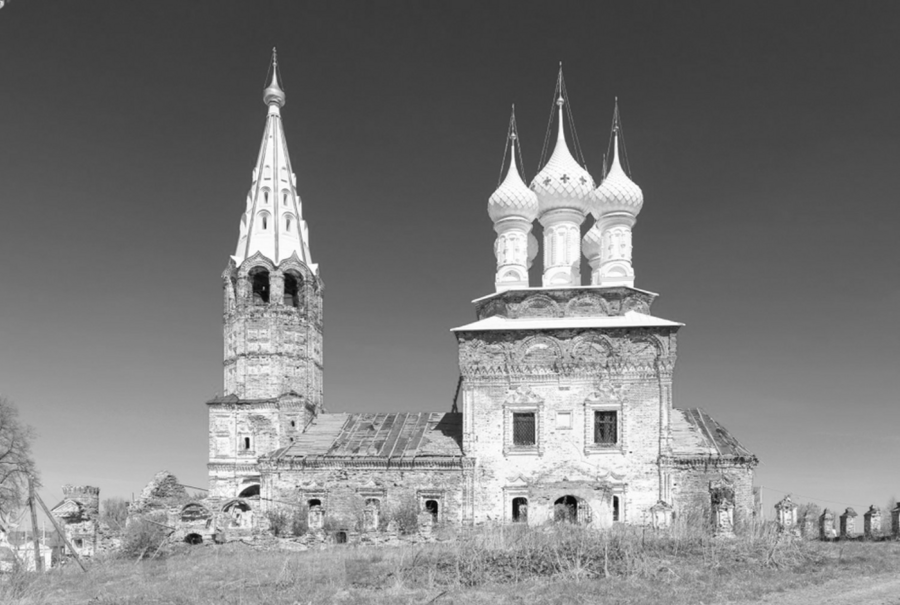
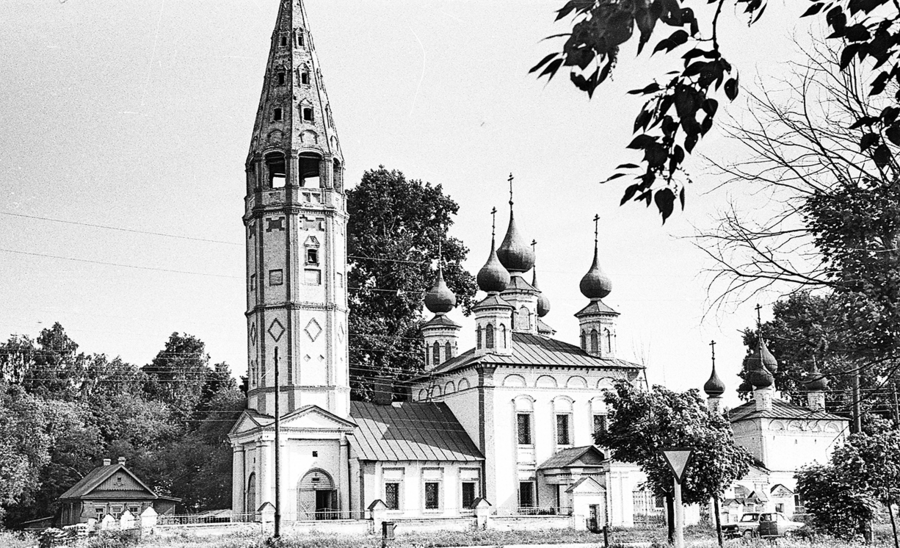
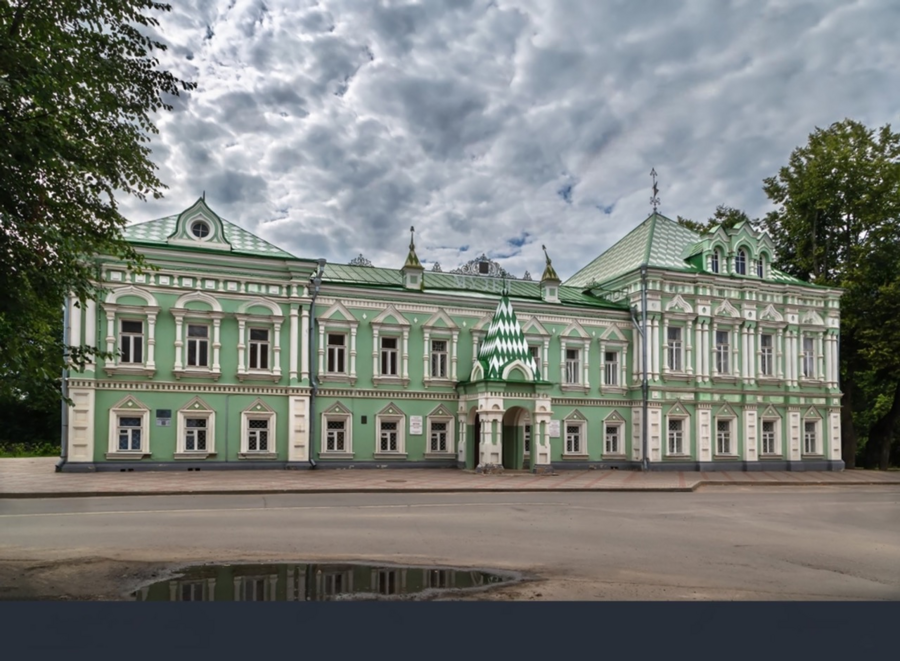
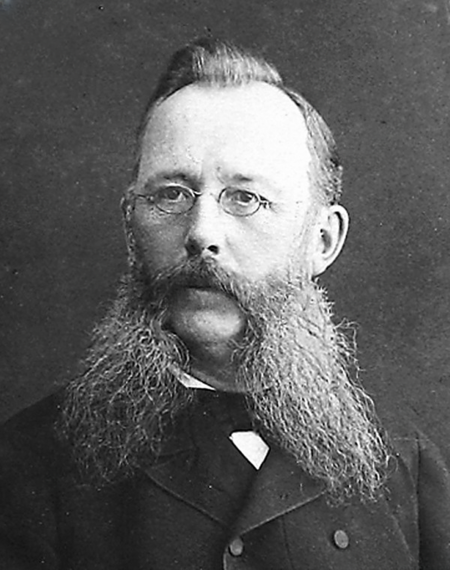
Shuya was renowned not only for its production but also for its culture of philanthropy. A formula prevailed there: «Earn it—give back to the city.» Merchants Tropinin and Popov considered investing in the common good to be a noble act.
Historians have noted the special significance of Shu as an ancient «royal city of White Rus, ” a place where craftsmanship, faith, and entrepreneurship forged a unified cultural code.
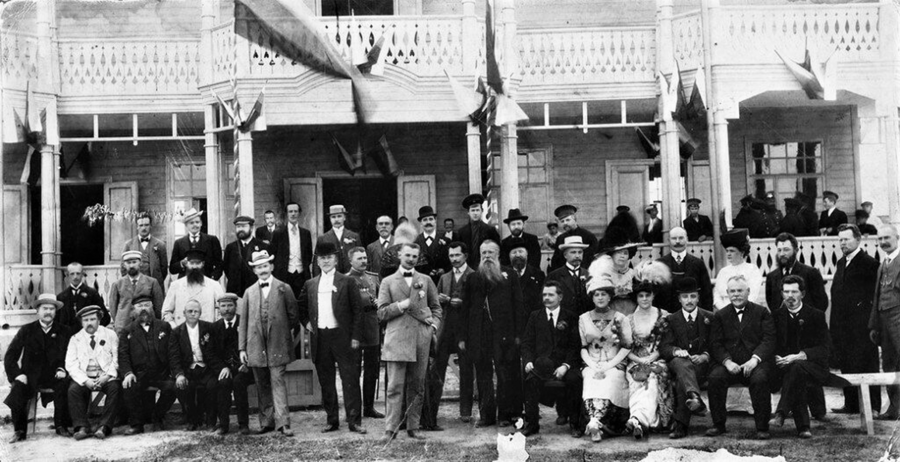
Russian Style
In the second half of the 19th century, the Russian style became a paramount direction in the artistic culture of the Russian Empire. It emerged as a reaction against excessive Western influence and a desire to find its own formal language, based on ancient Russian architecture, folk ornamentation, and natural symbolism. This style merged traits of historicism and romanticism, referencing architectural and decorative motifs from the 17th century—such as tented roofs, arches, wood carving, and vegetal and zoomorphic patterns. It embodied the idea of national pride and served as a means of expression for both the people and the state, uniting peasant culture with imperial grandeur.
The Tsar Berendey’s Chambers. Design sketch for the opera «Snegurochka» by N. A. Rimsky-Korsakov. V. M. Vasnetsov (1885)
The choice of Russian style for the project concept is intrinsically linked to the very essence of the town of Shuya—its artisan, merchant, and folk heritage. Like the Russian style itself, it harmonizes simplicity with decorative richness, labor with beauty, national memory with handcrafted skill. For the merchant epoch of the 19th century, this style was more than mere aesthetics; it was an expression of self-awareness. Through ornaments, carvings, and color, the ideals of Orthodoxy, folk spirit, and continuity were embodied. Within Shuya’s traditions of soap-making, textiles, and woodwork, that same spirit endures—a union of the utilitarian and the poetic, reflecting the soul of Russia.
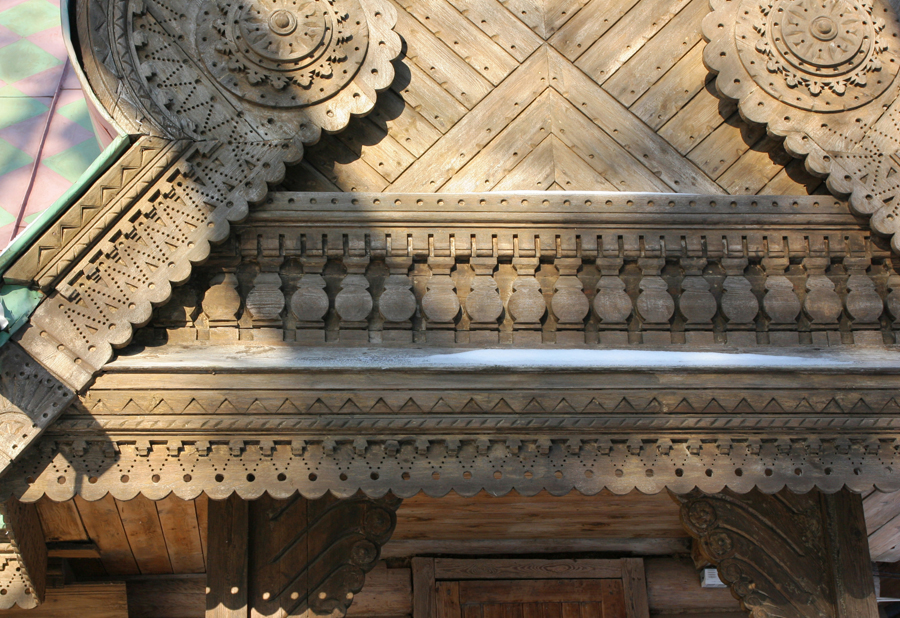
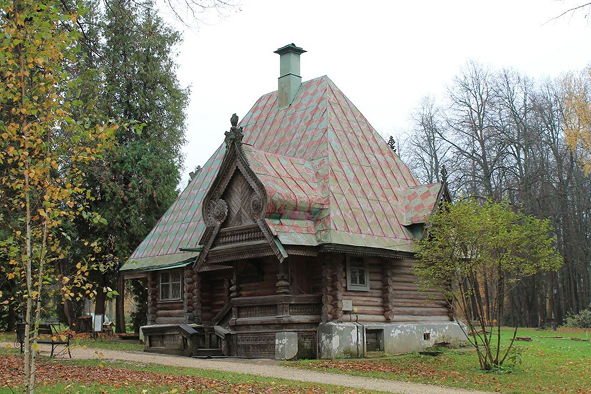
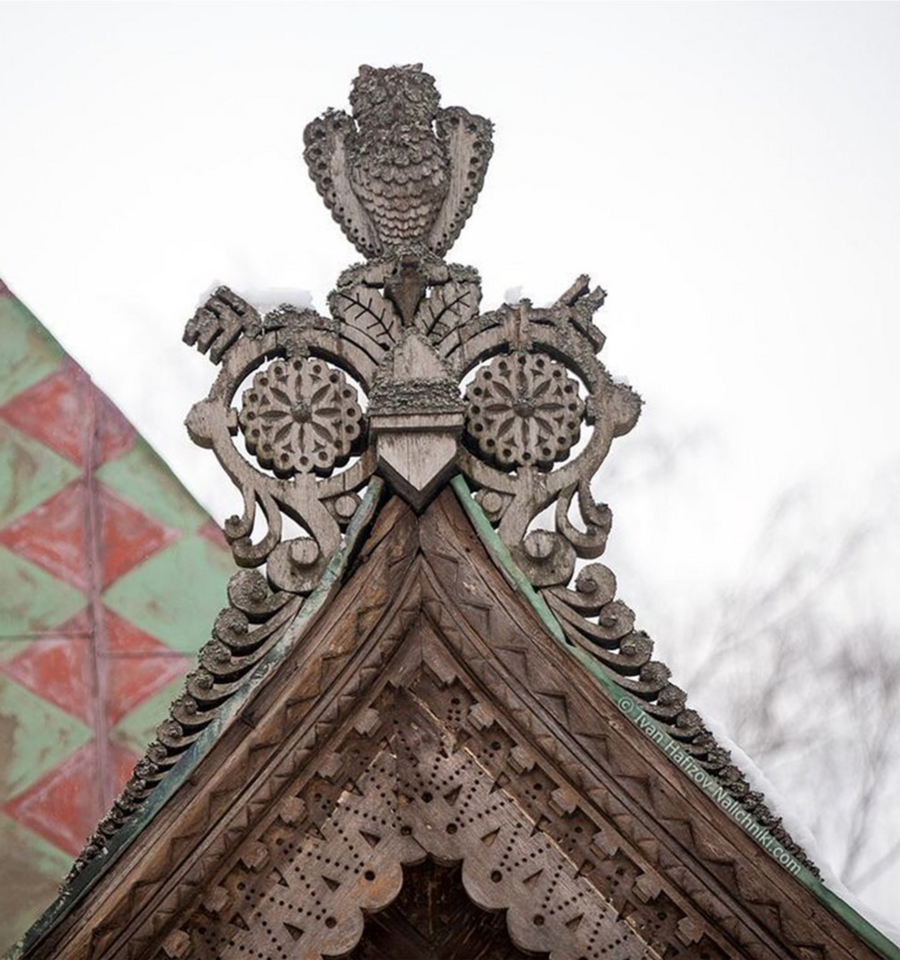
The Bathhouse Teremok in Abramtsevo, I. P. Ropet (1877–1878)
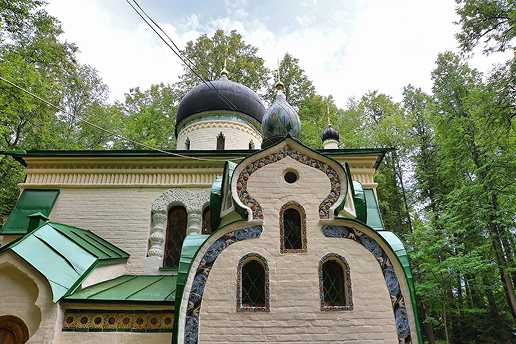
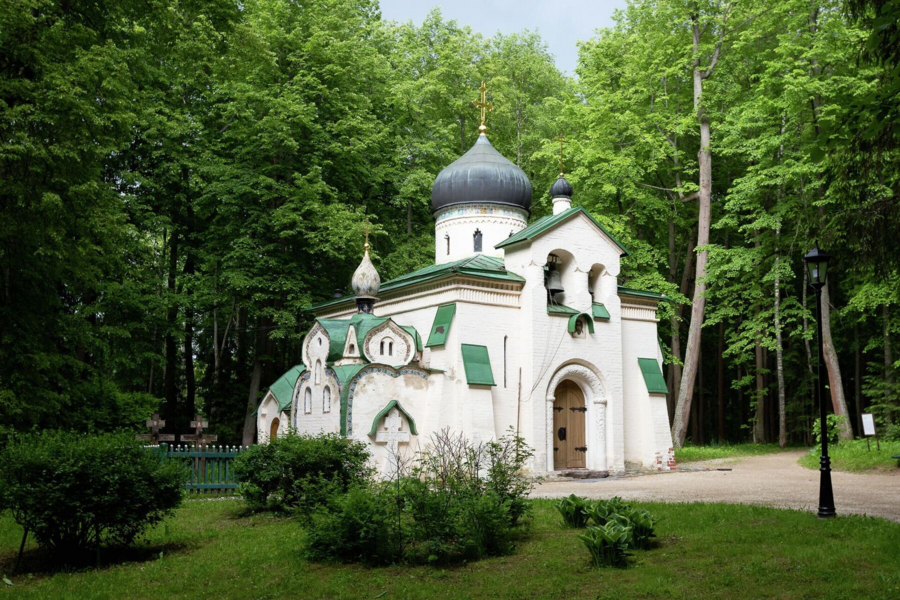
Church of the Savior Not Made by Hands in Abramtsevo. Based on a design by V. M. Vasnetsov (1881–1882)
The Russian style, which developed from the mid-19th to the early 20th century, merges elements of folk art, Old Russian architecture, and the decorative aspects of Art Nouveau. Its foundation lies in the aspiration to express national identity through artistic form. Unlike strict European movements, the Russian style leans toward the softness of lines, ornamentation, and natural harmony. It is characterized by motifs from the plant and animal world—sheaves, birds, animals, grasses—intertwined into patterns that symbolize fertility and humanity’s connection to the earth. In architecture and decorative arts, wood, clay, fabric, and metal were actively employed, emphasizing the warmth of craftsmanship.
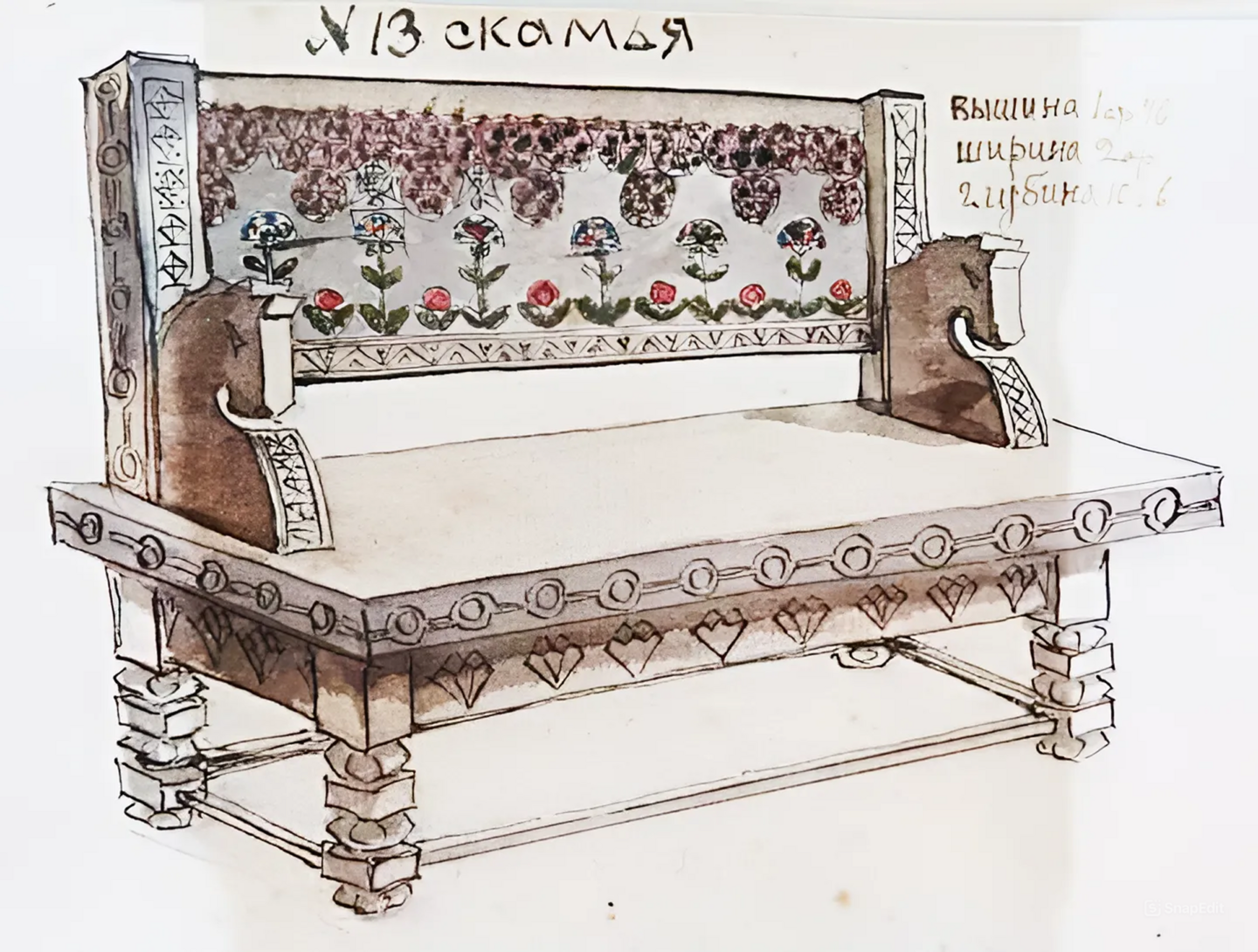
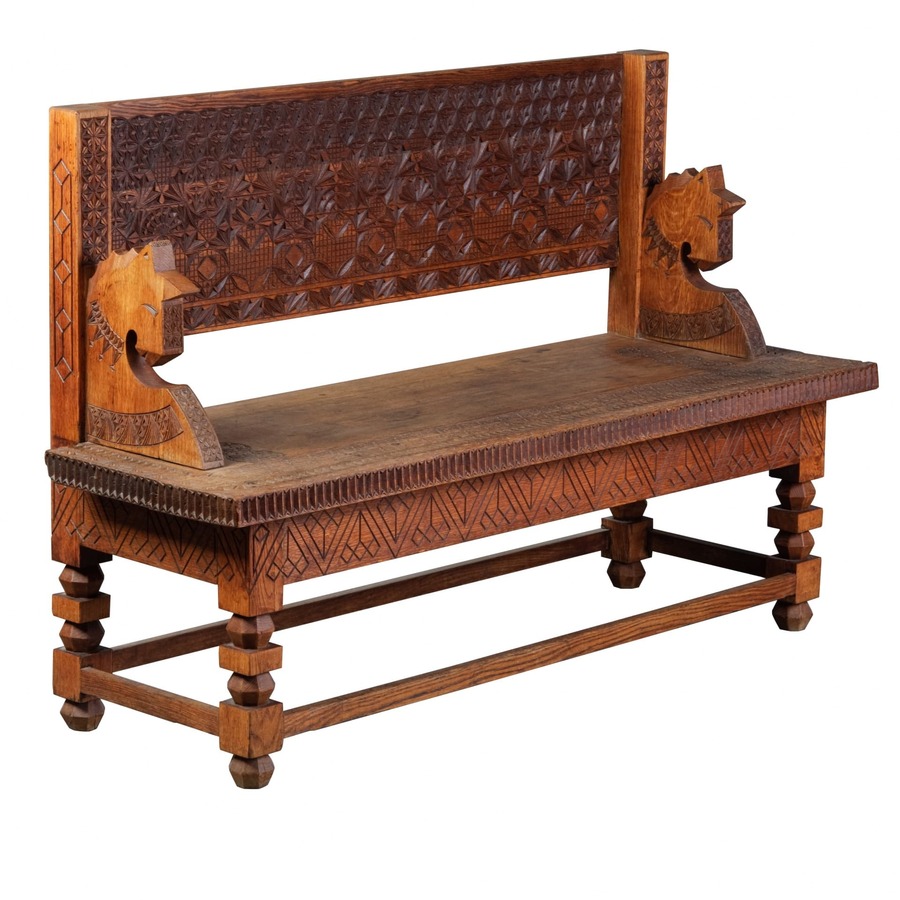
Bench. E. D. Polenov (late 19th century)
Project Concept
My project involves rebranding «Shuysky Soap, ” drawing inspiration from local folklore and the distinctive speech patterns of the city of Shuya. The core concept is to demonstrate how vibrant folk speech, ditties, and proverbs can form the basis of a contemporary brand’s visual and semantic code. Shuya is a city with a unique character, where humor and wit have long become part of its cultural heritage.
The soap is gray, but it washes white
The rebranding of «Shuysky Soap» is based on the aesthetics of the late 19th-century Russian style, a period when folk art and folklore became a source of inspiration for the masters of Abramtsevo and Talashkin. Today, too, through the image of soap—an everyday object—the project redirects attention toward simple things that retain cultural memory. The goal of the project is to reinterpret local craftsmanship as part of contemporary visual culture, demonstrating that folklore is not the past, but a living language of the city capable of finding a new form in design and communication.
Logo Option
Logo options
Identity
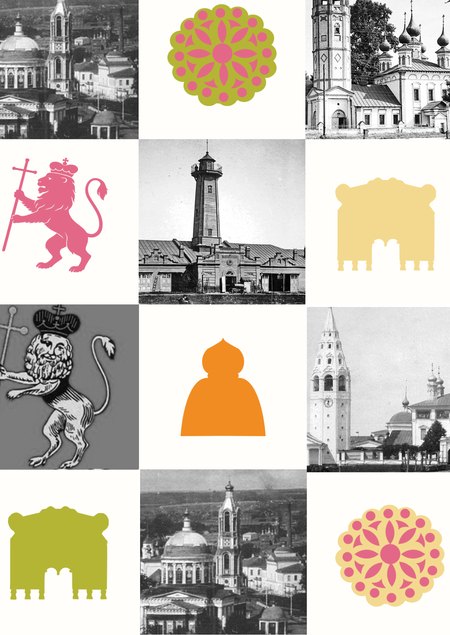
In the brand identity, I gathered key elements that reflect both the aesthetic of the chosen Russian style and the identity of the city of Shuya. The foundation rests on symbols that form the visual and semantic code of the project: the lion from the Shuya coat of arms (a sign of the city’s strength and dignity), Shuya proverbs and sayings (reflecting the folk character, irony, and vibrant language), the decorative element of the bathhouse in Abramtsevo, and a fireplace based on Vrubel’s sketches (allusions to craftsmanship and the artistic heritage of the era), the silhouette of the church as a reminder of Shuya’s spiritual history, and the head of a horse from E. D. Polenov’s bench, as a symbol of movement, skill, and folk artistry.
Identity on the package