Navigation
- Concept
- The 1990s
- The 2000s
- The 2010s
- The 2020s
- Conclusions
- References
Concept
The visual study is dedicated to Russian social advertising aimed at birth rate control. It examines the key triggers used to incentivize the population.
For several years, Russian demographic policy has focused on increasing the birth rate, supporting families with children, and promoting large families. For instance, the address to the Federal Assembly on February 29, 2024, outlined the need for sustained birth rate growth, positioning large families as a desirable societal benchmark [1]. In 2025, a strategy for implementing family and demographic policy, supporting large families until 2036, was approved [2].
In this context, advertising serves as a means of communicating with the public. It conveys state policy to citizens, forms associations, constructs images of the future, and discusses the benefits of having children.
The study examines advertising materials from the 1990s to the present day. The key selection criteria are adherence to the timeframe and thematic relevance—only materials that directly or indirectly address the topic of birth rate will be analyzed. The format is not a concern; urban banners, digital images, and posters will all be considered.
Since the study covers a specific time period, the sections will be chronological, and there will also be a concluding section analyzing the primary visual techniques employed.
Scientific publications and official documents will be used for textual sources. The foundation of the visual sources will consist of posts from relevant channels and user collections of outdoor advertisements.
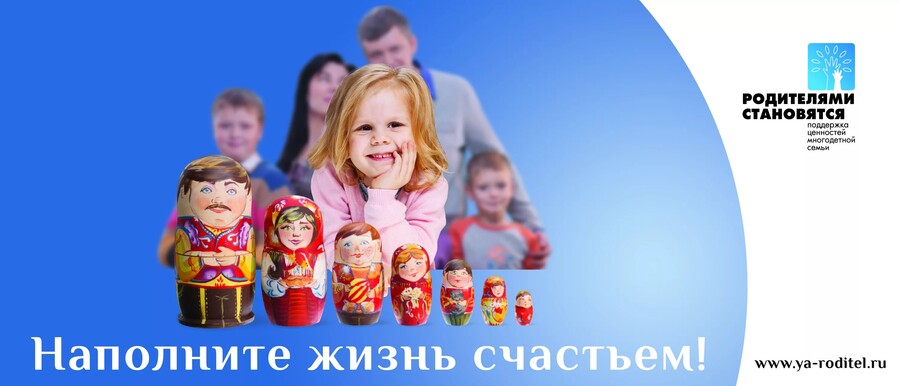
Key Research Question: How has Russian social advertising from the 1990s to the present shaped perceptions of the desired family model and influenced societal attitudes regarding childbirth, using visual and verbal means?
In studying this key question, the following aspects of advertising will be addressed: the visual techniques employed, the presumed target audience, and the phrasing within the advertising materials.
Research Hypothesis: It is pointless to test whether social advertising aims to raise or lower birth rates, as state policy and the experience of interacting with social advertising leave no room for doubt—the percentage of births is striving to increase. It is far more interesting to find out what aspect is more frequently emphasized: the emotional component of parenthood or the rational approach to family planning and available opportunities. The preliminary assumption is that social advertising focuses on the emotional aspect of this issue.
1990s
In the 1990s, there was no dedicated field for demographic advertising, yet imagery of family, love, and childhood was still employed.
For instance, in one of its advertising campaigns, the Imperial Bank portrays love through world history as something grand—something that inspires heroic deeds.
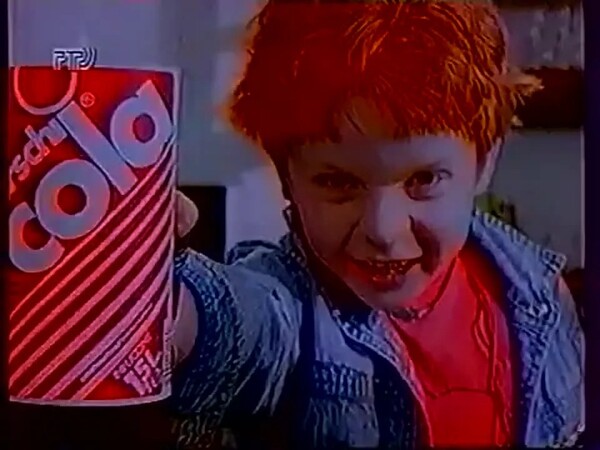

In advertisements, the children were often already teenagers. There was a playful mischief to them. The commercials featured wordplay, such as in the Mamba advertisement. The name sounds similar to the word «mama,» and the slogan was: «Kolya loves Mamba, and Seryozha does too…»

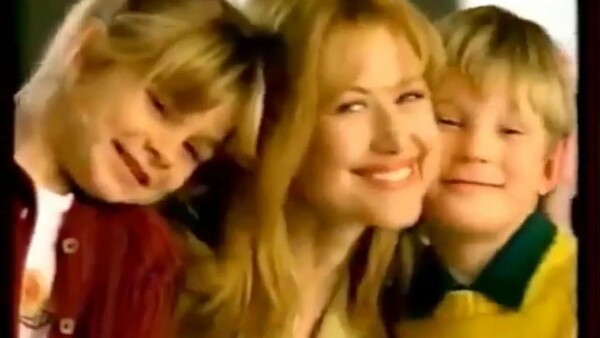
Family relationships were depicted in various ways. One could encounter the image of a familiar, happy family in chicken broth advertising, or stumble upon an ironic, lighthearted advertisement that, despite being comedic, depicted complex parent-child dynamics.
Conclusions for the block
The advertisement was not intended to create a family image; rather, it sold products through familiar imagery. The advertisement features a profusion of bright colors. The storylines often incorporate humorous and exaggerated elements.
2000s
Following the difficult 1990s, the issue of demographics was already on the state’s agenda. It was not the primary focus, but the question was already present [3].
While overtly social advertising aimed at boosting demographics was still absent, the image of the child was actively employed in sales. For instance, Nestle ran a whole series of banners featuring bottles and questions about milk, which collectively referenced infants.
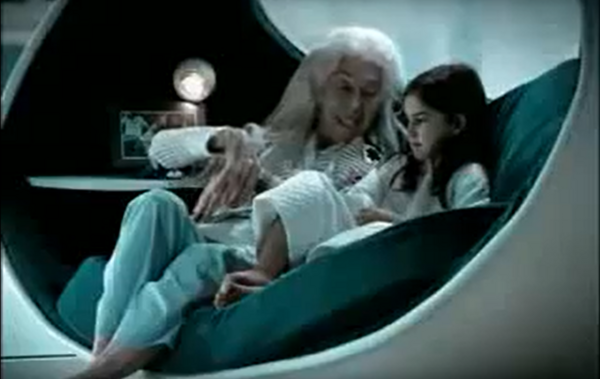

More frequently, older relatives began appearing, in the roles of grandmothers and grandfathers, as well as in the roles of the spouses' parents.
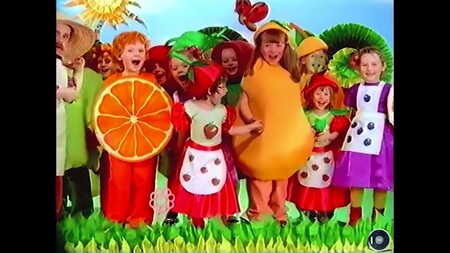

Kids feature in lighthearted advertising
Block Conclusions
2000s advertising retains the provocative edge of the past decade. The humor and boldness are still tied to the image of family relationships. The children featured in the commercials are elementary-aged.
2010s
In 2010, there was a significant increase in social advertising dedicated to family and children. The image of the family, which was present in simple product advertising, remained just as relevant.