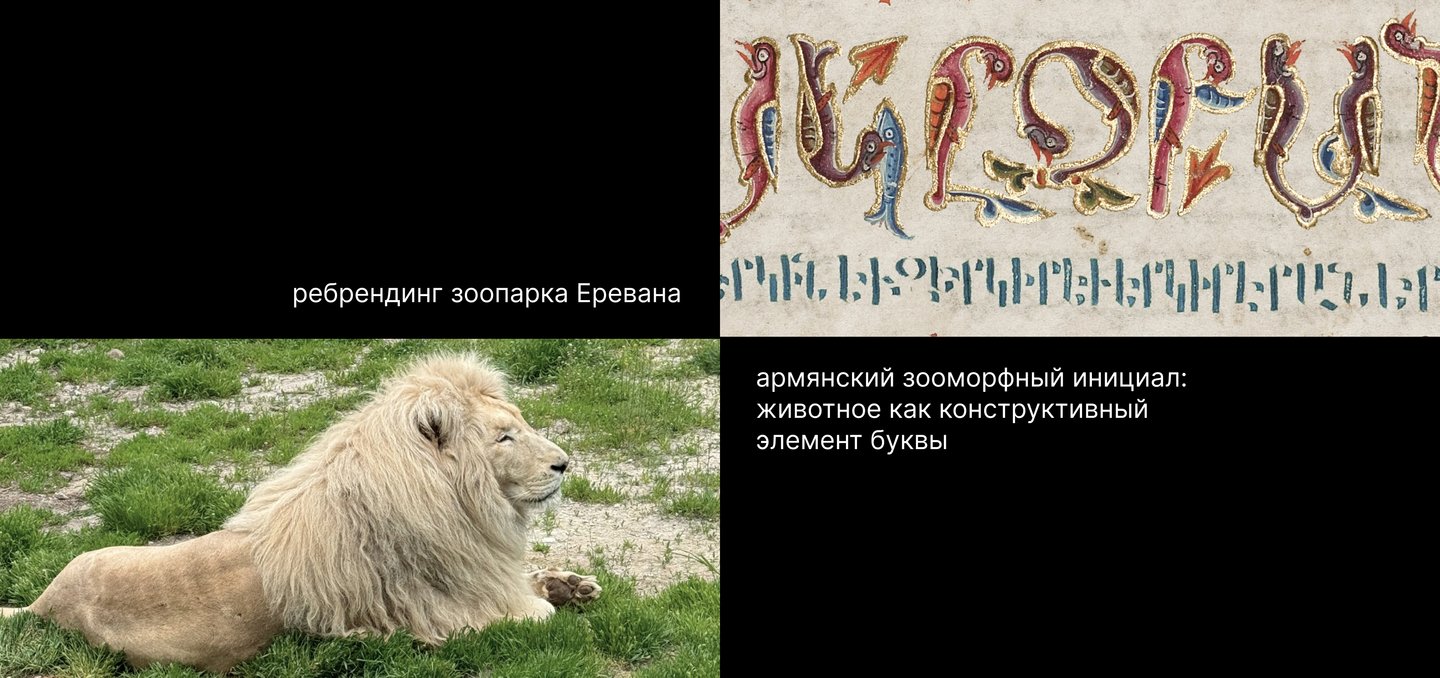
Yerevan Zoo is a historic recreational site, founded in 1940 and situated on a 35-hectare green expanse, home to over 160 species of animals, including rare Caucasian varieties and species listed in the Red Book.
Features
The Yerevan Zoo preserves the gene pool of Armenian and Caucasian wildlife, conducts scientific research, transforms the city into a meeting place between humanity and nature, and instills a sense of love for animals and responsibility toward the environment.Mission
To preserve the wild nature of the Caucasus for future generations and to raise a generation of people who live in harmony with nature.Brand Essence
Guardian of WildlifeBrand Character
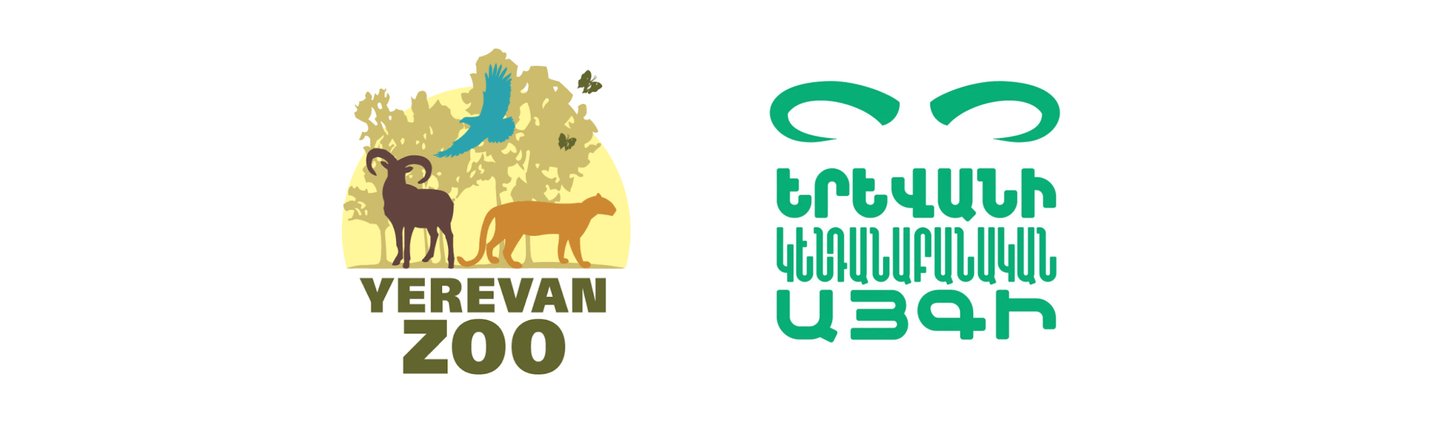
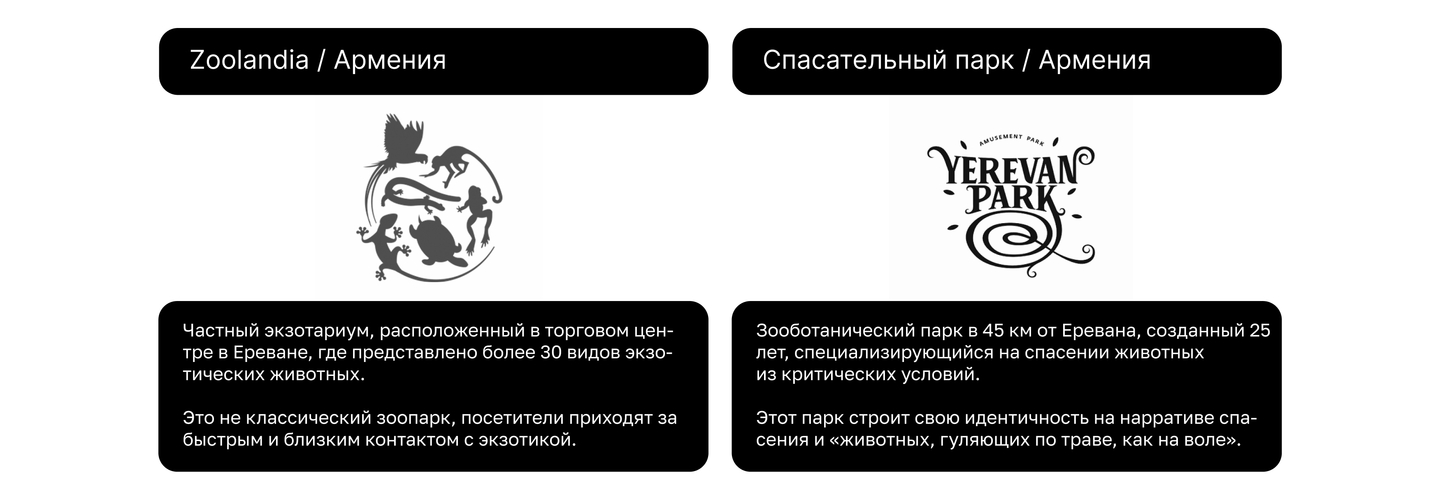
Caring (preserves the gene pool and saves rare species); Enlightening (conducts scientific work and shares knowledge); Inspiring (awakens a love for animals)Where a developed territory exists, the problem of almost a complete lack of identity is present, which currently consists of only two different logos.
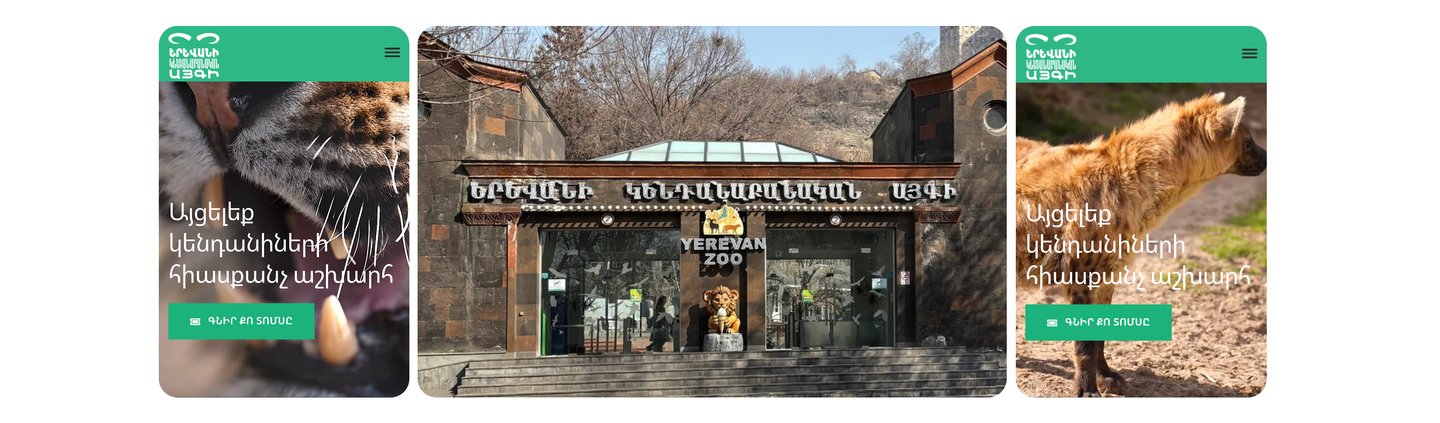
The key objective is to align the zoo’s visual language and navigation with the standards of a modern conservation center so that it can be a worthy member of EAZA and be perceived as an equal among European zoos.
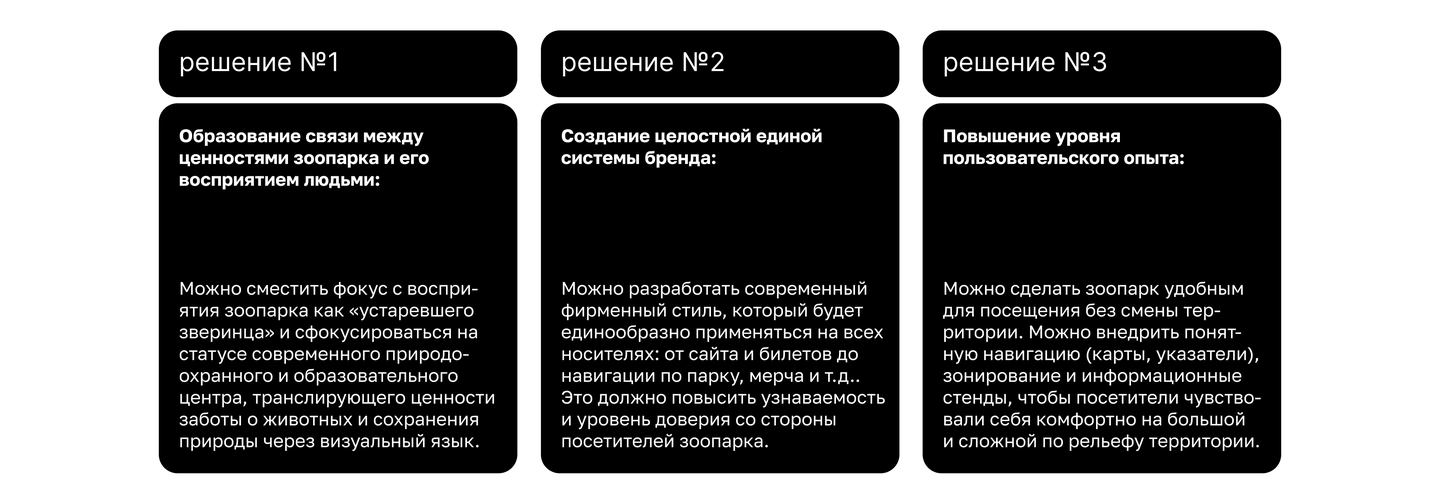
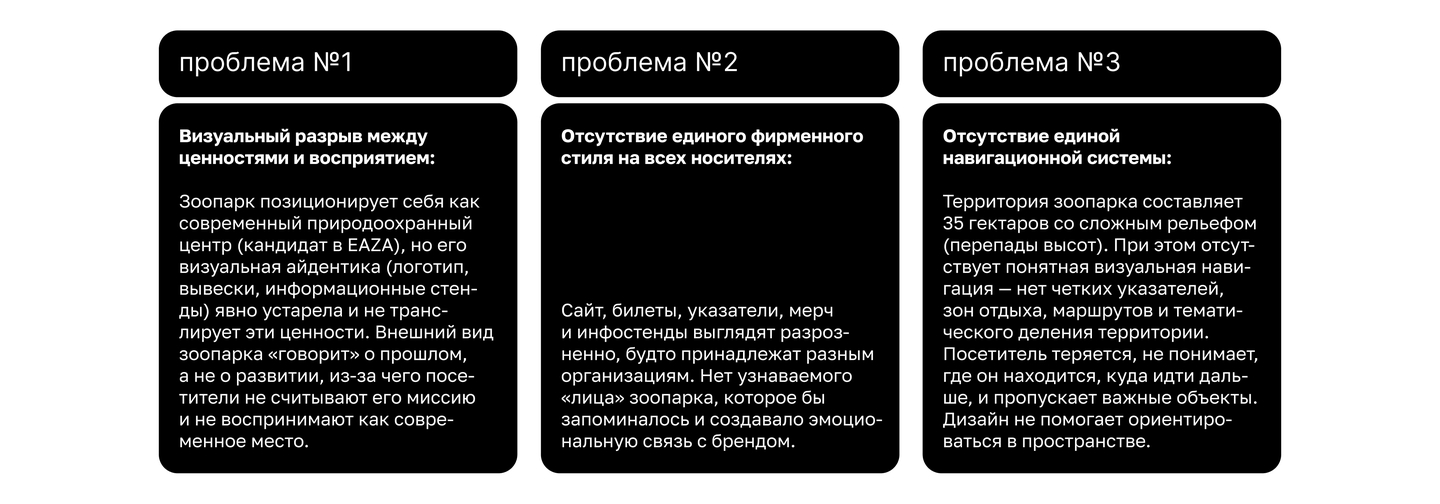
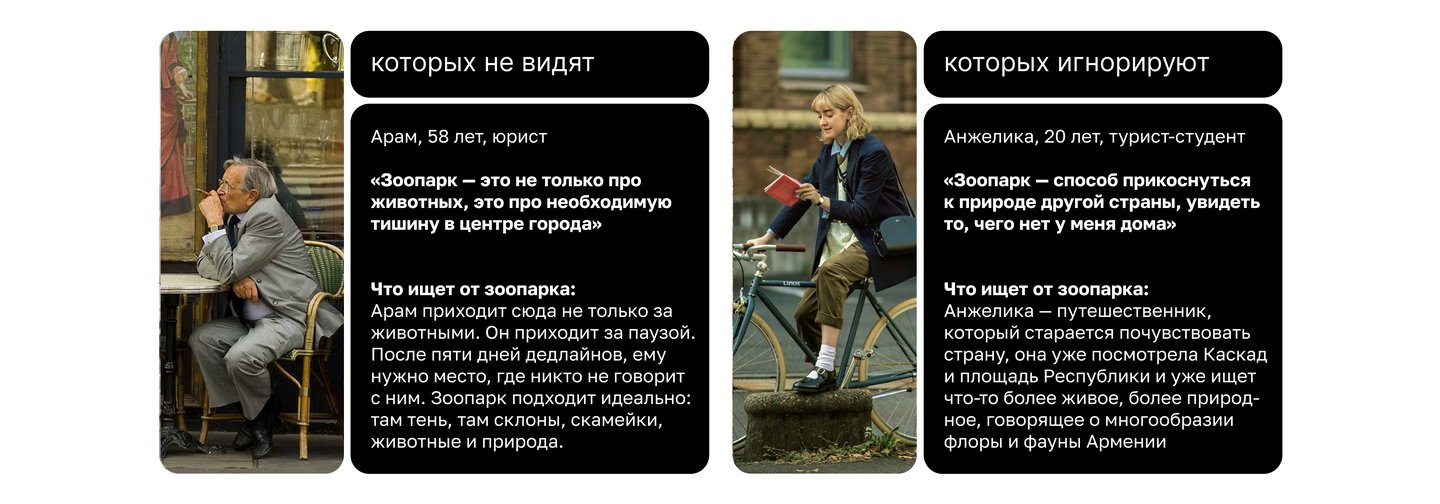
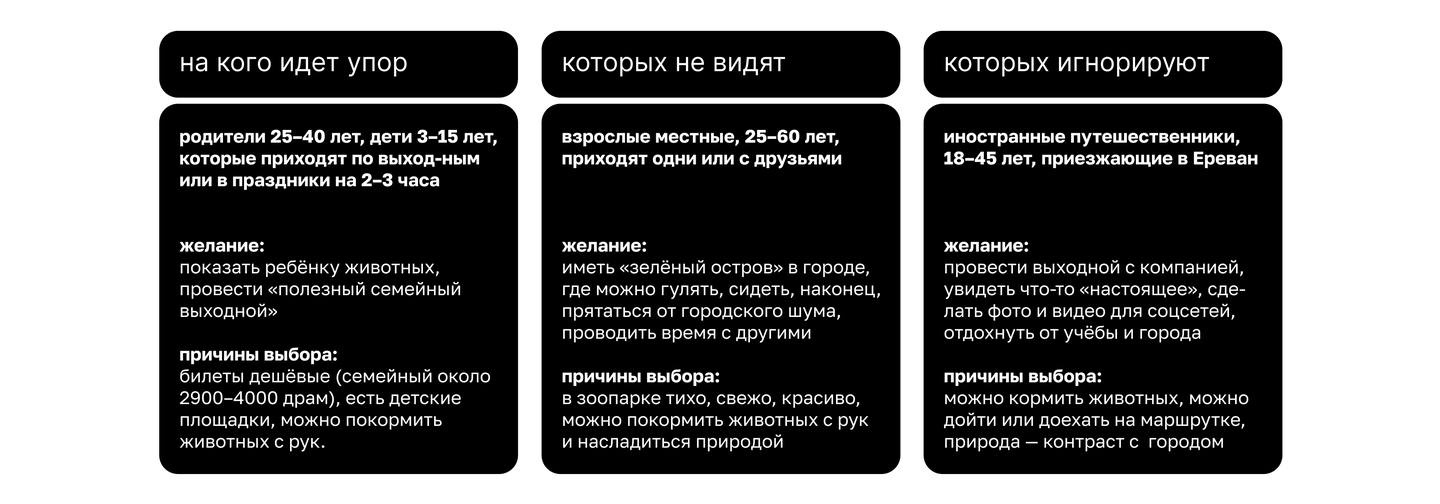
Currently, the zoo focuses on the audience of families with children, while neglecting other visitor categories—local adults and tourists—which is where our focus will shift.
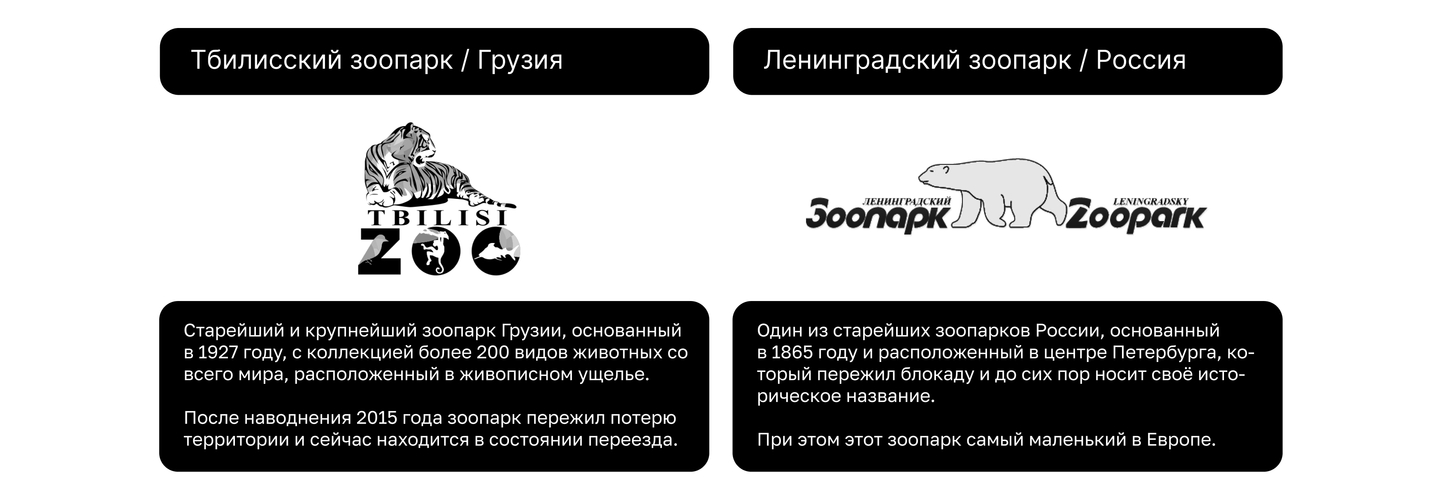
The Yerevan Zoo has competitors—both in Armenia and beyond. Some operate on a local scale, while others aim for international recognition. Some focus on entertainment, others—on conservation and education.
As a supplement to the rebranding, a study was conducted whose findings will help form an understanding of how animal imagery is used in design.
Description
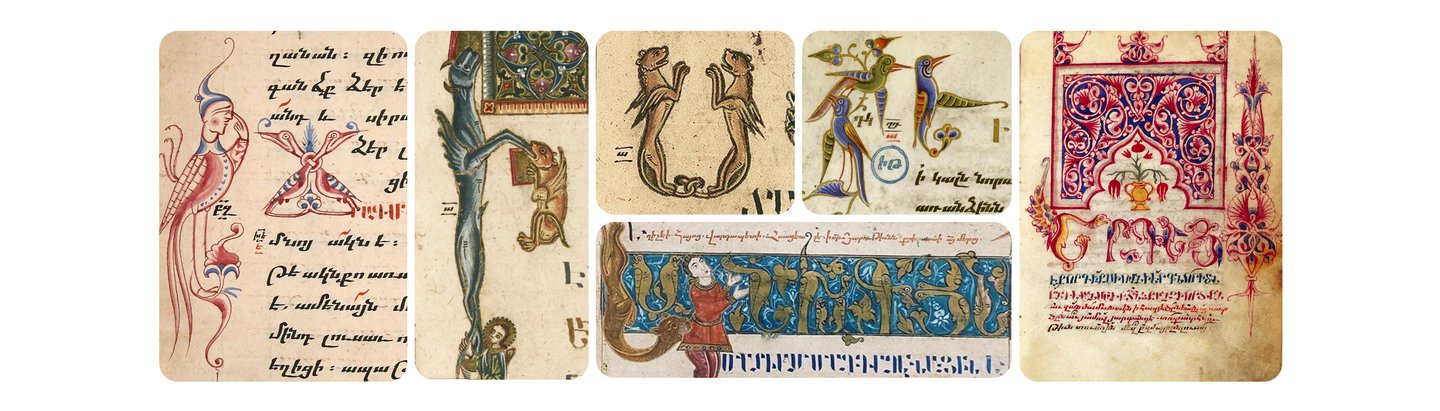
The Armenian manuscript tradition of zoomorphic script—Trchnagir, Kendanagir, and Vishapagir—is a unique ornamental typeface in which the letter is constructed from the body of a bird, an animal, or a mythical creature, representing one of Armenia’s key visual codes.In 2019, the art of Armenian writing, including this tradition of decorative scripts, was inscribed on UNESCO’s Intangible Cultural Heritage of Humanity list.Hypothesis
The zoomorphic initial is a dual sign. The reader simultaneously perceives both the letter and the animal. This is a conscious challenge that the master resolves through the means of typographic design.The zoomorphic initials in Armenian manuscripts constitute a specific type of lettering where the letter and the animal are unified through stylization (simplifying the animal’s image into a sign) and deformation (adjusting its proportions to fit the geometry of the grapheme).The result is a compromise typographic form, where neither the letter nor the animal is preserved entirely.I am interested not in what the font says, but how it does it: what tools create its character? The answer to this question lies in the anatomy of the typeface—in the stems, ovals, loops, and ascenders. This study invites you to view the subject through the lens of a type designer and find the answer within the letterform’s structure.
Table of Contents
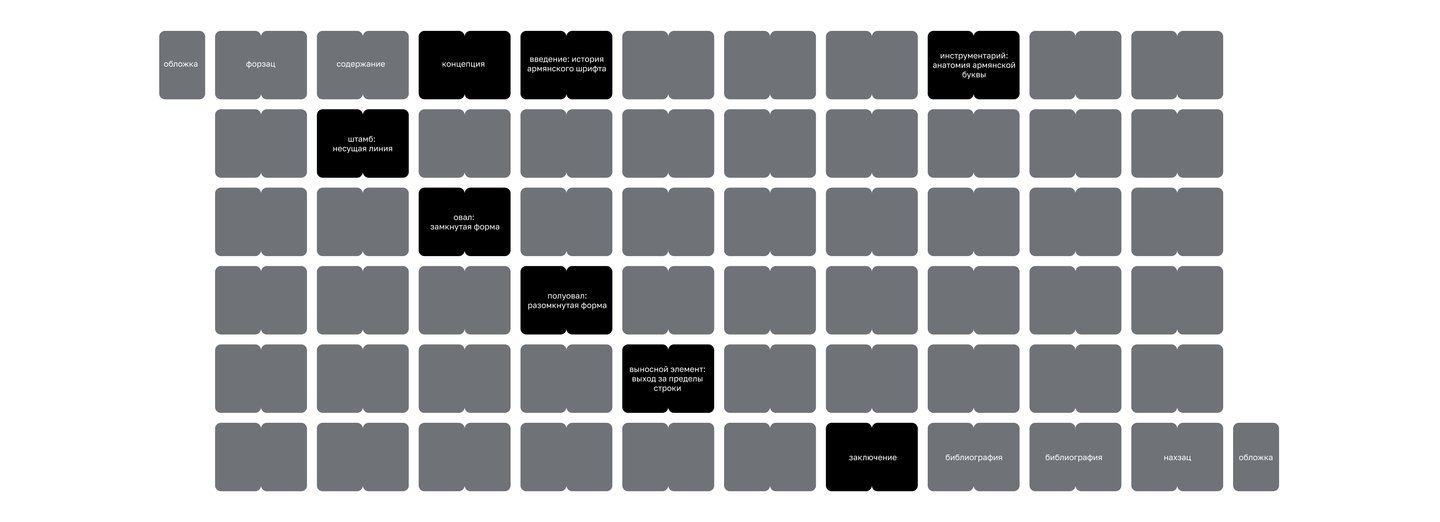
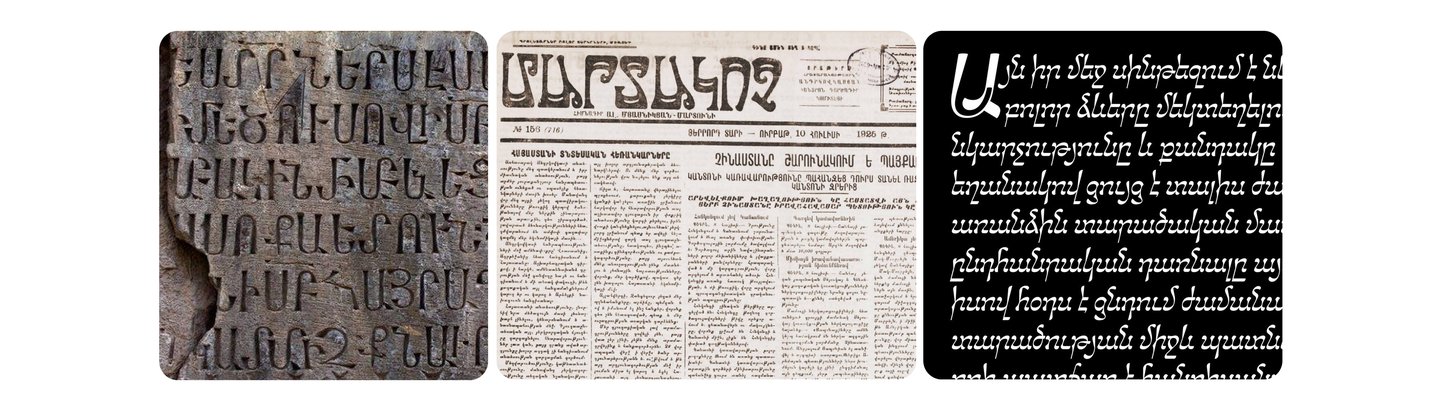
1 Concept 2 Introduction: The History of Armenian Typography 3 Toolkit: Anatomy of the Armenian Letter 4 Stamp: The Structural Line 5 Oval: Closed Form 6 Semi-Oval: Open Form 7 Ascender: Exiting the Baseline 8 ConclusionFor the key chapters (Introduction, Toolkit, and the stub/oval/semicircle/projection element chapters), a collage was also created showcasing examples of the visual components of these sections.
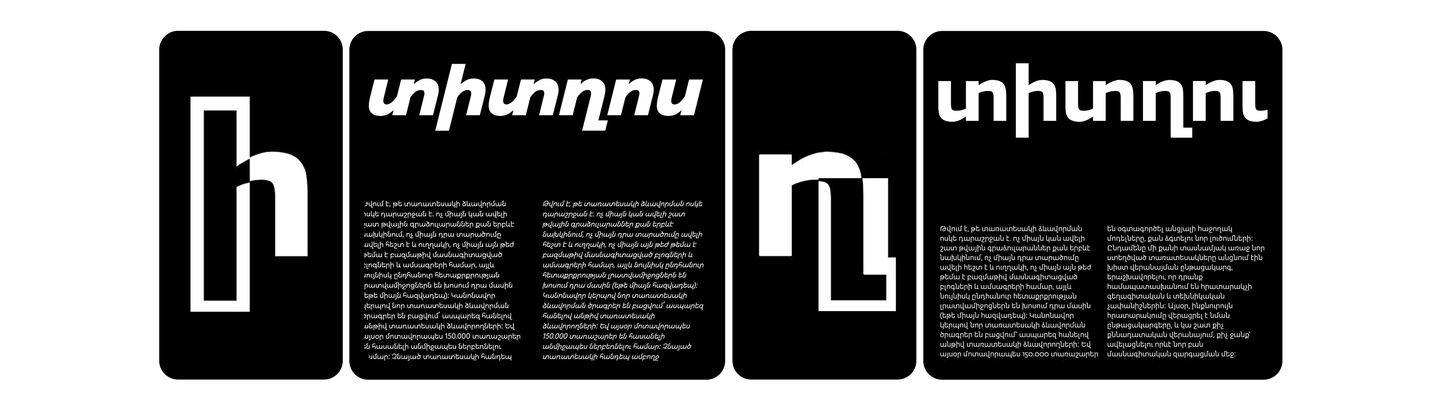
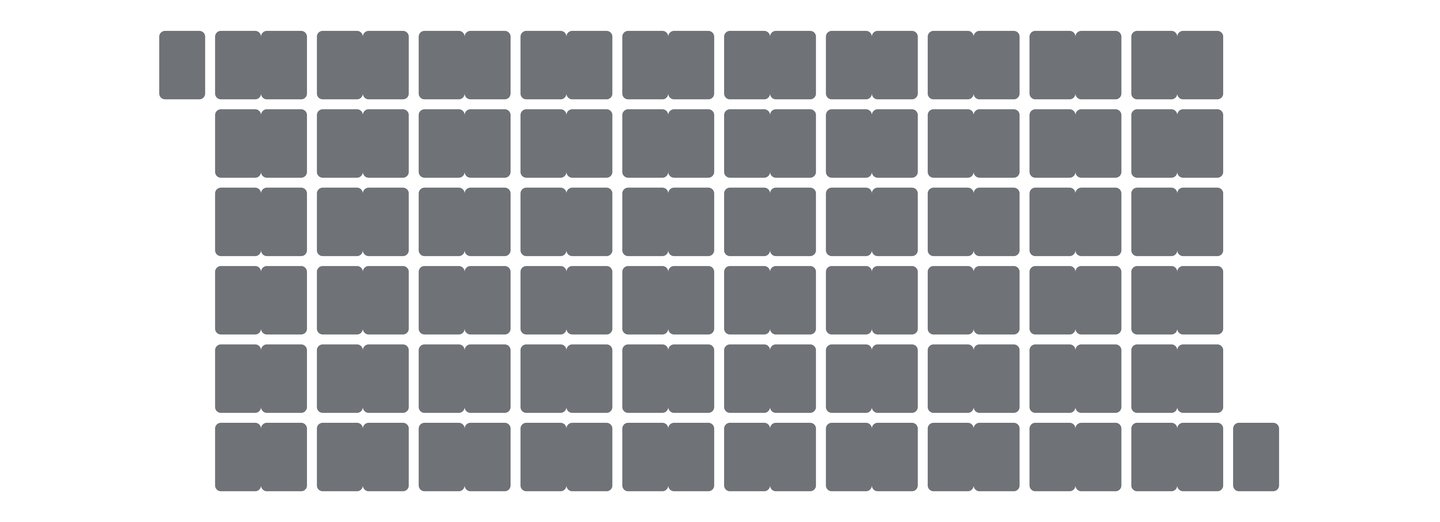
Additionally, a flat plan was developed to illustrate the approximate number of pages and the distribution of chapters within the book’s overall scope.