Handicraft as a Marketing Strategy in the Age of Artificial Intelligence
Hypothesis
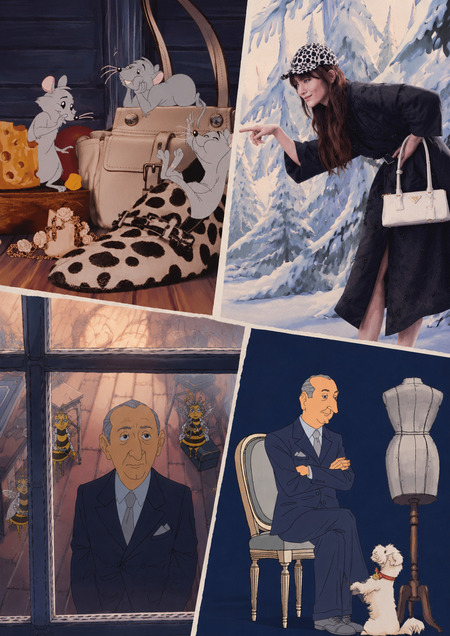
The success of Prada’s advertising campaign, «Drawing Prada: Animated by Hand, ” is tied not only to its unique visual style but also to its demonstration of human craftsmanship. In the age of artificial intelligence, hand-drawn animation has become a distinct competitive advantage in advertising. Audiences evaluate not just the final image, but also who created it and how it was made.It is particularly interesting to examine this campaign in comparison with Dior’s „Christian Dior’s Night in Color.“ Both brands embraced traditional animation, yet they received different audience responses: Prada earned praise for its use of manual labor, while Dior faced criticism and suspicion of AI usage.
Context
In recent years, artificial intelligence has profoundly transformed advertising production. It has become possible to generate images and videos faster and cheaper, without requiring a large number of specialists. However, this shift has provoked a counter-reaction: viewers are increasingly criticizing monotonous visual content, the artificiality of imagery, and the substitution of creative labor with automation.
Against this backdrop, handmade work is gaining renewed value. It evokes associations with individuality, meticulous attention to detail, and authentic craftsmanship.
This is particularly relevant for luxury brands. Their products are traditionally linked to mastery and production complexity. Incorporating handmade techniques into advertising allows these qualities to transfer to the communication itself. What was once considered a common production method is now becoming a hallmark of distinction.
Prada: Human Authorship as the Foundation of Concept
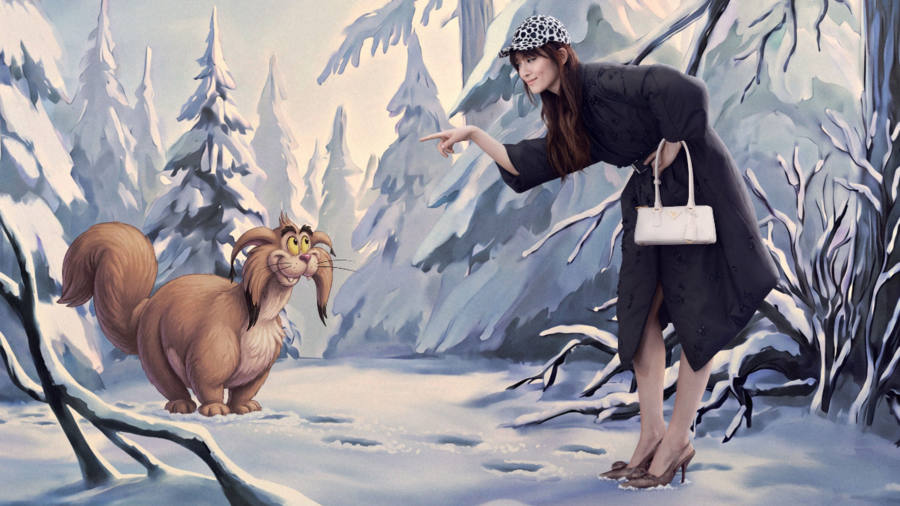
The Prada Holiday 2026 campaign was released in late October 2026 under the title «Drawing Prada: Animated by Hand.» Its central feature is the fusion of real photography with traditional hand-drawn animation.
The campaign was helmed by: — Miuccia Prada and Raf Simons—Creative Directors of the fashion house. — Ferdinando Verderi—Creative Director of the advertising campaign, who developed its concept. — John Pomeroy—Animation Director, who led the team of artists. He is known for his work on «Pocahontas, ” „Fantasia 2000, ” and other Disney animated films. — Glenn Lachford—Photographer, responsible for shooting the actors and ensuring the visual harmony between the photographic shots and the drawn environment.
The campaign featured Sadie Sink, Maya Hawke, Kelvin Harrison Jr., Chen Haoyu, and Luther Ford.
The Creation Process
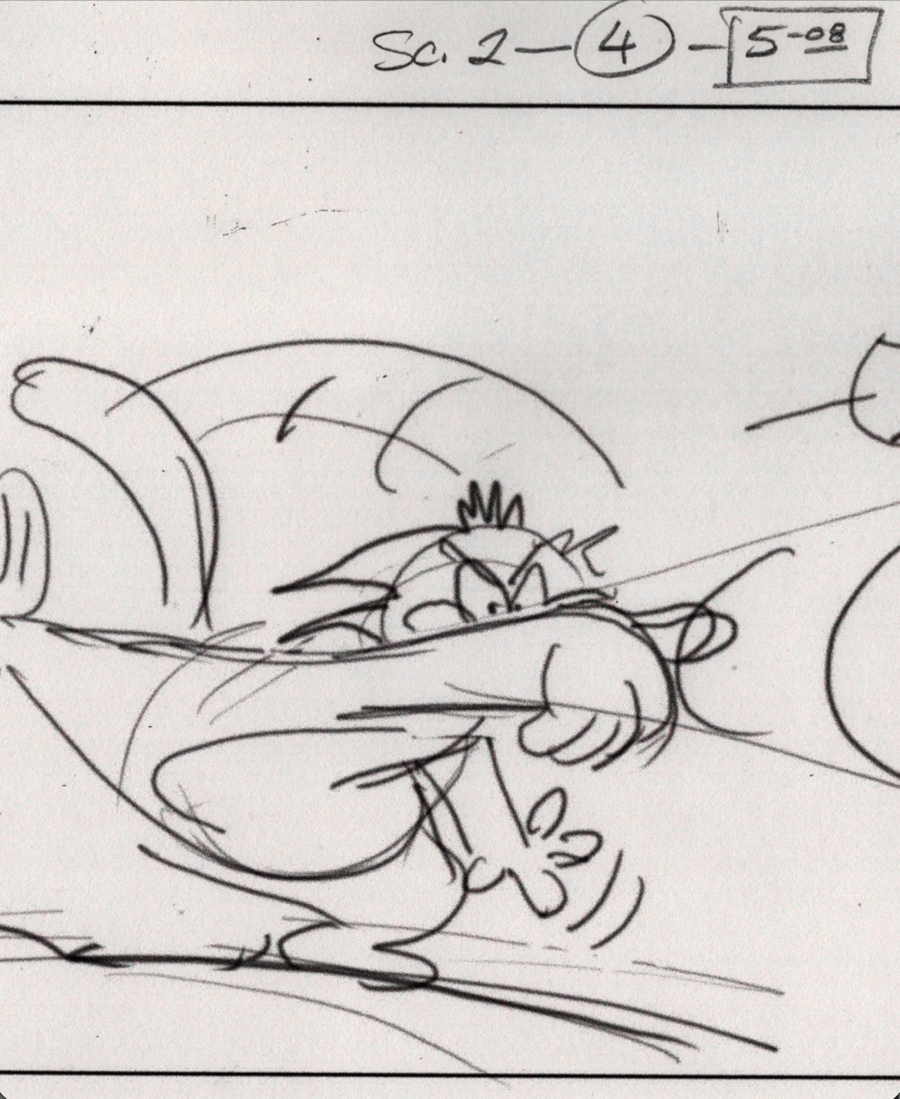
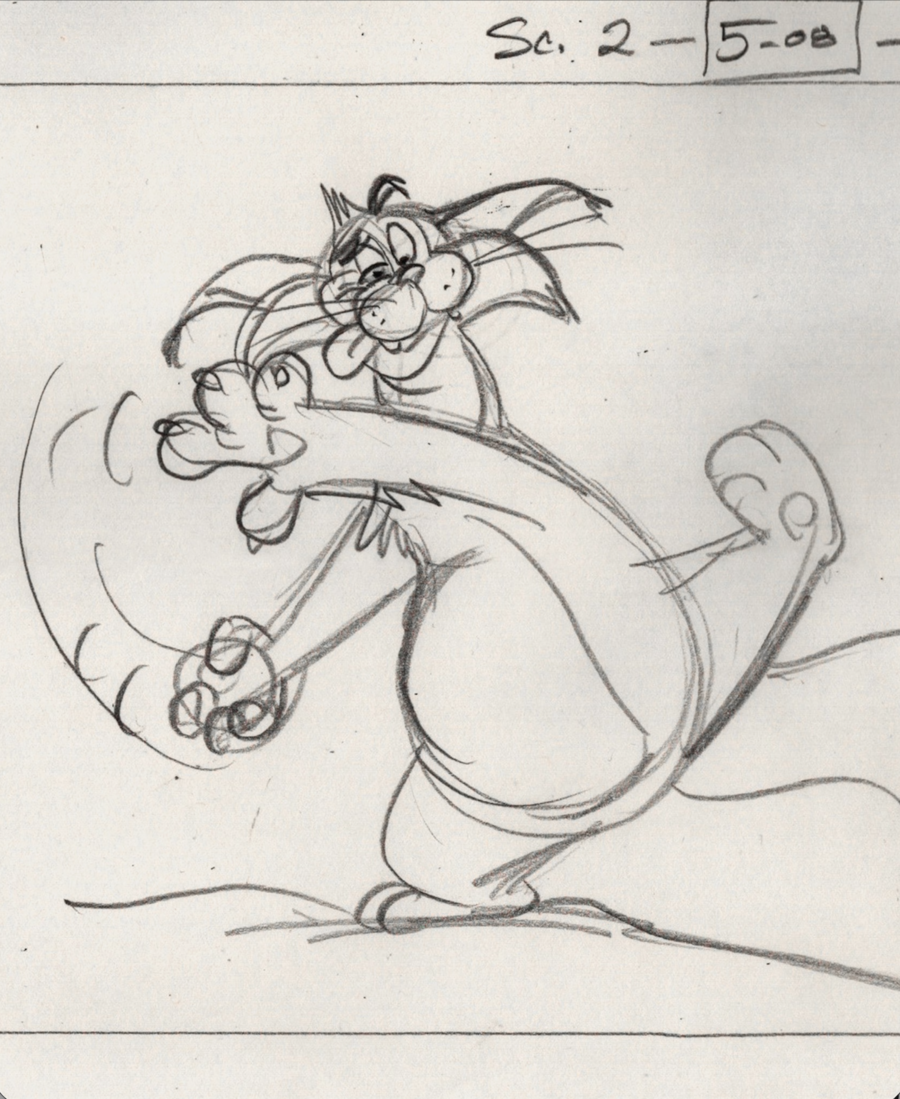
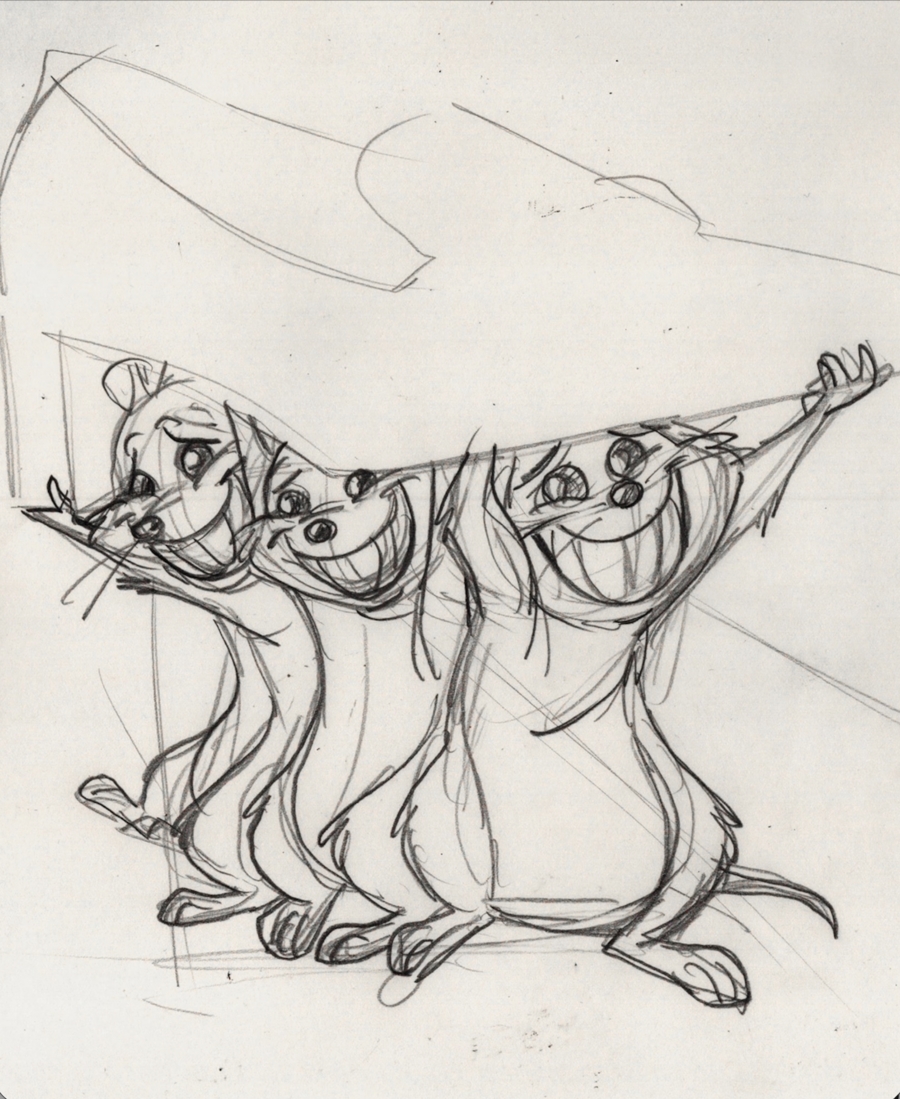
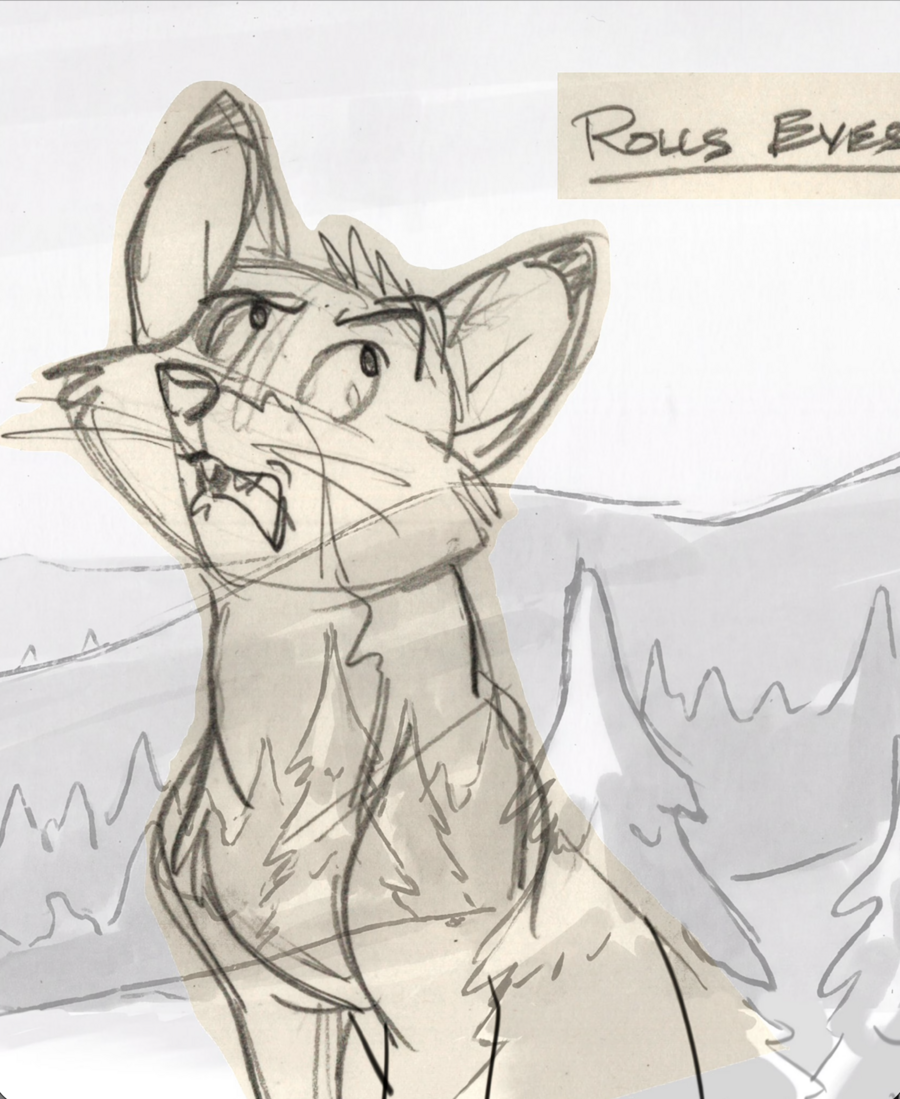
Instead of simulating hand-drawn animation with digital tools, Prada chose to embrace a traditional technique. John Pomeroy led a team of animators who manually created the characters and environments. This resulted in hand-drawn animals, winter landscapes, and other elements of a fairy-tale world.The production required thousands of individual drawings. To create motion, the artists didn’t just sketch the primary poses of the characters; they also created in-between frames to connect them.Glen Lachford also had to consider the eventual animation while photographing the actors—the lighting and perspective of the photographs were selected to align with the drawn space.Consequently, the advertisement was the product of a collaborative effort between the photographer, the animation director, and an entire team of artists.
One of the campaign’s most important decisions was to showcase not just the final result, but the entire production process.
Prada released additional materials showing the artists at work, original sketches, and the stages of animation creation.
Creative Director Ferdinando Verderi told Vogue that the idea of manual production was embedded in the project from the very beginning. He was interested in whether emotional impact could arise not only from the image’s appearance but also from the way it was created.
Furthermore, Verderi does not view the project as a direct protest against artificial intelligence. For him, it is more of an opportunity to reimagine the use of an older technology.
This is where Prada’s main advertising strategy lies. The brand sells not just a visual image, but the story of its creation. The viewer sees the time and effort required to achieve the result, and begins to perceive the advertisement differently. Respect for the artists' work emerges, and with it, a more positive attitude toward the brand itself.
Audience Reaction: Why Spectators Supported Prada
Following the social media campaign launch, numerous positive responses emerged. Notably, a significant portion of viewers discussed not the Prada collection or even the celebrities in the video, but rather the very fact of using human labor. In the comments, users thanked the brand for foregoing AI, calling the advertisement a «breath of fresh air, ” and noting that although they don’t usually follow Prada, they watched the video specifically because of the hand-drawn animation.
A user comment on YouTube, which was later featured in Vogue, illustrates the public’s reaction to the video: «Did I just voluntarily watch an ad for a luxury brand I neither have any interest in nor can afford, just because it’s art made by actual artists while we are drowning in a sea of AI? Yes, yes I did.» The user admits that they watched the advertisement for a brand whose products they don’t care about and cannot afford, purely because it was created by real artists. The comment received many positive reactions. Another viewer suggested that hand-drawn animation is the future symbol of luxury in the AI era.
Advertising immediately elicits several emotional responses. First, there is nostalgia. The illustrated animals, the wintry fairytale atmosphere, and the traditional animation remind viewers of their childhood cartoons. This works especially well for a holiday campaign. Second, there is surprise. The animals in the advertisement interact with real people and pieces of clothing. Third, there is trust and respect. Knowing that real artists are behind the imagery, the viewer begins to perceive the advertisement as the result of human creativity, rather than automated production.
Viewers feel a sense of connection to an important issue. Today, many people are concerned that artificial intelligence might displace creative professions. By supporting Prada, they are simultaneously stating their position on this issue.
Thus, the viewer gets the opportunity not only to watch beautiful advertising but also to express their own values. This is especially important for the video’s reach—people share it not necessarily because of an interest in Prada clothing, but because they want to support the idea of human creativity itself.
Reaction as part of a marketing campaign
Prada managed to make the discussion surrounding the advertisement almost as significant as the video itself.
The title, «Animated by Hand, ” immediately draws attention to the production method. Supplemental videos featuring the artists confirm this, and social media users are spreading positive feedback.
It turns out that the advertisement continues to resonate even after viewing: viewers are discussing it, comparing it to other campaigns, and sharing information about the handmade production.
By November 16, the video had amassed over 3.6 million views and 57 thousand likes on YouTube, and it also garnered significant buzz on other social platforms. This confirms the audience’s high level of interest.
Dior: Hand-Drawn Animation or AI?
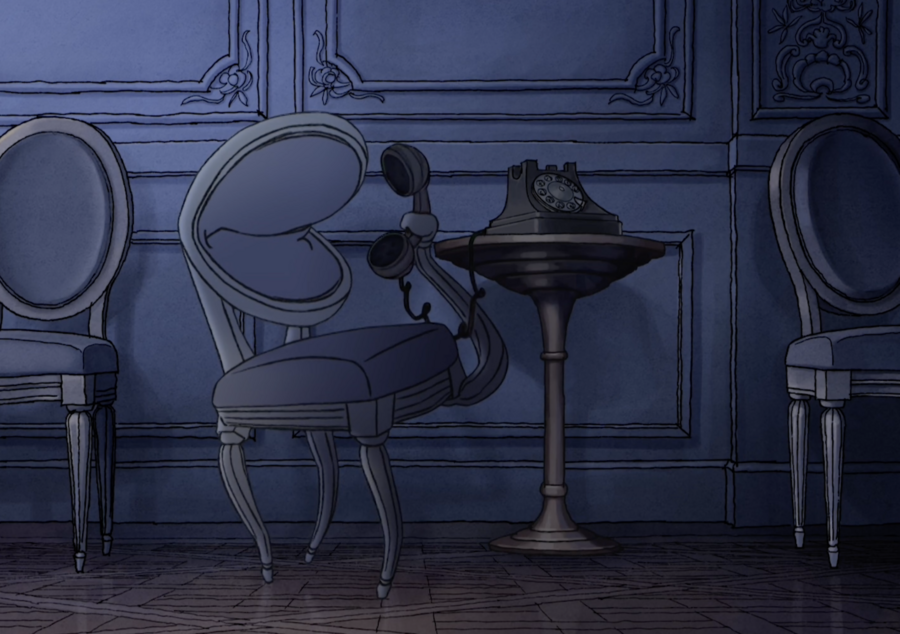





Stills from the animation commercial for Christian Dior’s Night in Color (2026)
In November 2026, Dior released the promotional film, «Christian Dior’s Night in Color.» It was stated that the entire film was hand-drawn. The debut of this advertisement prompted an unexpected response—viewers began scrutinizing individual frames, searching for signs of artificial intelligence usage.
Sylvain Chome—director and animator—and Anton Sumash—project producer—along with a team of animators, worked on the Dior advertisement. Robert Pattinson, Louis Garrel, Camille Cottin, and other actors participated in the advertising campaign by voicing the characters.The film tells the story of Christian Dior in Paris in 1949 and the creation of a dress for Marlene Dietrich. The visual concept is based on traditional drawn animation and the aesthetic of old cartoons.
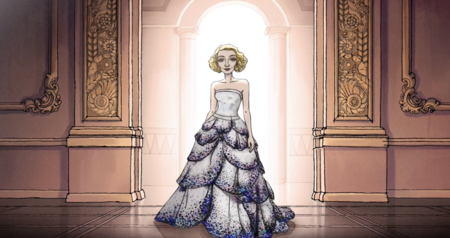
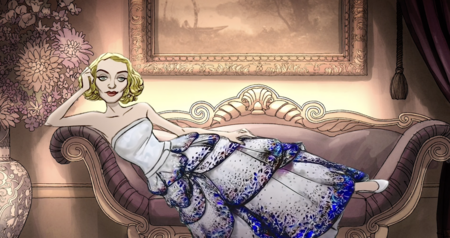
Stills from the Christian Dior «Night in Color» (2026) animated commercial.
Audience Reaction
After the film’s release, social media users began noticing visual inconsistencies: strange finger counts, distortions in specific details, unusual eye movements, and changes to elements between frames. Viewers started interpreting these characteristics as potential signs of generative AI. Particular attention was drawn to certain details that looked unpolished for advertising claiming to be hand-drawn animation. Some users speculated that the artists might have created the core visuals manually and then used AI to accelerate production. Consequently, the discussion quickly shifted from art criticism to questions of brand integrity.
As a result, Dior not only faced criticism but also gained significant additional exposure: the discussion extended beyond the advertisement itself and became part of a broader conversation about the future of animation. This shows that even a controversial reaction can work to boost brand recognition and sustain interest in a campaign.
What the Creators Replied