
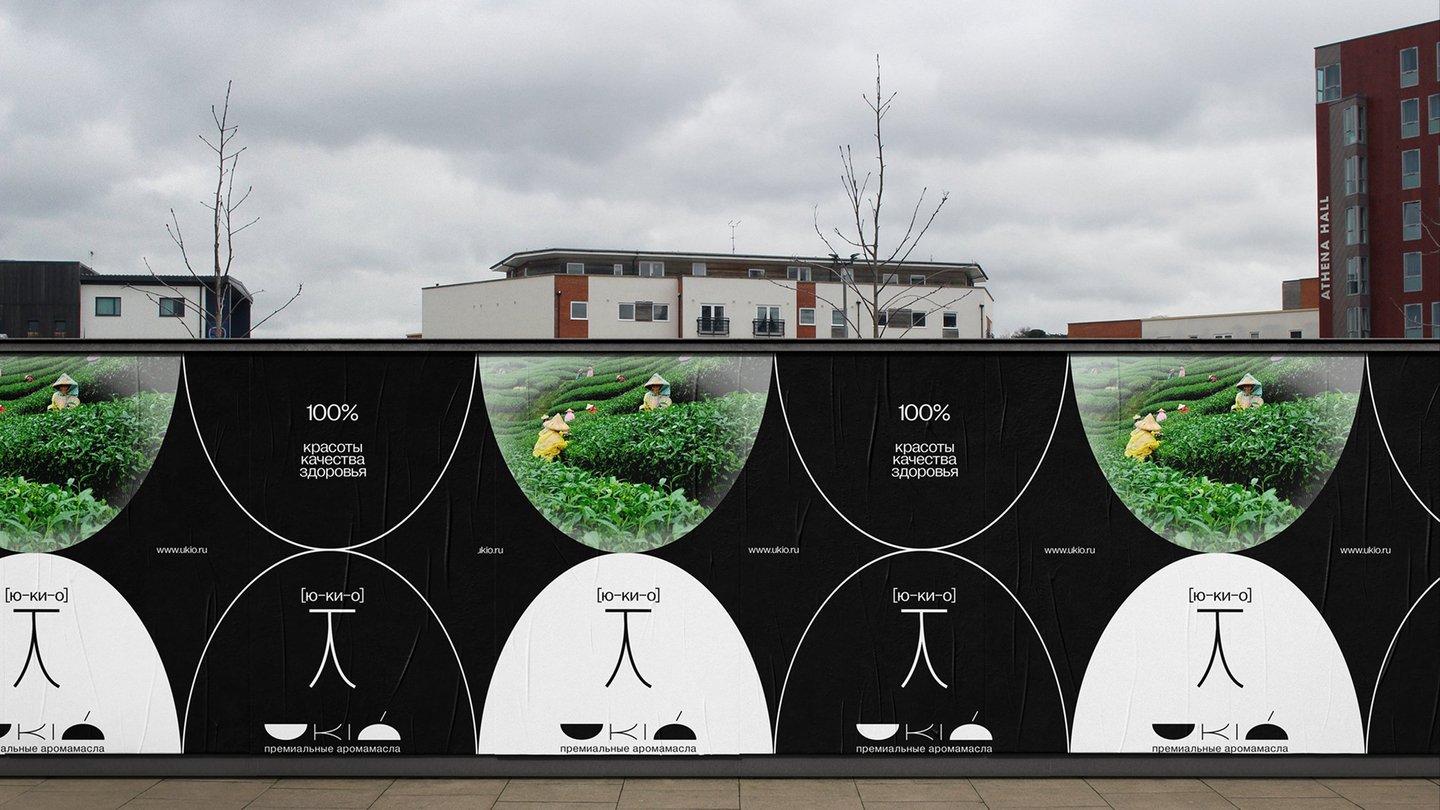
UKIO: city posters
(1) Communication Theory in the Field of Design
Design is often perceived as a visual or functional discipline, yet at its core it is fundamentally communicative. Every designed object, system, or visual environment functions as a message that is encoded by designers and decoded by audiences within specific cultural, social, and experiential contexts. Communication theory provides a structured framework for understanding how meaning is produced, transmitted, interpreted, and negotiated through design. Rather than treating design as a purely aesthetic activity, communication theory reveals it as an active process of meaning-making that shapes perception, behavior, and social practice.
Robert Craig outlines the 7 traditions of communication theory in his work «Communication Theory as a Field» (1999). Some of them pretty clearly describe communication within design field.
The semiotic tradition views communication as the sharing of meaning through signs and symbols. Design objects and visual identities rely on culturally coded signs that audiences must decode. Meaning is never inherent in the object itself but emerges through interpretation within specific cultural contexts, which explains why the same project can produce different readings among different audiences.
The phenomenological tradition connects communication to lived experience and dialogue. From this perspective, design is not only about messages but about how they are experienced. Meaning arises through perception and subjective interpretation, making the viewer or user a co-creator of meaning.
The cybernetic tradition understands communication as a system of information flow, feedback, and control. In design, this explains how interfaces, digital platforms, and interactive artworks function as feedback-driven systems. Designers anticipate user responses, reduce noise, and adapt structures.
Lastly, the critical tradition sees communication as inseparable from power, ideology, and discourse. Design is not neutral but can reinforce or challenge dominant social structures. Visual language shape how concepts such as identity, consumption, and democracy are understood, raising questions about who controls meaning and whose voices are represented.
Different aspects of communication in the field of design are also uncovered and elaborated in other communication theories:
Interpersonal aspects appear through politeness theory, which can be extended to design as forms of social communication. Designers engage in facework with audiences and institutions through choices of tone, accessibility, and provocation. Commercial design often uses positive politeness to build identification and appeal.
The social exchange theory explains how engagement with design depends on perceived costs and rewards. Audiences are more likely to engage when symbolic, emotional, or social rewards outweigh cognitive or cultural costs.
Media ecology examines how media environments shape perception and behavior. In design this approach shows that media are never neutral: digital screens, social media platforms, exhibition spaces, and print formats actively influence how messages are perceived and understood. Media influence is also addressed through agenda-setting theory, which explains how design trends shape public attention. Designers actively participate in structuring cultural agendas by deciding which themes become visible and which remain marginal.
Selective exposure theory explains how audiences choose cultural content that aligns with their existing beliefs. This creates fragmented audiences and influences how designers and artists address niche publics, reinforcing polarization or specialized aesthetics.
UKIO: Special product line communication
Сommunication theory provides a vital conceptual foundation for understanding design as a communicative practice rather than a purely aesthetic or functional one: design can be understood as a complex process of meaning creation that unfolds through symbols, experiences, cultural contexts, and systems of interaction. It allows designers and audiences to move beyond surface-level interpretation and engage with the deeper mechanisms through which design shapes understanding, behavior, and social life.
These theoretical perspectives form a useful foundation for analyzing how specific design-driven brands construct meaning and communicate with different audiences.
(2) UKIO: Presentation for a General Audience
UKIO — Everyday Calm, Designed for You
UKIO is a Vietnamese oil brand that helps you slow down and reconnect with yourself in the middle of everyday life. It is created for moments when everything feels too fast, too loud, or too demanding — and you need something simple, grounding, and real. UKIO does not try to change you or improve you. It offers space, calm, and care that you can shape in your own way. UKIO is not a product that demands attention, it fits naturally into your rhythm, feels quiet, gentle, and intentional — like a small ritual that belongs to you.
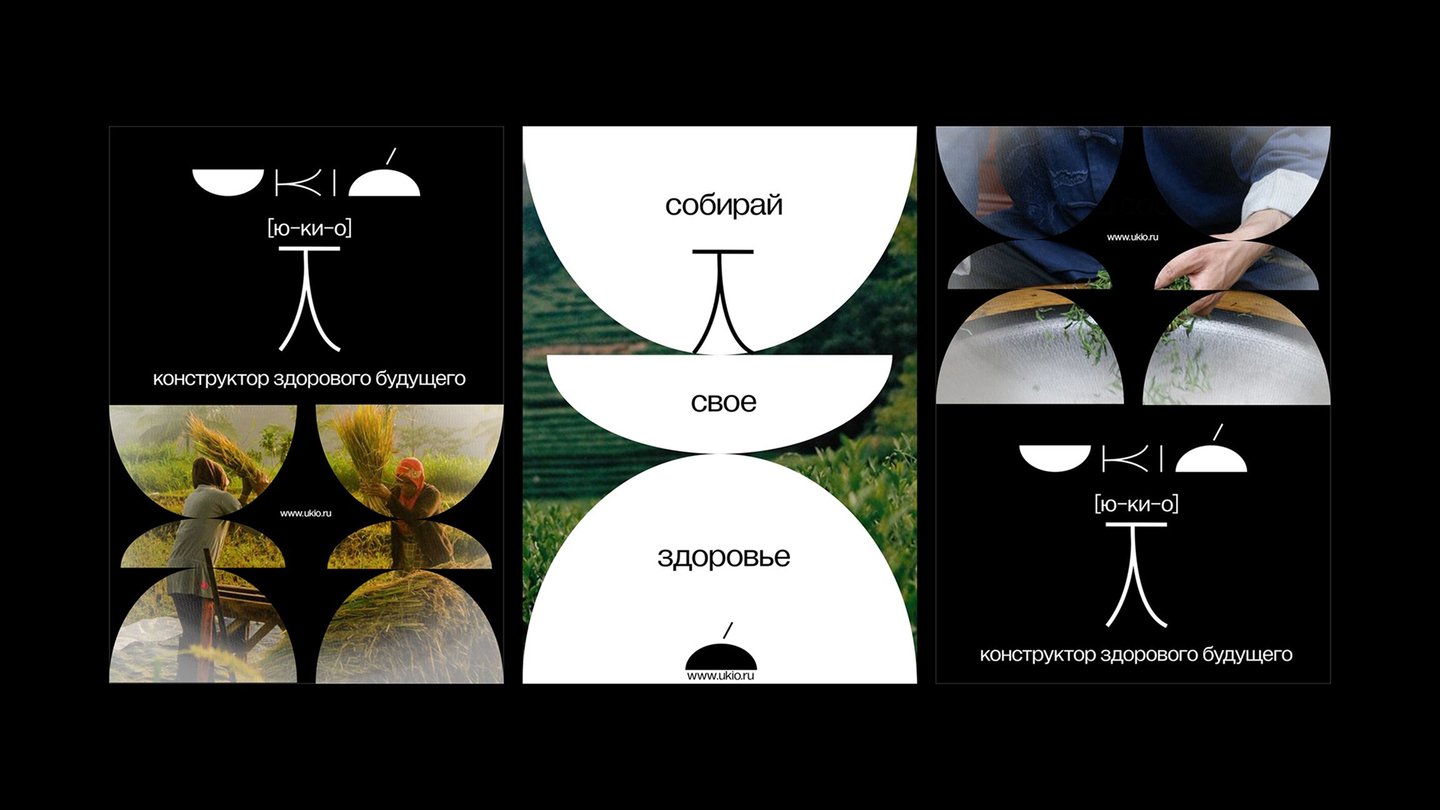
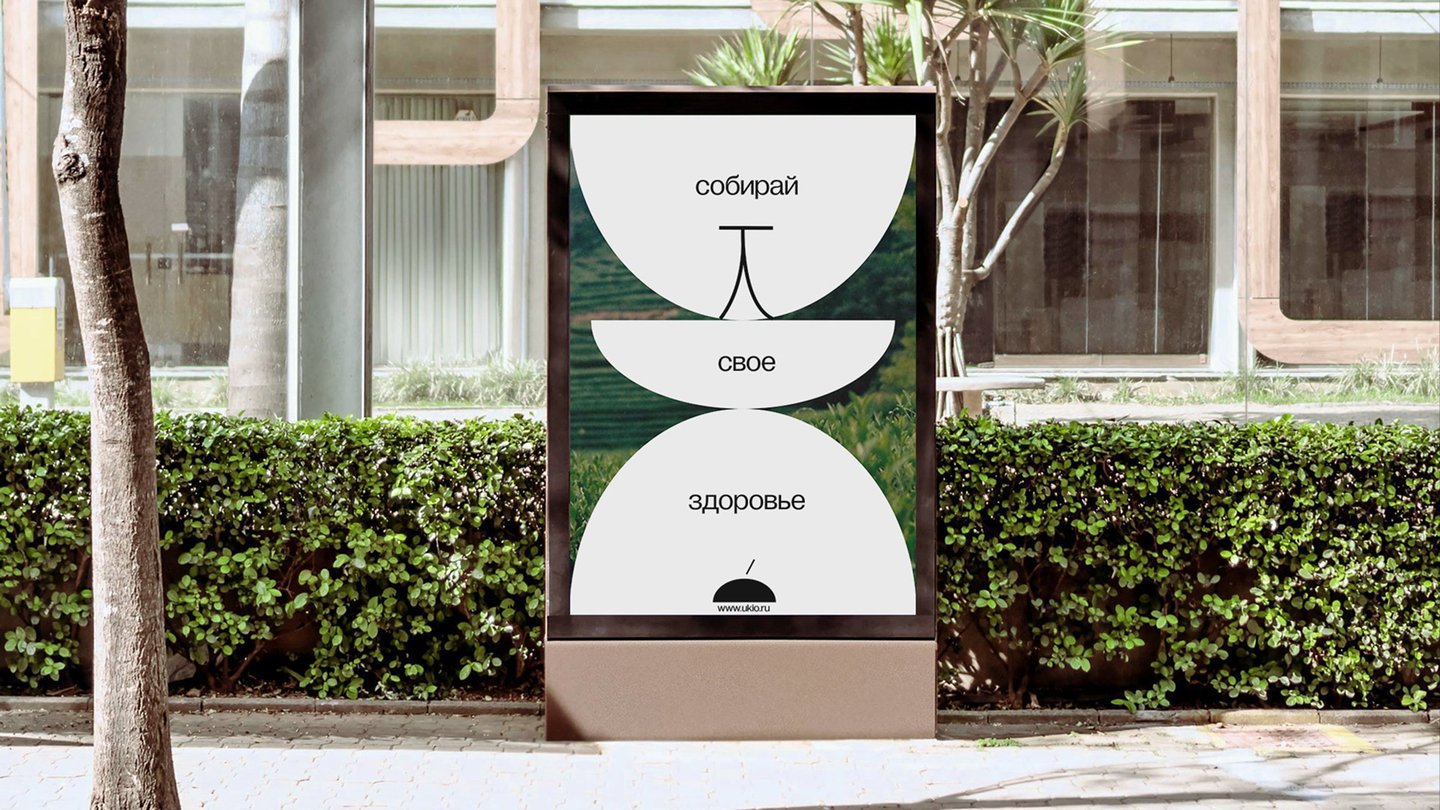
UKIO: city posters
You don’t need instructions to feel balanced. You already know what calm feels like — UKIO simply helps you return to it.
UKIO as Emotional Support in Daily Life
Every day, you are surrounded by information, notifications, responsibilities, and expectations. UKIO speaks to you precisely because of this overload. You encounter UKIO as something you sense.
Soft and natural formulas. Clean and unforced forms. The materials feel honest and warm. All this brings you calm, care, and balance. When you use UKIO products, nothing is rushed, nothing is overstated. This makes UKIO easy to live with.
We respect how you already live: it makes easy for UKIO to fit into your everyday life. It does not demand change. It adapts to your rhythm. Oils are there when you need grounding: after a long day, during moments of fatigue, or when you simply want to feel present again. UKIO does not ask you to «optimize» yourself. It quietly supports your moments of rest, care, and reflection—moments that feel earned, not imposed.


UKIO: packaging design
UKIO does not tell you what wellness should be. Instead, it creates an experience you can enter on your own terms. You are invited to feel, pause, reflect, and personalize your relationship with our products.
There are no strong claims, no promises of instant results, no medical or authoritative pressure. Instead, we invite you for a dialogue: What does balance mean to you today? What kind of care do you need right now? Let new experience and emotions slowly come into your life over time. Your experience matters more than instructions.
UKIO: packaging design
Packaging as Part of the Experience
UKIO’s packaging is designed to feel like a small ritual. The textures, weight, and proportions are intentional — calm to touch, calm to see. Packaging is not used to persuade, but to prepare you emotionally for use.
Opening UKIO is meant to feel grounded and relieved. The packaging protects not only the product, but the moment you create around it. It reflects the idea that care starts before use: in how something is held, opened, and returned to its place.
UKIO: packaging design
Oasis in the World of Digital Noise and Hurry
In today’s world, need for calm is actual like never before: being present on digital platforms, in lifestyle environments, and retail settings, we prioritize consciousness and honesty by giving you slower pace, gentle visuals, and soft language.
Nothing interrupts you. Nothing competes for attention. UKIO blends naturally into your digital and physical routines, reinforcing the idea that wellness is not an event, but a background presence you can return to.
UKIO: Social Media Communication
UKIO speaks to you with respect. It never commands or instructs. Instead of telling you what to do, it gives you permission to choose.
We protect your autonomy. UKIO is always beside you, not above you. Experiencing our products is always voluntary, never forced.
UKIO: printed messages inside product packaging
For you, UKIO is not just an oil brand. It is a pause.
A small, reliable source of calm. A reminder that care does not need to be loud to be meaningful.
UKIO asks for very little — only for your attention, when you choose to give it.
Quiet Value
UKIO does not focus on efficiency, performance, or measurable outcomes. Speed and optimization are not the main story. Through continuous usage of our products, engagement in rituals and small everyday practices, you shape your own story.
UKIO grows with you. Its modular nature allows you to build your own system gradually, collecting experiences. The reward is not something you measure — it is something you feel.
(3) UKIO: Presentation for a Professional Audience
Audience: designers, retailers, distributors, wellness professionals, strategic partners
Brand Overview
UKIO is positioned as a premium Vietnamese oil brand designed as a coherent communication system rather than a standalone product. The brand operates at the intersection of wellness, contemporary lifestyle, and cultural legitimacy, where meaning is constructed through controlled signals, consistent visual logic, and relational communication. UKIO presents itself as a predictable and scalable system: a brand that can be integrated into retail, wellness, and distribution ecosystems. This approach reflects the principles of relationship management, where long-term value is created through clarity, legitimacy, and trust rather than short-term persuasion.
UKIO: printed messages inside product packaging
Visual Language
Rather than decorative excess, the brand relies on reduction, rhythm, and repetition, allowing quick decoding of positioning on the market.
Visual elements are treated as signals, not illustrations. Restrained compositions communicate control and stability, material textures emphasize authenticity and origin, absence of visual clutter reinforces premium positioning: it distinguishes UKIO from mass-market wellness brands and aligns it with slower, ritual-based consumption cultures. The brand’s «performance» is consistent across contexts, reinforcing a stable social identity that customers can safely associate with.
UKIO: in-store advertisement visualization (branded corner)
Color Palette and Typography
The color palette is bright and earth-based, drawing from oils, botanicals, and natural surfaces. These colors act as signs of purity, calm, and natural origin.
Typography follows a functional-modern logic: legible, contemporary, and neutral. This typographic restraint ensures that the brand remains adaptable across markets and channels without losing identity coherence.
Our system signals operational maturity, design discipline, readiness for long-term brand extension. Our slogans directly express our values. Honest oil compositions printed on the packaging create honest, sincere contact with the buyer and make interaction with the product comfortable and kind.
UKIO: in-store advertisement visualization
Communication
UKIO’s brand communication prioritizes clarity, systematic interaction, feedback, and goal-oriented communication. UKIO operates within a sender — message — receiver model, where the brand is clearly defined through a unified identity system, the message is limited, controlled, and repeatable, the consumer is guided rather than overwhelmed.
UKIO defines what matters in the wellness conversation. The brand consistently foregrounds origin and material quality, ritualized use rather than instant results, calm, long-term care over performance claims. By repeatedly prioritizing these themes in design, packaging, and content, UKIO shapes the cognitive frame through which the brand — and even the product category — is interpreted.
UKIO is not interested in aggressive health claims, trend-driven visual language, overcrowded product lines. In marketing propositions, it appears through controlled narratives focused on how the product fits into life, not how fast it works. In positioning, it appears through selective distribution and restrained partnerships, ensuring that the brand remains within environment that reinforces its legitimacy.
This system allows UKIO to clearly articulate a modular product structure, coherent product lines, transparent production logic, controlled distribution model. Feedback is established through different channels (in-store, retail, online, social media), allowing the brand to adapt without losing its core identity.
UKIO: packaging design
Brand Values
UKIO’s values are embedded both structurally and declaratively. Authenticity is expressed through origin materials and production transparency, care positioned as a ritual and relationship, not a quick solution. Ethical alignment and avoidance of manipulative communication are highlighted across all mediums of communication. Also we provide visual and verbal harmony across all brand’s touchpoints. These values reinforce legitimacy positioning UKIO not only as a commercial entity but as a responsible participant in the wellness ecosystem.
UKIO: Social Media Communication
Expected Professional Outcome
UKIO offers a brand system that is easy to integrate and scale, has low reputational risk due to controlled messaging, long-term relationship potential rather than campaign dependency. UKIO does not rely on noise or persuasion. It grows because its communication system reacts, filters, and stabilizes delivered meaning before the product even used.UKIO: Online Advertisement
(4) Theoretical Basis of the Presentations: Detailed Explanation
General Audience
The presentation for the general audience was constructed primarily within interpretive traditions of communication theory, which understand meaning as something that emerges through experience and interpretation rather than through direct instruction. The semiotic tradition formed a central foundation for this presentation. Instead of explaining values explicitly or relying on declarative claims, meaning was embedded in visual and material cues such as form, color, texture, and compositional restraint. Semiotic theory explains how audiences decode signs based on cultural competence rather than expert knowledge, making it particularly appropriate for non-professional audiences who engage with design intuitively. In this presentation, communication was designed to be read rather than followed, allowing viewers to construct meaning through recognition and association rather than persuasion.
Closely aligned with the semiotic approach, the phenomenological tradition shaped the presentation’s emphasis on lived experience. Communication was framed as an encounter unfolding over time. This theoretical perspective justified the avoidance of strong claims, instructional language, or authoritative tones. Instead, the presentation prioritized sensory perception, emotional resonance, and personal reflection. By foregrounding experience before explanation, phenomenological theory allowed the communication to remain open-ended and subjective, acknowledging that different individuals would interpret and incorporate the message into their lives in different ways.
Politeness theory further informed the relational tone of the general audience presentation. Communication was structured to preserve the audience’s autonomy and self-image by avoiding imperatives, commands, or evaluative judgments. The brand voice was intentionally non-hierarchical, positioning itself alongside the audience rather than above it. Politeness theory explains how such face-preserving strategies reduce resistance and foster trust, especially in contexts where communication enters personal or emotional domains. In this case, respect and permission were central communicative values, reinforcing the idea that engagement was voluntary and self-directed.
Social exchange theory operated in the background, informing how value was communicated without being clearly articulated. While the theory traditionally emphasizes cost–benefit analysis, it was adapted here to reflect emotional and experiential rewards rather than transactional gains. Communication avoided explicit promises of efficiency or measurable outcomes, instead suggesting long-term emotional value, continuity, and personal meaning. This indirect use of social exchange theory acknowledged that audiences still assess value, but do so through affective and symbolic criteria rather than rational calculation.
Media ecology provided a broader environmental framework for understanding how the general audience encounters communication across platforms. Rather than isolating messages from their medium, the presentation treated pacing, silence, rhythm, and visual calm as integral components of meaning. This approach aligns with media ecology’s claim that media environments shape perception independently of content. By ensuring that form and medium reinforced the message, communication became immersive rather than interruptive, fitting naturally into everyday digital and physical contexts.
UKIO: in-store advertisement visualization (branded corner)
Professional Audience
In contrast, the presentation for the professional audience was grounded in theories that conceptualize communication as structured, strategic, and system-oriented. The cybernetic tradition formed the backbone of this presentation, emphasizing clarity, consistency, and feedback. Professionals require communication that can be integrated into organizational systems, reproduced across contexts, and evaluated for coherence. The cybernetic model justified a clear articulation of sender, message, and receiver, as well as the use of repeatable visual and verbal codes. Here, communication functioned less as an experience and more as an operational system.
Agenda-setting theory further shaped the professional presentation by explaining how communication establishes relevance rather than persuading directly. Instead of promoting individual products or features, the presentation foregrounded specific themes and values over time, guiding professional attention toward what should be considered important within the broader category. This approach reflects an understanding that professionals do not simply receive information but actively frame markets, narratives, and strategic priorities.
The critical tradition informed the professional presentation in a deliberately restrained and indirect manner. Rather than employing clear ideological critique, communication drew on critical discourse subtly, using absence and refusal as communicative strategies. By avoiding narratives of overconsumption, rejecting aggressive pharmaceutical aesthetics, and distancing itself from disposable packaging logic, the presentation positioned the brand as an alternative cultural model within the wellness industry. These choices did not function as explicit arguments, but as implicit critiques embedded in design, language, and strategic framing. Such an approach acknowledges that professional audiences are capable of recognizing critique without it being stated directly, while also understanding that overt critical messaging may undermine accessibility or commercial credibility. Importantly, this critical stance was reserved for professional contexts, where reflective and structural critique is expected, and intentionally withheld from general audience communication, where such discourse could appear confrontational or didactic.
Selective exposure theory also plays an important role in this presentation. UKIO targets audiences who already value natural products and mindful living. Professionals can recognize that the brand’s communication strategy reduces cognitive dissonance by aligning messages with pre-existing beliefs, making acceptance more likely. The professional presentation explicitly accepted that audiences self-select based on alignment with values and expectations.
In Comparison
Comparing the two presentations reveals that the choice of communication theories was structurally necessary. The general audience presentation relied on interpretive, experiential, and relational theories because its goal was to invite meaning rather than impose it. The professional presentation employed strategic, systemic, and critical theories because its goal was to establish clarity, legitimacy, and long-term alignment. Together, the two presentations demonstrate how communication theory can function as an active tool, shaping not only what is said, but how meaning is allowed to emerge, who is empowered to interpret it, and under what conditions communication becomes effective.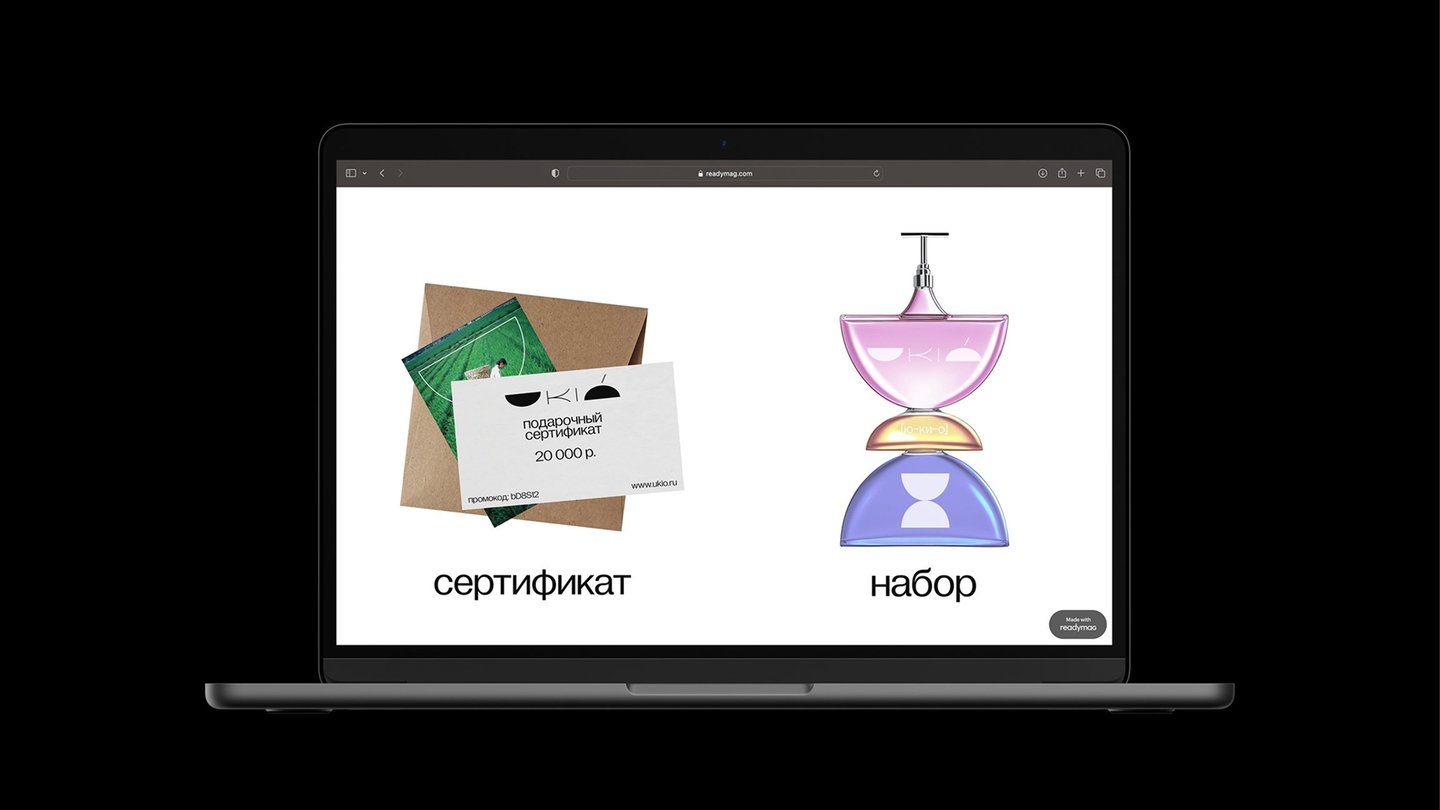
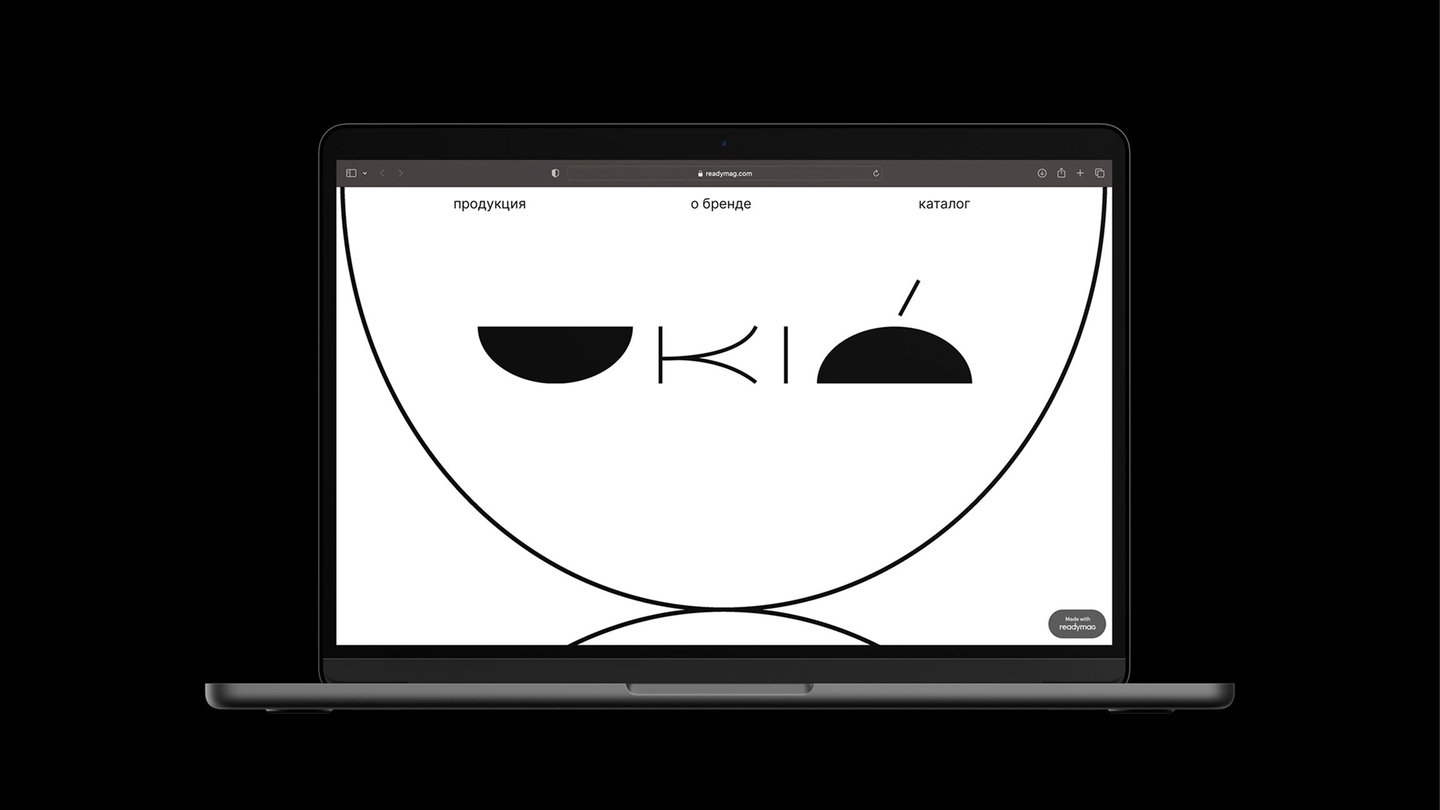
UKIO: Website
Craig, R. T. (1999). Communication theory as a field. Communication Theory, 9(2), 119–161.
Lila Spear. The Seven Traditions of Communication. Medium (the magazine). URL: https://medium.com/%40sgundling/the-seven-traditions-of-communication-46724b8d7bb8 (accessed 14.12.2025)
Theory of Media Exposure. Wikipedia. URL: https://en.wikipedia.org/wiki/Theories_of_media_exposure?utm_source=chatgpt.com (accessed 14.12.2025)
Agenda-Setting Theory. Media Studies (Online Platform). URL https://media-studies.com/agenda-setting-theory/?utm_source=chatgpt.com (accessed 14.12.2025)
Selective exposure theory. Wikipedia. URL: https://en.wikipedia.org/wiki/Selective_exposure_theory?utm_source=chatgpt.com (accessed 14.12.2025)
Diana L. Ascher. Communication Theories. Diana L. Ascher, PhD, MBA (Personal Website). URL: https://dianaascher.com/communication-theories/?utm_source=chatgpt.com (accessed 14.12.2025)
Authentic artwork of Snezhana Gireva (personal archive)
https://portfolio.hse.ru/Project/189195 (accessed: 13.12.2025)
https://hsedesign.ru/project/05f4efa72ac24c32b6c9ba1bc7f1232e (accessed: 13.12.2025)