Index:
(1) Concept
(2) Animating the Inanimate
(2.1) «Lullaby Land, ” Walt Disney, USA, 1933
(2.2) „Dreams of Toyland, ” Arthur Melbourne-Cooper, UK, 1908
(2.3) „Slumberland Express, ” Walter Lance and Manuel Moreno, USA, 1936
(3) Distortion of Scale
(3.1) „The Pet, ” Winsor McCay, USA, 1921
(3.2) „Mickey’s Garden, ” Wilfred Jackson, USA, 1935
(4) Alterations to the Laws of Physics
(4.1) «The Flying House,» Windsor Mackay, USA, 1921
(4.2) «Wynken, Blynken and Nod,» Graham Head, USA, 1938
(4.3) «Dream of a Rarebit Fiend,» Wallace McCutchen and Edwin Porter, USA, 1906
(5) Shifting Roles
(5.1) «Mickey’s Gala Premiere,» Bert Gillette, USA, 1933
(5.2) «Porky’s Romance,» Frank Tashlin, USA, 1937
(6) Space Transformation
(6.1) «Alice’s Wonderland, ” Walt Disney, USA, 1923
(6.2) „Somewhere in Dreamland, ” Dave Fleischer, USA, 1936
(6.3) „The Little Match Girl, ” Arthur Davis and Sid Marcus, USA, 1937
(7) Turning the Mundane into the Macabre
(7.1) „Pluto’s Judgement Day, ” David Hand, USA, 1935
(7.2) „The Cat’s Out, ” Wilfred Jackson, USA, 1931
(7.3) „Red Hot Mamma, ” Dave Fleischer, USA, 1934
(8) Conclusion
(1) Concept
Dreams have always been, and remain, a subject that interests artists, writers, and musicians. Animators have not been an exception: dreams are always a great opportunity to experiment with imagery. Artists have altered form, space, and movement.
Animation was already a departure from reality, as it brought into being the impossible in real life (for example, everyday objects come alive, familiar proportions change, and characters' fantasies and fears take visible form). Dreams, on the other hand, evolved into another layer of escaping reality.
Choosing a topic allowed us to clearly see the capabilities of early animation: in dreams, the world ceased to follow conventional rules, providing even greater scope for artists' imaginations. Illusions became an opportunity to test various visual techniques, rather than simply serving as another plot twist. This is precisely why the research examined dreams from an artistic perspective, not a psychological one.
The main principle for selecting visual material was the presence of imagination as the central narrative thread in the cartoons. European and American short animations served as the basis. It was important to select the animations with maximum precision to demonstrate the artistic techniques I identified: no film was repeated across different chapters. The primary approach for structuring the research was not chronology or a specific director, but the identified mechanisms of depicting dreams: animism (bringing inanimate objects to life), distortion of scale, violation of the laws of physics, role reversal, transformation of space, and the transmutation of the ordinary into the uncanny. This system allowed for the most successful tracing of the visualization of all these techniques. As part of the analysis of textual sources, materials were reviewed that could help refine the historical context, examine the visual language of early animation, and study the transformation of imagery and methods of its representation. Resources such as Donald Crafton’s book Before Mickey: The Animated Film 1898–1928, Jana Alberto Bendazzi’s Animation: A World History, and Paul Wells' Understanding Animation were used for this purpose.
The world of dreams was transformed into a specialized method for showcasing the imagination and skills of everyone involved in creating cartoons. The main research question was: «What visual techniques did animator artists use to visualize the world of dreams?» It was the regularity of these approaches across different authors that allowed for a discussion on the formation of a distinct language of illusions.
(2) Animating the Inanimate
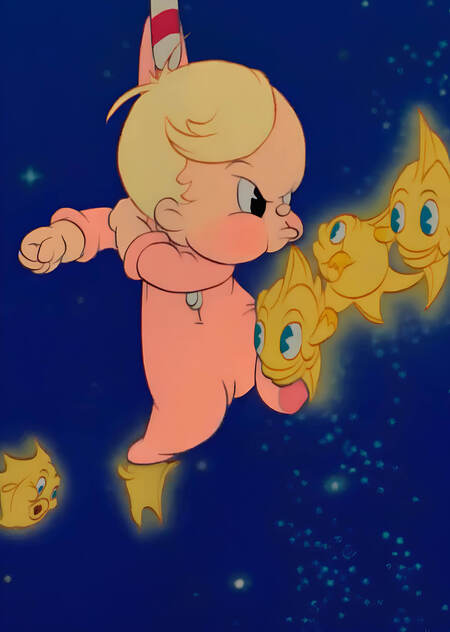
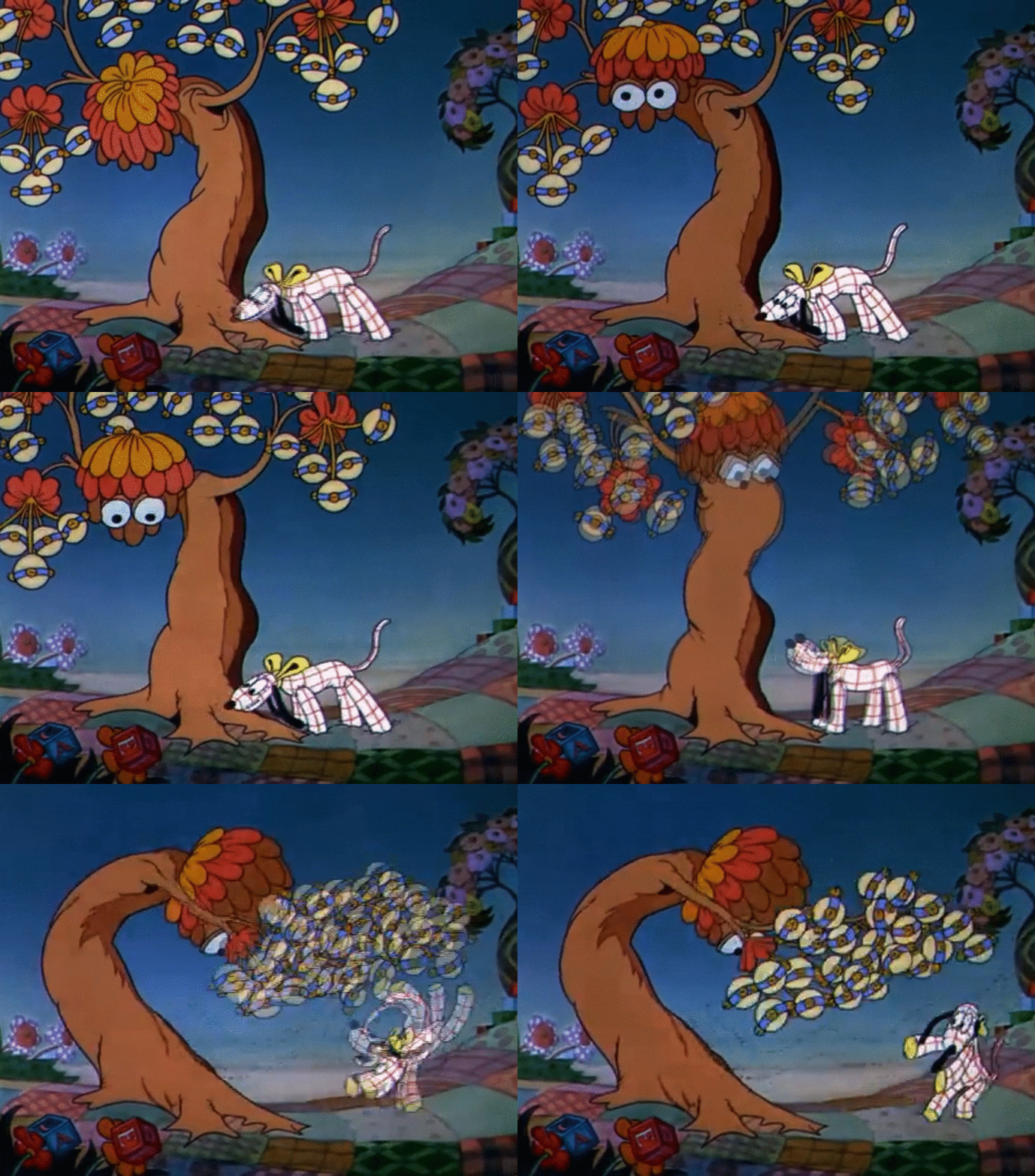
(2.1) «Lullaby Land, ” Walt Disney, USA, 1933
Plot: A baby drifts into a fantastical land in a dream where children’s toys and belongings come to life. This innocent journey eventually leads him to a garden of dangerous objects.
(2.2) «Dreams of Toyland, ” Arthur Melbourne-Cooper, Great Britain, 1908
Plot: A boy dreams of a world inhabited by living toys that move autonomously and stage unusual scenes.
(2.3) «Slumberland Express, ” Walter Lance and Manuel Moreno, USA, 1936
Plot: Oswald and his younger brother take a train to the land of dreams, where ordinary objects come to life and some transform into frightening creatures.
In early animation, inanimate objects were often brought to life while retaining virtually their original appearance. This technique helped transform the mundane world into fantasy and blurred the line between the living and the inert.
(3) Scale Distortion
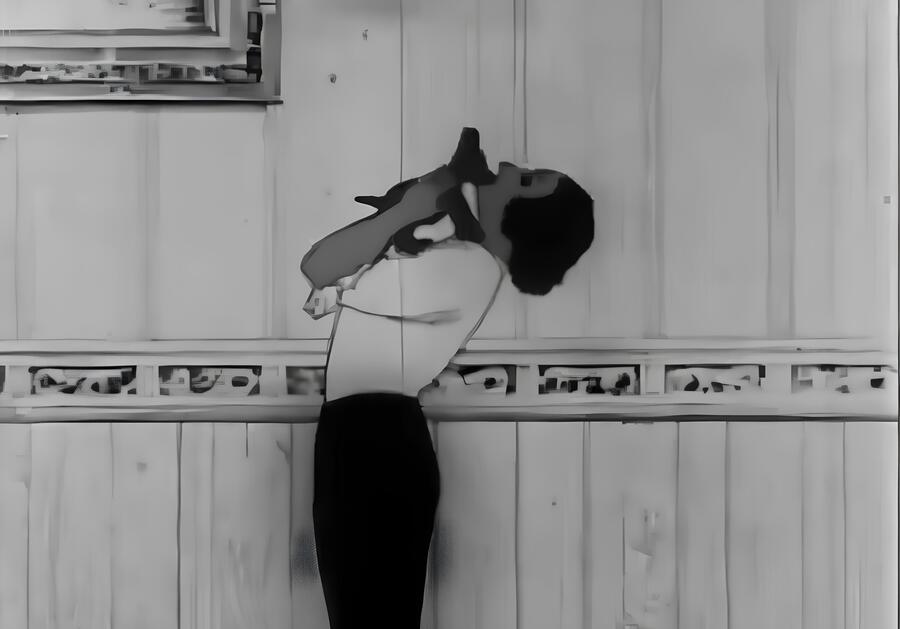
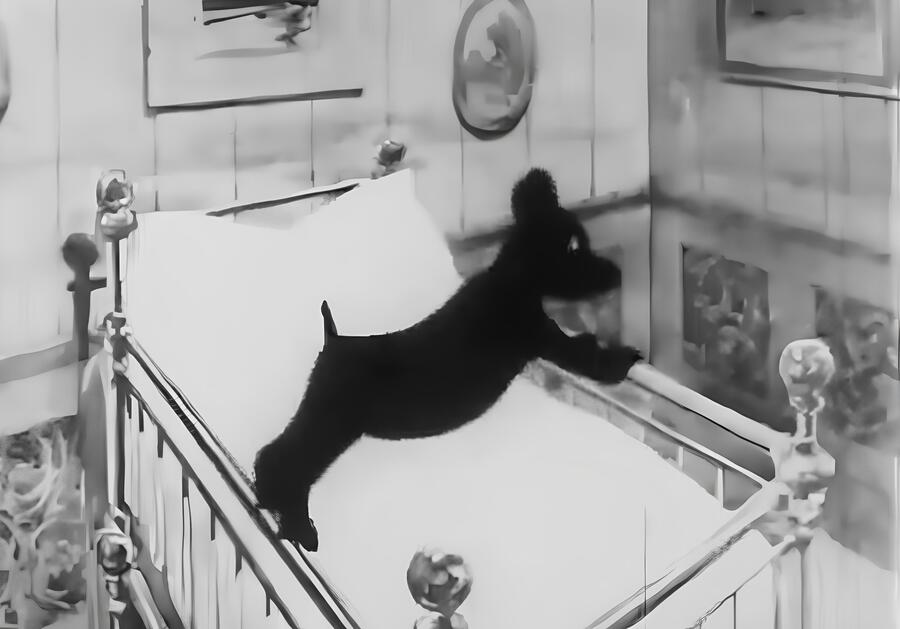
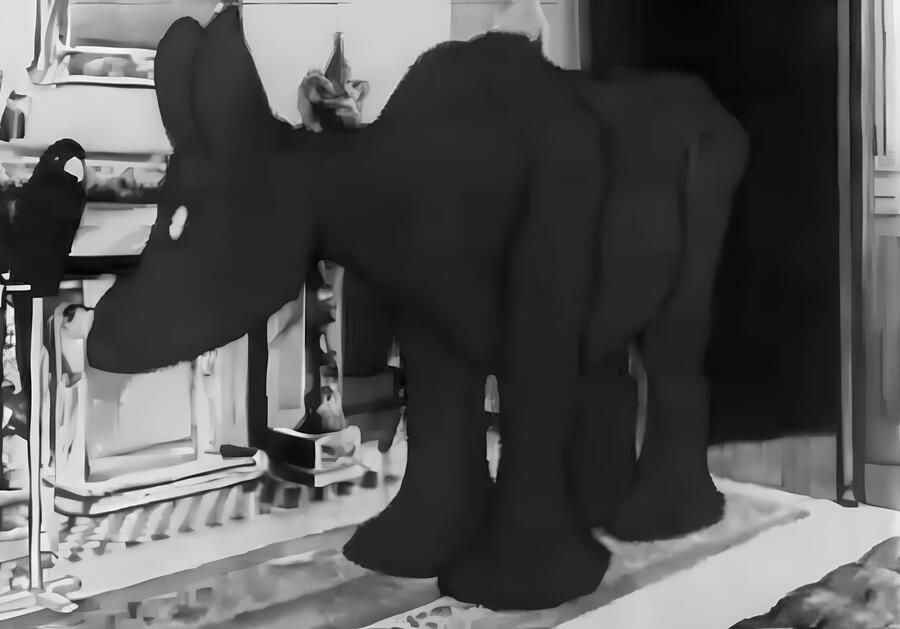
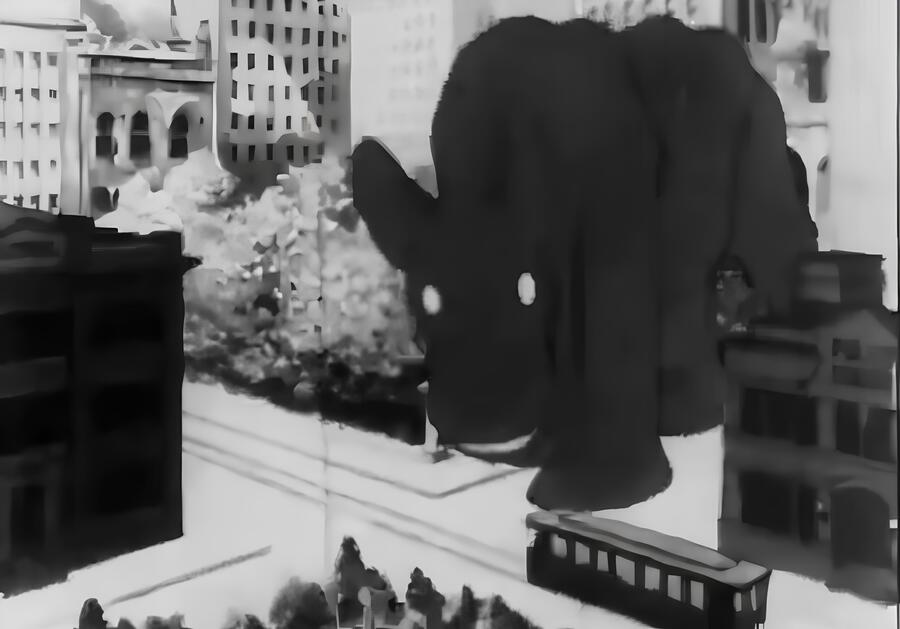
(3.1) «The Pet,» Winsor McCay, USA, 1921
Plot: A woman dreams of an unusual household pet that continuously grows until it transforms into a giant creature threatening the entire city.
(3.2) Mickey’s Garden, Wilfred Jackson, USA, 1935
Synopsis: In a dream, Mickey Mouse shrinks down and finds himself among the enormous plants and insects of his own garden.
In dreams, everything could change, even the size of familiar objects. This method emphasized the potential absurdity of the situation: innocuous things could become a threat, and vice versa.