Concept
The theme of female photography collectors was chosen due to its underrepresentation in art history. Traditionally, the history of collecting has been described as a predominantly male domain—one need only recall names such as Alfred Stieglitz, Sam Vagstaff, or Jordan Schnitzer. However, throughout the history of photography, women have played a crucial role in preserving, systematizing, and popularizing this medium. My research aims to reconstruct the «female history» of photographic collecting.
Four figures were selected for material analysis, each representing a different model of female collecting: Susan Winsberg, the encyclopedic collector who amassed the rarest examples of early French photography; Judith Ellis Glyckman, the artist-photographer whose collection reflects her personal taste and professional experience; Michelle Herbert Klein, the philanthropist and institutional collector; and Julia Driver, the researcher-collector who created an archive dedicated to female photographers.
The research structure is built on the case study principle: each female collector is presented in a separate chapter with an analysis of her contribution, visual preferences, and institutional influence. The concluding section provides a comparative analysis of four collecting models.
The theoretical foundation was established through ARTnews publications on the Winsberg gift, materials from the University of Maine regarding the Glyckman exhibition, biographical data from the archives of Yale University concerning the Julia Driver collection, and philanthropic sources on Michelle Gerber Klein.
The key research question
How did women collectors shape the history of photography, and what visual and institutional strategies did they employ?
Hypothesis
I surmise that female photo collectors, who often remained in the shadows, played a crucial role in shaping museum collections and the canon of photography history. Their approach to collecting, moreover, was distinguished by a particular depth, systematic rigor, and personal investment.
Topics
- Concept
- Index/Navigator
- Historical Context: Women in the World of Collecting
- Suzanne Winsberg: A Passion for 19th-Century French Photography
- Judith Ellis Gleckman: On Both Sides of the Camera
- Michel Gerber Klein: Philanthropy and Institutional Memory
- Julia Driver: The Archive as the Reconstruction of Women’s History
- Comparative Analysis: Four Models of Female Collecting
- Conclusion
Historical Context: Women in the World of Collecting
Sam Wagstaff, New York, 1976.
Historically, collecting was considered a masculine pursuit associated with capital, power, and the public display of status. Women were either rendered invisible as collectors, or their collections were attributed to their husbands and fathers. For instance, collectors like Samuel Wagstaff, whose collection of 19th-century photographs entered the Getty Museum in 1984, are widely known in art history. However, women who amassed equally significant collections often remained in the shadows.
Robert Mapplethorpe, New York, 1979.
Julia Margaret Cameron Auction, London, 1974.
As a young and less «aristocratic» medium, photography opened up new possibilities. Women began collecting photographs as early as the mid-19th century, often guided by personal taste rather than market forces. The four histories presented in this study illustrate different eras and strategies of female collecting—from a private pastime to institutional philanthropy.
Suzanna Winsberg: A Passion for 19th-Century French Photography
Suzanne Winsberg began collecting photography in the 1970s while living in Paris. She became passionate about early French photography—a period that had long remained overlooked by major museums. Unlike male collectors who often focused on «hits» and recognized names, Winsberg collected widely and systematically. Her collection included works by both recognized masters and lesser-known photographers.
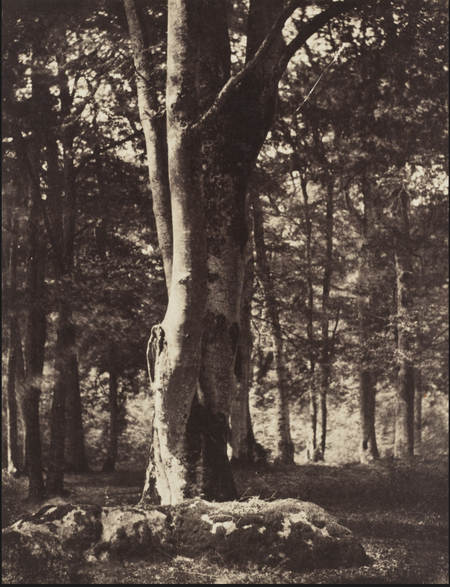
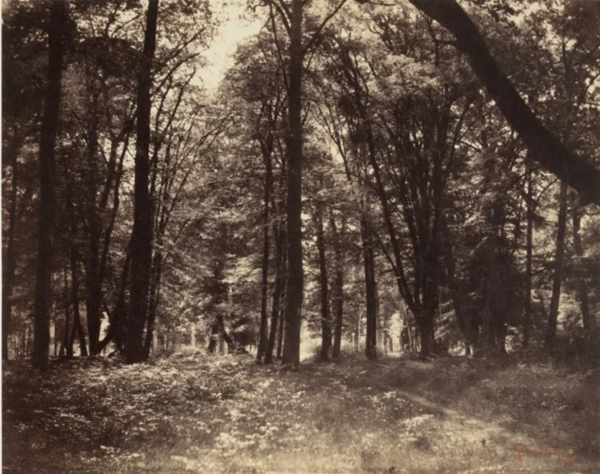
Gustave Le Gray, «Forest of Fontainebleau, ” Museum of Modern Art, New York, Suzanne Winsberg Collection. c. 1856.
In 2009, following Winsberg’s death, the Museum of Modern Art in New York announced that it had received nearly 60 works from her collection. As Sarah Meister, curator of MoMA’s Photography Department, noted, this gift «filled a gap» in the museum’s collection.
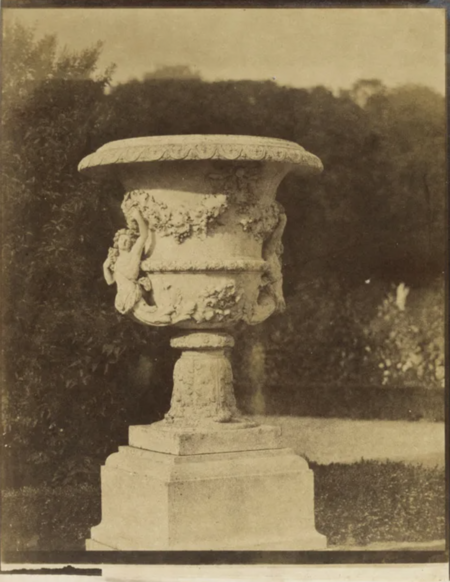
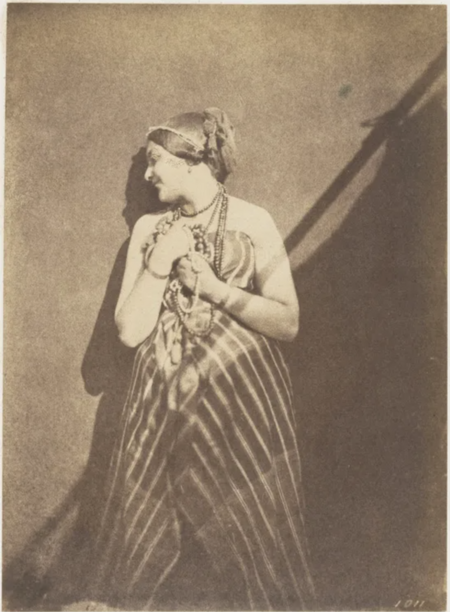
Louis-Rémy Robert, Vase, Versailles, The Museum of Modern Art, New York. Suzanne Winsberg Collection, 1853. / Julien Vallou de Villeneuve, Study After Nature, The Museum of Modern Art, 1853.
«We have long been aware of the relative weakness of our collection in 19th-century French photography; however, recognizing the problem doesn’t mean you can find key works of the highest quality. Works by Nadar and Le Gré, which were donated by Winsberg, are difficult to find today at any price”—Sara Meister
The Winsberg gathering showcased a remarkable diversity. Among the exhibits were «life sketches» by Julien Vallou de Villeneuve, documentary photographs by Edouard-Denis Baldus capturing the aftermath of the 1856 flood in Avignon, and works by Charles Negre and Gustave Le Gre.
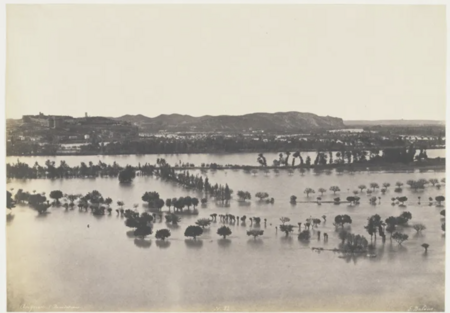
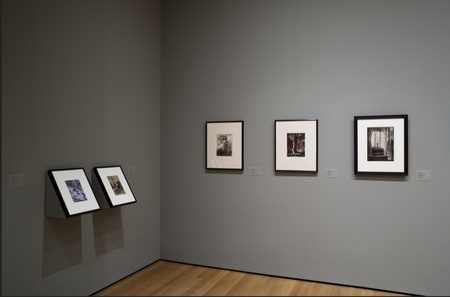
Édouard-Denis Baldus, The Floods of 1856, Avignon, Museum of Modern Art, New York. Suzanne Winsberg Collection, 1856. / Suzanne Winsberg Collection, Museum of Modern Art, New York, 2009.
The works reflecting the diversity of 19th-century photographic practices are of particular interest. Sarah Meister notes that the Winsberg collection became «proof of the varied photographic activity of the late 19th century.» Winsberg explored architectural photography, nude studies, and landscapes, demonstrating a breadth of taste rare for that era.
Suzanne Winsberg embodies the model of the collector-encyclopedist whose private passion filled institutional gaps. Her donation to MoMA exemplifies how a personal collection can reformat a museum’s collection and influence the canon of photographic history.
Judith Ellis Glyckman: On Both Sides of the Camera


Judith Glyckman Portraits
Judith Ellis Glyckman is a unique figure who works «on both sides of the camera.» The collector is the daughter of California pictorialist Irving Bennett Ellis, which contributed to her career as a photographer. Her own work focuses on the theme of the Holocaust, specifically the rescue of Danish Jews.
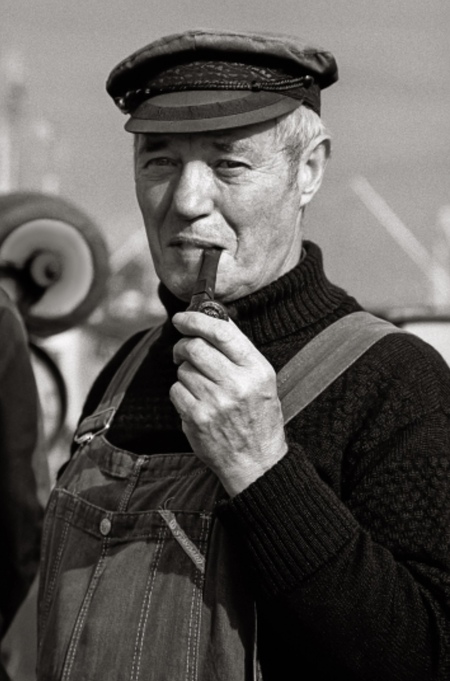
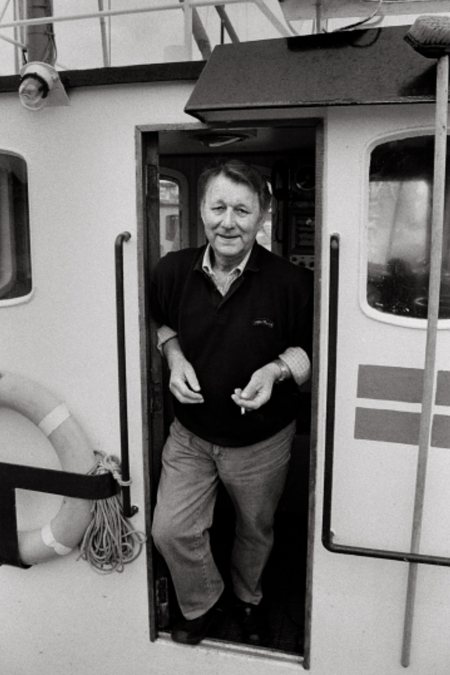
Judy Glickman Laude. Jens Moller, Gilleleje, fisherman and rescuer. Archival pigment print. Courtesy of the artist./ Judy Glickman Lauder, Karl Egon Petersen, Gilleleje, fisherman and rescuer.
Richard Avedon, Audrey Hepburn, and Art Buchwald, with Simone D’Aillencourt, Frederick Eberstadt, Barbara Mullen, and Dr. Reginald Kernan, Paris, 1959. Richard Avedon, gift in honor of Judith Glickman.