Navigation
- Concept
- Gesture of Approach
- Gesture of Competition and Threat
- Gesture of Refusal and Objection
- One Gesture—Varying Meanings
- Conclusion
Concept
The visual study examines how the movements of a puppet character convey its intentions without speech. The main focus here is on gesture as a component of visual language: approach, withdrawal, tilt, turn, raising of an «arm, ” abrupt motion, or stopping. These actions are analyzed within the context of the scene and taking into account changes in the behavior of another character.
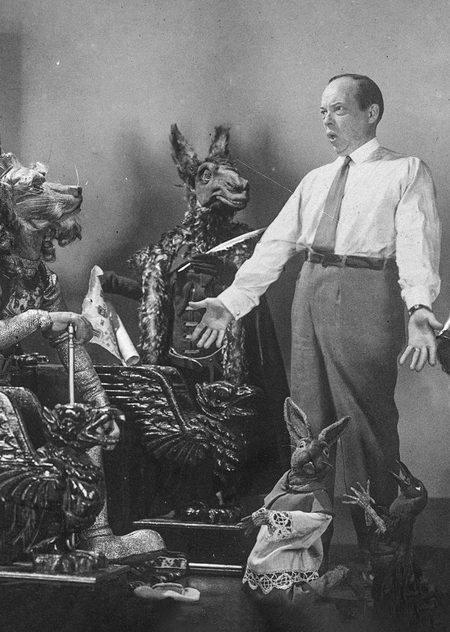
Vladislav Starevich’s early films illustrate how movement generates meaning. The main characters in his puppet films are insects whose behavior reflects human relationships: courtship, rivalry, threat, rejection, and conflict. The contrast between the unusual appearance of the characters and the gestures easily understood by the viewer makes these films illustrative material for studying how animation brings a static figure to life and transforms movement into an expressive act.
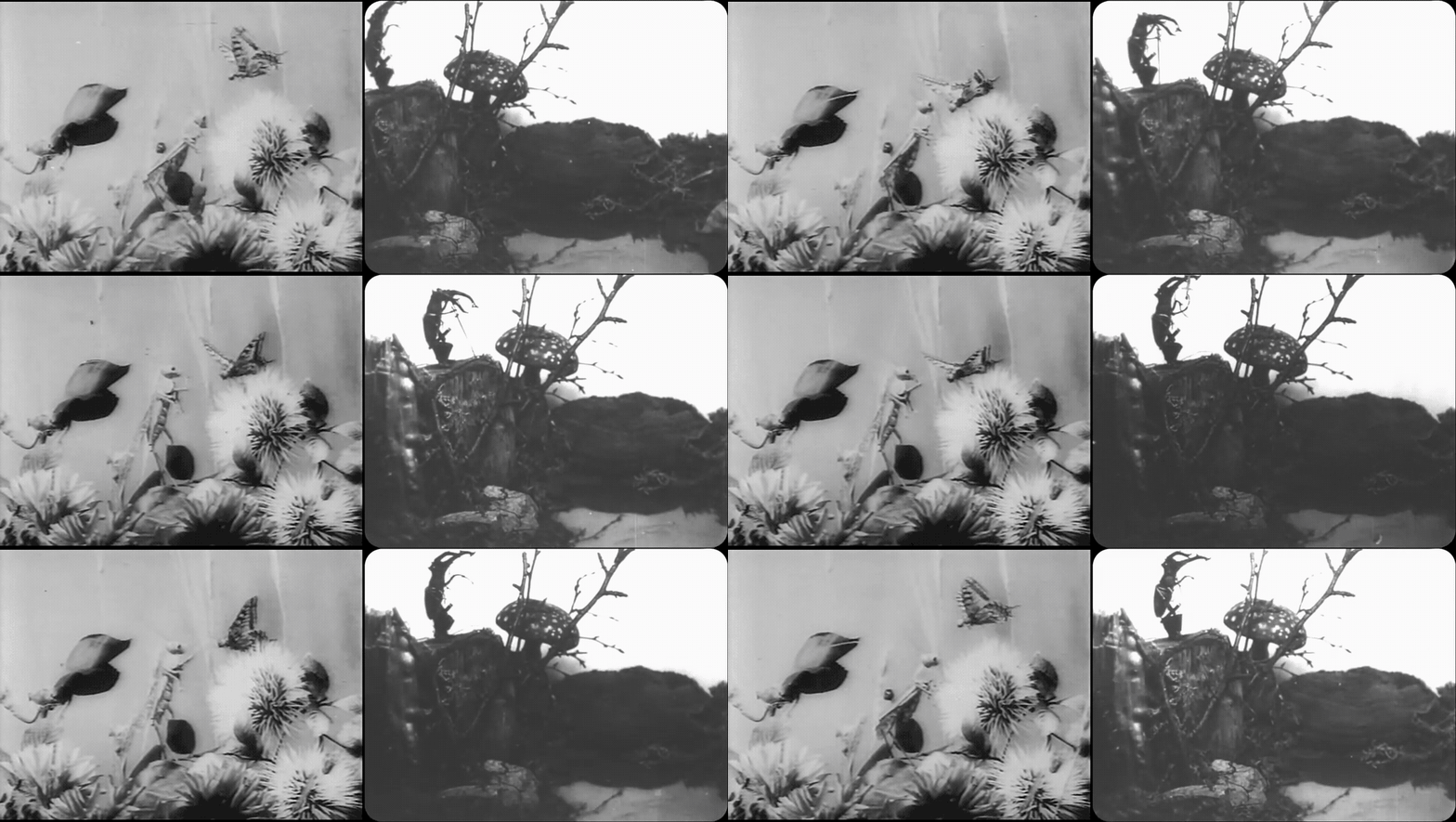
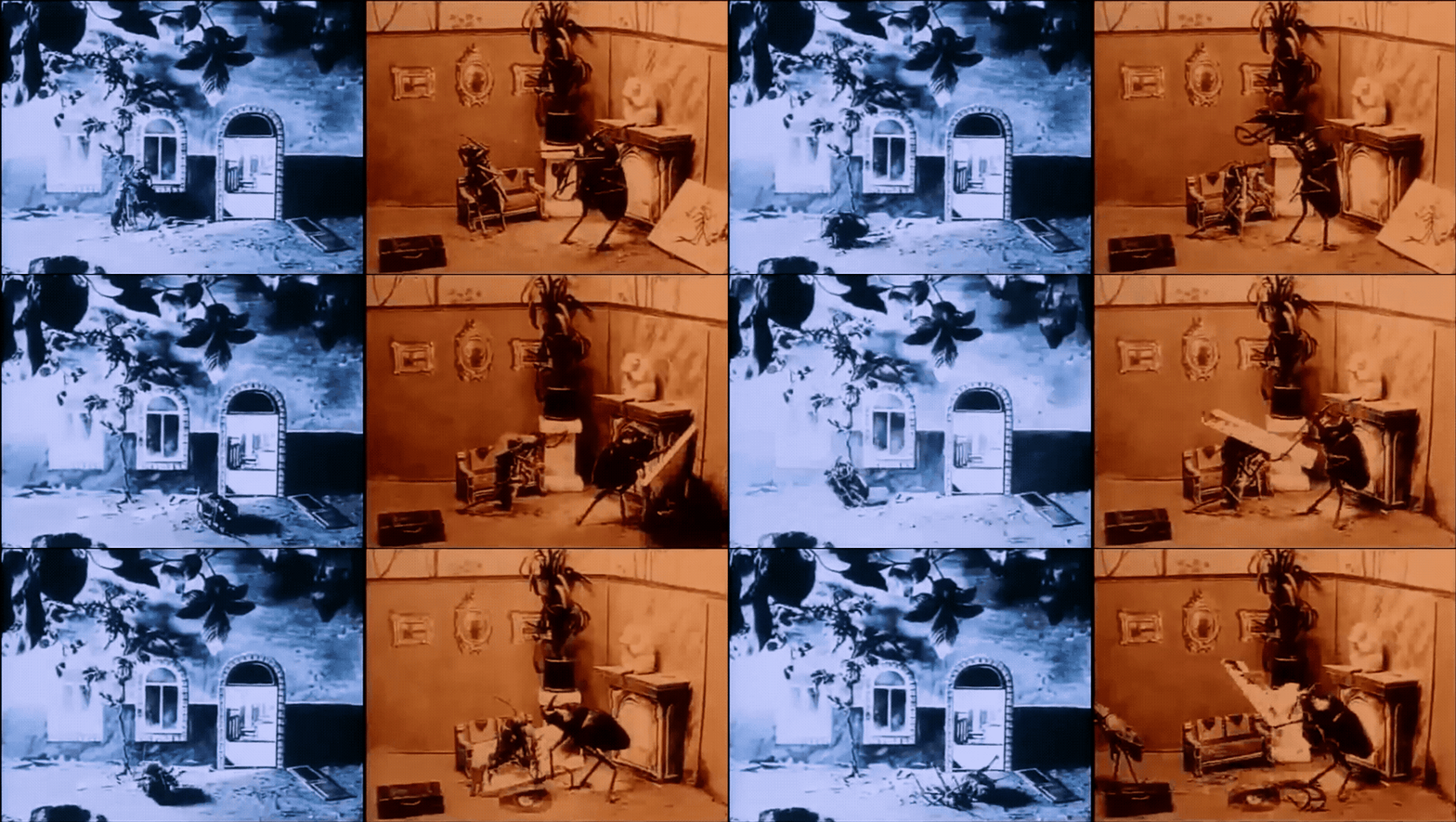
Fragment 1: «Dragonfly and Ant, ” Vladislav Starevich, 1913. Fragment 2: „The Beautiful Lucanidae, or the War of the Horned and Bearded, ” Vladislav Starevich, 1912. Fragments 3–4: „Revenge of the Cinematographer, ” Vladislav Starevich, 1912.
How do the gestures in Vladislav Starevich’s silent puppet films convey closeness, rivalry, threat, rejection, and disagreement?
The gestures in Starevich’s films serve as an independent narrative tool. Their meaning is shaped by the character’s demeanor, the direction and tempo of the movement, the distance between the figures, and the reaction it elicits. Consequently, similar movements can carry different meanings depending on the situation and the point within the sequence of actions.
This study focuses on three films: The Wonderful Lucanida, or The War of Horns and Moustaches (1912), The Vengeance of the Cinematographer (1912), and The Dragonfly and the Ant (1913). Comparing these works allows us to analyze gestures within different contexts. The same movement can accompany an attempt at closeness, denote superiority, or be part of a refusal. Its meaning is determined not only by its external form but also by who performs it, to whom it is addressed, what reaction it elicits, and when it appears in the scene.
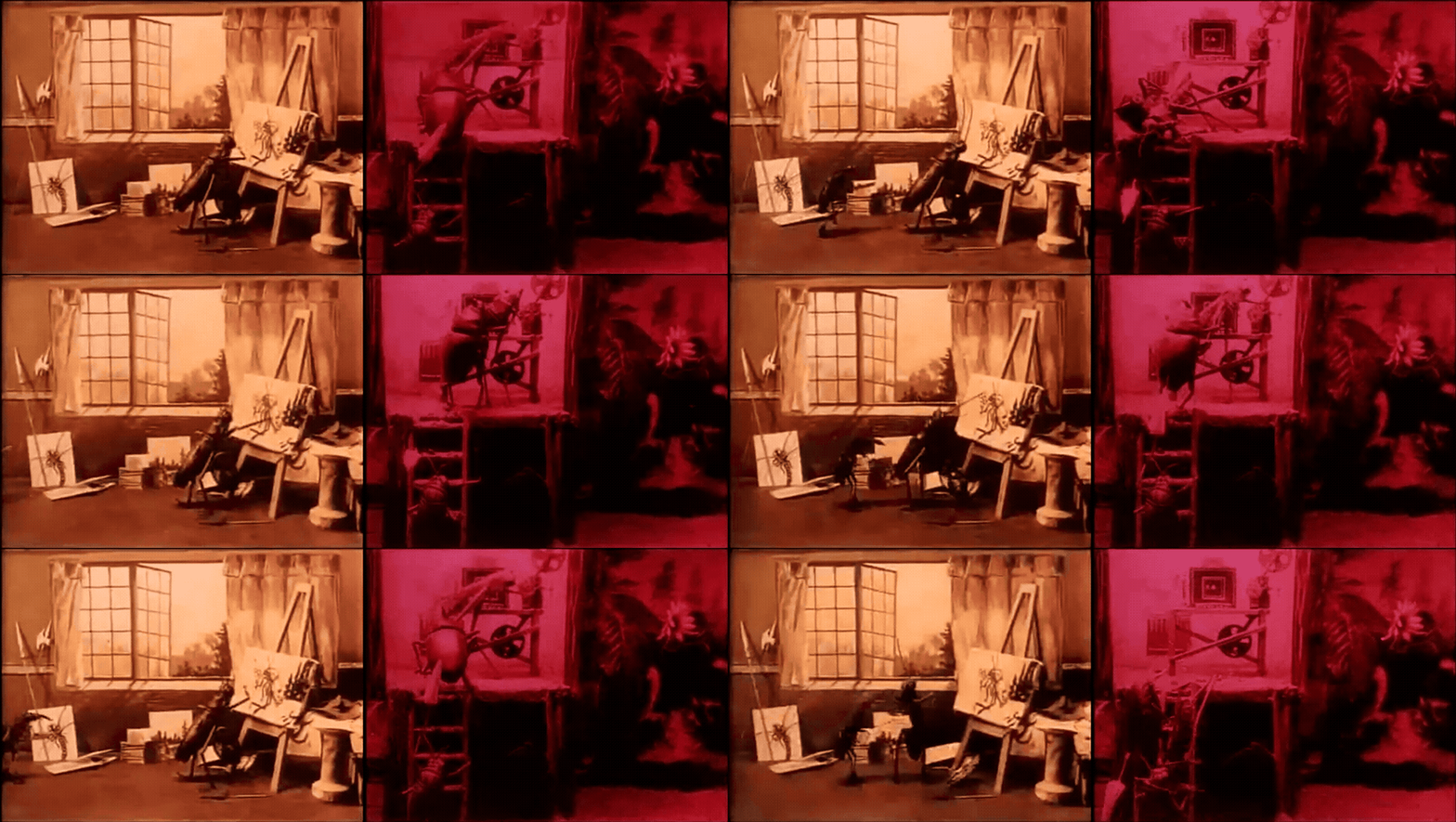
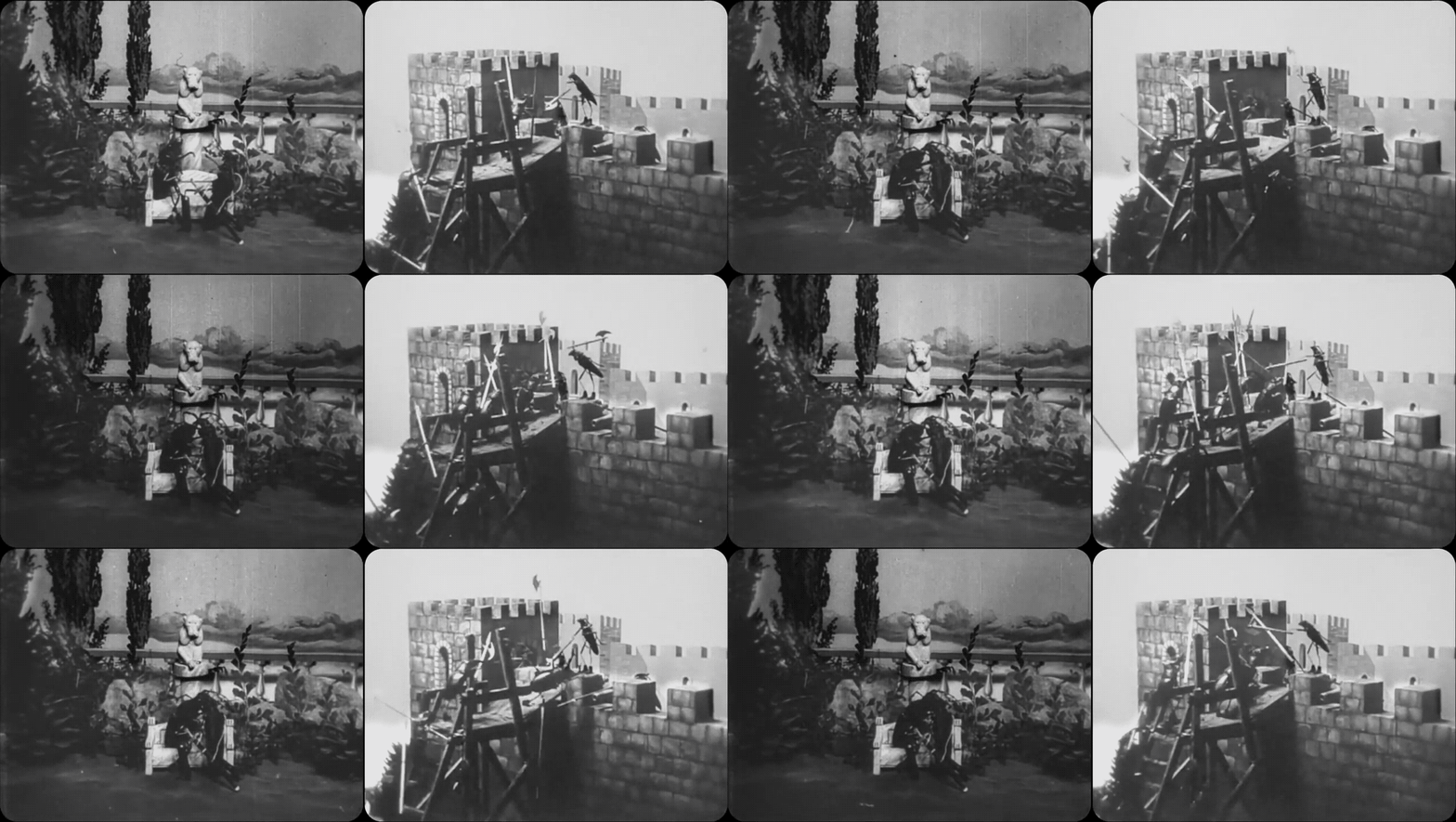
Fragment 1–2: «The Revenge of the Cinematographer, ” Vladislav Starevich, 1912. Fragment 3–4: „Beautiful Lucanida, or The War of the Horned and Moustached, ” Vladislav Starevich, 1912.
What determines the interpretation of the same movement?
When conducting this analysis, it is important to consider that the expressive language of cinema was still evolving in the early 20th century. Posture, pantomimic action, and exaggerated reaction helped the audience follow the silent narrative. This research does not treat gestures as universal signs with immutable meaning; rather, it tracks how they function within a specific scene. To achieve this, it is crucial to distinguish between the visible movement and its potential interpretation, paying close attention to rhythm, repetition, the character’s placement in the frame, and the sequence of actions.
Comparing repetitive movements across different scenes helps determine which gestural elements remain consistent and which alter its meaning. This analysis will reveal how early puppet animation employs the nuances of motion and time to craft expressive actions and reveal relationships between characters.
Proximity Gesture
«Beautiful Lucanida, or the War of the Horned and Bearded, ” Vladislav Starevich, 1912. Clip timestamp: 00:00:23–00:00:29.
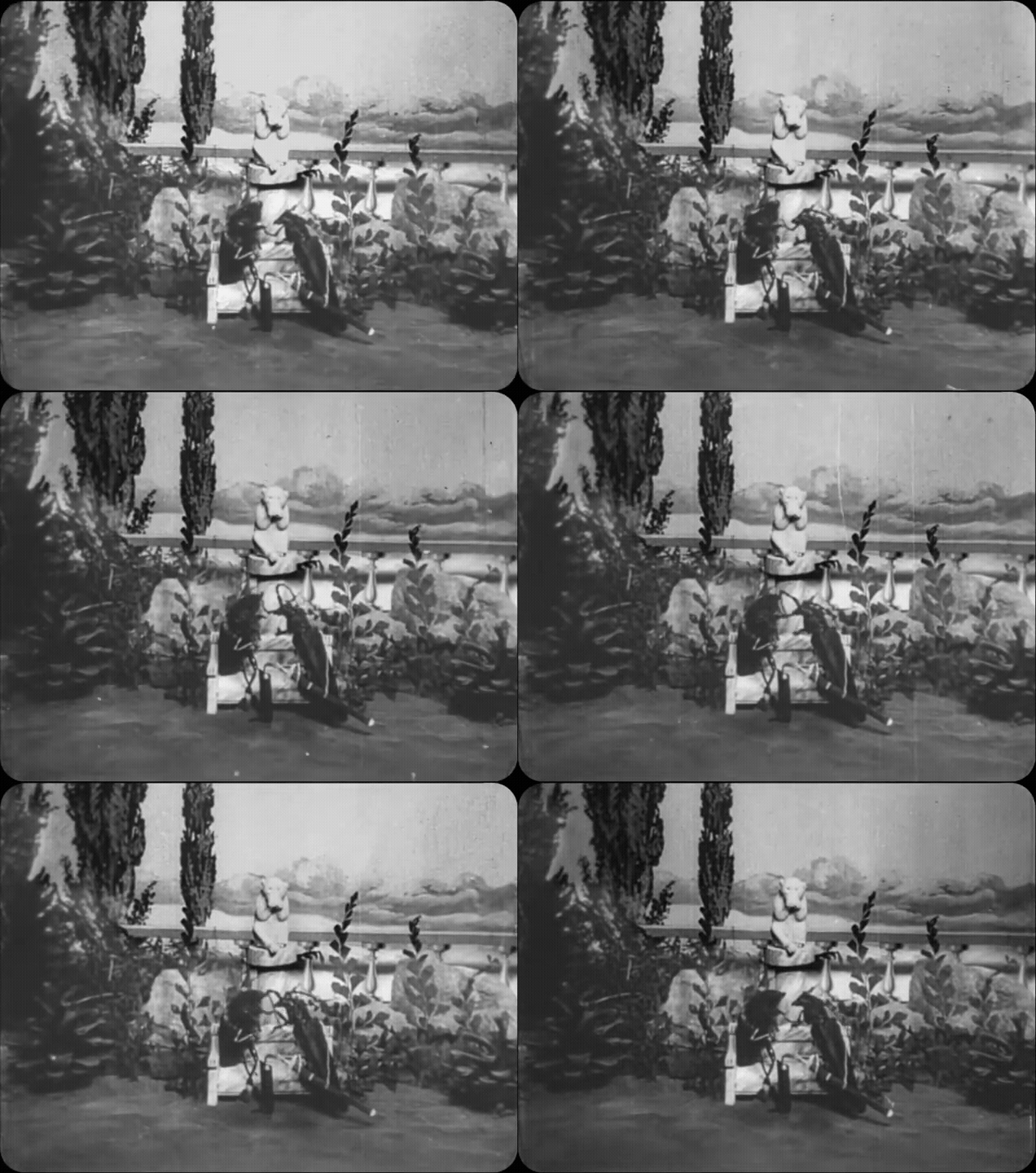
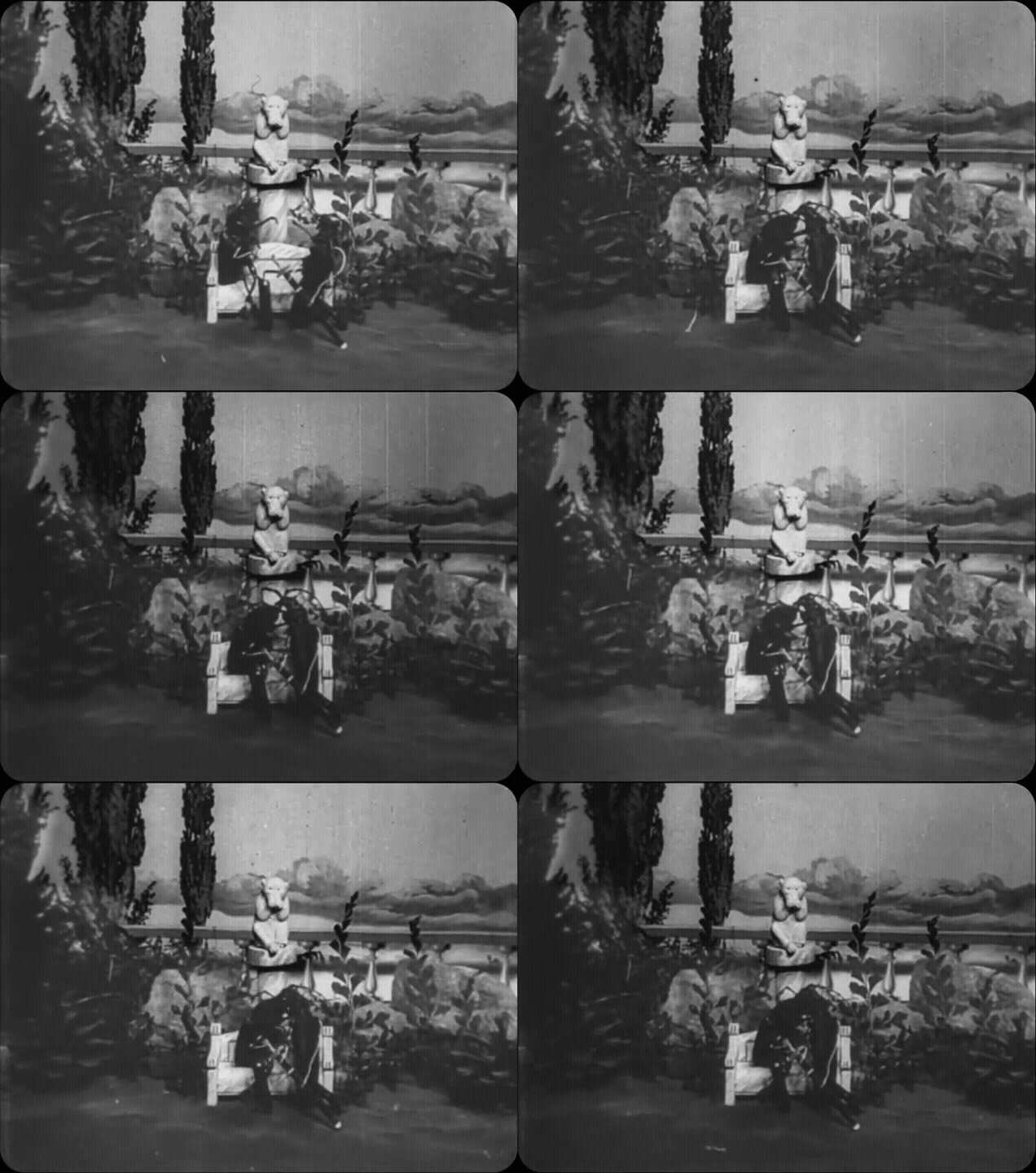
«Beautiful Lucanidae, or the War of Horns and Whiskers, ” Vladislav Starevich, 1912. Fragment timecode 1: 00:02:11–00:02:15. Fragment timecode 2: 00:02:24–00:02:35.
«Beautiful Lucanida, or the War of Horns and Mustaches, ” Vladislav Starevich, 1912. Fragment timecode: 00:05:08–00:05:12.
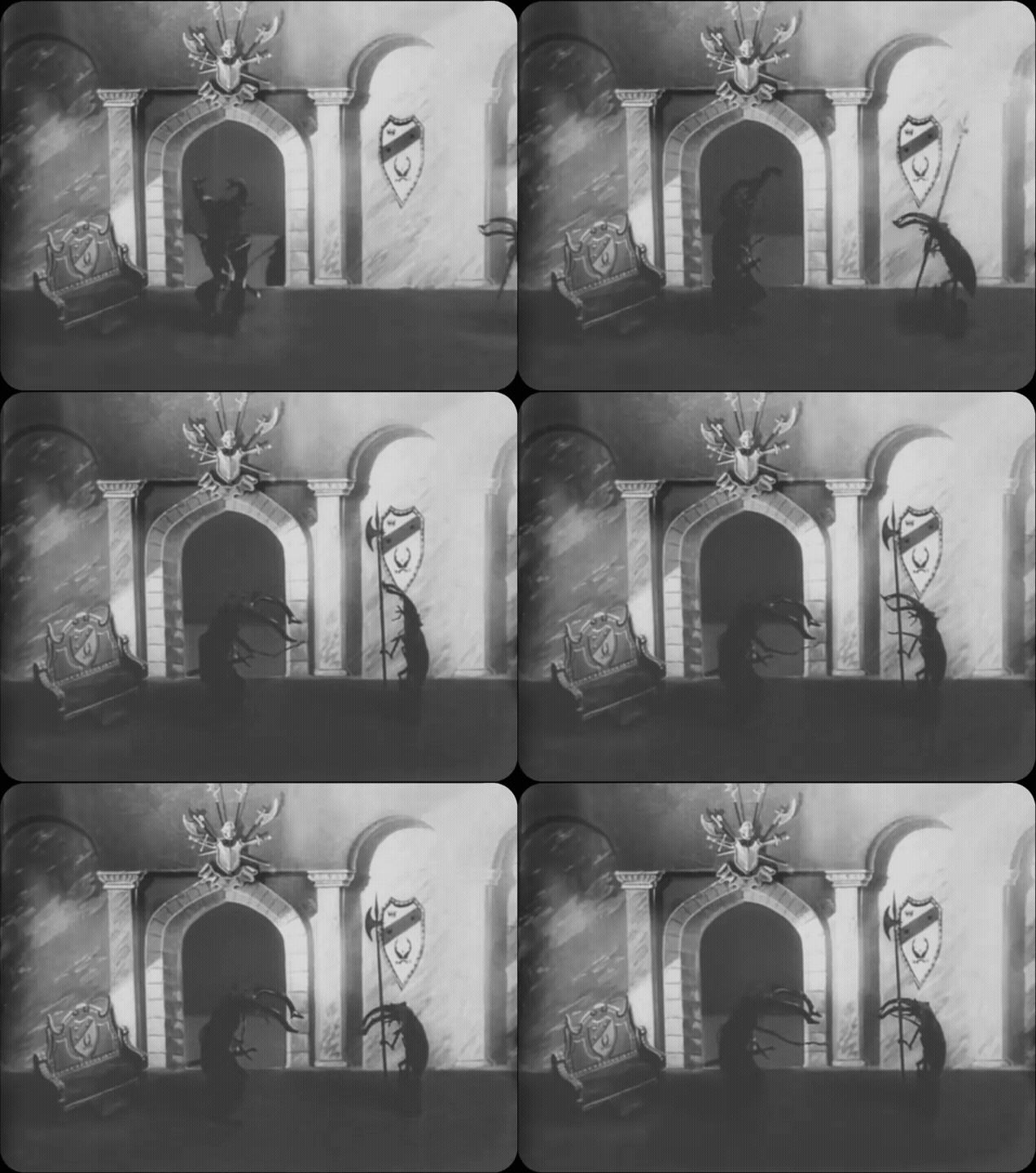
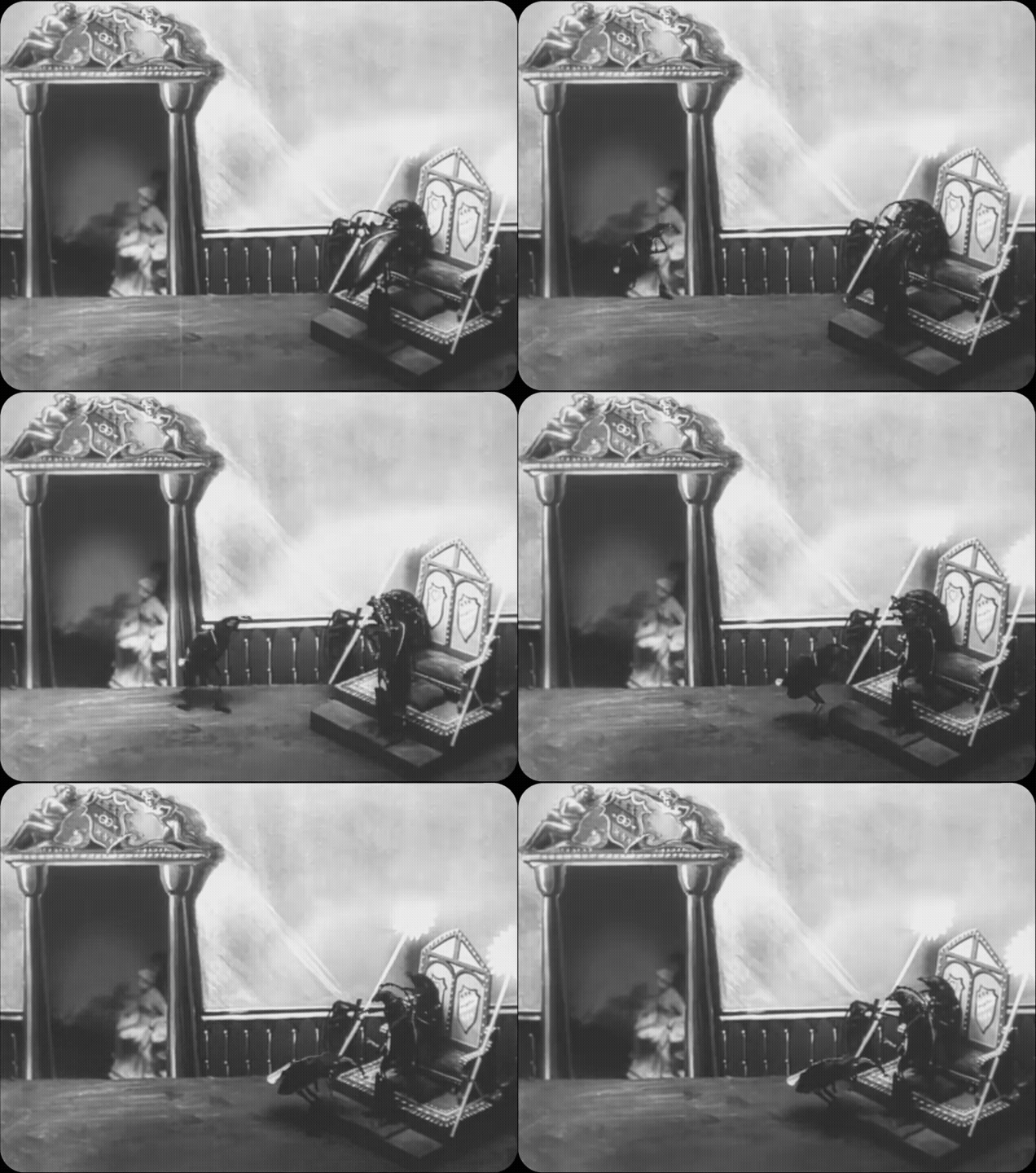
«Beautiful Lucanida, or the War of Horned and Bearded Men, ” Vladislav Starevich, 1912. Fragment Timecode 1: 00:01:20–00:01:29. Fragment Timecode 2: 00:05:14–00:05:20.
«Revenge of the Cinematographer, ” Vladislav Starevich, 1912. Clip timestamp: 00:00:15–00:00:21.
«Revenge of the Cinematographer, ” Vladislav Starevich, 1912. Fragment timecode: 00:01:42–00:01:46.
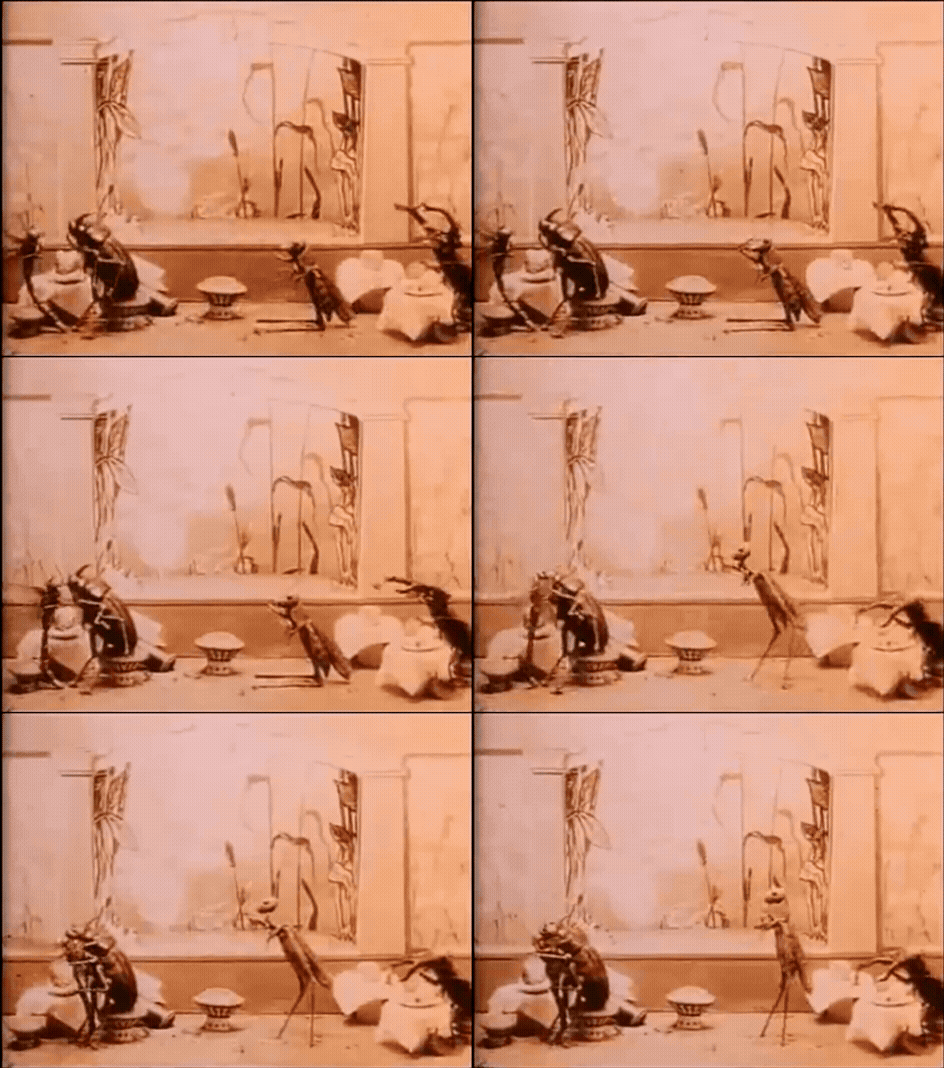
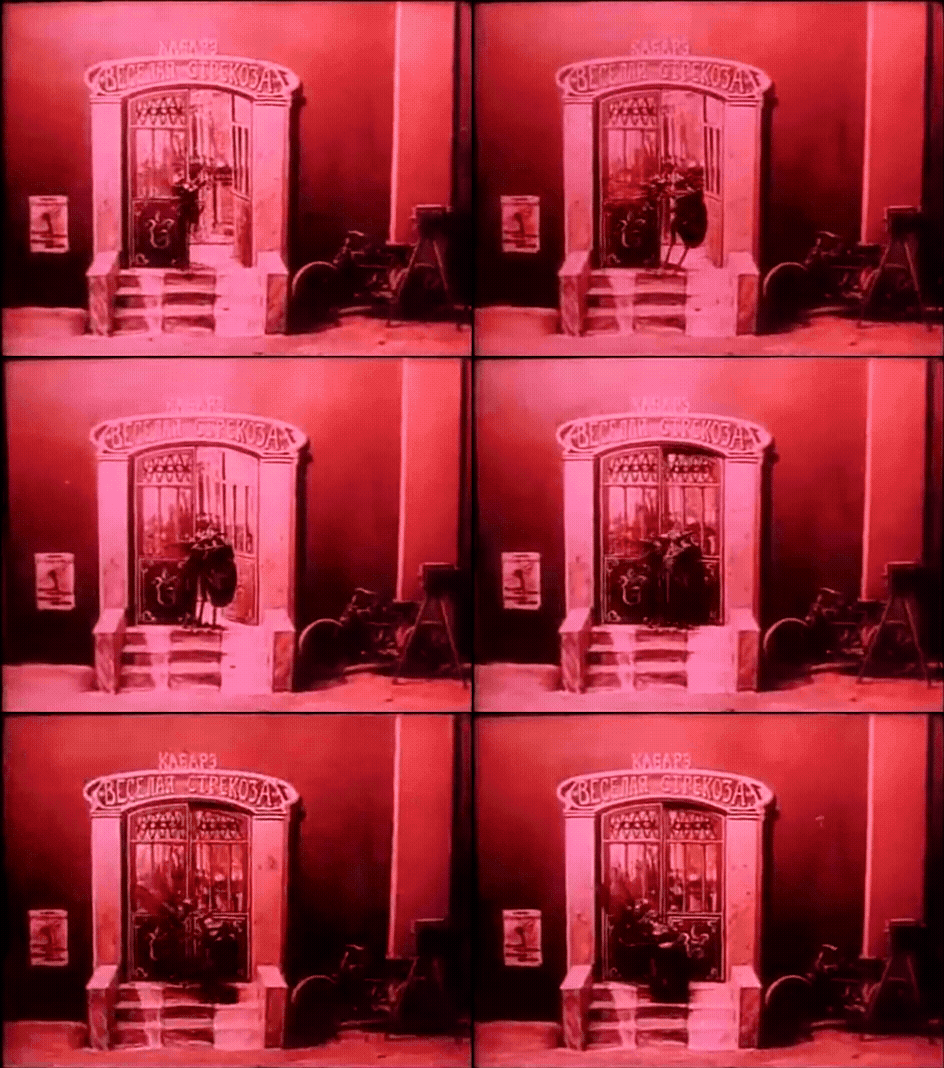
«Vengeance of the Cinematographer, ” Vladislav Starevich, 1912. Clip 1 timestamp: 00:01:57–00:02:03. Clip 2 timestamp: 00:02:20–00:02:25.
«Revenge of the Cinematographer, ” Vladislav Starevich, 1912. Fragment timestamp: 00:05:46–00:05:50.
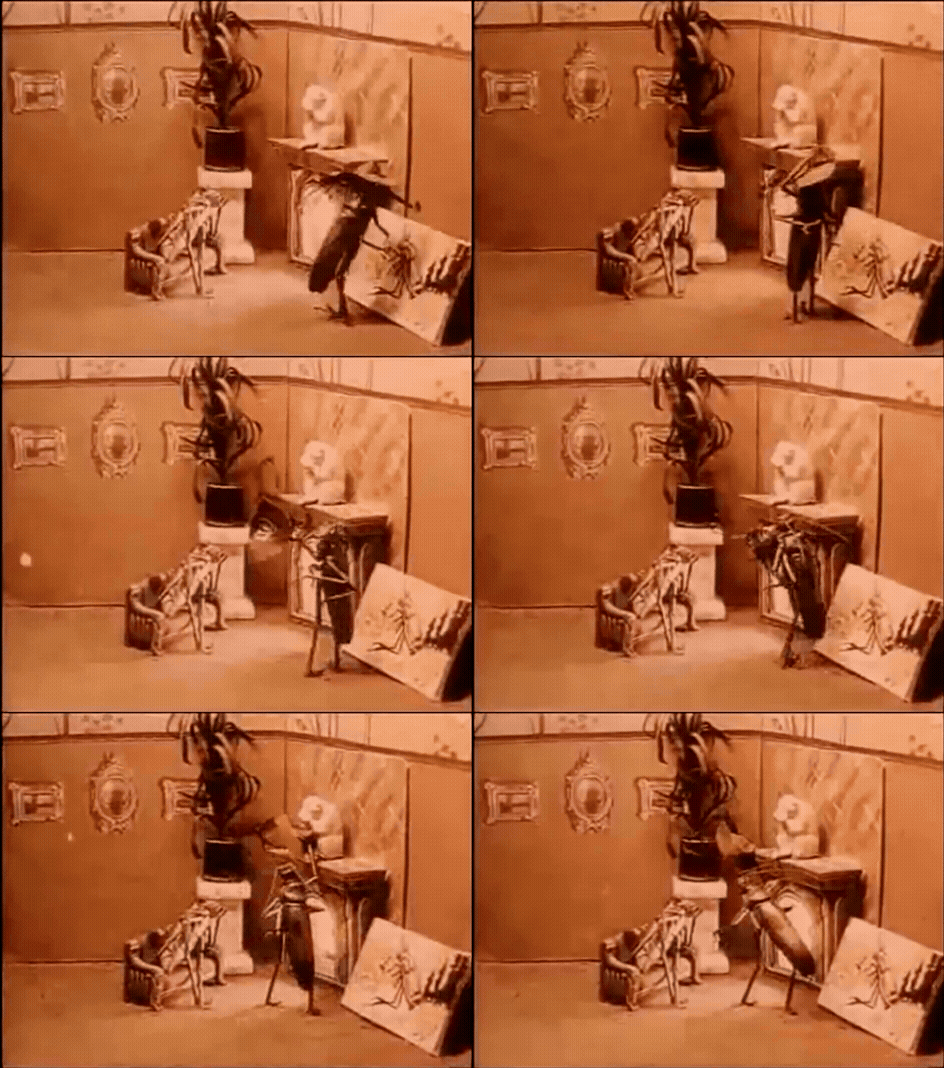
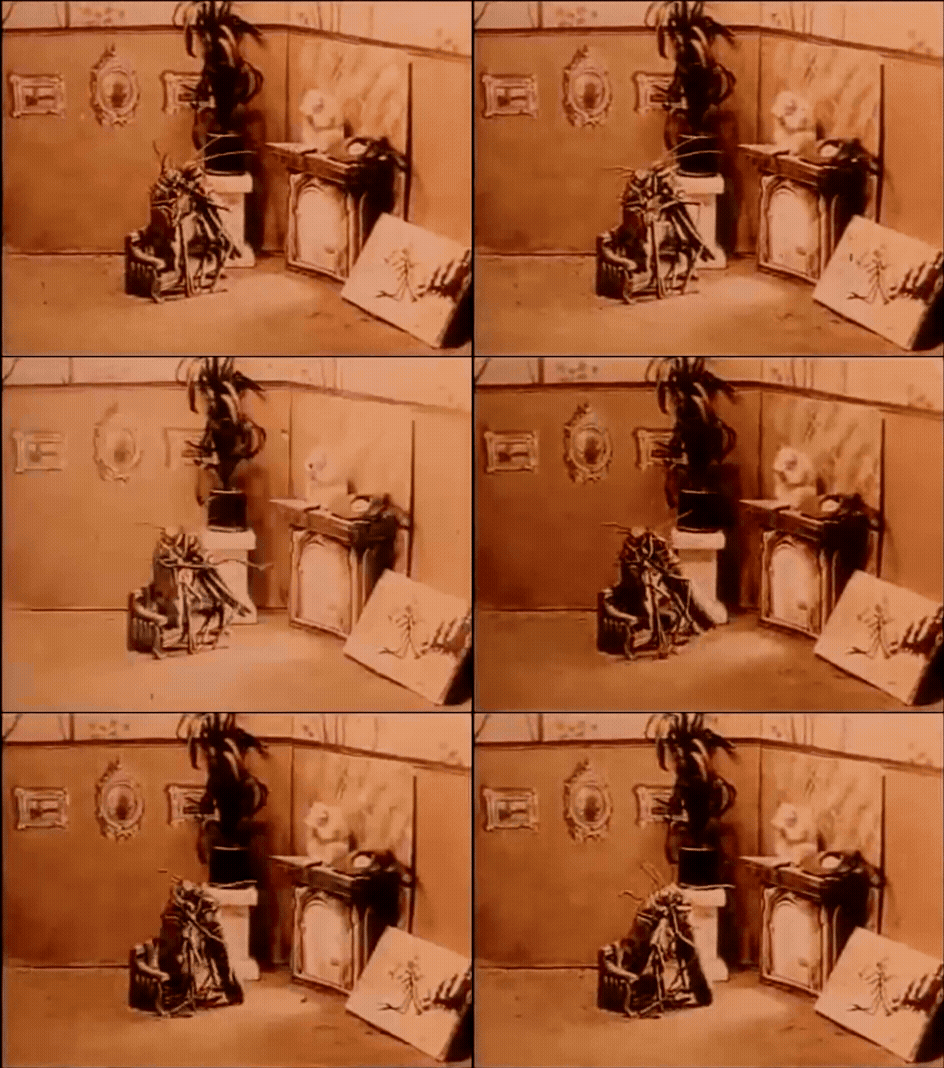
«Vengeance of the Cinematographer, ” Vladislav Starevich, 1912. Clip 1 Timestamp: 00:07:10–00:07:15. Clip 2 Timestamp: 00:07:51–00:07:55.
«Dragonfly and Ant, ” Vladislav Starevich, 1913. Clip timestamp: 00:00:37–00:00:43.
«Dragonfly and Ant, ” Vladislav Starevich, 1913. Clip timestamp: 00:01:02–00:01:15.
The Gesture of Competition and Threat
«Beautiful Lucanidae, or the War of the Antlers and Moustaches, ” Vladislav Starevich, 1912. Clip Timestamp: 00:01:55–00:02:03.
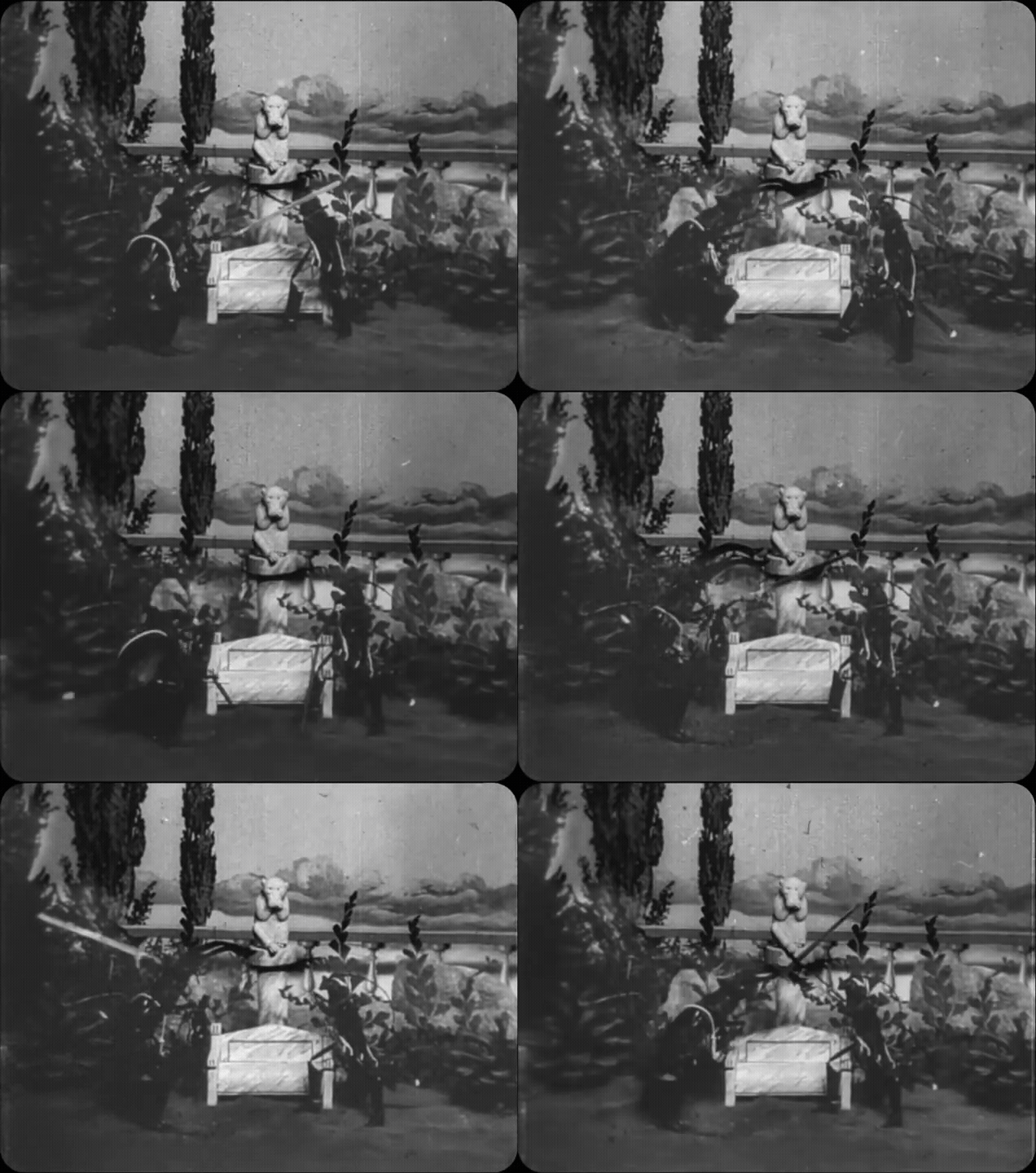
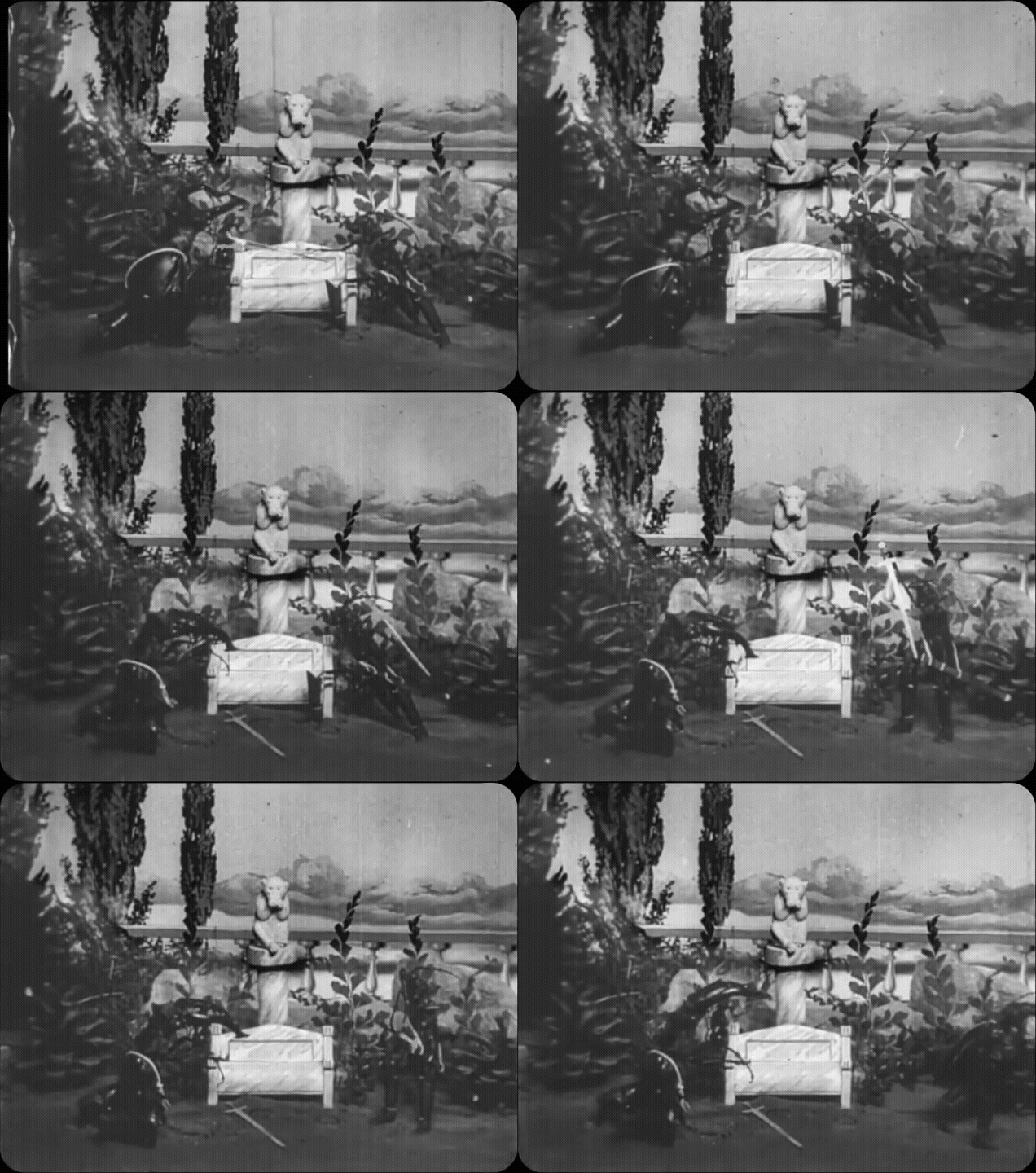
«Beautiful Lucanida, or the War of the Horns and Whiskers, ” Vladislav Starevich, 1912. Clip Timecode 1: 00:02:44–00:02:55. Clip Timecode 2: 00:03:03–00:03:14.
«Beautiful Lucanida, or the War of Horns and Moustaches, ” Vladislav Starevich, 1912. Clip timecode: 00:06:24–00:06:35.
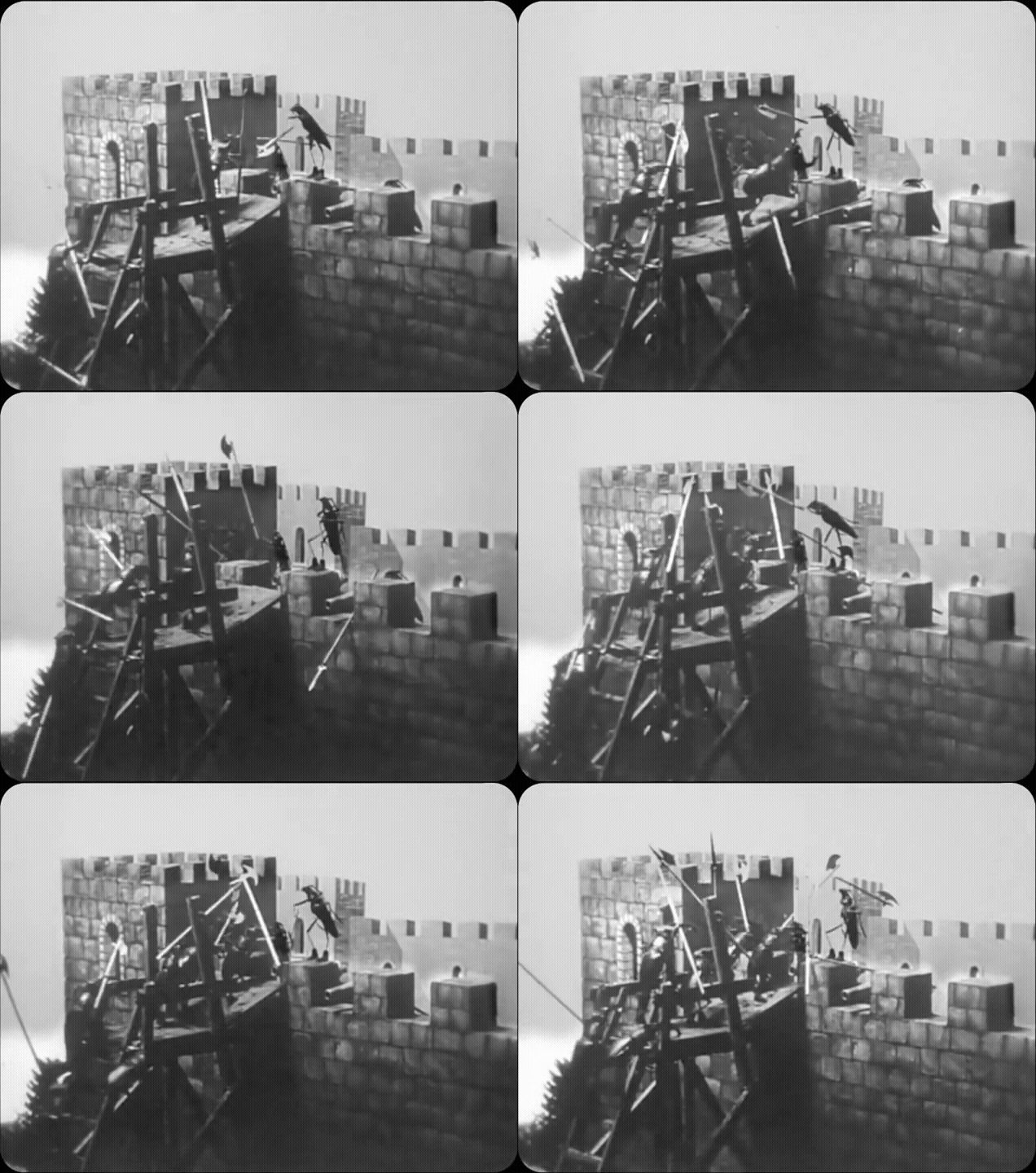
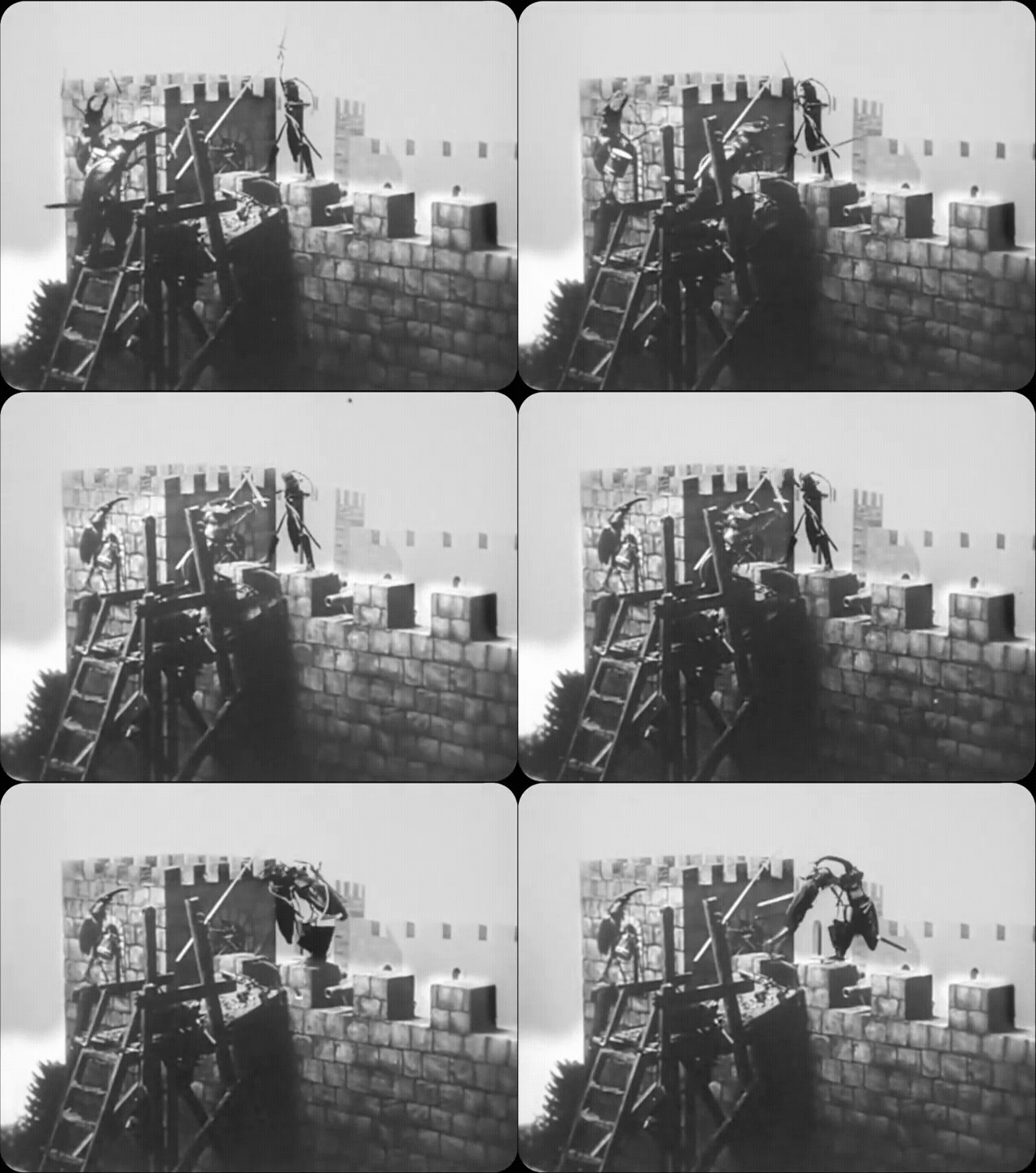
«Splendid Lucanida, or the War of the Horned and Whiskered, ” Vladislav Starevich, 1912. Timecode Segment 1: 00:07:28–00:07:35. Timecode Segment 2: 00:08:00–00:08:08.