[1]. Concept
How has the analog horror genre influenced the perception of nostalgia?Nostalgia in digital culture is less often tied to personal memory and more frequently emerges as an artificially constructed feeling—a sense of closeness to an era that most users may have never experienced.
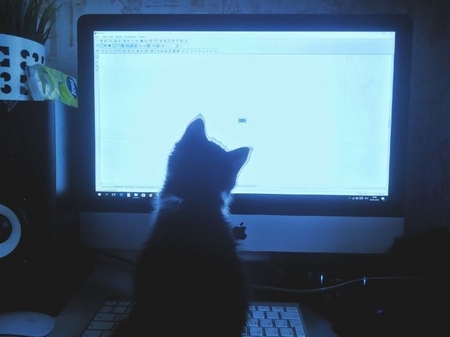
In a decade-long study conducted by researchers at the University of Gothenburg[1], it was discovered that people voluntarily retreat into the past. To describe this practice, the researchers proposed the term «social media nostalgia”—it refers to the intentional search by users for content that evokes a yearning for bygone eras.
Digital platforms sell not only personal memories but entire images of past epochs that users were not witnesses to. Media creates an illusion of others' experiences, which over time begin to feel like one’s own, and algorithmic recommendation feeds only amplify this effect. Thus, today’s teens, who have never held a VHS tape or played in an arcade, nonetheless experience the aesthetics of retro as something personally lived.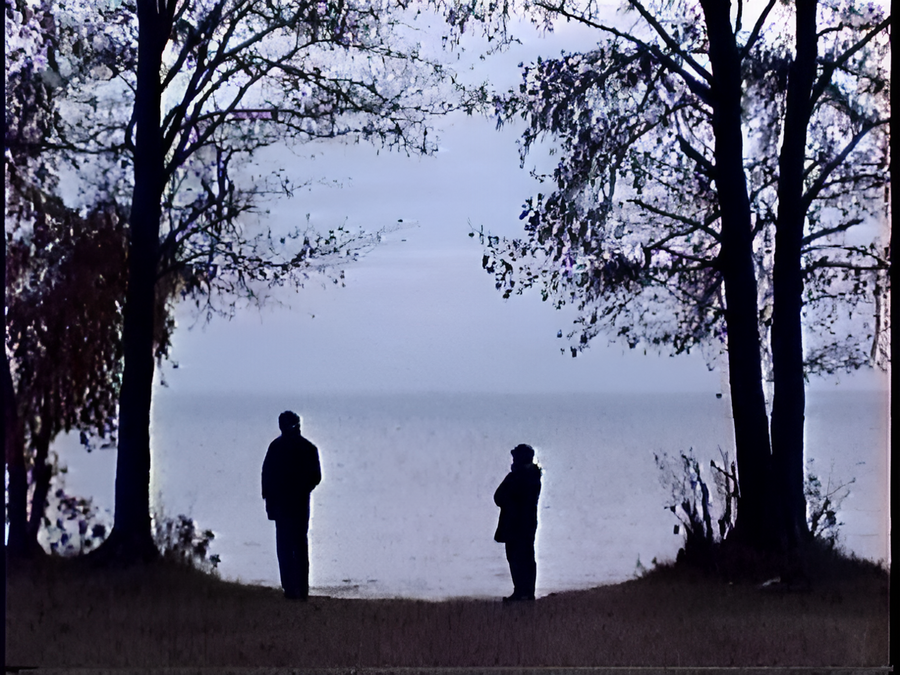
«Petrushka Syndrome» (2015 // Elena Khazanova
Images from the past are increasingly utilized not to replicate historical eras, but to generate an emotional and psychological effect. Projects in the analog horror genre reference the aesthetics of VHS recordings, old television, archival tapes, and outdated media formats, fostering in the viewer a sense of familiarity and false memory—even if they have never encountered such media environments in reality. Because of this, even overtly unrealistic events gain a feeling of documentary authenticity, prompting the viewer to feel as if what they are seeing once existed somewhere in their childhood, on a forgotten local channel, or an old cassette.
Investigating the genre of analog horror in this context allows us to examine how the digital environment reinterprets the very nature of nostalgia for old media formats, transforming it from a form of warm memory into an instrument of emotional impact.
For visual accompaniment, artworks by creators of analog horror video have been used: the choice of video content is driven by its possession of the greatest number of expressive means that directly impact the viewer’s perception—the combination of imagery, sound, editing rhythm, and the simulation of obsolete media carriers allows such works to amplify the intended effect.
«Obelisk» (2024) // «You’ve Come Back» // Lizardmeninc
The study is divided into three interconnected parts, each sequentially delving into the issue of forming digital nostalgia through the viewer’s perception of this genre:
• Part One is dedicated to the phenomenon of «reverse nostalgia”—an affinity for dark and frightening imagery. This section examines why visual and auditory elements associated with discomfort and fear can elicit not rejection, but a sense of familiarity and emotional closeness in the viewer.
• Part Two examines specific examples of the genre, focusing on works whose plots are often completely detached from reality and built upon absurd, supernatural events. The structure of this chapter is organized according to the principle of gradually bringing the media space closer to a sense of reality: from the most fantastical settings to projects utilizing an almost documentary presentation. This approach allows us to trace how and when the viewer begins to perceive the artificially constructed media space as something potentially existing in reality.
• Part Three addresses the opposite side of the genre, viewing analog horror as a distinct form of digital cultural experience. Here, we investigate why even works that strive to maximize realism and induce anxiety are rarely perceived by the viewer as genuinely dangerous or traumatic, instead becoming objects of romanticization, aestheticization, and collective fascination within online communities.
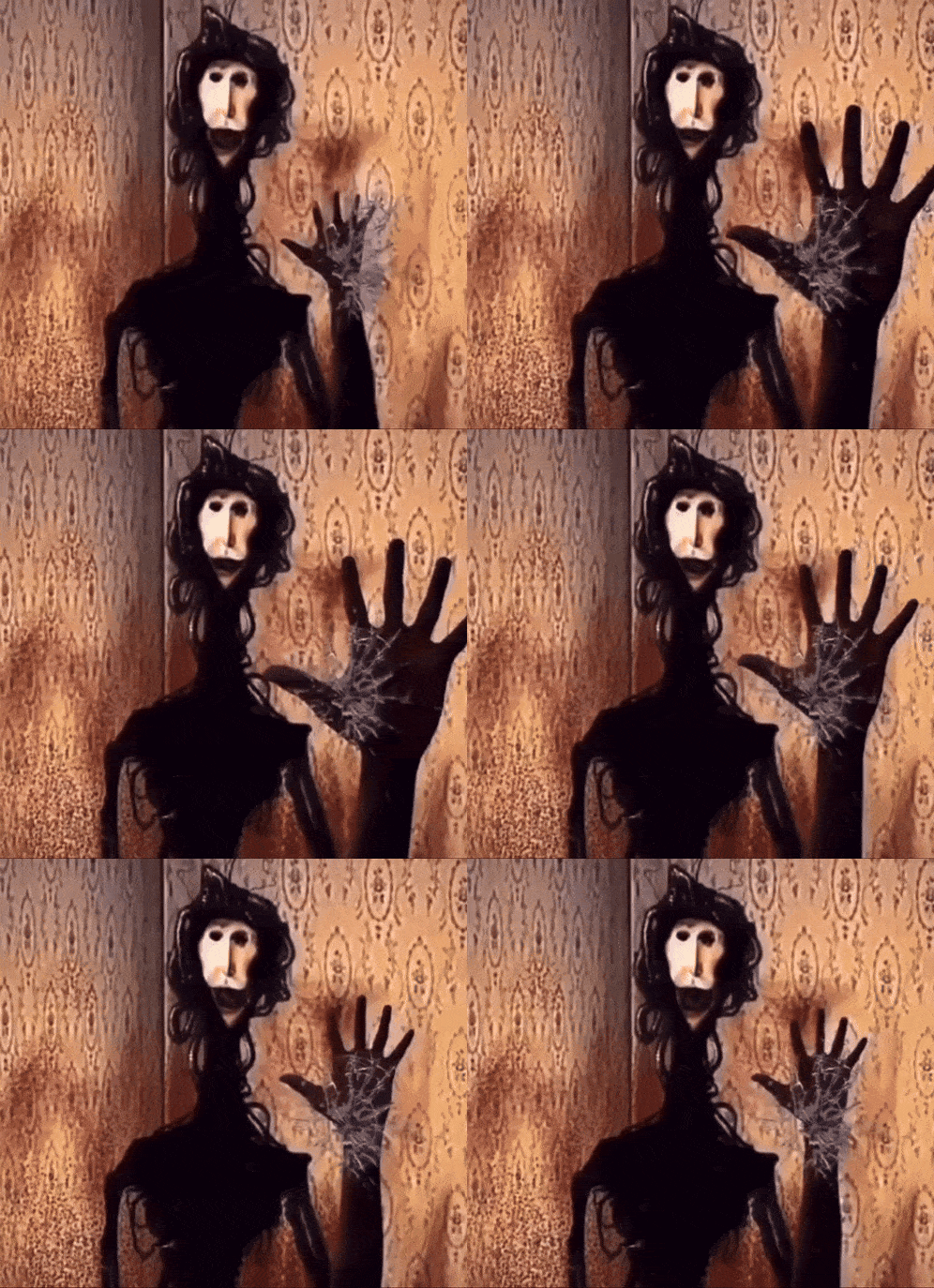
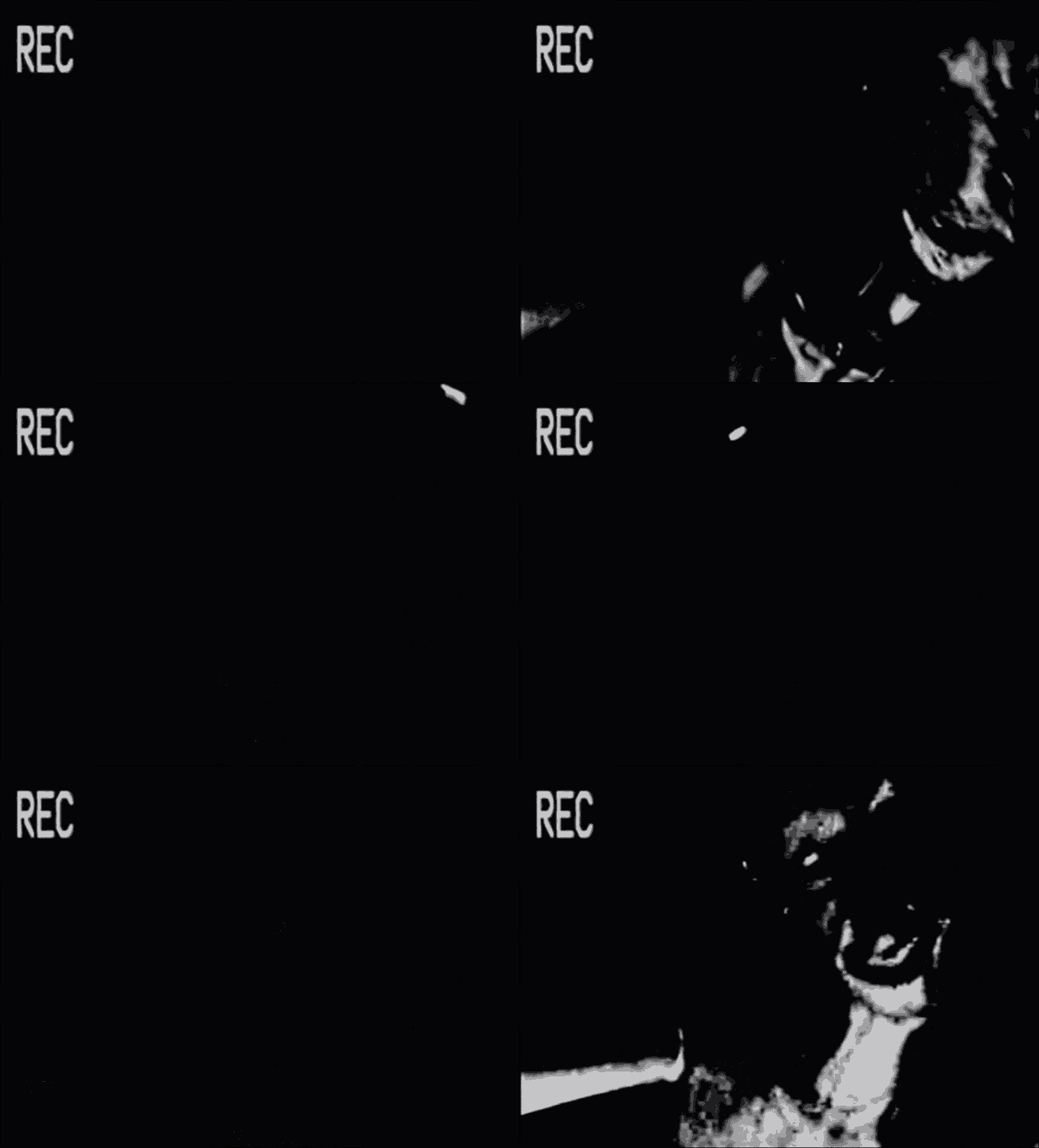
«Doctor Nowhere» (2023) // «[CONCEPT]-TOE1.» // Doctor Nowhere «The Mandela Catalogue» (2021) // «Vol. 333» // Alex Kister
Synthesizing the foregoing, the central research question can be framed as follows: how can objects that exist only in mass imagination generate a feeling of nostalgia in a person, and where does media draw the line between experiencing real horror and isolating one’s own experience from what is happening on screen? Furthermore, why do these objects not necessarily need to be pleasant in order to win the audience’s affection?
This question allows us to formulate the main hypothesis of the research: the genre of analog horror facilitates the viewer’s gradual adaptation to anxious and frightening images, softening their impact through media distance. Consequently, fear ceases to be perceived as solely a repellent experience and begins to function as an emotional process and a collective reflection on anxiety.
Furthermore, such works foster a sense of shared experience among viewers, particularly during periods of social instability and tension, by creating a space for communal emotional engagement.
«Local 58» (2017) // «Skywatching» // Kris Straub
[2]. Fear as a Form of Nostalgia
when nostalgia loses its familiar charm and acquires it in another form.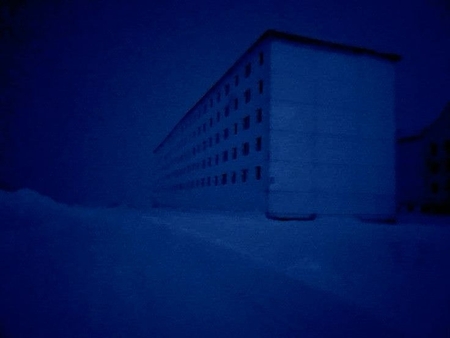
The term «nostalgia» first appeared in the 17th century, credited to the Swiss military physician Johannes Hofer. The word is derived from two Greek roots: nostos—meaning «return home”—and algos—meaning „pain“ or „suffering.“[2]
Initially, the concept was used to describe a very specific condition: the agonizing longing of soldiers for home, accompanied by the emotional and physical distress caused by the inability to return to their familiar lives.However, this understanding developed relatively recently: before the turn of the 20th century, nostalgia was primarily perceived as a pathological state and was even classified as a separate illness.
A significant rethinking of this phenomenon occurred through the research of Maurice Halbwachs [3], who viewed memory not as an exact reproduction of events, but as their subjective reconstruction, dependent on personal perception and social context.
This approach allowed philosophers and sociologists to view nostalgia much more broadly: it became evident that the object of yearning could be not only happy or comfortable memories, but also painful, anxious, and even traumatic experiences from the past.
Today, largely due to the globalization of human experience via the internet, the concept of nostalgia is linked not only to a longing for actual events in a person’s life in its original sense, but also to a broader experience of loss for the past that cannot be reclaimed.
Analog Horror—this generally refers to web short films and series stylized to resemble old television broadcasts, amateur footage, or VHS tape aesthetics. The genre relies less on the plot itself and more on the presentation and style of delivery.
Projects in this field intentionally tap into nostalgia: they are constructed to appear as old recordings only surfacing in the present day. The narrative often mimics a documentary or a slideshow—presenting static images and explanatory texts that detail disasters or inexplicable events. Creators deliberately spare details, leaving the viewer to fill in the blanks and construct their own theories about what is happening.
«Wyoming Incident» (2006) // Artist unknown
It is also interesting to note that despite the genre’s dominant anxiety-inducing and frightening aspects, one cannot definitively say that it twists memories into exclusively negative contexts: it does not destroy the feeling of nostalgia, but rather redefines its nature, shaping a new sense of attachment rooted in bad or traumatic sensations.
Within such media, memory ceases to be solely tied to comfort, safety, or an idealized past, and begins to exist in a realm of anxious, strange, and not entirely explainable experience. In this context, the frightening is not opposed to the familiar; rather, it becomes an extension of it. Horror here is born from the distortion of the ordinary and the safe.
That is why analog horror elicits not only fear but also a strange feeling of emotional intimacy with images that are simultaneously perceived as alien and deeply familiar.
«GREYLOCK Archives» (2023) // GREYLOCK
[3]. Digital Nostalgia as the Nexus Between Reality and Fictional Threat
«The Mandela Catalogue» (2021) // «Vol. 1» // Alex Kister
Perhaps, first and foremost, we should focus on representatives of this genre who do not adhere to strong realism—because the concept of «analog horror» lacks clear boundaries, and over time, it has evolved into not just a means of frightening, but also a tool for self-expression within the surreal worlds of many creators. In the context of this study, such representatives are interesting for the methods they ultimately employ to scare their audience—and why these methods prove more effective than in other media formats.
Within this category, the works will be examined based on the principle of gradually intensifying the feeling of realism, which will allow us to trace how seemingly fictional and fantastic images can ultimately evoke a sense of unease and be perceived as potentially real by the viewer.
«The Walten Files»
(2020)«The Walten Files» (2020) // «BunnyFarm» // Martin Walls
«The Walten Files» — an analog horror project created by Chilean artist Martin Walls and released on YouTube in 2020. Inspired by the «Five Nights at Freddy’s» franchise, the project has developed its own distinct visual style over time. The plot revolves around the family restaurant «Bon’s Burgers» and the company «Bunny Smiles Incorporated» following a series of mysterious deaths and disappearances that have evolved into an urban legend. The story is presented through VHS recordings, training tapes, and archival materials, allowing the viewer to gradually reconstruct the tragic events connected to the Walten family.
The series’ aesthetic is intentionally juvenile, preserving the look and feel of that era: one 2D visual style resembles children’s animated advertisements, while another format looks like an old arcade platformer—and this presentation further strengthens the viewer’s connection to the work’s world.
The fantastic nature of the series’ themes prevents any claims about the authenticity of the events. However, the realism here arises not from the plot, but from the method of storytelling and the appeal to childhood fears.
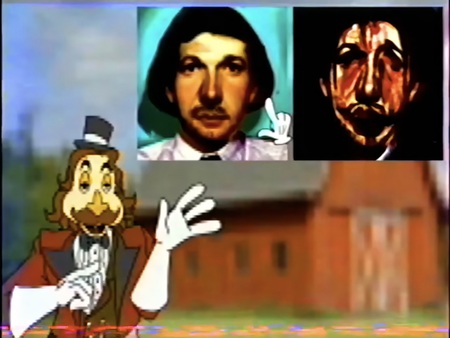
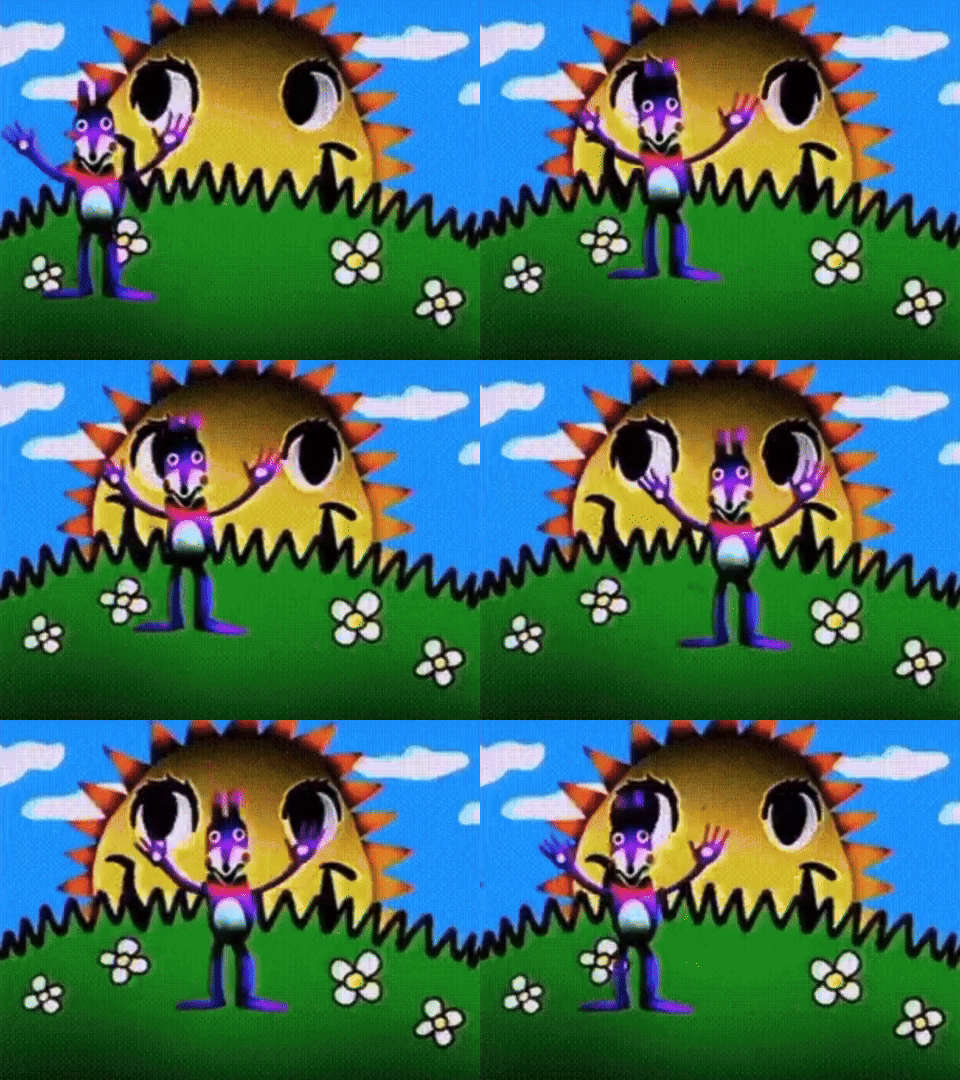
«The Walten Files» (2020) // «BunnyFarm» // Martin Walls «The Walten Files» (2020) // «CyberFun Tech» // Martin Walls
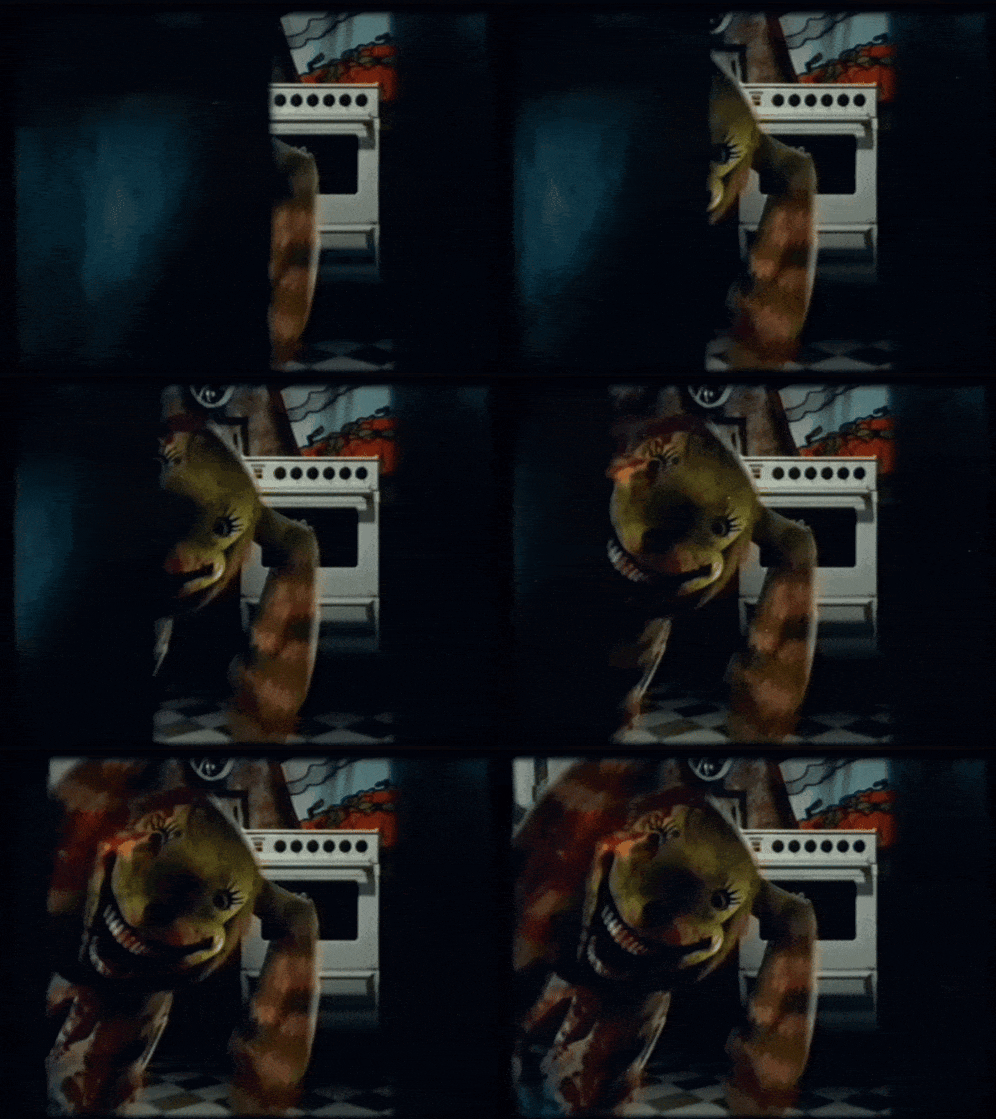
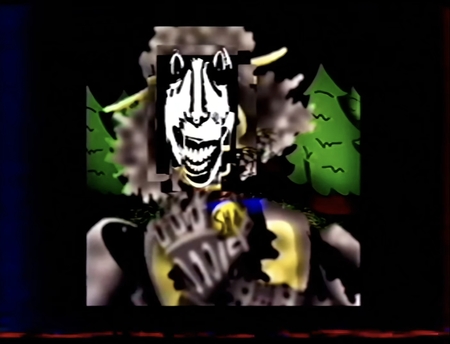
«The Walten Files» (2020) // «The Return of the Pumpkin Rabbit» // Martin Walls «The Walten Files» (2020) // «BunnyFarm» // Martin Walls