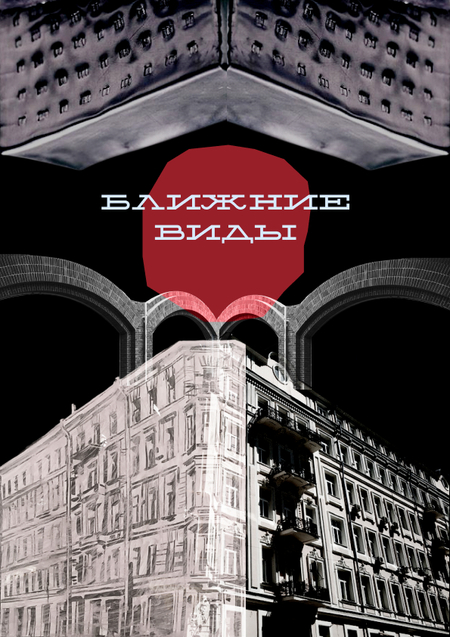
Moscow is undergoing constant transformation, both externally and internally, every day. This exhibition explores how an individual participates in the life of a city and perceives what is happening around them. Industrialization is a timely topic for contemplation: each of us lives within an ecosystem and is compelled to adhere to its rhythm and the rhythms of the people living nearby. Technological progress fulfills an increasing number of human needs, but is this truly beneficial for people? Why do people feel toward their hometown the way they feel toward a living being? The city shapes its residents and forms a substantial part of their socialization and self-definition, which is why the interest in its history and new dimensions never fades.
Structure
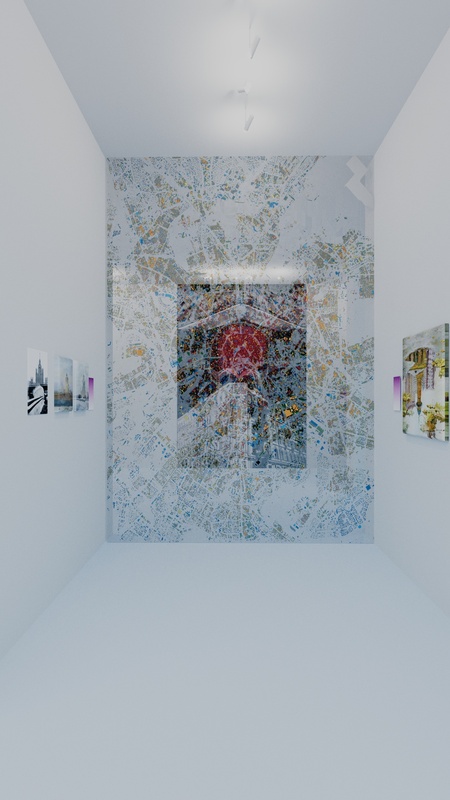
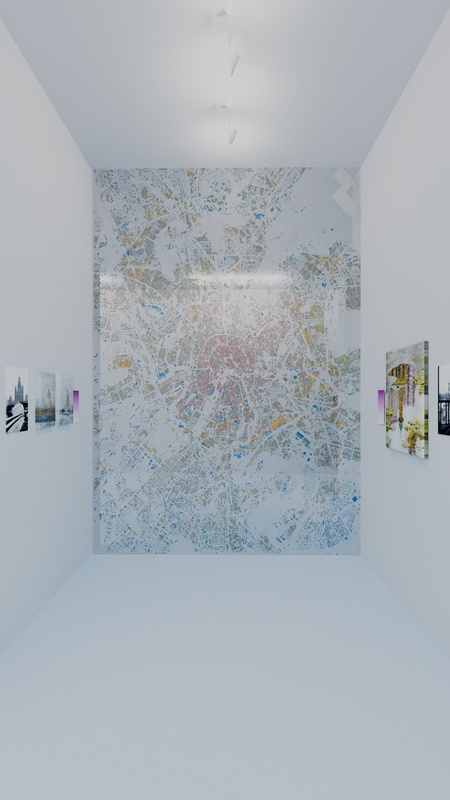
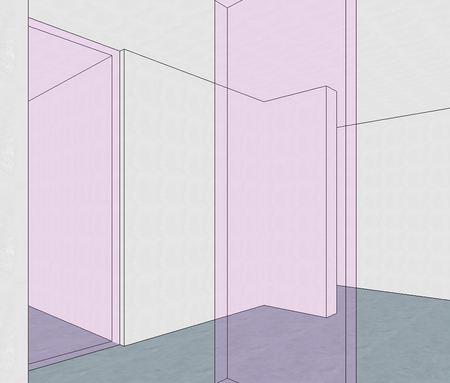
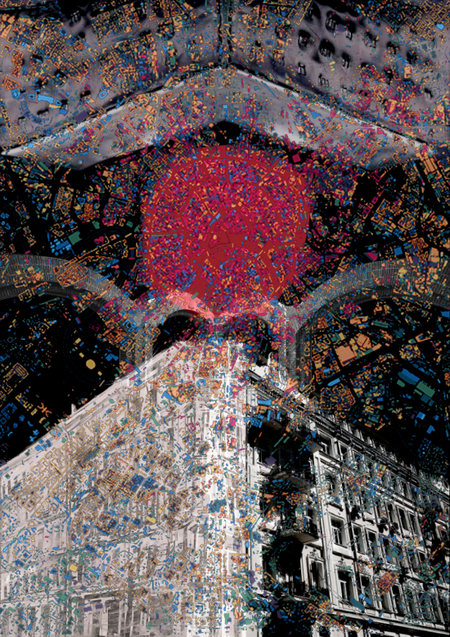
In the center of the exhibition, there will be a multi-layered map of Moscow, which will integrate all the locations mentioned in the exhibition works. Each group of objects has its own mini-map in a specific color, and all these maps unite to form one large schematic displayed on layers of glass (acrylic). Behind the glass, on the wall across a portion of the hall, there will be a collage created for the exhibition poster, designed to blend with the map into a single, cohesive composition.
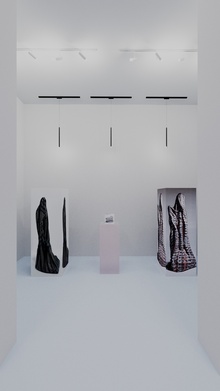
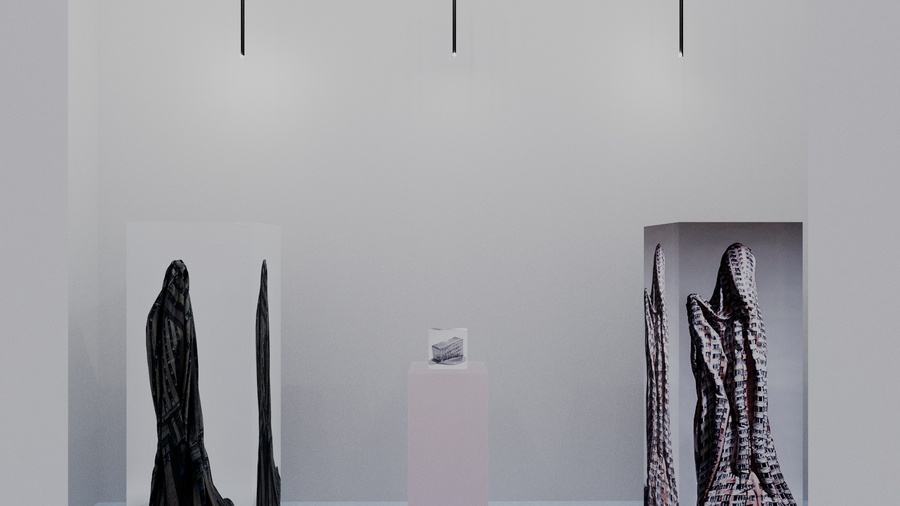
All the works are divided into pairs or groups connected by a shared location and narrative. Each pair features a piece by a contemporary artist or sculptor alongside a historical photograph, along with any supplementary images that support the theme.
Layout and Installation
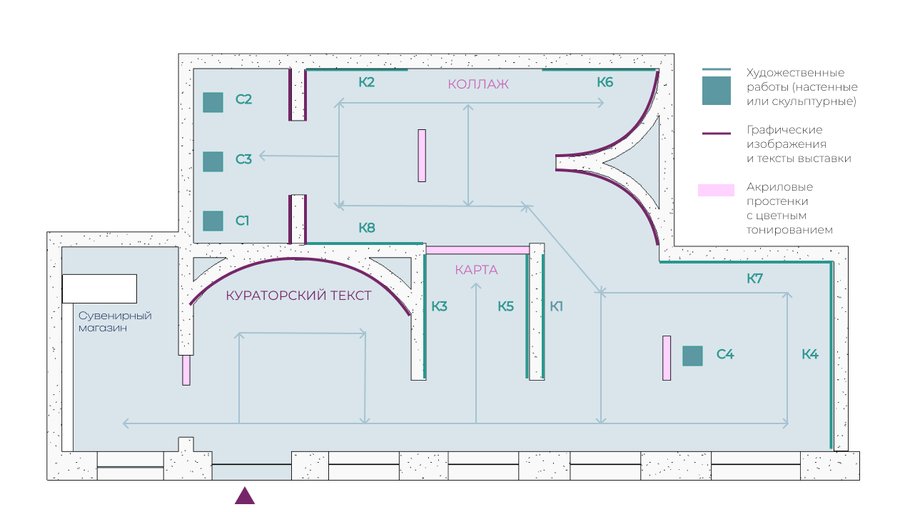
Exhibition Layout
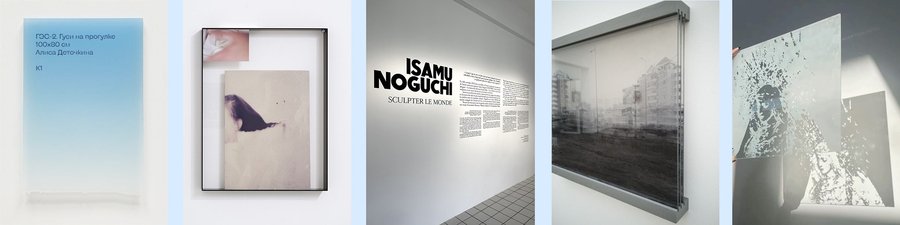
Etiquette — printing on matte colored filmPrinting photographs with a scale reference, designed for placement behind glass in a metal frame.Artist and title of the painting or sculpture — large-scale printing on film affixed to the wall.Map — printing on plastic or glass with a transparent background; the top section slides along tracks to reveal the lower layer of the map.Sculptural version — a light fixture featuring a carved detail that casts a shadow in the shape of the map.
Curator’s Note
The exhibition is curated so that the viewer can simultaneously see the same location in Moscow at different times. As is known, views in a modern city change quite rapidly, and sometimes it is impossible to capture them identically twice. The opportunity to freeze time and witness the city’s history—like piercing a head of cabbage—is available while walking through the exhibition hall.
Each group of objects is united by a place or phenomenon inherent to Moscow. Each group features a contemporary artwork by a local artist, sculptor, or photographer; a photograph taken in the past century; and a graphic map—a small excerpt from the city map.
Local artists often depict their hometown in their art. Each has unique motivations—some express the joy of the present day, others express a longing for the past—and all offer a distinct perspective on the city, not from a bird’s-eye view, but from human height or the window of a residential building. Some artists observe individual elements of the city and then assemble them into a mosaic that cannot be marked on a map with precise coordinates, but which any resident can read, even without a caption.
At the center of the exhibition is a graphic map of Moscow, spanning from floor to ceiling on glass. It should be viewed from the window side, as a collage is positioned on the wall behind it—a piece that complements the map and forms a unified whole when viewed from the correct angle. The map is assembled from all the map fragments visible next to the paintings and sculptures.
The city is an ecosystem, but it doesn’t have to be perceived merely as a graph of data, figures, and news. For a person, it is important to feel part of a whole—something larger than themselves. This exhibition is designed to draw the viewer’s attention to the changes the city undergoes and to encourage them to notice more details in the daily life around them.
At the same time, the opportunity to capture and remember a specific moment—by pausing to reflect on time or by looking back at what has passed—can instill a sense of calm and a feeling of belonging within the city’s timeline and life.
Poster
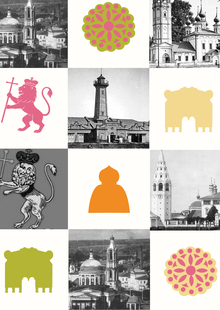
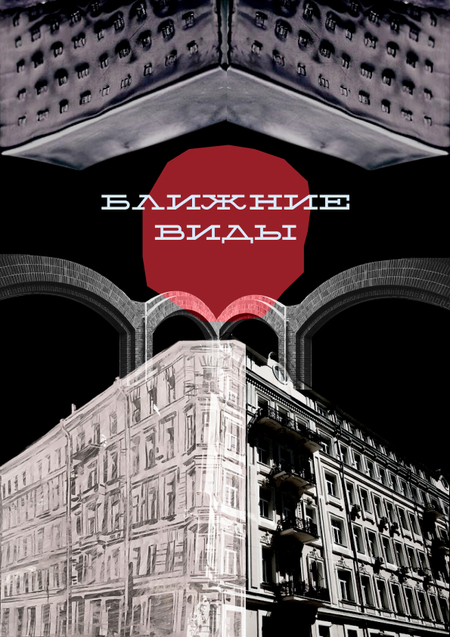
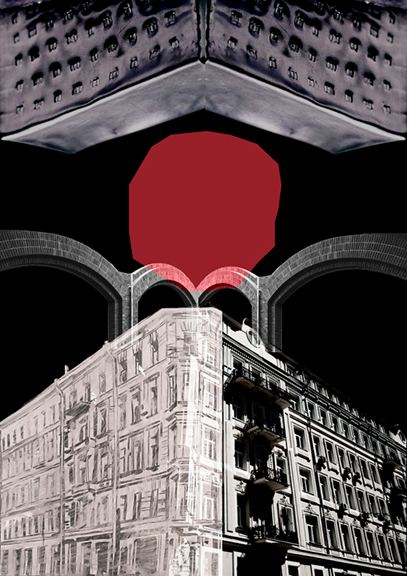
The central element of the poster mirrors the shape of the center of Moscow on a map and resonates with the graphic map on the glass partition throughout the exhibition. The forms are inspired by black-and-white historical photography and graphic shapes. The collage technique references the works of 20th-century photographers and artists from the USSR and Russia. Images from the exhibition itself were used in the poster.
Graphic map on glass
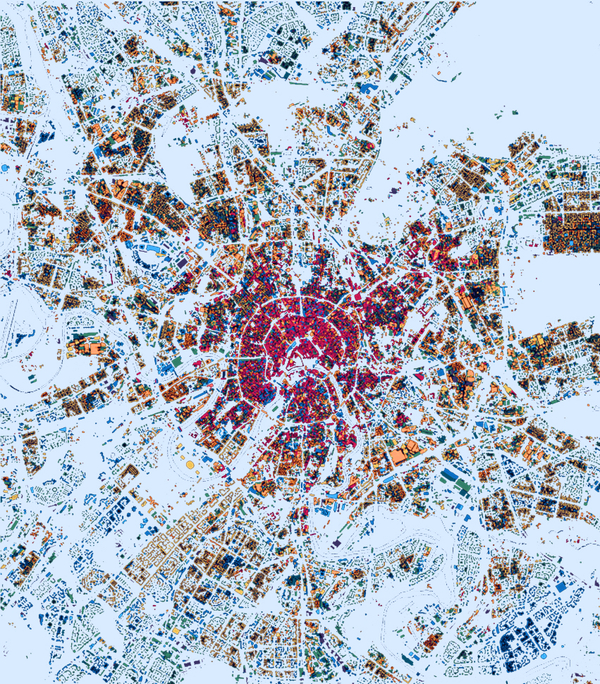
Overall map and poster overlay
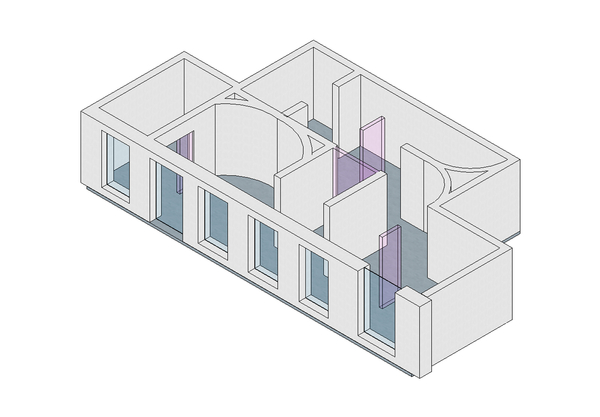
Visualization