Concept
Throughout the 20th century, photography in Russia underwent a significant trajectory—from a novel method of image preservation to a fully independent artistic language. Alongside shifts in society, culture, and art, the perception of photographic representational capabilities evolved. Photography gradually ceased to be merely a means of documenting events, transforming into a method of authorial observation, artistic experimentation, and the conceptualization of reality.
This research investigates how the visual language of Russian photography formed and transformed over the course of a century. The focus centers on artistic techniques, compositional choices, manipulation of light and space, and the human figure. Particular interest lies in how photographers across different eras engaged with reality, developing new ways to depict it.
The study hypothesizes that the development of Russian photography was accompanied by a gradual expansion of its artistic potential—moving from the endeavor to accurately render the visible world toward the creation of an autonomous visual statement.
The foundation of this research is a comparative visual analysis of photographs from various historical periods. We examine changes in framing, subject selection, use of angles, lighting, and expressive means. This approach allows us to trace the evolution of photography through the images themselves, rather than solely through historical events or author biographies.
The material is organized according to chronological and thematic principles. Each section brings together works that reflect the distinctive characteristics of a specific era. The comparison of photographs is accompanied by an analysis of overarching artistic trends and shifts in the methods of portraying reality.
The main objective of this research is to trace how the concept of photography as an art form changed and how its expressive language developed over a century. This study reveals the evolution of Russian photography as a continuous process of artistic inquiry, where documentary fidelity was gradually supplemented by new forms of authorial vision.
01. The Birth of the Photographic Gaze — 1840–1870
From the painted portrait to the photographic
In the mid-19th century, photography gradually became an independent method of depicting people. Early photographic portraits largely preserved the traditions of painting: considered posing, central placement of the figure, attention to facial expression, and details of clothing.
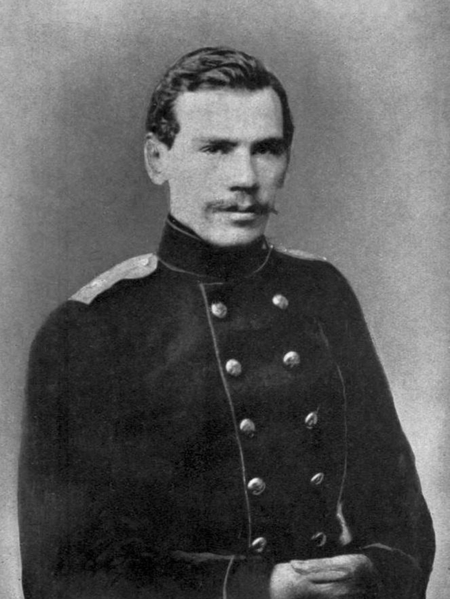
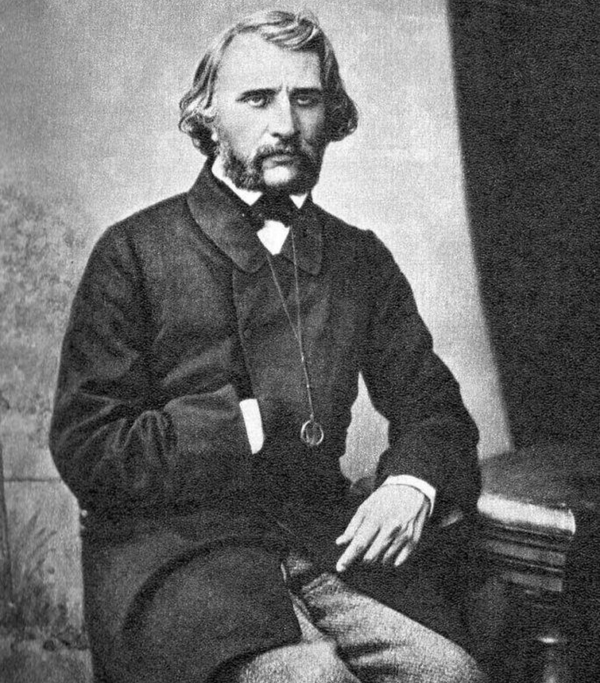
Sergey Levitsky. «Portrait of L. N. Tolstoy.» 1856. Sergey Levitsky. «Portrait of I. S. Turgenev.» 19th century.
Early portrait photography maintains a connection to the principles of pictorial representation. The stability of composition, attention to pose, and individual facial features create a sense of solemnity and human significance.
However, photography is gradually developing its own distinct expressive power. The precise rendering of details and the immediacy of human presence become hallmarks of this new visual language.
Sergey Levitsky. «Portrait of N. A. Nekrasov.» 19th Century.
The photograph extends beyond the studio
In the second half of the 19th century, the development of photographic technology expanded possibilities for capturing images. The camera increasingly turned to architecture, natural landscapes, and the urban environment. Space became an independent object of photographic observation.
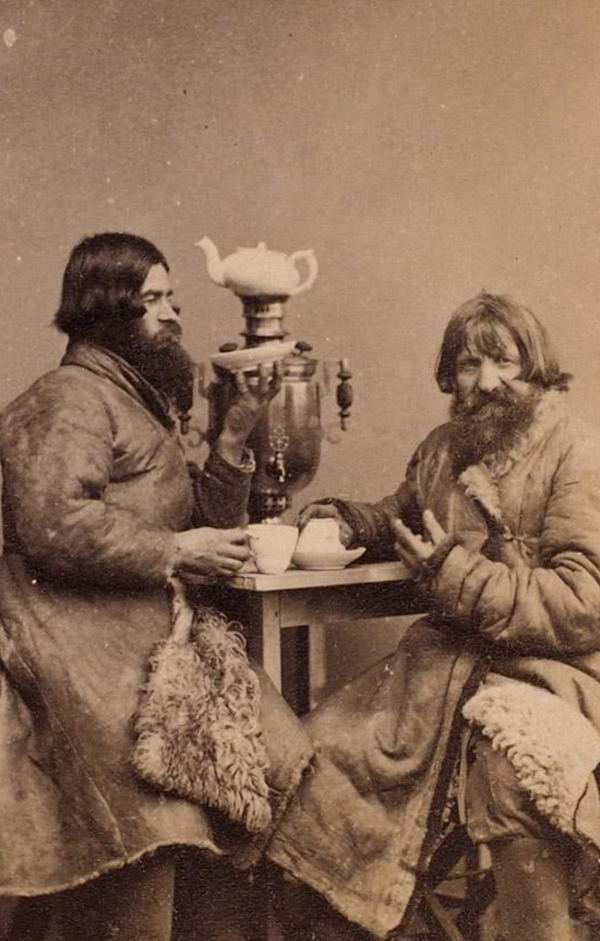
Maxim Dmitriev. «Two Peasants»
Placing a photograph outside the studio changes the character of the image. Architecture and natural landscapes become not only subjects for documentary capture but also independent compositions.
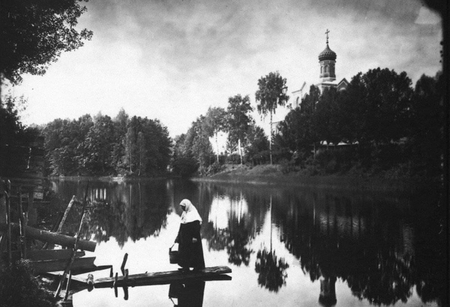
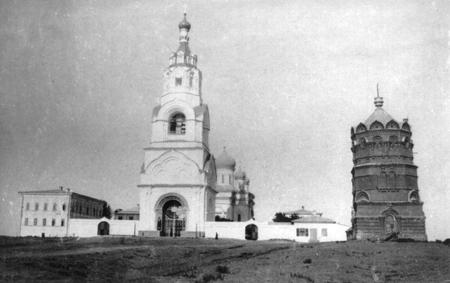
Seraphimo-Ponetayevsky Women’s Monastery. 1897. «Highland Uspensky-Nikolaevsky Churkinsky Monastery.»
Perspective, scale, horizon placement, and lighting characteristics allow for space to be conveyed as a unified image. Document accuracy gradually merges with an artistic perception of the surrounding world.
02. From the depiction of the individual to the depiction of society — 1860–1900s
Everyday life enters the frame
Expanding photographic practice leads to the emergence of new subject matter. Alongside formal portraits, images of ordinary people, their activities, and their environment begin to appear. Photography starts to capture not only a person’s appearance but also the specifics of their daily life.
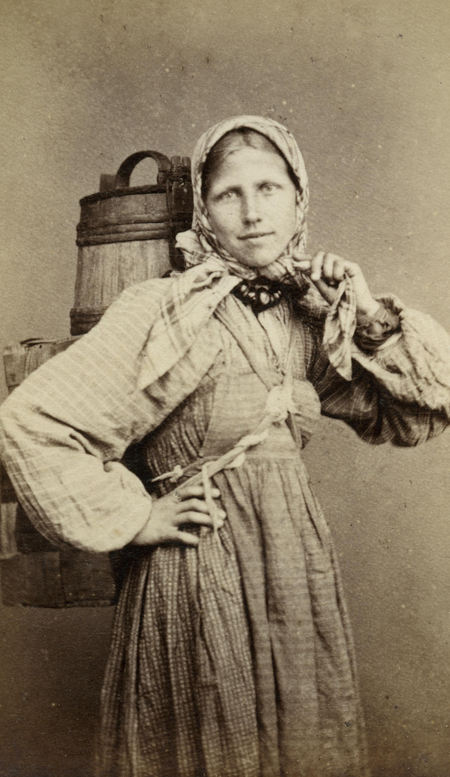
William Carrick. «Russian Egg Vendor.» William Carrick. «Postmen with a Samovar.»
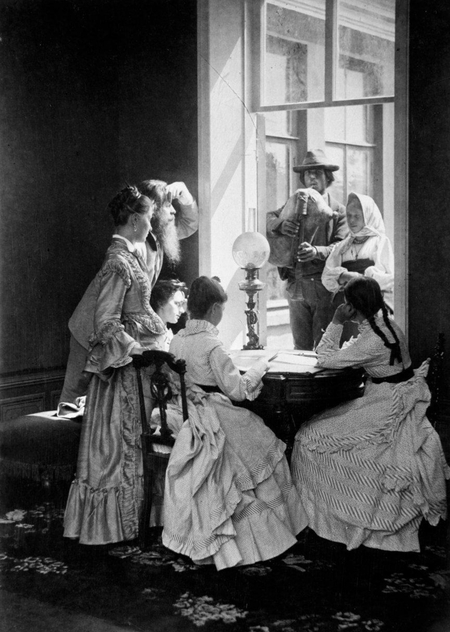
Andrey Karelin. Genre Photography in Interiors. 19th Century.
The shift from formal portraiture to everyday subjects expands the scope of photographic possibility. Humans are increasingly depicted in relation to their activities and surrounding environment.Clothing, domestic objects, and spatial characteristics become crucial elements of the image. Photography begins to convey the social and cultural hallmarks of an era through specific details of daily life.
Photography as Social Testimony
By the late 19th century, photography was increasingly used to document social events and societal problems. The focus shifted to the real conditions of life, illness, poverty, and the activities of civic organizations.
Maxim Dmitriev. «People’s Canteen in the Village of Pralevka.» 1891–1892.
Documentary photography of the late 19th century acquires social significance. The image becomes a means to draw attention to events and living conditions that previously rarely became independent photographic subjects.
Maxim Dmitriev. «Distribution of Bread to Peasants in the Town of Knyagino.» 1891–1892.
The expressiveness of such works is determined primarily by the subject matter being depicted. Photography serves as a visual testament, capable of shaping the viewer’s understanding of social issues.
03. New Ways of Seeing Reality—
1890–1915
Reality gains color
At the turn of the 19th and 20th centuries, color photography unlocked new possibilities for visual representation. Color allowed for the conveyance of the specific qualities of clothing, architecture, nature, and the material environment—qualities that had to be expressed through chiaroscuro in monochrome photography.
Sergey Prokudin-Gorsky. «Peasant Girls.» 1909.