Navigation
1. Concept
2. Introduction
3. Medievism in the World of Superhero Comics
4. Gothic Gotham: Medieval Architecture and Visual Heritage
5. Between Nature and Civilization: Gotham on the Boundary of Two Worlds
6. The Dark Knight: Batman and the Medieval Hero Archetype
7. Monsters of Gotham: Mythology and Folklore in the Forms of Villains
8. Gotham as a Feudal City: Medieval Models of Social Structure
9. Conclusion
Concept
This visual study explores how medieval imagery, plots, and symbols persist within modern superhero comics culture. We are interested in how elements from the Middle Ages are reinterpreted by creators and integrated into fictional worlds—their visual appearance and narrative. It is particularly compelling to trace how familiar historical and folkloric motifs acquire new meaning within a completely different cultural landscape.
To examine this topic, we will turn to the concept of medievalism—the study of how contemporary culture reinterprets and utilizes the Middle Ages: its imagery, ideas, symbols, architecture, and vision of life. What interests us is not the Middle Ages itself, but its reflection in modern popular culture.
Superhero comics present a particular interest for this study: the authors' inspiration from medieval narratives, mythology, and folklore is often noticeable even upon first encountering the works. The Batman universe will serve as the primary example for our research. At first glance, it tells the story of a modern American city, crime, and the fight against it; however, upon closer examination, the visual and narrative structure reveals numerous allusions to the Middle Ages. Within the scope of this research, we will draw upon various media—comics, films, games, and animated works.
The goal of our research is to trace how medieval images and concepts are reinterpreted in the Batman universe and what role they play in shaping its visual and narrative world.
Introduction
The Middle Ages in popular culture long ago ceased to be solely a subject for historical reenactment. It continues to exist in the collective imagination as a distinct symbolic space that contemporary culture taps into to explore themes of power, violence, heroism, religiosity, justice, and the human condition. Castles, fortress walls, knightly armor, secret brotherhoods, heraldry, legends of heirs from ancient lineages, and the figures of solitary defenders are no longer mere elements of historical scenery but expressive tools for conversing about the modern era. This very reference to the medieval past in the culture of subsequent epochs is designated by the concept of medievalism.
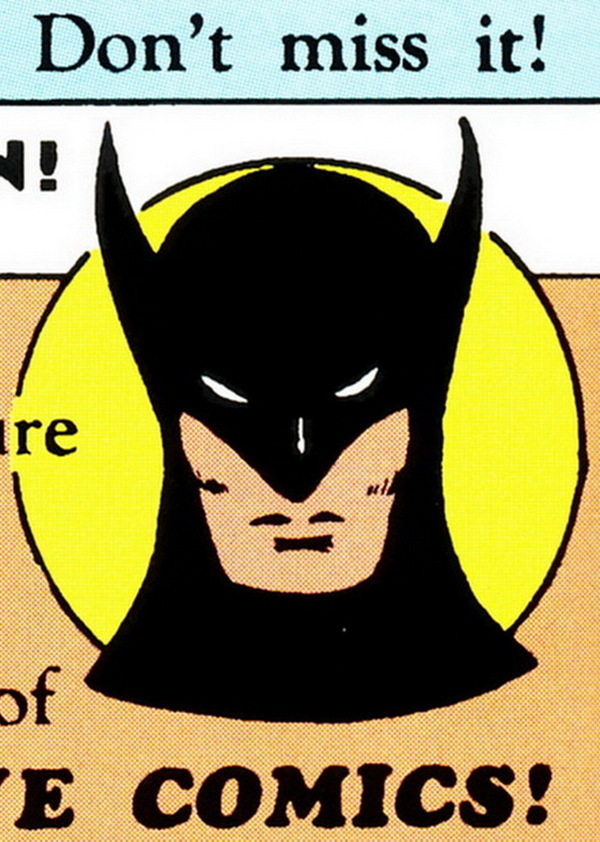
The Batman superhero universe presents particularly interesting material for this kind of study. Originally conceived in 1939 by Bob Kane and Bill Finger, the character was initially shaped by influences from crime fiction, gothic horror, adventure narratives, and the archetype of the nocturnal vigilante. However, over subsequent decades, his artistic world has acquired a far more complex structure, wherein the modern metropolis increasingly resembles the space of a medieval city, and its protector—a figure akin to a wandering or hereditary knight—operates outside formal state institutions.
At first glance, this kind of juxtaposition might seem paradoxical. Batman possesses high-tech surveillance tools, artificial intelligence, modern forensics, armored transport, and scientific laboratories. His world is populated by figures from the contemporary political, economic, and media systems. However, the visual and mythological structure of this universe regularly references much older cultural models.
1. Mediavalism in the World of Superhero Comics
Before delving into an analysis of the Batman universe, let’s examine how medievalism manifests in superhero comics generally.
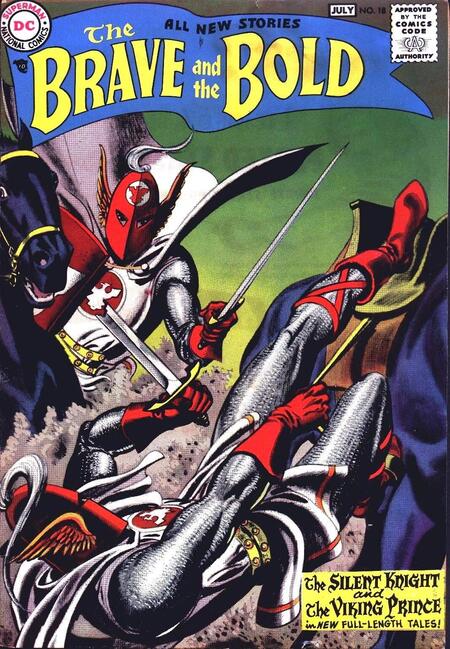
Medieval imagery, narratives, and concepts continue to persist in contemporary mass culture, including in superhero comics. References to the Middle Ages can manifest both as a direct depiction of the historical era and through the incorporation of specific elements of medieval culture—architecture, costume, legendary characters, heroic archetypes, and social structures.
Chris Bishop examines various ways in which medieval heritage is addressed in American comics in his study, Medievalist Comics and the American Century (2016), linking the emergence and development of such works to cultural and historical processes in American society.
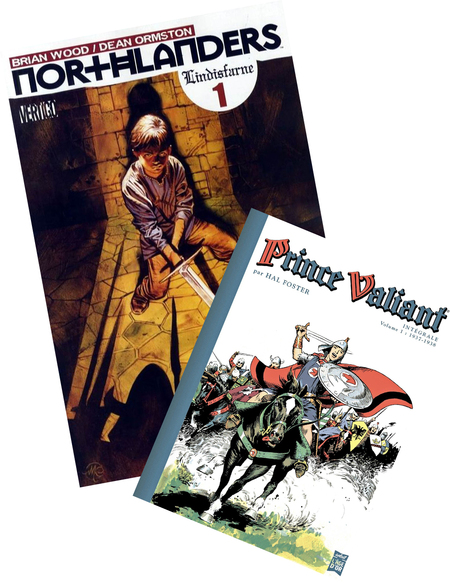
In some works, the Middle Ages serve as the direct foundation of the narrative. For instance, Hale Foster’s Prince Valiant (1937) portrays the legendary world of King Arthur, knights, and kingdoms, while Brian Wood’s Northlanders (2007–2012) draws upon Scandinavian Medieval life and its historical realities.
In other comic books, medieval representations are used to create fantasy worlds. For example, Conan the Barbarian (1970) and Red Sonja (1973) draw upon the imagery of warrior cultures, ancient civilizations, and archaic models of power.
Medieval legacies can also be transposed into entirely different historical contexts. In Camelot 3000 by Mike U. Barr and Brian Bolland (1982–1985), King Arthur and the knights of the Round Table find themselves in the futuristic world of the 29th century.
Certain legendary archetypes serve as the foundation for modern superheroes—for example, DC Comics' Green Arrow (1941) heavily references Robin Hood—the archery hero who stands against injustice and defends the vulnerable. Another example is Marvel’s Thor (1962), which is based on the figure of the Scandinavian thunder god and is examined by Chris Bishop in the context of the reception of Germanic heritage in American popular culture.
Thus, the medieval heritage in comics is not limited to replicating historical backdrops or recognizable characters. It can penetrate deeper—into the system of imagery, concepts of power, hierarchy, heroism, and the relationship between humanity and the surrounding world. It is this level of engagement with the Middle Ages that holds particular interest when examining the Batman universe. Here, medieval motifs do not merely shape the visual appearance of the space or the Dark Knight’s persona; they participate in constructing the logic of the fictional world itself.
Gothic Gotham: Medieval Architecture and Visual Heritage
It is no secret that Gothic architecture originated in the Middle Ages. However, its visual legacy has not remained in the past; it continues to be reinterpreted in contemporary culture, acquiring new forms and meanings. This engagement with medieval heritage in modern culture is linked to the phenomenon of mediaevalism—a process through which the images, motifs, and aesthetic features of the Middle Ages are reproduced and transformed in works from later eras. A striking example of this engagement is Gotham—the space where all the plots unfold.
One of the most recognizable elements of Gotham’s visual identity is its Gothic architecture. High towers and spires, massive stone facades, pointed arches, and buttresses create an image of a city where a modern metropolis unexpectedly neighbors medieval architectural aesthetics.
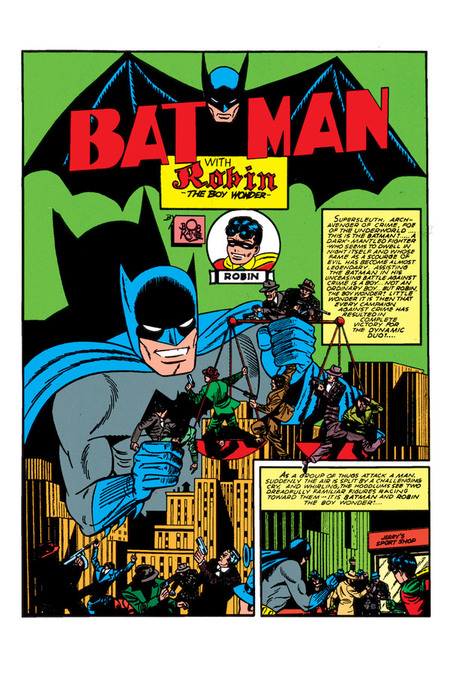
In early comics, Gotham did not possess such a pronounced Gothic aesthetic. It was depicted more as a stereotypical American metropolis, largely resembling New York. Gradually, the visual image of the city evolved, and one significant milestone in this process was Tim Burton’s film Batman (1989).
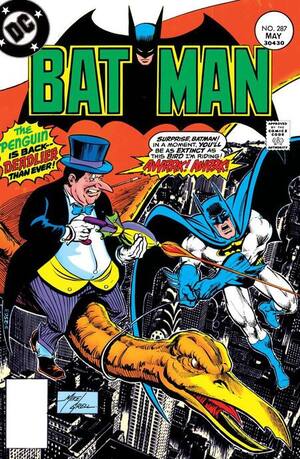
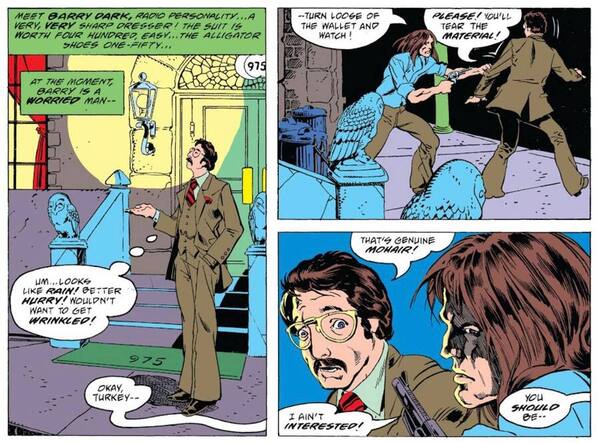
Batman #287, 1977
Batman #207, 1968
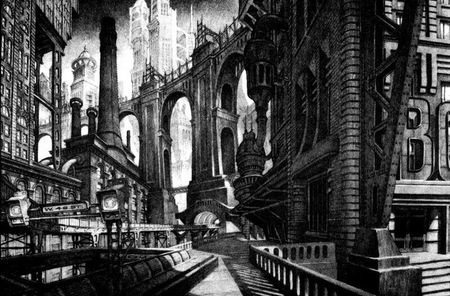
Production Designer Anton Furst crafted an unconventional architectural vision for Gotham, where Gothic elements are intricately synthesized with industrial structures, skyscrapers, pipes, neon signs, and advertising installations. As a result, the city acquires a grotesque and monumental character: its buildings appear excessively tall, the facades are massive, and the streets are narrow and labyrinthine. Gothic architecture here does not merely decorate the cityscape—it forms the very foundation of its atmosphere.