Important: The text materials and images presented are conceptual (examples) and serve to demonstrate the concept.
Concept
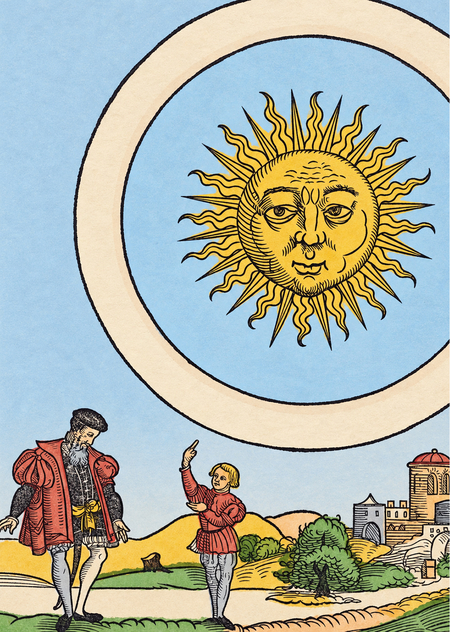
The Sun has no human face. Yet, for centuries, humans have persistently depicted it with eyes, a nose, a mouth—sometimes smiling, sometimes with a stern or aloof expression. Such imagery appears in medieval manuscripts, alchemical treatises, architectural ornamentation, folk art, children’s illustrations, and contemporary digital communication. One of the celestial objects furthest from us turns out to be surprisingly human.
The core of this study is the resilience and transformation of the anthropomorphic image of the Sun. I am interested in how one visual formula—the circle, rays, and human features—is reproduced across different cultures and eras, acquiring new meanings along the way.
Why does this image remain recognizable, even when its function, artistic language, and the viewer’s relationship to it change?
The main hypothesis is that the human face transforms the Sun from a natural phenomenon into an image with which humans can establish symbolic and emotional relationships. It allows the celestial body to be endowed with character, mood, and the presumed ability to look at humans. These relationships shift depending on the historical context—from reverence and explanations of the world order to the embellishment of everyday environments, play, and the expression of emotions.
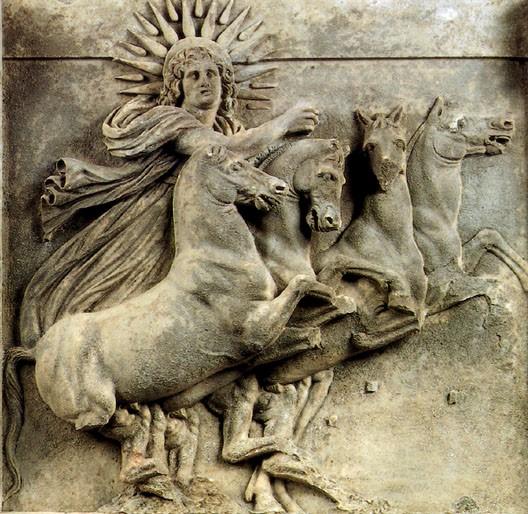
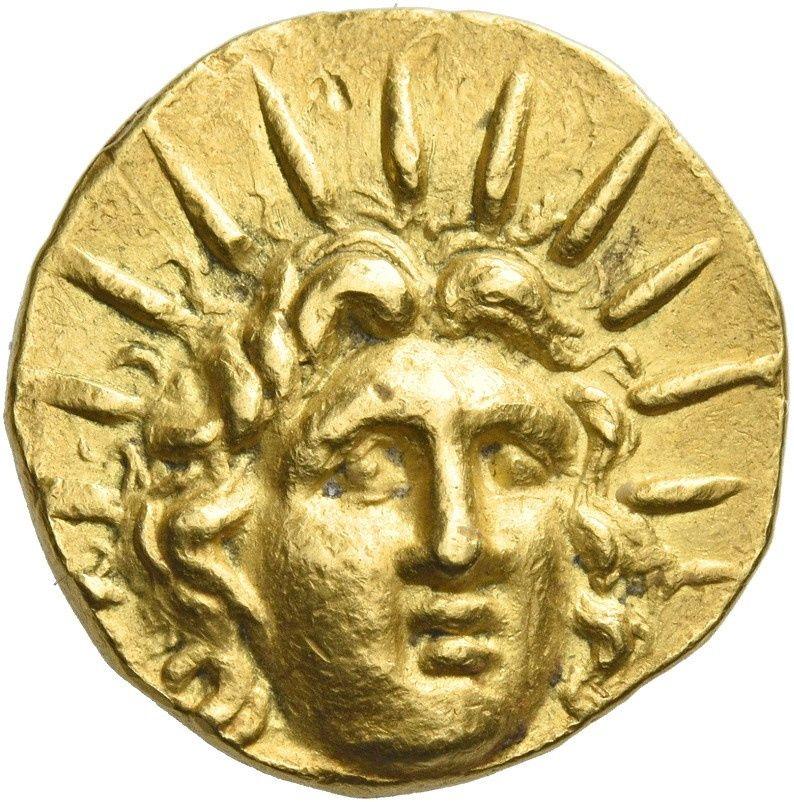
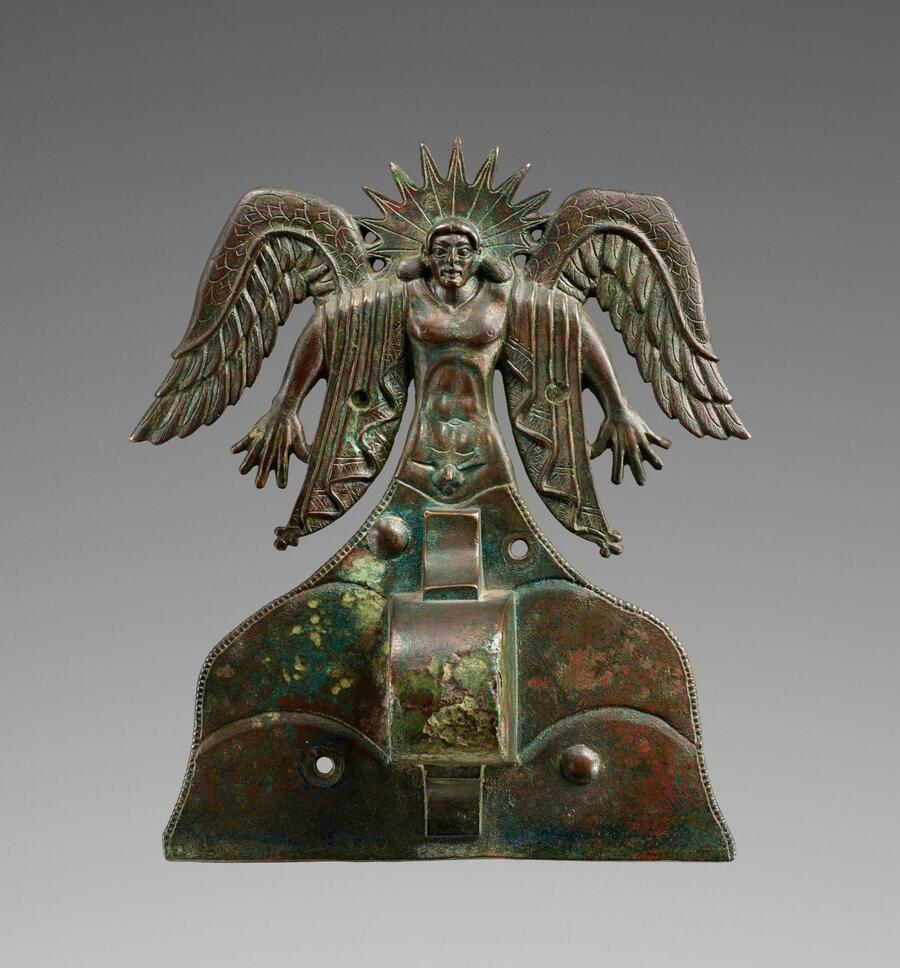
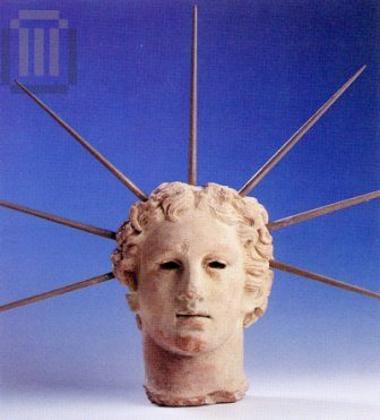
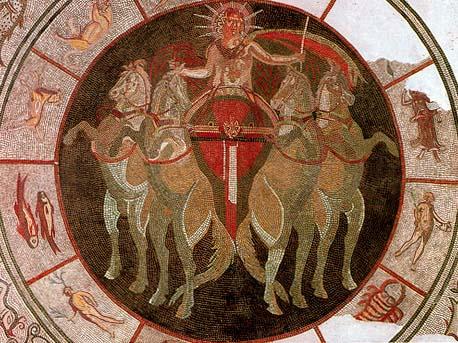
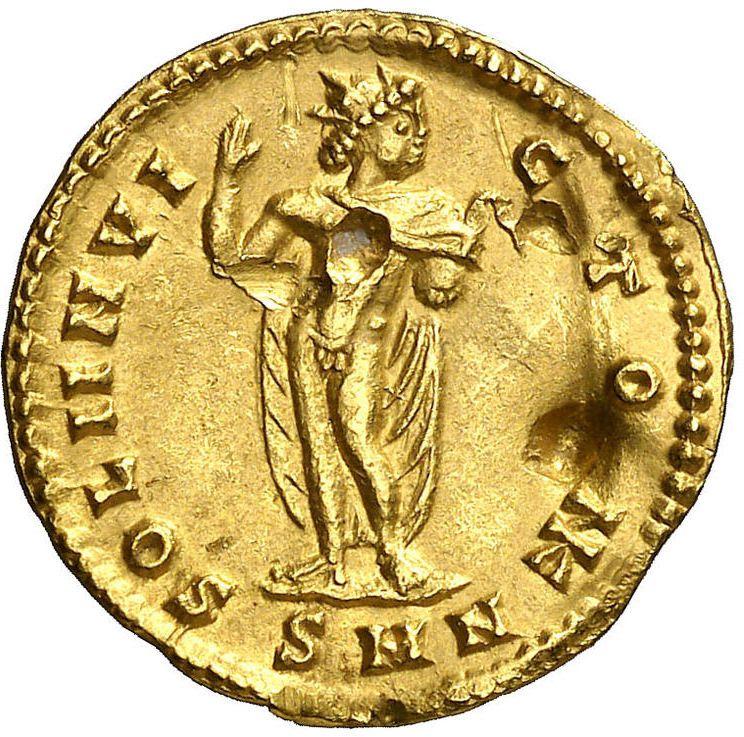
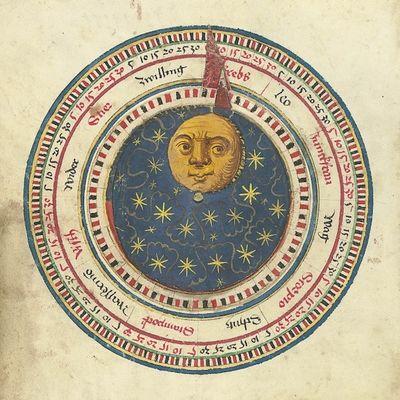
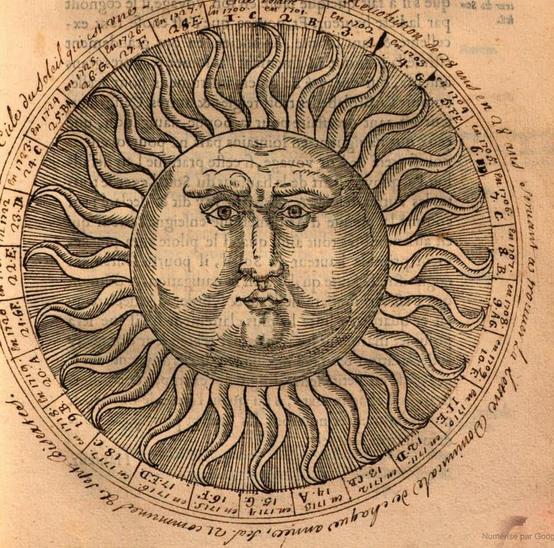
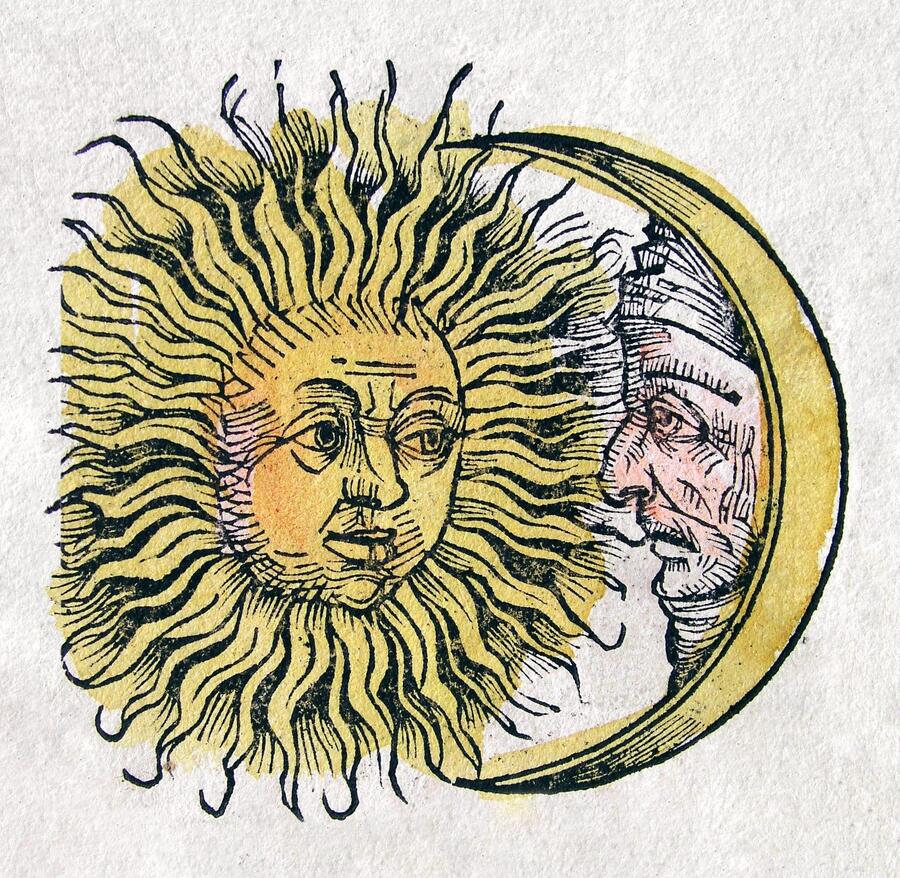
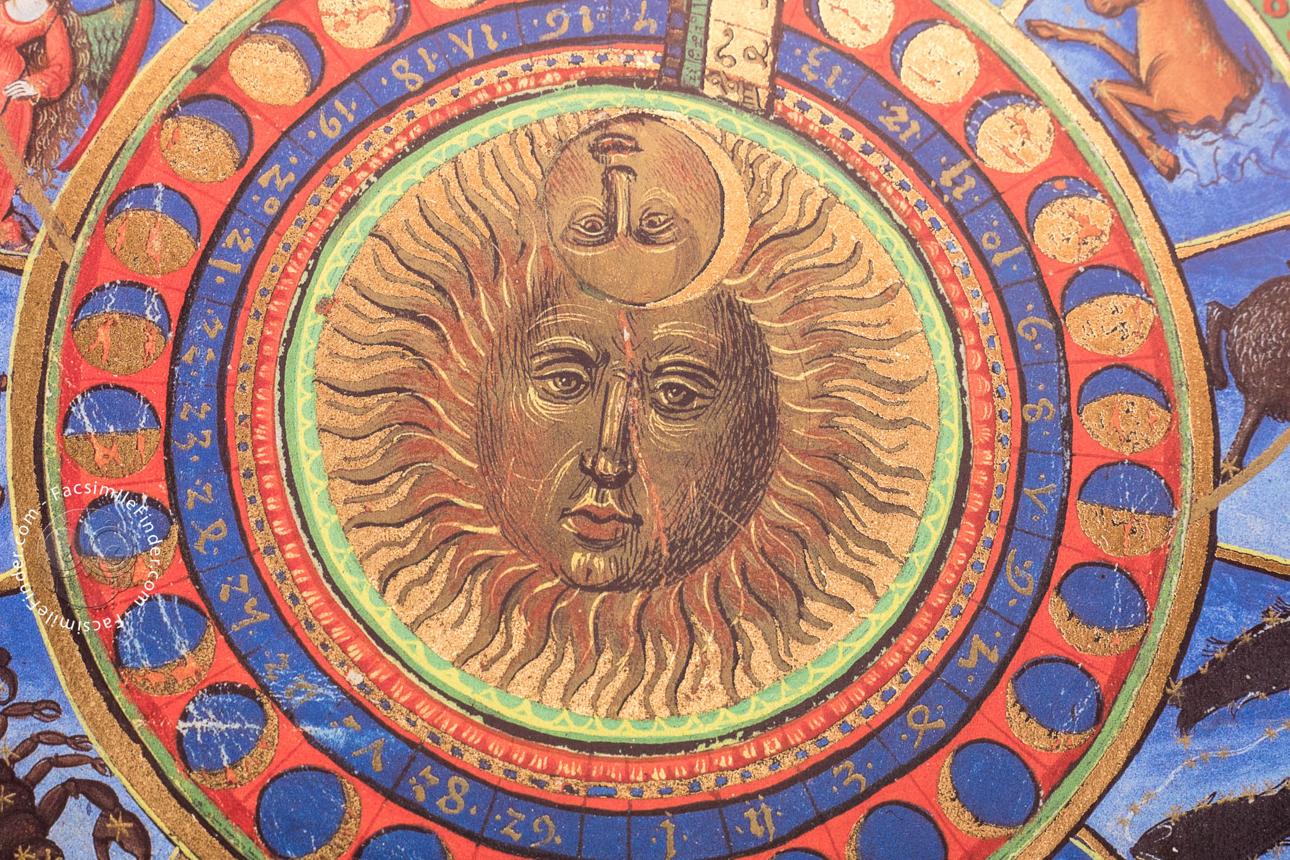
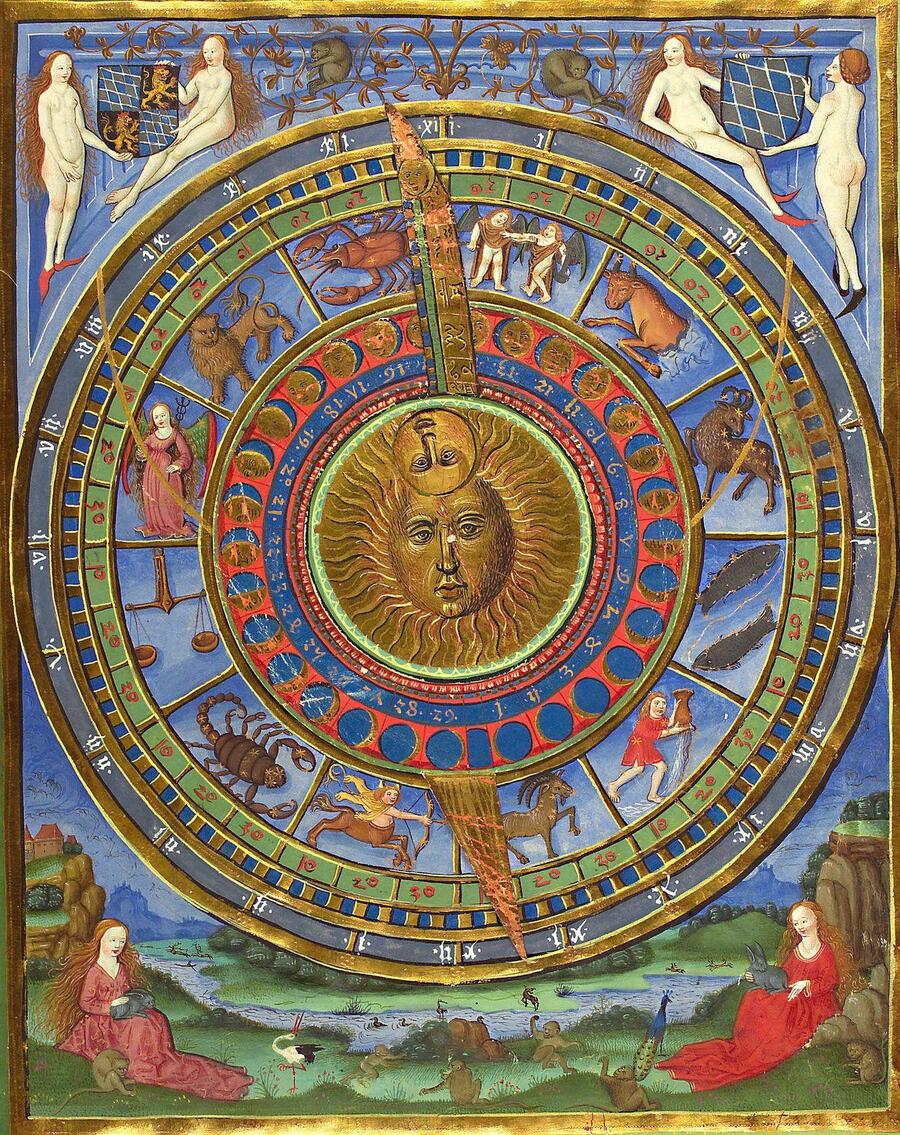
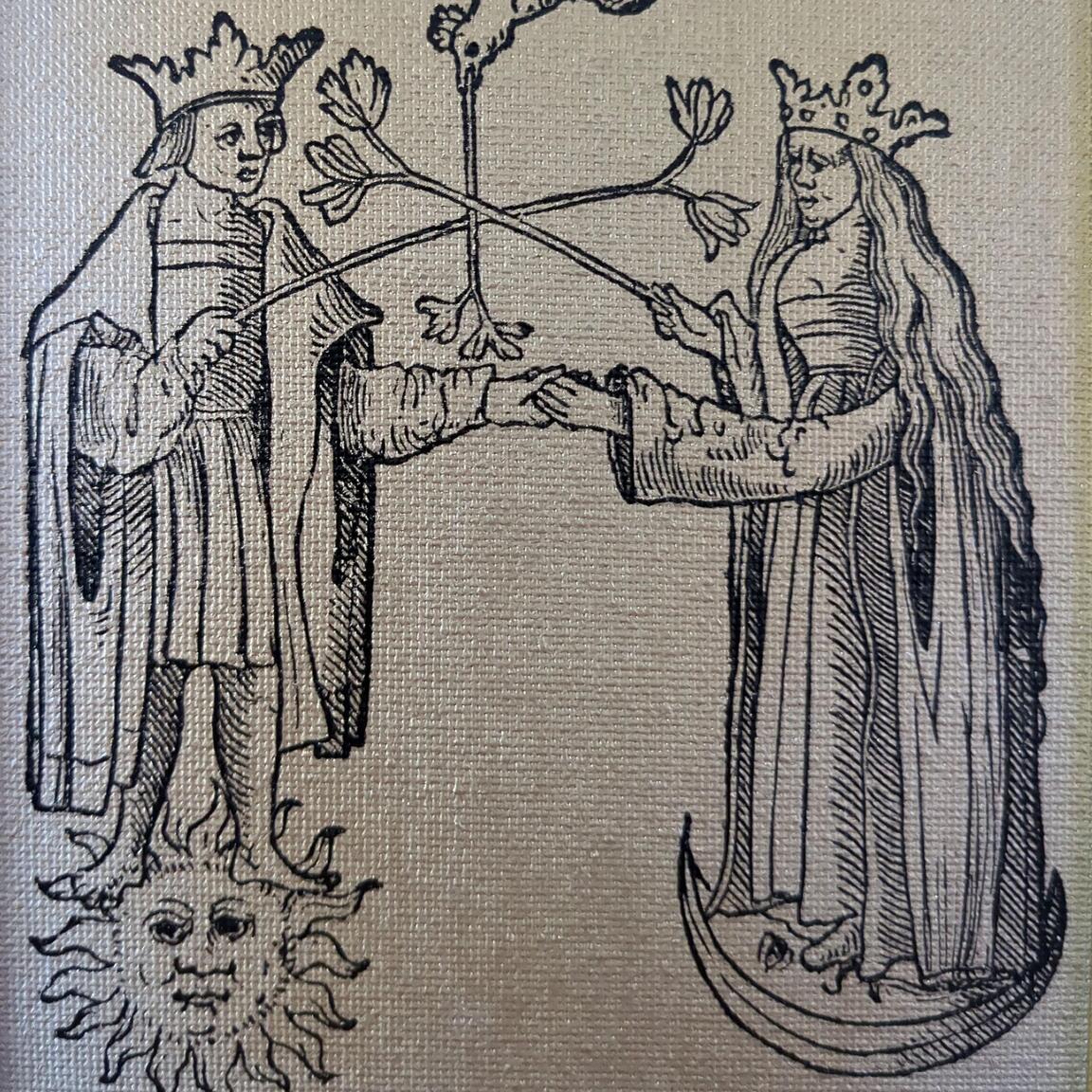
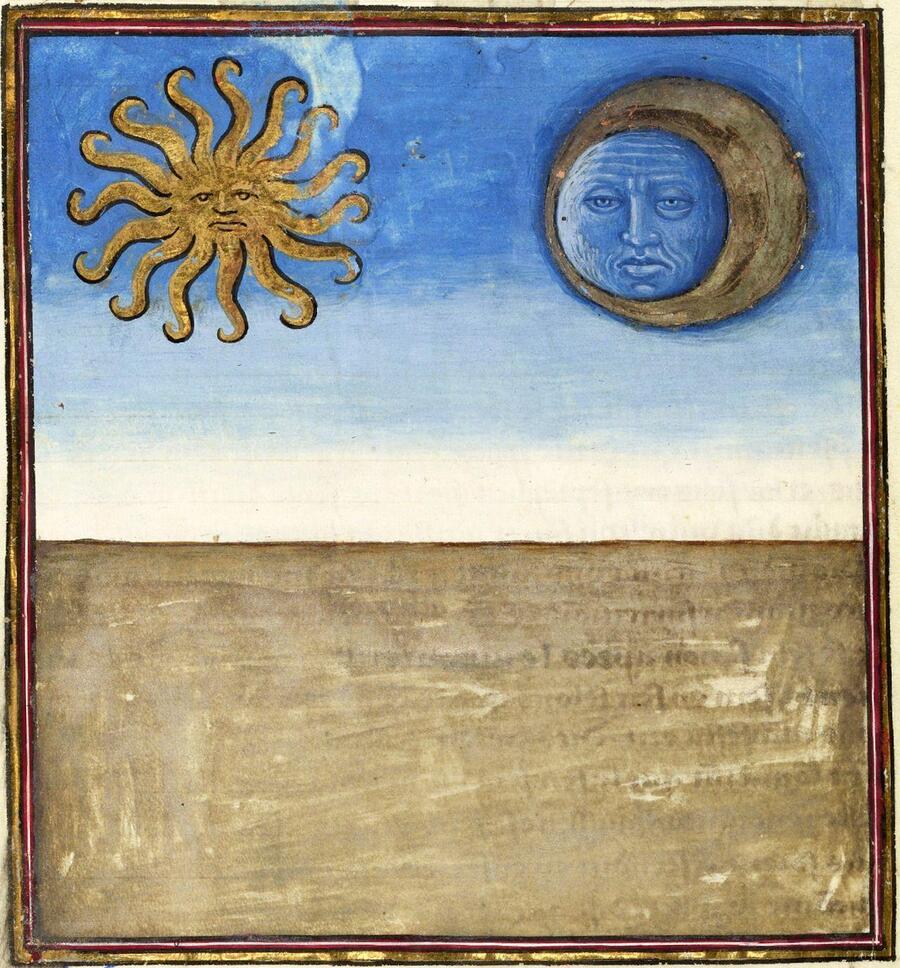
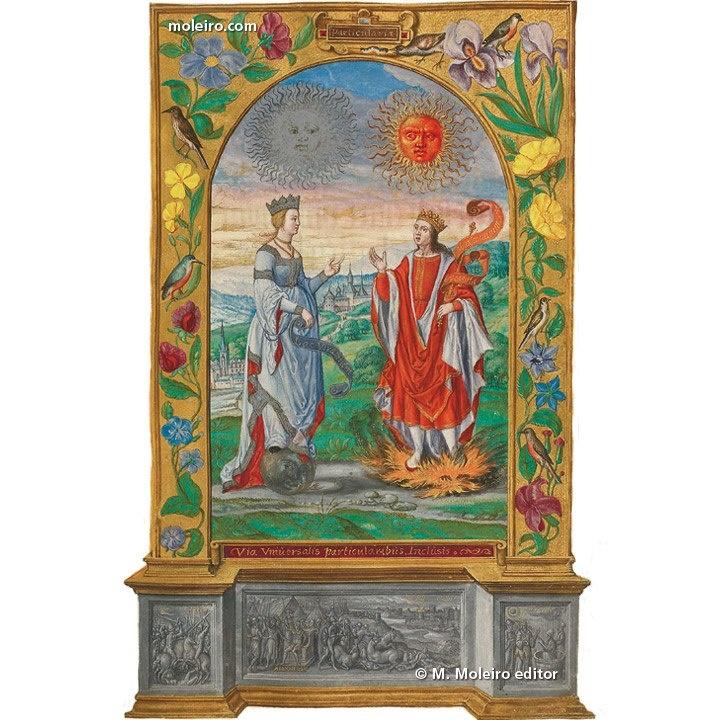
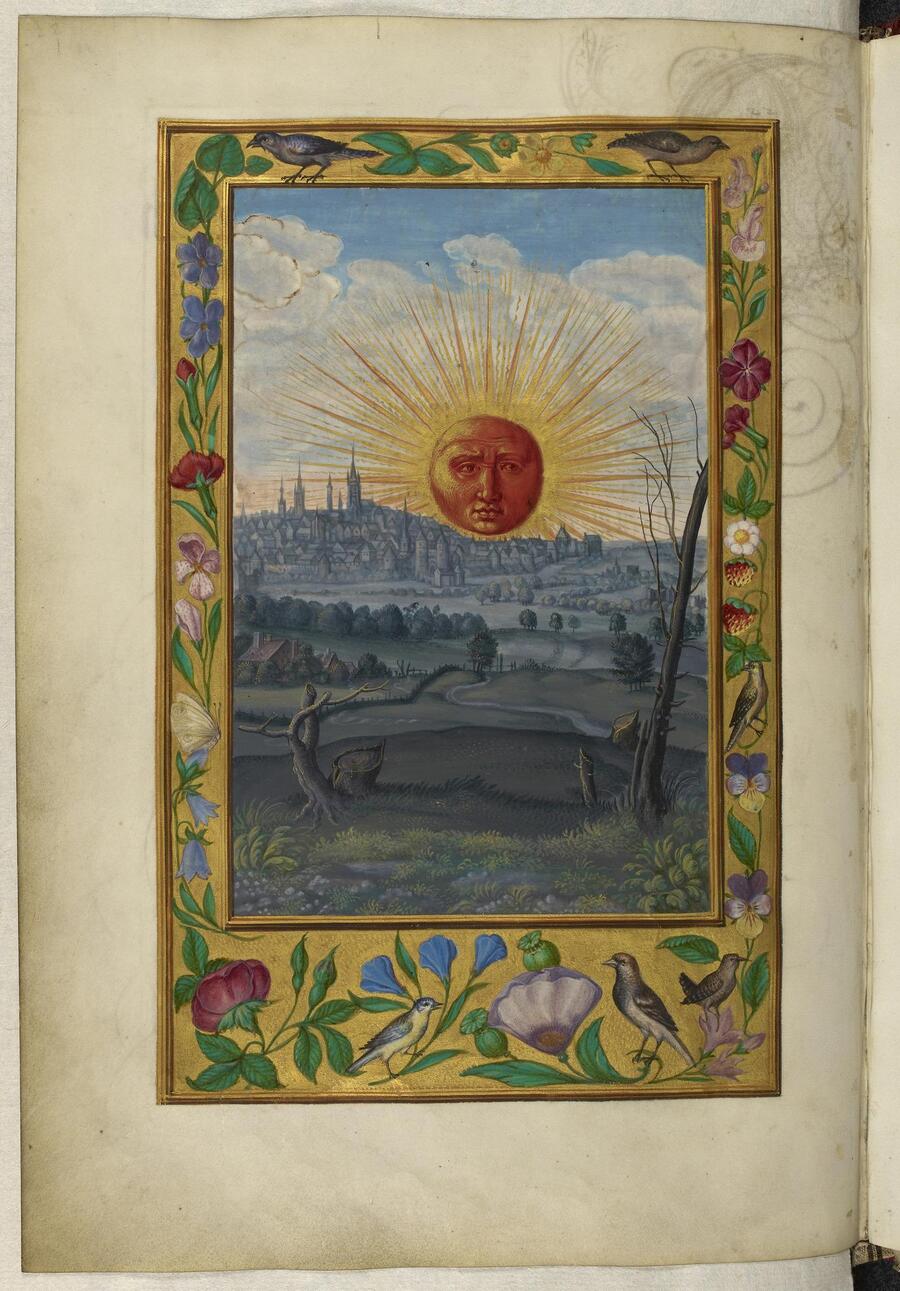
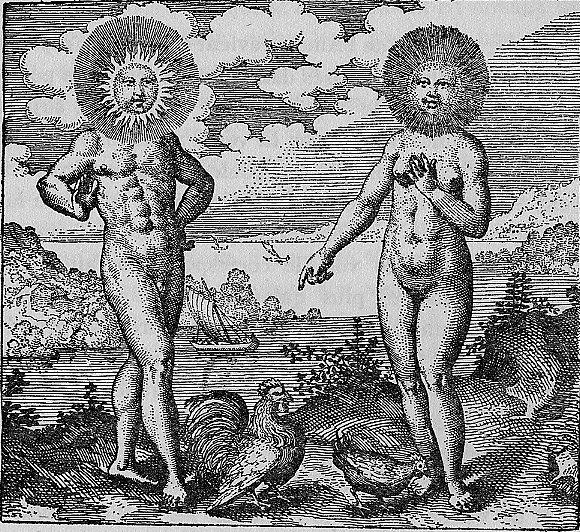
In ancient art, solar deities such as Helios and Sol were depicted in human form, and their connection to the celestial body was signified by a radiant crown. In medieval cosmological imagery, human features appear directly on the solar disk. In alchemical graphics, the Sun becomes part of a symbolic system related to natural processes, the transformation of matter, and the interaction of opposites. Here, the face helps represent abstract forces through recognizable figures.
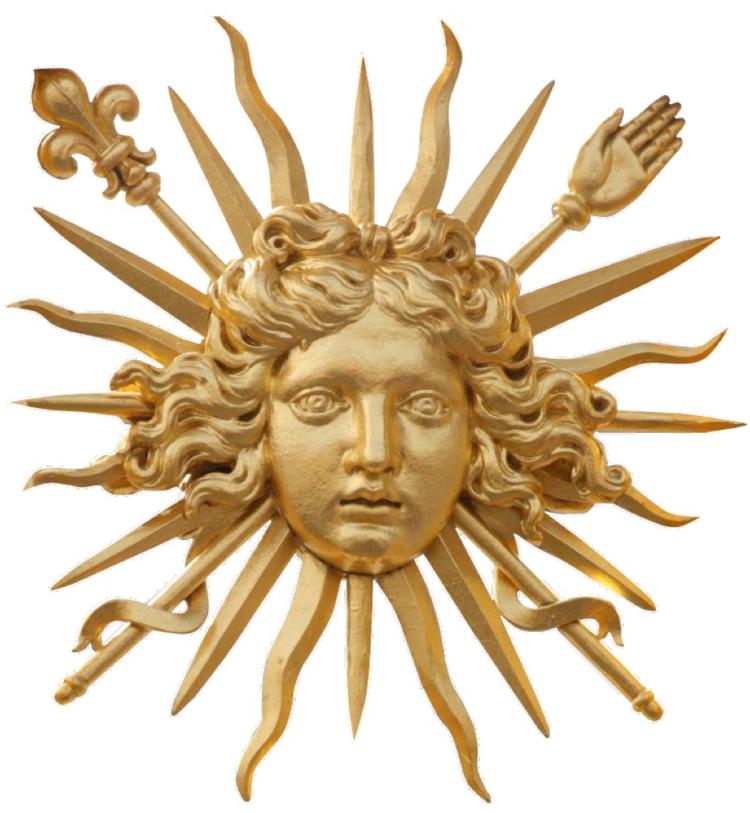
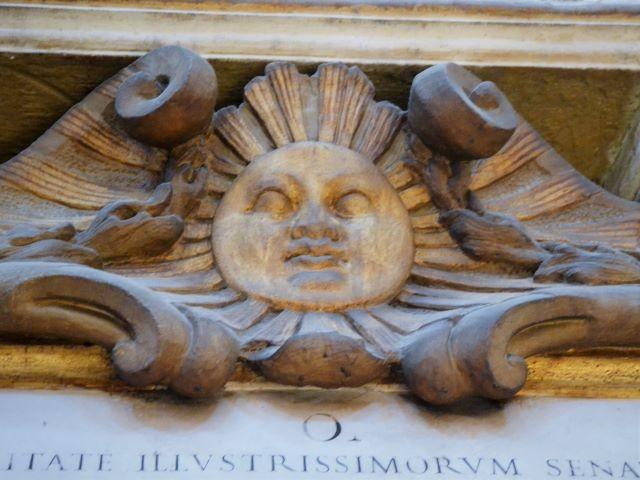
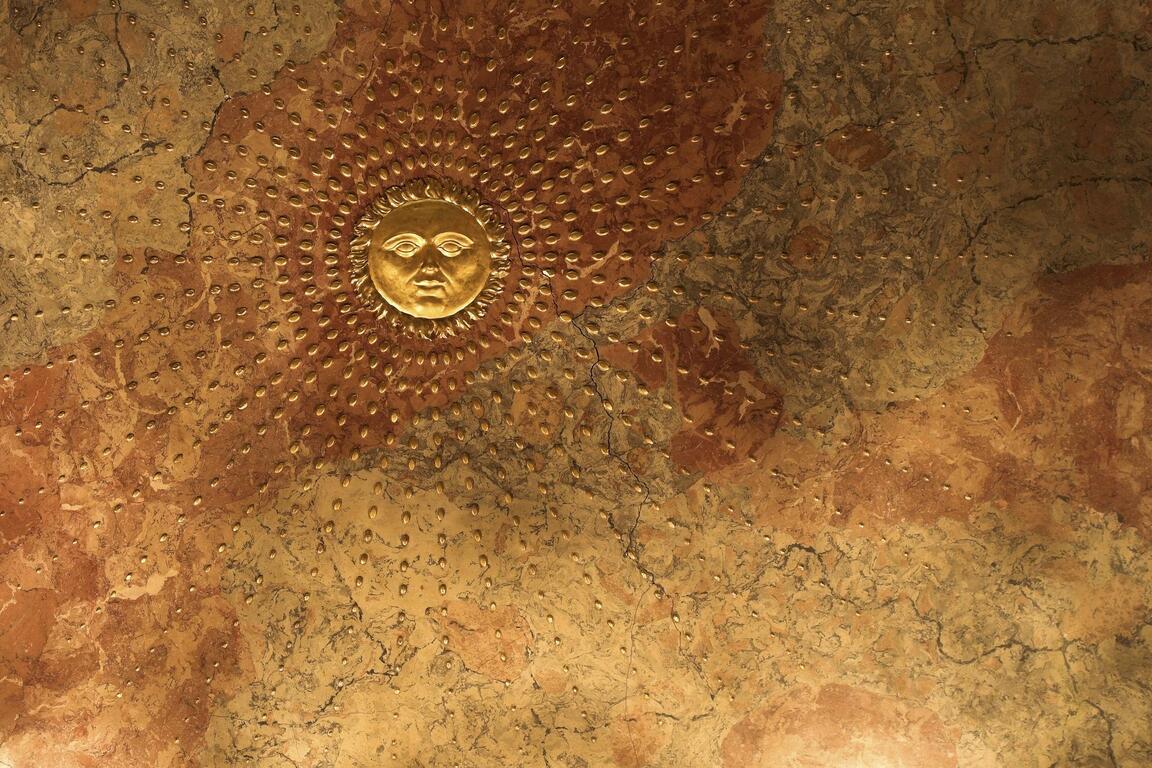
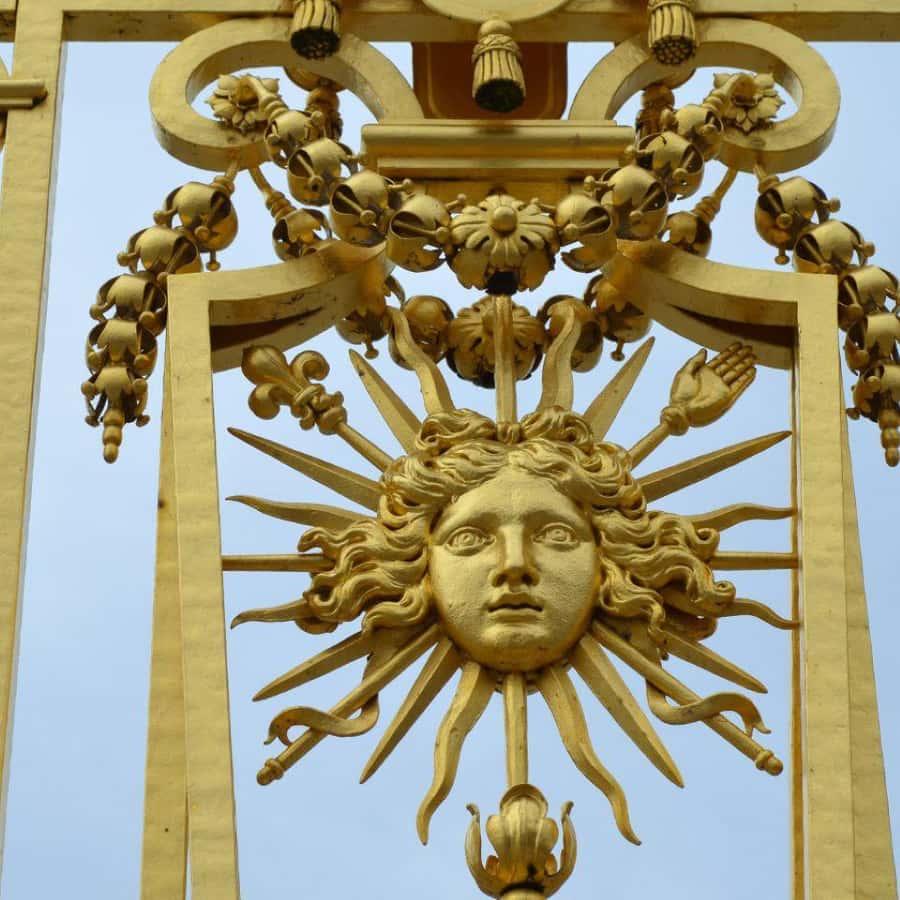
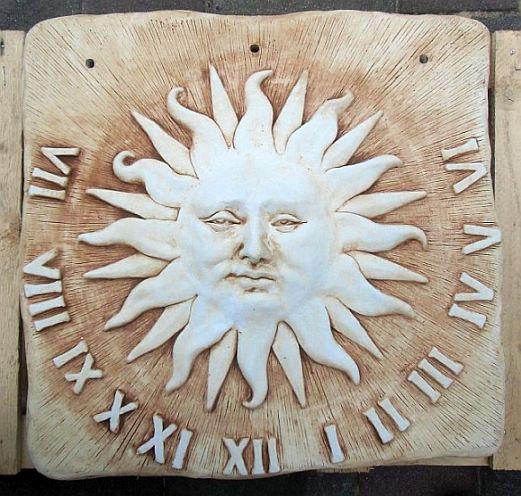
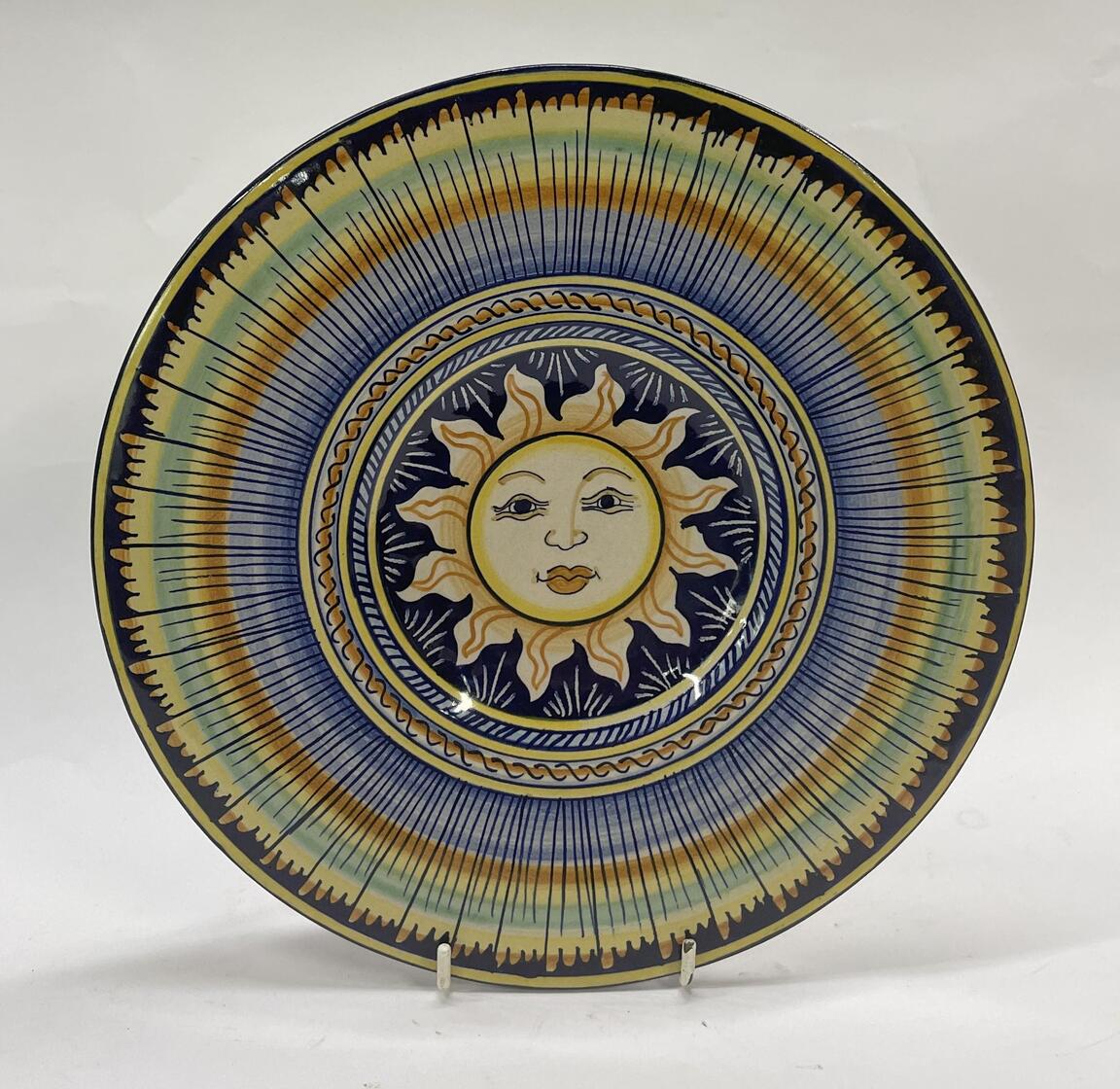
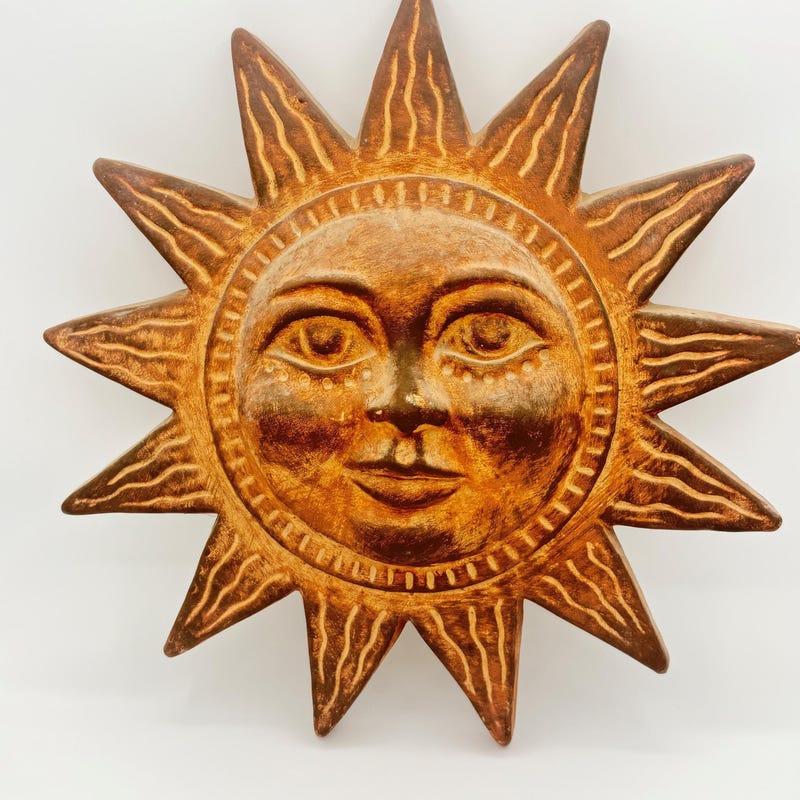
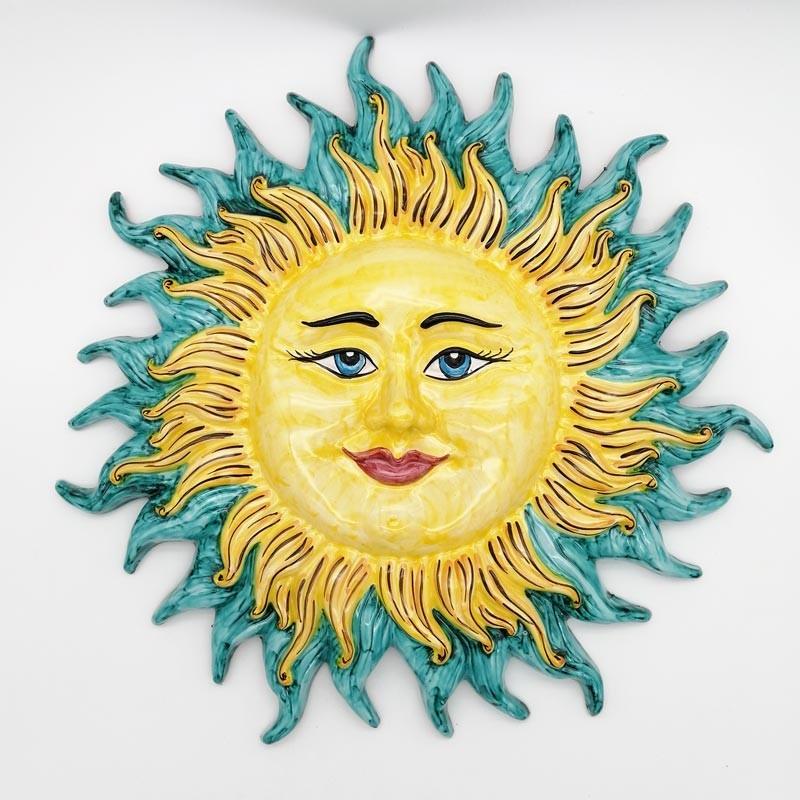
In architecture, decorative and applied arts, and folk art, the Sun with a face gradually enters everyday spaces. It appears on building facades, clocks, ceramics, and household objects. The decorative nature does not negate its symbolic meaning; the image continues to be associated with light, warmth, life, and well-being.
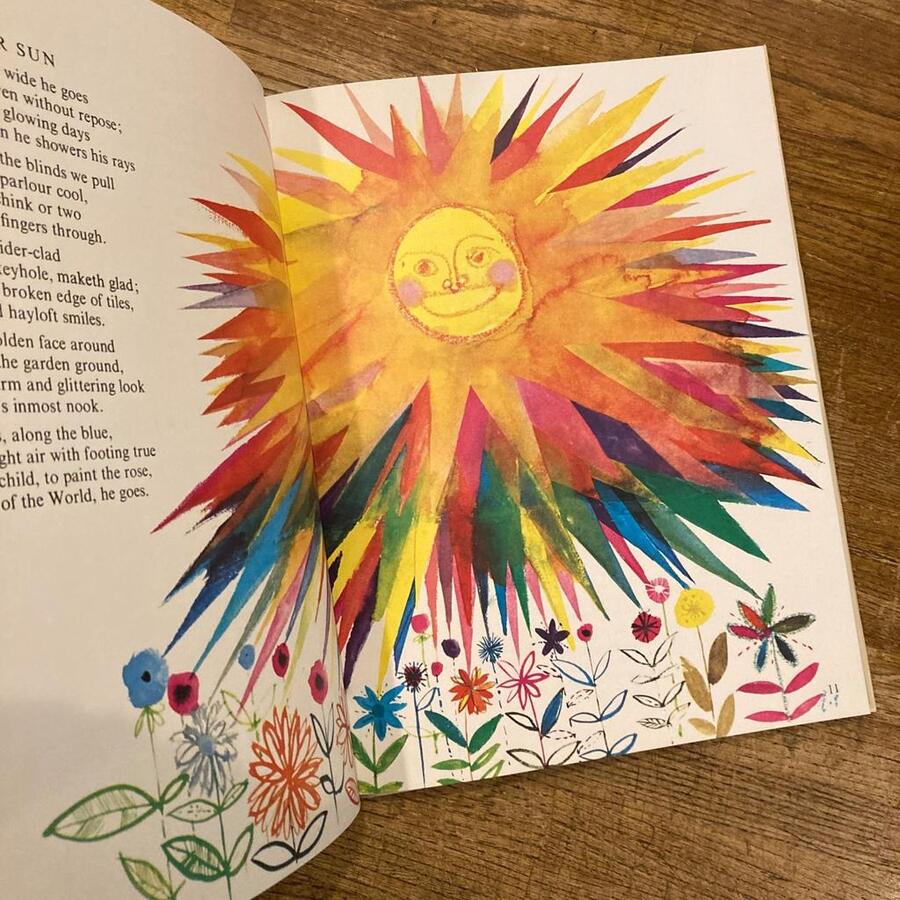
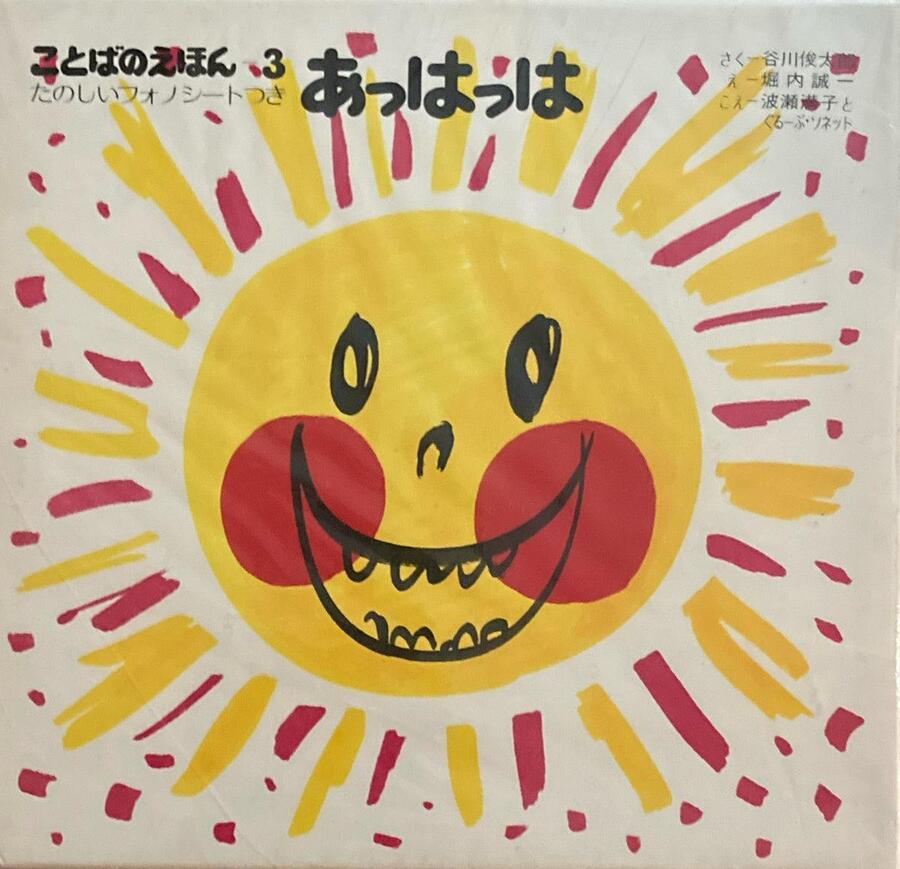
In children’s culture, the Sun often acquires a smile and a benevolent expression. It transforms into a character capable of emotional interaction with the viewer. Particularly striking is the image of Baby Sun from the TV series «Teletubbies,» where the celestial body literally gains the face of a real child. In digital culture, the same visual formula is preserved in emojis, which can convey mood, friendliness, or irony.
Thus, the function of the image changes, but its recognizable structure remains intact.
Sacred, decorative, and playful meanings do not necessarily succeed one another sequentially; they can coexist. This allows us to view the history of the anthropomorphic Sun as a non-linear process in which a familiar form constantly acquires new meanings.
The research is built upon a comparison of images from different historical periods and artistic mediums. Sources examined include museum collections, digitized manuscripts, scholarly publications, graphic design archives, and modern popular culture materials. The analysis encompasses image attribution, an examination of their historical context, and a comparison of formal characteristics: disk shape, nature of the rays, facial expression, and composition. Furthermore, external similarity between images is not considered definitive proof of direct historical influence.Of particular interest is the paradox of the human gaze toward the Sun.
We constantly sense its presence, but we cannot look at it freely.
The image, featuring a face, seems to transcend this distance, allowing one to meet the gaze of an inaccessible celestial body. In this way, anthropomorphism brings a cosmic phenomenon closer and makes it more relatable to humans.The main conclusion of the research is that the persistence of the image of the Sun with a human face is linked to its capacity to shift meaning while retaining a recognizable form. Across different eras, it has embodied divine power, natural order, prosperity, or friendliness, and today it is capable of expressing emotion in digital communication.The history of this motif demonstrates how a visual form endures across cultural contexts and continues to exist in new artistic languages.
By depicting the Sun with a human face, the individual creates not only an image of the heavenly body but also a reflection of their own relationship with the world.
Navigator
- Concept
- The Sun as a Deity (Ancient conceptions of solar gods)
- The Face of the Celestial Body (Medieval manuscripts, calendars, and cosmological imagery)
- The Sun of Alchemy (Symbols of transformation, gold, and the interaction of opposites)
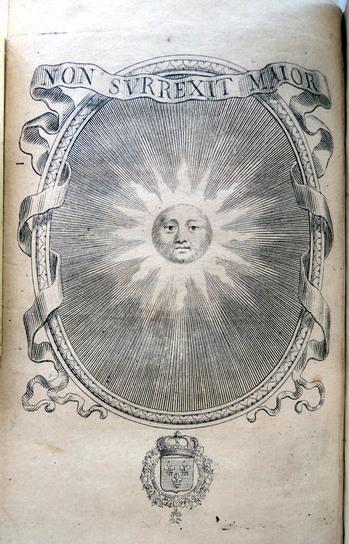
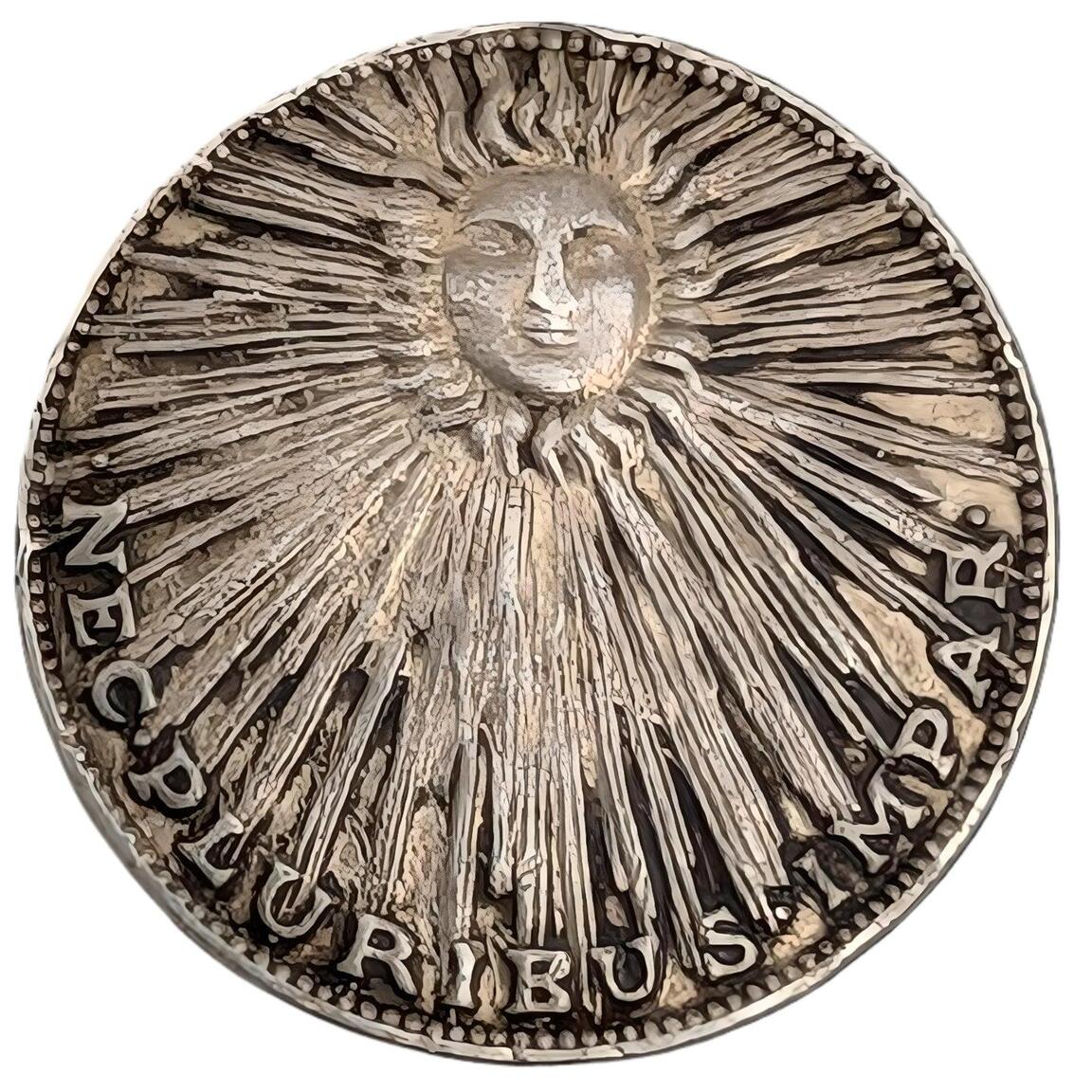
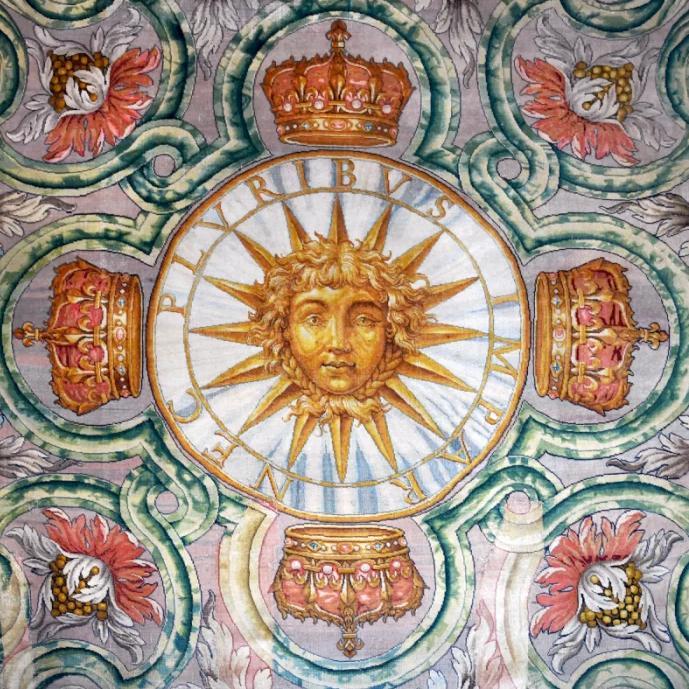
- Sign of Power (Royal emblems and Baroque solar symbolism)
- The Solar Visage in Architecture (Facades, clocks, reliefs, and decorative elements)
- The Sun in Every Home (Folk art, ceramics, and household items)
- When the Sun Smiles (Children’s drawings and book illustration)
- The Sun for Sale (Advertising, packaging, and commercial graphics)
- The Sun Becomes a Character (Animation, television, and Teletubbies)
- The Sun in a Single Symbol (Emojis and digital communication)
- Conclusion
- Bibliography and Sources
The Sun as a Deity
Face of a Celestial Body
The Alchemists' Sun
Sign of Power
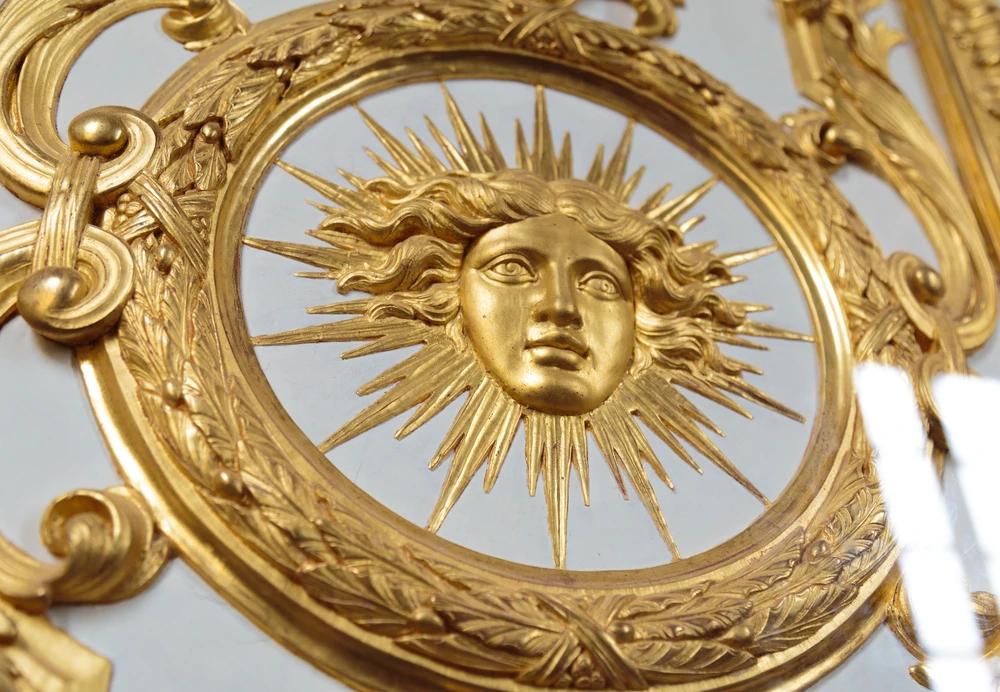
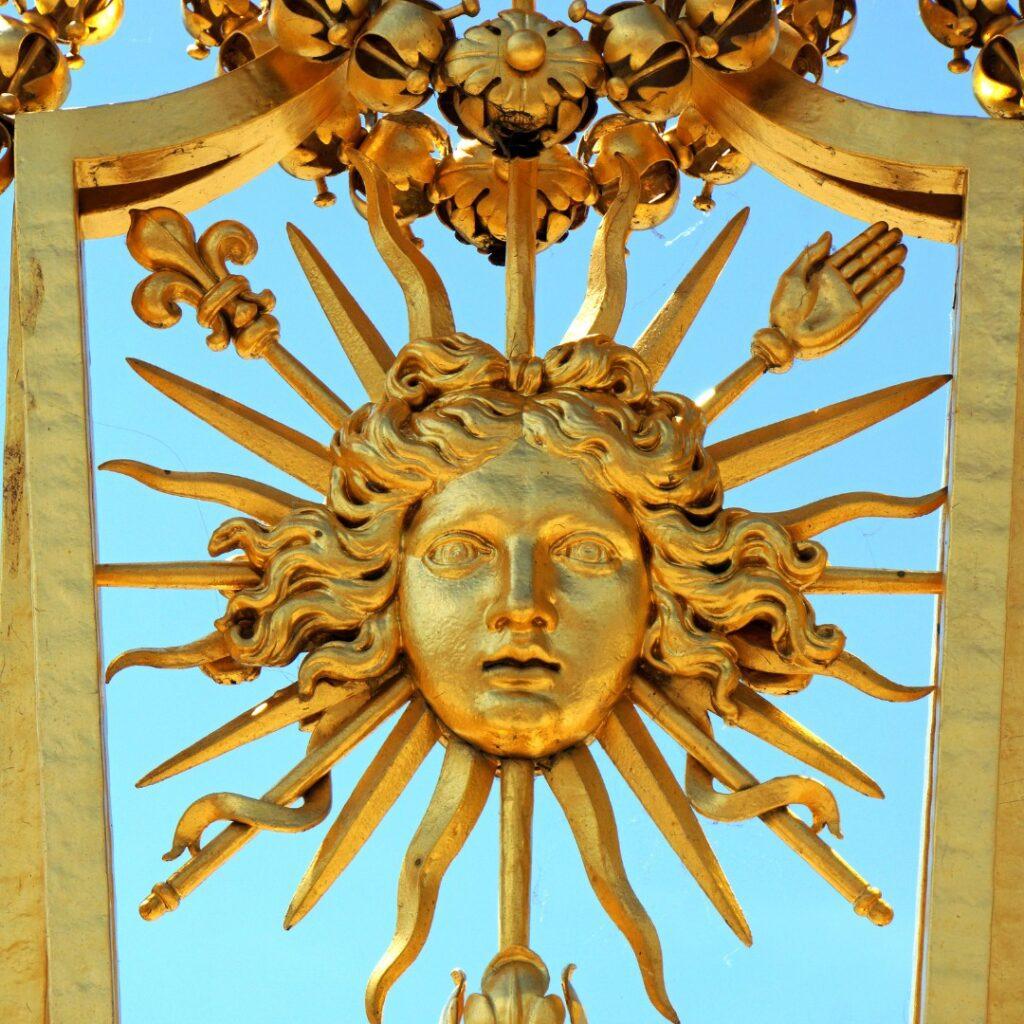
The Sun Face in Architecture


Sunlight in Every Home



When the Sun Smiles