Navigation: ‣ Concept ‣ First Incident ‣ Second Incident ‣ Third Incident ‣ Fourth Incident ‣ Fifth Incident ‣ Epilogue: Catabasis ‣ Conclusion
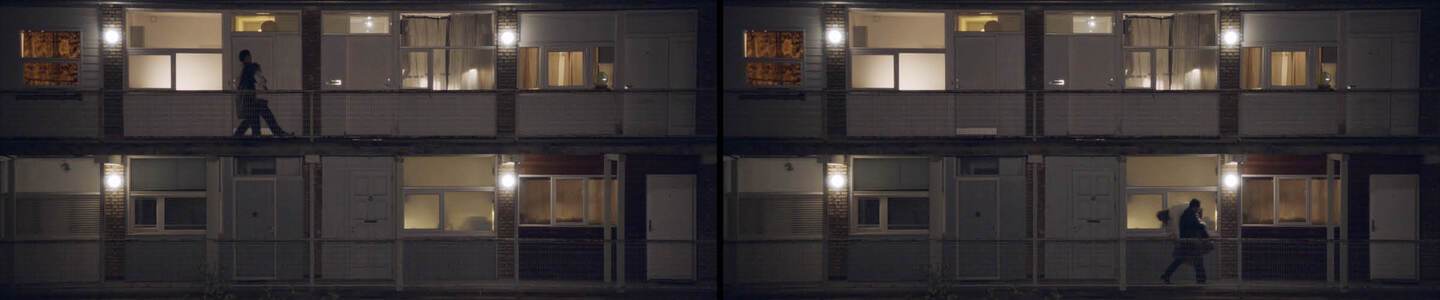
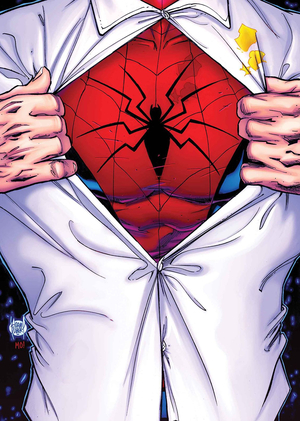
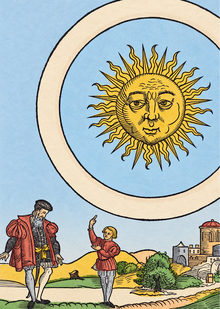
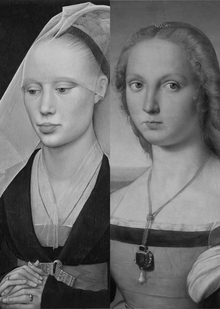
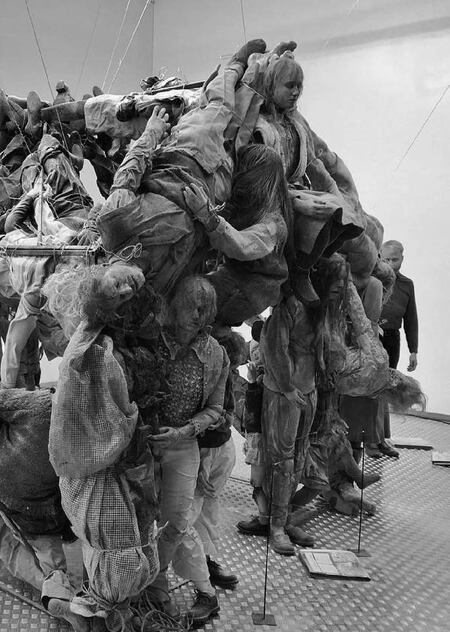
Stills from the film «The House That Jack Built» (2018), directed by Lars von Trier
Concept
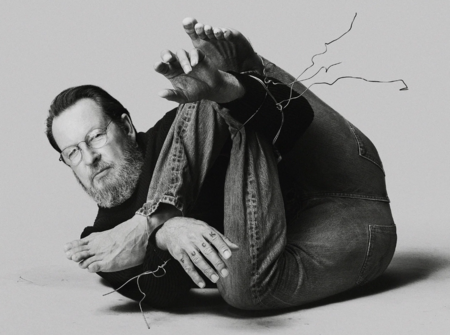
Lars von Trier — a Danish director, one of the foremost provocateurs of modern cinema. He explores the dark sides of human nature and depicts them in his films. However, these are not simple emotions like anger or grief; von Trier muses about complex human sentiments: mania, the desire for grandeur, and loneliness.
The film «The House That Jack Built», released in 2018, tells the story of an engineer named Jack who has an «unusual» hobby—he has been murdering people for twelve years.

Stills from the film «The House That Jack Built» (2018), directed by Lars von Trier.
I have long been fascinated by the creative work of Lars von Trier, and I have watched this film many times, discovering something new with each viewing. One day, I realized just how many layers of meaning the director embedded in how he portrays the human body: alive, dead, decaying, or arranged in a composition—it is everywhere. I became interested in the theme of corporeality in this work, and I wanted to understand why von Trier depicted the body in this specific way, and what it truly signifies.
The visual foundation of my study was taken from excerpts from the film itself. Among these excerpts, we encounter numerous works of art, such as portraits by Picasso or hunting still lifes.
Stills from the film «The House That Jack Built» (2018), directed by Lars von Trier
My research structure follows the narrative arc of the film: five incidents and an epilogue. In each chapter, I have highlighted several aspects through which the body is explored: gender, material, performance, mimicry, aestheticization, and others. This approach allows me to avoid confusing the reader with the plot while addressing every permutation of bodily expression and emphasizing its recurrence from chapter to chapter.
During the writing process, I primarily relied on my own feelings and thoughts that arose while viewing the film. However, to avoid being purely subjective, I also utilized articles by film scholars who study the work of Lars von Trier, such as the works of Manousakis and Stempnik.
Stills from the film «The House That Jack Built» (2018), directed by Lars von Trier
The core question I am trying to answer is: what meaning does the director ascribe to the human body? It is important for me to understand what it symbolizes and how it functions within the film’s narrative. I surmise that the central idea of the work is conveyed through the body—that art is born from life and love, and nothing can be built from destruction.
A still from the film «The House That Jack Built» (2018), directed by Lars von Trier.
First Incident
Gender.
Jack encounters a girl on the road who needs help. Initially, he had no intention of killing anyone, but some of her words sounded like a clear provocation.
Under the guise of a joke and an attempt to «break the ice,» the woman questions the strength and courage of the main character. This wounds Jack, and in a fit of rage, he kills the stranger with her own broken jack.
Stills from the film «The House Jack Built» (2018), directed by Lars von Trier
«You’re such a pushover. You won’t be able to hurt anyone.»
Stills from the film «The House Jack Built» (2018), dir. Lars von Trier
In this episode, the girl’s behavior is built upon typically feminine (within the context of gender stereotypes) strategies:
‣ Verbal castration The word «slob» is not merely an insult. Within the gender system, it is an assault on masculine identity and what is conventionally considered masculine. A «slob» cannot be manly or attractive.
‣ Illusion of safety The woman acts as if she is in a safe space where words have no consequences—let alone physical ones. Her contemporary social experience suggests that a man «wouldn’t dare» hit a woman, which, unfortunately, does not align with the psychopath’s assessment.
Stills from the film «The House Jack Built» (2018), directed by Lars von Trier
The killing tool—a jack. Importantly, in the original language, this translates to car jack. Here, the character’s physicality seems to continue into this instrument [1, pp. 292–294].
«So, beating an unbearable woman with a jack—is that art?»
Stills from the film «The House That Jack Built» (2018), directed by Lars von Trier
Aestheticization.
Jack murders, viewing the acts as eternal and divine art. In these killings, he sees his own creations. For instance, the blood-soaked face of a stranger seamlessly melts into a painting by Juan Gris, «Portrait of a Woman.»
Furthermore, when recounting his deeds, the protagonist will constantly refer to art, comparing his «creations» to past geniuses, such as Paul Gauguin.
Stills from the film «The House That Jack Built» (2018), directed by Lars von Trier
Second Incident
Material.
In the episode featuring Claire Miller, we see for the first time exactly how Jack works on his «masterpieces.» He creates staged photographs with a deceased person, subjugating their will to his own.
Here, Claire Miller’s body clearly functions as material—something that once possessed its own will, making it divine. However, Jack has not yet learned how to control it. The protagonist can barely give shape to the limp body.
Stills from the film «The House Jack Built» (2018), directed by Lars von Trier
The Border Between Living and Dead.
As mentioned before, at this stage, Jack is only beginning his «creative» experiments.
The staged photos with Claire were an unsuccessful attempt to give the corpse a living appearance, thereby blurring the boundary between the two states and realizing the creative concept.
Stills from the film «The House That Jack Built» (2018), directed by Lars von Trier