Zuroka Melys is an interactive, dual-voice synthesizer built upon the concept of language barriers and human misunderstanding.
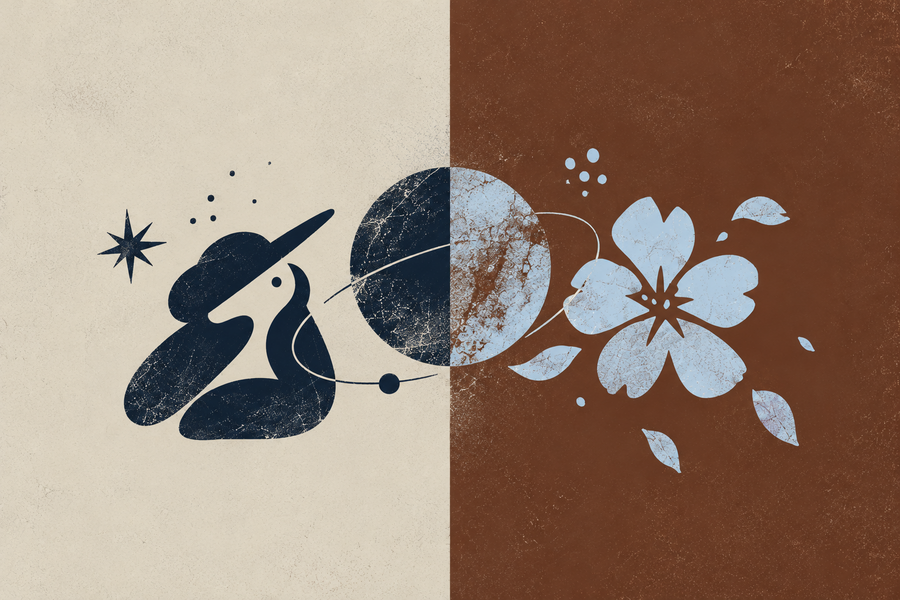
Two independent synthesizers symbolize the English and Japanese languages. Each possesses its own set of notes, sound wave types, and sonic settings. The voices are spread across the stereo channels and can be played simultaneously.
The central PERSPECTIVE regulator alters the degree of voice processing: the clearer one language sounds, the more the other is distorted. An additional rhythm section with a drum machine allows the two voices to be merged into a single musical composition.
The project explores how perception influences comprehension, transforming a language barrier into a musical experiment.
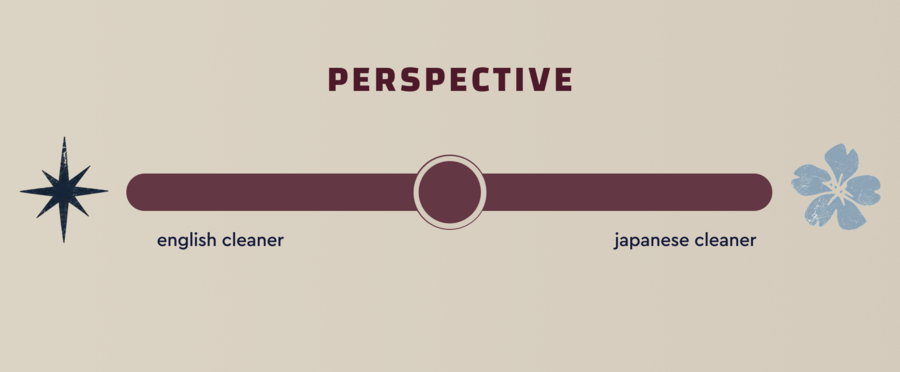
The feature of this tool is the Perspective regulator. It allows you to change the point of perception between the two languages. When I move it to the left, the English synthesizer sounds cleaner, while the Japanese is more heavily processed with effects. The opposite happens when moving it to the right. This demonstrates that comprehension depends on the listener’s position.
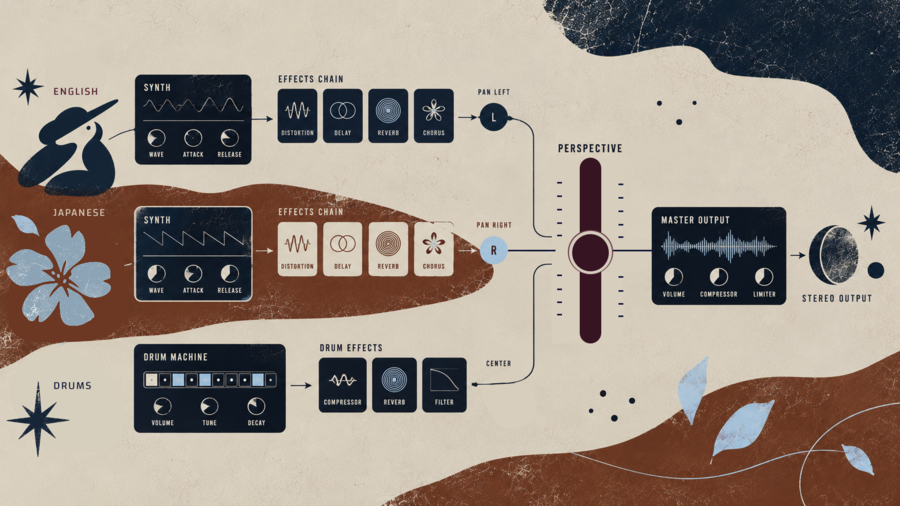
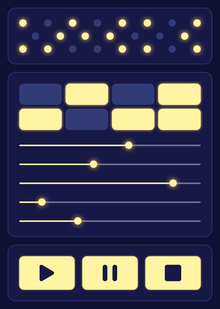
The instrument consists of three sound modules: two independent synthesizers and a rhythm section.VOICE 01 / ENGLISH and VOICE 02 / JAPANESE generate sound using oscillators with selectable waveforms. Each voice has its own settings for volume, attack, and decay, as well as an effects chain: Distortion, Delay, Reverb, and Chorus.The voices are spread across the stereo channels: English is primarily to the left, and Japanese is to the right. The PERSPECTIVE control manages the intensity of processing for both voices, adjusting the balance between clean and distorted sound.DRUM MACHINE creates the rhythmic foundation using four drum sounds and a 16-step sequencer.All three modules are combined in the MASTER OUTPUT, where the main signal passes through a compressor and goes to the stereo output.
SOUND EFFECTSEach of the two synthesizers features its own sound processing chain. Four effects allow you to alter the character of the sound—from clean and articulate to rich, spatial, and distorted.01 / DISTORTIONModifies the shape of the sound wave by adding harmonics, making the timbre richer, sharper, and noisier. The higher the effect intensity, the more the original signal deviates from a clean sound.02 / DELAYCreates repetitions of the sound signal across specific time intervals. The repetitions gradually fade out, forming an echo effect and complicating the rhythmic structure of the sound.03 / REVERBSimulates sound reflections in space. It adds depth, volume, and a sense of distance to the source, causing the voice to be perceived as less distinct.04 / CHORUSGenerates slightly altered and delayed copies of the original signal. Their layering makes the sound wider, more dynamic, and multi-layered.
VOICE 01 / VOICE 02 — denote two independent voices, each representing a separate sound language.
OSCILLATOR — a sound wave generator that determines the initial timbre of the synthesizer.
ENVELOPE — controls for how the sound evolves over time: Attack and Release.
PERSPECTIVE — the proprietary name of the central regulator, reflecting the idea of shifting points of view.
EFFECTS — a group of modules that alter the sonic character.
RHYTHM — the rhythmic foundation that unites the two voices into a composition.
MASTER OUTPUT — the overall instrument output, through which the final audio signal passes.